REVIEW · 2-HOUR EXPERIENCES
Munich: Nazi History 2-Hour Small Group Walking Tour
Book on GetYourGuide →Operated by Alun Evans Personal Tour Guiding Munich · Bookable on GetYourGuide
Munich’s darkest street corners tell a story. This 2-hour walking tour turns Nazi-era Munich into real places, with an English guide named Alun Evans who brings the background to life without turning it into a lecture. I especially liked the small group feel (you can ask questions and actually hear the answers) and the way the route connects big moments—Hitler’s early arrival in 1913 and the Party’s rise—to the buildings where it happened.
One possible drawback: this tour is tightly timed, so you’ll get a strong overview, but you won’t have long hours to linger at every spot or add deep research on your own.
In This Review
- Key things I found especially worth your time
- A 2-hour walk through Nazi-era Munich, starting and ending at Marienplatz
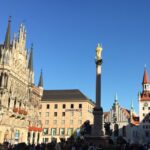
- Marienplatz: setting the stage before the names and dates get heavy
- Hofbräuhaus München: where speeches met a public gathering space
- Odeonsplatz: Bavarian prestige and the visual language of power
- Königsplatz and the rally geometry: why open space mattered
- Why the guide’s style matters on this topic
- Price and value: is $58 for a 2-hour Nazi history walk worth it?
- Practical tips so the walk stays comfortable and respectful
- Should you book the Munich Nazi History 2-Hour Small Group Walking Tour?
- FAQ
- Where does the tour start and end?
- What’s the meeting point exactly?
- How long is the tour?
- What group size should I expect?
- Is the tour in English?
- What locations are included?
- Is hotel pickup or refreshments included?
- What weather should I plan for?
- FAQ
- What’s the price?
- Can I cancel if plans change?
- Do I pay immediately?
- Are there return options if I need help after the tour?
Key things I found especially worth your time
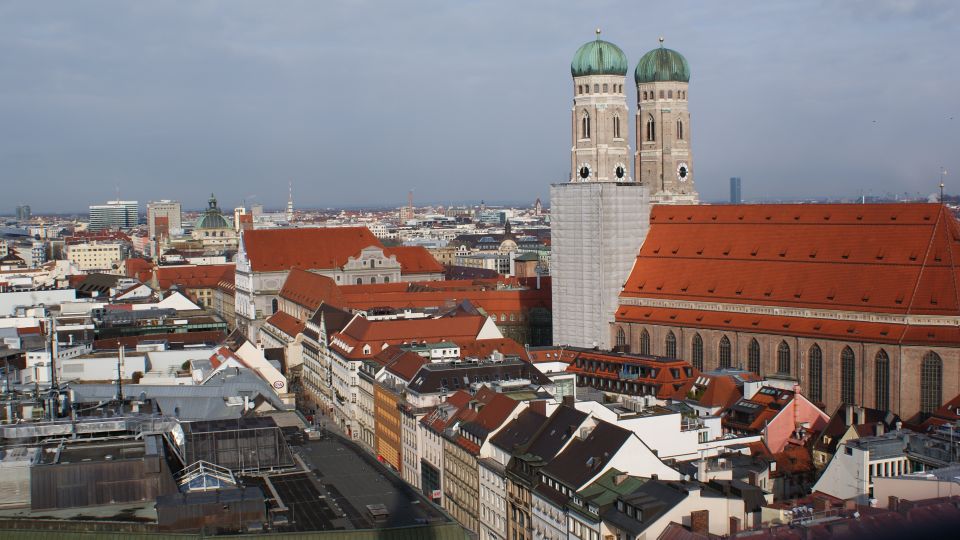
- Marienplatz as the anchor point: easy to find, and the tour returns you there.
- A careful, human delivery: Alun Evans focuses on respectful storytelling, not sensationalism.
- Hofbräuhaus timing: you visit the beer hall linked with Nazi meetings and Hitler speeches.
- Odeonsplatz context: you see prominent Bavarian landmarks tied into the era’s power imagery.
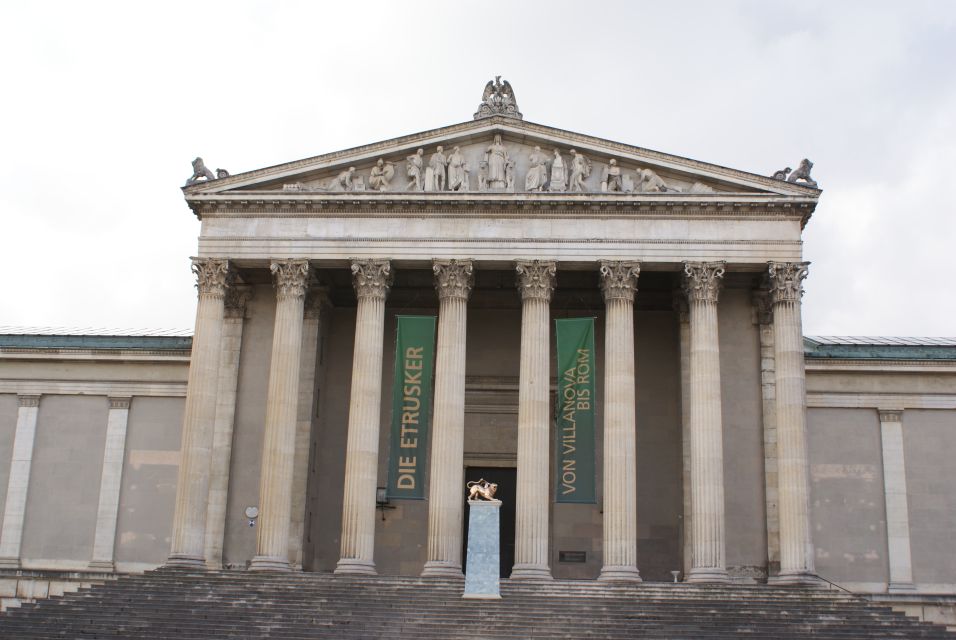
- Königsplatz rally setting: the open, monumental feel helps you understand why rallies mattered.
- All-weather walking: dress for cold, rain, or snow so the tour stays comfortable.
A 2-hour walk through Nazi-era Munich, starting and ending at Marienplatz
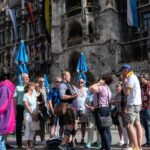
This tour is built for people who want more than a skim through photos. You start at Marienplatz, right in central Munich, meeting in front of the Tourist information Center. Alun (and the operator) uses a clear sign so you can spot the group fast.
The total time on the clock is 2 hours, which is a sweet spot if you’re on a tight schedule. It’s long enough to connect events and locations—Hitler arriving in Munich as a 24-year-old in 1913, the Party’s growth, and the shock of the 1923 Beer Hall Putsch—but short enough that you’re not stuck in one place for ages.
The walking style also matters. You’re moving at a city pace, not hiking. You’ll spend concentrated time at a few key stops, then flow between them on foot. That format helps you see the city as it is, while still understanding what used to happen there.
At the end, you’re back at Marienplatz. There’s also an option to return with your guide if you want help getting oriented again. For me, that’s a practical touch—especially if you’re planning dinner or an evening museum visit right after.
You can also read our reviews of more walking tours in Munich
Marienplatz: setting the stage before the names and dates get heavy
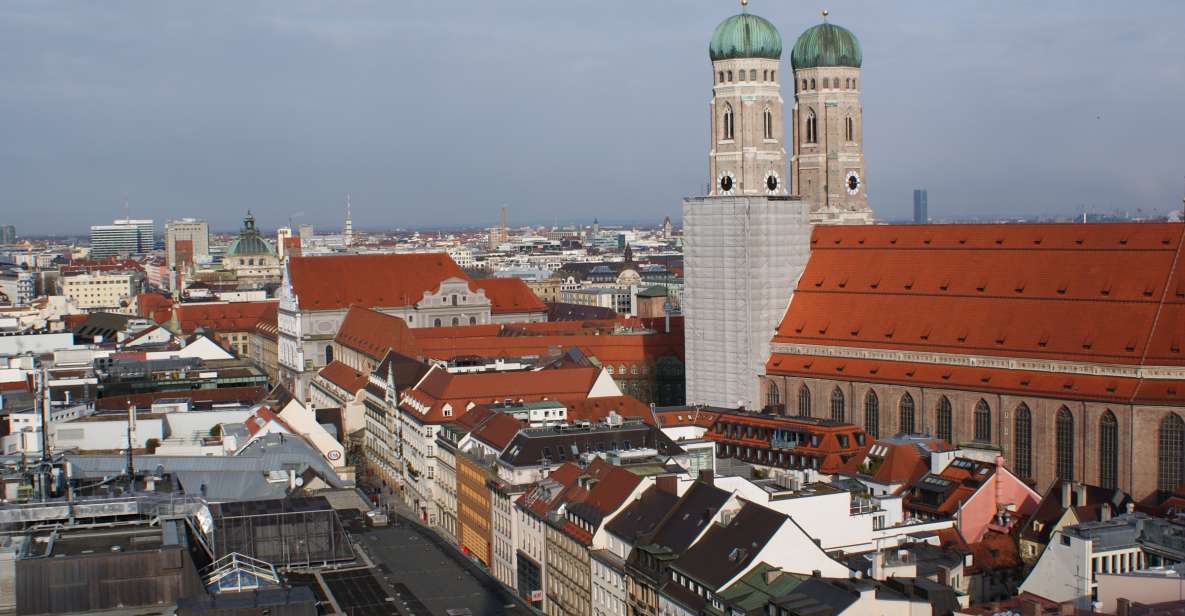
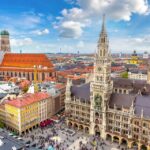
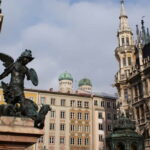
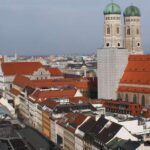
Marienplatz isn’t just a pretty square. It works as a starting point because it’s the center of Munich’s daily life—then the tour quietly forces a contrast.
In the first part of the walk, the guide connects why Munich became a stage for political movements in the early 1900s. You get the foundational timeline: Hitler’s 1913 arrival in Munich, the lack of prospects he faced then, and how that early period fed into what came later. The point here isn’t to memorize dates like flashcards. It’s to understand how an atmosphere can change, and how ideas take root in very specific places.
This first stop also sets the tone for the rest of the tour. The subject matter is dark, but the delivery is grounded. Alun Evans is described as caring, humble, respectful, and patient—qualities that matter when you’re walking through sites tied to propaganda, violence, and mass terror. You can feel the difference between a checklist tour and one that respects the topic.
If you’re sensitive to heavy topics, I’d still consider this tour—but go in ready for serious history. The pace helps, but the content doesn’t soften.
Hofbräuhaus München: where speeches met a public gathering space
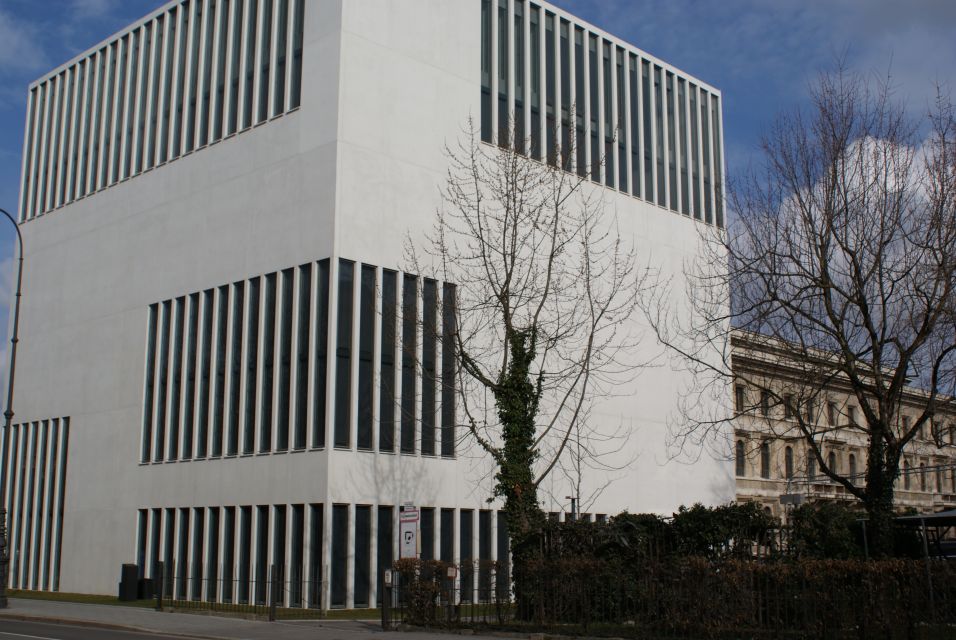
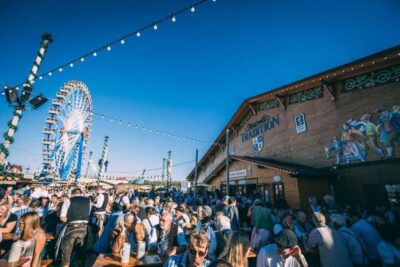
Next up is Hofbräuhaus München, one of those places that visitors associate with Bavarian beer culture. That’s part of the power of this stop: you get to see how the same walls that feel festive on a normal night became linked to Nazi meetings.
You’ll spend a short, focused visit here—about 10 minutes—but the guide uses that time to explain why a beer hall mattered to the Nazis. Beer halls are public spaces. They hold crowds. They create a shared mood. They also make it easier for a movement to present itself as mainstream and inevitable.
This is also where the tour ties in the idea of communication and control. You’ll hear about how Nazi leaders met there and how Hitler gave speeches. The point isn’t just who spoke. It’s what the setting did for the message—how a crowd can be persuaded, and how a staged political performance can start to feel like reality.
A practical note: beer halls are indoor and can be busy even outside this tour. If the atmosphere feels louder than you want, lean into the guide’s explanations and don’t worry about trying to take in everything visually at once. The value is in the context you get as you stand in place.
Odeonsplatz: Bavarian prestige and the visual language of power
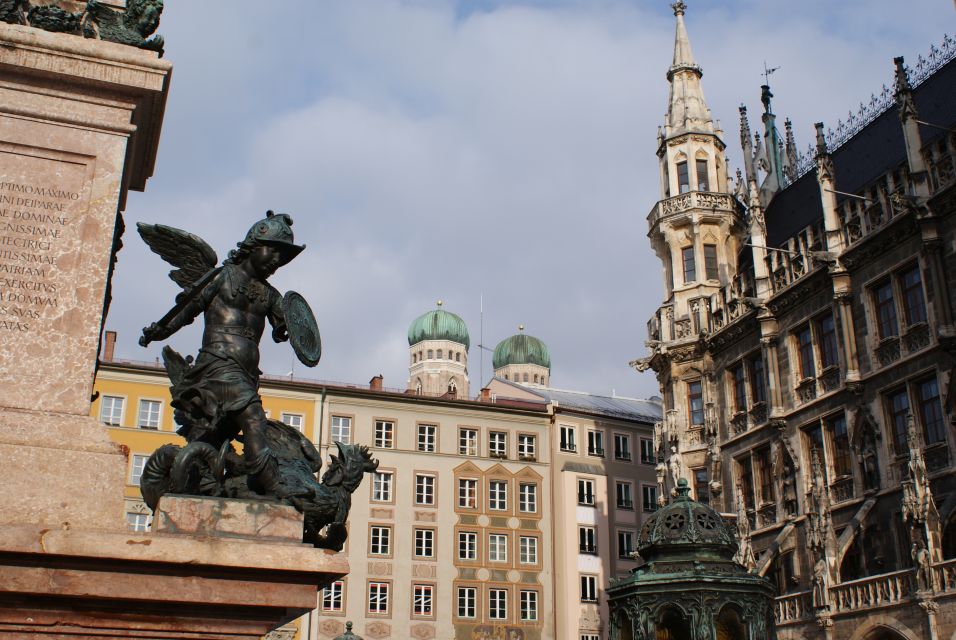
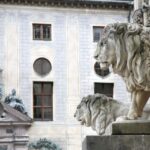
From Hofbräuhaus, the tour moves toward Odeonsplatz, a step up in grand scale. This stop is timed at around 15 minutes, and it’s where the tour helps you notice the difference between politics as an idea and politics as an aesthetic.
At Odeonsplatz you’ll see prominent landmarks, including the Bavarian State Opera and the Residenz. That’s not random sightseeing. The guide connects these settings to the era’s public image and the kind of authority the Nazis tried to project.
Even if you’re not a history buff, this is one of the most useful parts of the tour because it trains your eye. You start looking at how buildings, ceremony, and urban space can communicate status. In other words: propaganda wasn’t only about words. It was also about visuals.
If you’re the type who likes to understand why propaganda works, this is a strong stop. It helps you connect architecture and public perception, so the story doesn’t stay trapped in the past.
Königsplatz and the rally geometry: why open space mattered
The Nazi leadership used rallies for more than speeches. They used them to build unity, signal strength, and create the emotional momentum that makes extreme ideas feel normal.
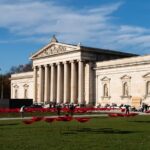
That’s why the tour includes Königsplatz. It’s described as an ending point tied to where the Nazis would hold rallies. Even without a long stay, the geography helps you understand the logic. Open space, monumental scale, and clear lines of sight make it easier to stage collective movement—and to control how people experience the crowd.
You’ll also get the Beer Hall Putsch of 1923 in this broader context. The tour treats it as a key turning point, not just a failed event. You’ll see how the Nazis used their setbacks and reorganized afterward, turning early chaos into a longer-term path to power. The goal is to connect the failed attempt to the later, more successful strategy.
If you want to remember one theme from this section, it’s this: the Nazis weren’t only recruiting followers; they were building a system of performance. Rallies were part of that system.
You can also read our reviews of more historical tours in Munich

Why the guide’s style matters on this topic
This kind of tour can go one of two ways. It can become cold and clinical, or it can become emotional in a way that feels performative. What stands out here is that Alun Evans is described as caring, humble, engaging, and respectful—qualities that shape the whole experience.
Small group size is a real benefit for heavy subjects. With fewer people, the guide can keep the tone steady, answer questions directly, and adjust explanations when someone doesn’t catch a point. One review also notes how the guide was patient and entertaining, which sounds light until you realize it’s about clarity. You can handle hard material when it’s explained plainly.
You also learn how to hold a balance. The guide doesn’t just list names and dates. He connects what happened to what you’re seeing on the street. That’s what makes the tour feel more like a guided walk through evidence than a history slideshow.
One more practical detail: the tour runs in all weather conditions. That came up in an account of heavy snow and cold, where only a small group showed up. The takeaway for you is simple: you should still go prepared for weather, because the tour is designed to keep moving and keep explaining even when it’s not comfortable outside.
Price and value: is $58 for a 2-hour Nazi history walk worth it?
For $58 per person and 2 hours, you’re paying mainly for three things: a trained, English-speaking guide; a structured route that hits specific sites; and the small-group format that makes the story easier to follow.
Could you walk around Munich on your own and find information? Yes. You could also piece together these stops using guidebooks or maps. But self-guided travel has a common problem: it’s easy to get lost in one place, miss connections, or spend time reading while you’re staring at buildings that meant something completely different in another era.
Here, the value is the stitching. The tour connects early context (Hitler’s arrival in 1913), turning points (like the 1923 Beer Hall Putsch), and key meeting and rally locations (including Hofbräuhaus and Königsplatz). That narrative glue is hard to replicate quickly on your own.
What you’re not paying for is comfort extras. Refreshments aren’t included, and there’s no hotel pickup. So you’ll want to arrive ready to walk—bring water if you can, and plan a meal after.
For most people, this price makes sense if you want a tight, guided timeline without spending half a day. If you’re the type who loves reading and self-paced discovery, you might feel it’s a bit short. But if you prefer structure and context, this is a good use of time.
Practical tips so the walk stays comfortable and respectful
A couple of things will make your experience smoother:
- Wear shoes you can trust. You’ll be walking between central squares and landmarks. In wet or cold weather, footing matters more than style.
- Dress for all-weather tours. This runs in all conditions, so plan for wind, rain, or snow.
- Arrive a few minutes early. Meeting is in front of the Tourist information Center on Marienplatz. Being early helps you get your bearings and find the guide holding the operator sign.
- Don’t expect a long sit-down stop. Most visits are short and focused, designed to keep your route moving.
- Keep your questions ready. With a small group, you can actually ask about how the Nazis organized, how they used public spaces, or why Munich’s story matters.
Also, a gentle heads-up: the subject is brutal. Even when the guide is clear and measured, you’ll be surrounded by real-world reminders. If you need emotional pacing, it helps to know you can take a breath, step back, and listen when you’re ready.
Should you book the Munich Nazi History 2-Hour Small Group Walking Tour?
I’d book this tour if you want a guided, street-level understanding of how Nazi influence grew in Munich—without wasting time guessing which sites matter. It’s especially worth it if you like the idea of seeing Hofbräuhaus, connecting it to speeches and meetings, then understanding why Königsplatz and the rally setup mattered.
The small group format and the described tone of Alun Evans are big reasons to feel confident choosing it. You’ll get explanations that aim to be respectful, clear, and engaging, not just a stack of dates.
Skip it only if you strongly prefer self-paced history research, or if you’re looking for a lighter city walk. This is a sober tour through a terrible chapter, and it doesn’t pretend otherwise.
FAQ
Where does the tour start and end?
The tour starts and ends at Marienplatz in central Munich. You meet in front of the Tourist information Center on Marienplatz.
What’s the meeting point exactly?
Meet in front of the Tourist information Center on Marienplatz. The guide will be holding a sign with the name of the local tour operator.
How long is the tour?
The tour is 2 hours.
What group size should I expect?
It’s described as a small group limited to 10 participants.
Is the tour in English?
Yes. The tour is led by a local English-speaking guide.
What locations are included?
You’ll visit key Nazi-era sites connected with the Nazi party and SS, including Hofbräuhaus München, Odeonsplatz, and the area of Königsplatz for rally context. You’ll also cover the failed Beer Hall Putsch of 1923.
Is hotel pickup or refreshments included?
No. Hotel pickup isn’t included, and refreshments aren’t provided.
What weather should I plan for?
The tour operates in all weather conditions, so wear appropriate clothing for the conditions that day.
FAQ
What’s the price?
The price is $58 per person.
Can I cancel if plans change?
Yes, it offers free cancellation up to 24 hours in advance for a full refund.
Do I pay immediately?
You can reserve now & pay later, so you don’t need to pay anything today.
Are there return options if I need help after the tour?
The tour includes an option to return to Marienplatz with your guide on request.