REVIEW · HISTORICAL TOURS
Munich and Nazi History Combination Day Tour Small Group
Book on GetYourGuide →Operated by Alun Evans Personal Tour Guiding Munich · Bookable on GetYourGuide
Nazi history hits harder in person, and this Munich day tour ties small group access to the Dachau Memorial Site with key Hitler-era locations right back in the city. It’s built as a serious, structured day, starting at Marienplatz and then moving step by step through places where Germany’s Nazi story became real.
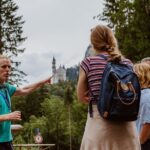
I love that you’re not left to piece things together on your own: you’re guided by Alun Evans, and the pace is set so you can ask questions and actually understand what you’re seeing. Many people also call out how smoothly he manages the public-transport side of the day, so the history stays the focus instead of stress.
The main drawback to weigh is the commitment: you’re on a long walking day with an early start, and it’s not suitable for children under 14 (plus luggage or large bags aren’t allowed). If you’re looking for a light, casual stroll, this is the wrong kind of day trip.
In This Review
- Key things that make this tour worth your time
- Two-part Nazi Munich that makes the story click
- Marienplatz departure and the commute-style ride to Dachau
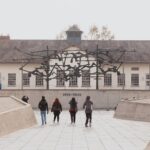
- Dachau Concentration Camp Memorial: 3 hours with a licensed guide
- Back to Marienplatz: lunch time that keeps your energy up
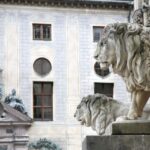
- Hitler-era Munich on foot: from Hofbräuhaus to Königsplatz
- The specific stops that shape the route
- Price and value: what $109 buys you (and what it doesn’t)
- Group size, rules, and comfort notes that matter
- Should you book this Dachau and Nazi Munich combination tour?
- FAQ
- Where does the tour start?
- How long is the tour?
- What time does it begin?
- Is this tour available in English?
- What about lunch and meals?
- Can children join this tour?
Key things that make this tour worth your time
- Dachau first, context right after: you see the memorial before walking through Nazi-era Munich.
- Small group size (max 15): you get room for questions and calmer pacing than big buses.
- Alun Evans guide style: clear explanations in English and smooth coordination using Munich transit.
- Time at the Dachau museum: not just a quick pass-through.
- Hitler-era Munich stops in a tight arc: Hofbräuhaus, Führerbau, and Königsplatz get your attention.
- Finish back near Marienplatz: easy for you to keep exploring afterward.
Two-part Nazi Munich that makes the story click
This tour works because it’s designed like a timeline you can walk. You start the day at the Dachau Concentration Camp Memorial Site, then you return to Munich for a focused walking route around sites tied to Adolf Hitler and the Nazi Party. Doing it in this order matters: Dachau sets the scale of cruelty, then Munich explains how the machinery of power and ideology took hold in public life.
What you get is not just sightseeing. You get a guided structure that helps you connect cause and effect: how early Nazi organizing and later public events relate to what you’re seeing at the memorial. It also gives you a practical way to experience two heavy stops without burning an entire day trying to coordinate trains, tickets, and meeting points by yourself.
You can also read our reviews of more historical tours in Munich

Marienplatz departure and the commute-style ride to Dachau
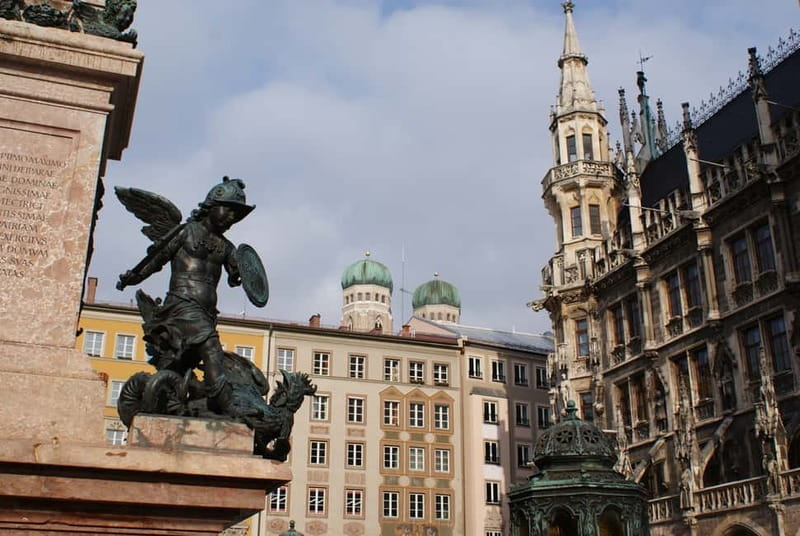
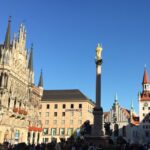
You meet at Marienplatz in central Munich, right in front of the tourist information office. The tour begins at 9:00 AM, and you’ll use Munich’s transportation system to get to Dachau. This “real local transit” approach is one of the smartest parts of the design.
Why it’s valuable: you’re not stuck waiting around or crisscrossing Munich with taxis. And because the day is tightly timed—about 45 minutes from Munich to the memorial—you get less downtime and more time where it counts.
Practical tip for your comfort: wear walking shoes. You’ll be on your feet for portions of the day, and Dachau involves sustained walking on site. Also plan for weather; the route is outdoors for parts of both halves of the tour.
Dachau Concentration Camp Memorial: 3 hours with a licensed guide
The heart of the day is your 3-hour guided visit at Dachau. The tour description is clear about the tone: Dachau is a place of remembrance, reflection, and education. You’re guided by a memorial-licensed guide, and you’re encouraged to ask questions to deepen understanding.
You’re not only shown key areas—you also get time in the museum exhibit. That’s important because a memorial visit can feel overwhelming if you rush through it like a checklist. Having dedicated museum time gives you space to process and read at your own speed, while still benefiting from the guide’s explanations.
What I’d watch for during this part of the tour: the guide’s emphasis on factual context. The goal here is not just to point at buildings and gates. It’s to help you understand what happened, what was happening there, and how that history fits into the wider story of how Nazi power operated.
One consideration: the site may adjust access due to current regulations, and the tour plan can change. If that happens, some historical information may be provided offsite with extra independent time on the grounds. So go in with a flexible mindset—this is a serious site with real-world operational rules.
Back to Marienplatz: lunch time that keeps your energy up
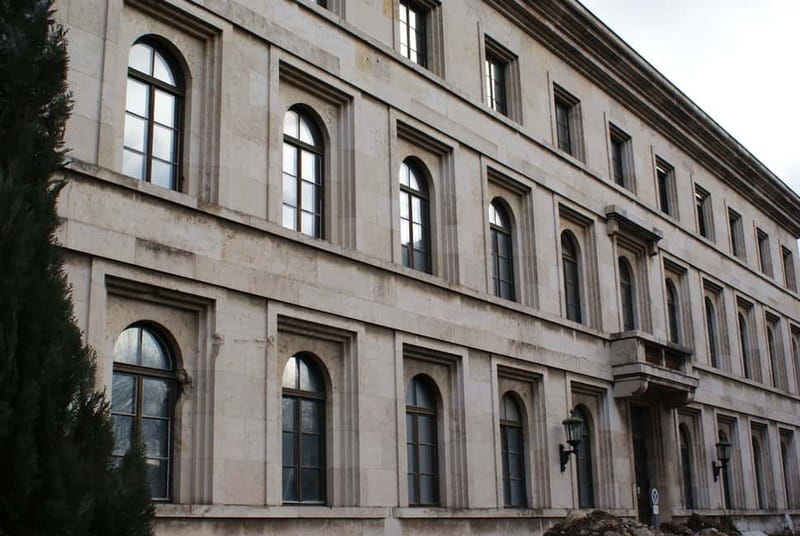
After Dachau, you head back to Marienplatz, with another about 45 minutes of transit. Then you get a short break with about 1 hour for lunch back in the center of Munich.
This break is not just for eating. It’s strategic. The day is heavy, so you need a chance to reset your brain before the walking tour begins again at around 3:00 PM. Your guide also provides suggestions for places to eat, which is useful because Marienplatz is busy and tourist-heavy. Having a local-oriented recommendation can save you time looking for something that actually fits your taste and schedule.
A practical approach: if you’re hungry, eat right away. This lunch block is one hour, so you don’t want to spend half of it comparing menus. Grab something filling, drink some water, and get back ready to walk.
Hitler-era Munich on foot: from Hofbräuhaus to Königsplatz
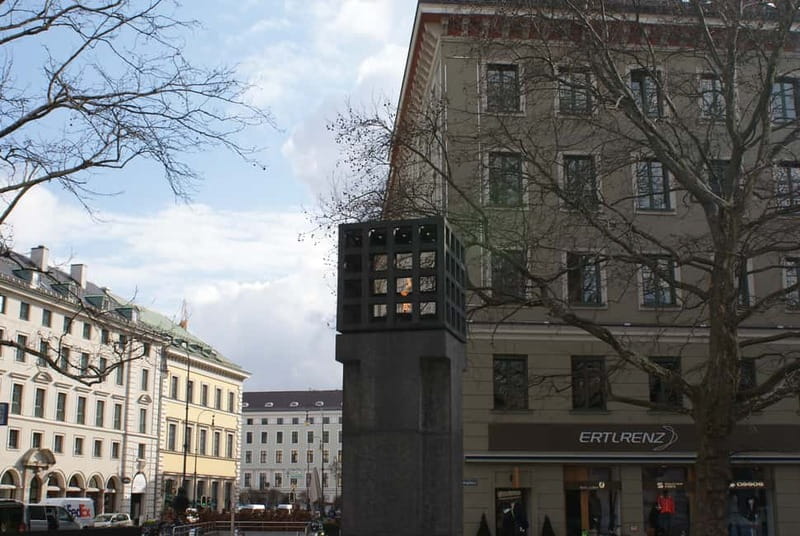
Part two takes shape as a walking tour through central Munich, focused specifically on sites tied to Hitler and the Nazi movement. You’ll start again from Marienplatz, then move through several key stops.
Along the route, you’ll cover locations that connect to pivotal Nazi moments and decisions, including:
- where Hitler joined the German Workers Party
- a November 1938 pogrom against German Jews decision point
- where the Munich Agreement was signed in 1938
These names and dates can be abstract until you see them placed into the physical geography of the city. That’s where this tour earns its keep. Even if you know the facts already, standing where decisions and public narratives played out makes the history feel concrete.
The specific stops that shape the route
Here’s how the final arc of the tour is paced:
- Marienplatz guided segment (about 30 minutes)
You get an orientation on how Munich’s central spaces connect to the Nazi story. This portion helps you read the city rather than just pass through it.
- Hofbräuhaus München (about 10 minutes)
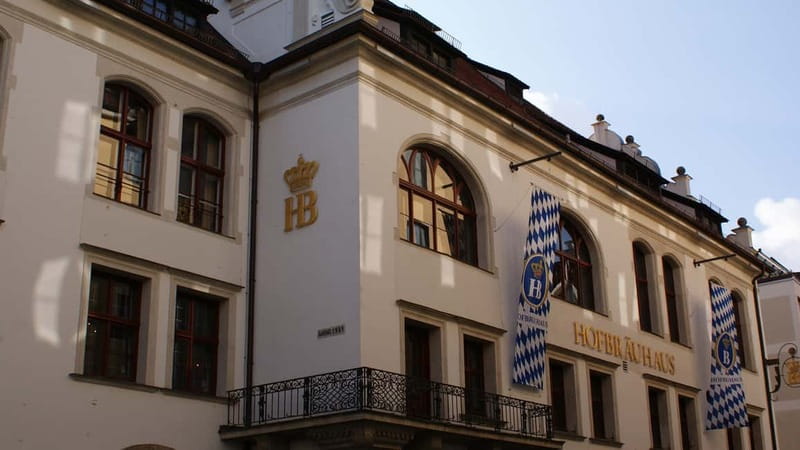
A quick but pointed stop at one of Munich’s best-known beer halls. Even without extra time for a sit-down meal here, the value is the context your guide supplies.
- Führerbau (about 10 minutes)
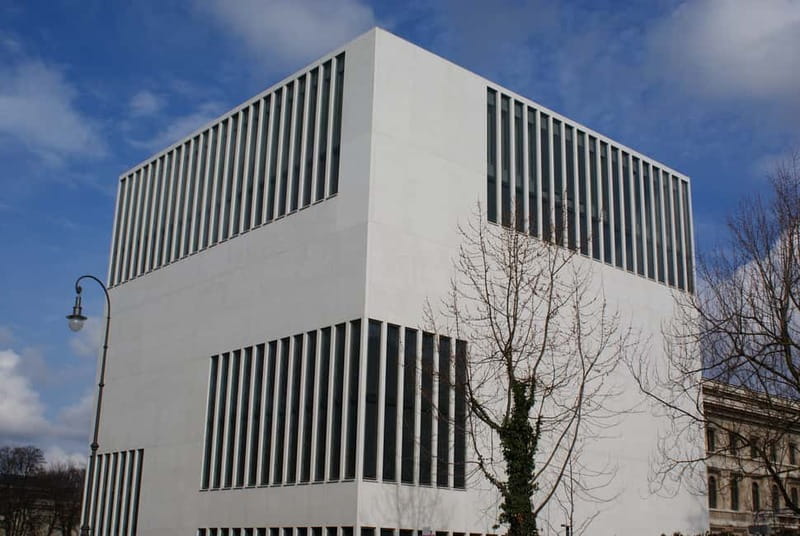
The tour includes a brief look at Führerbau, a building associated with Nazi leadership and public visibility. It’s short, but it signals that you’re moving into more direct “power optics” of the era.
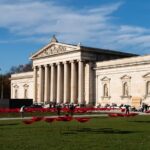
- Königsplatz (about 15 minutes)
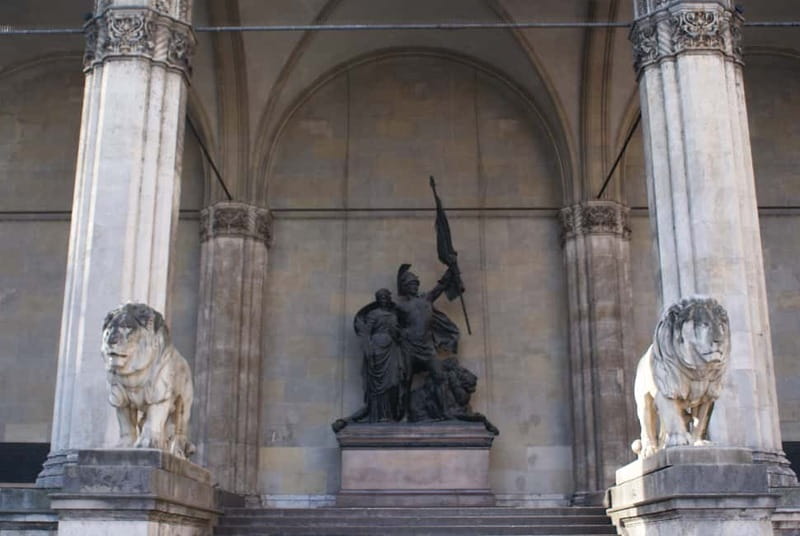
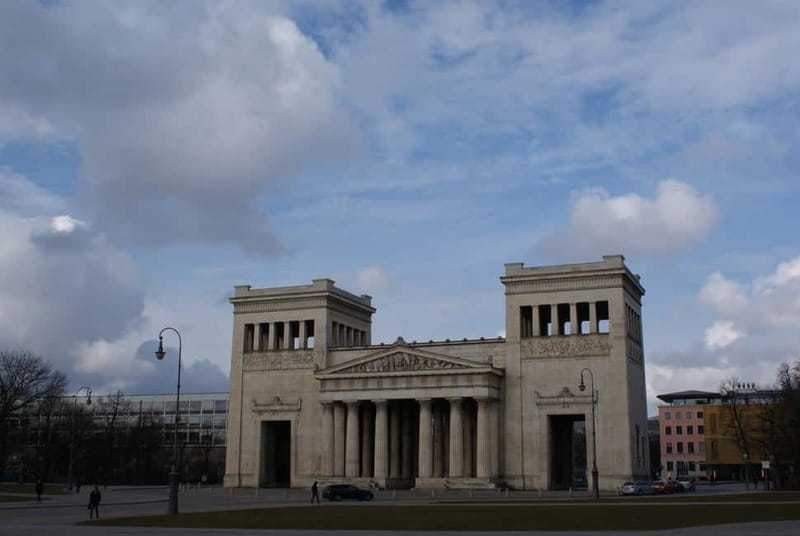
This is one of the most intense finishing stops because Königsplatz is where Nazis held rallies. The tour ties it to the Führerbau and also references the related new documentation center of National Socialism.
You finish at Königsplatz, and the day ends back at the meeting point near Marienplatz. Depending on what you prefer, you can be escorted back by train with the guide or continue on your own plan. Either way, you’re positioned to keep exploring Munich after a meaningful day.
Price and value: what $109 buys you (and what it doesn’t)
At $109 per person for an 8-hour day, this tour is priced for the kind of experience you actually want for sensitive history: trained guidance, structured pacing, and transport support during the tour window.
What’s included:
- Fully escorted with an experienced guide
- Transportation costs during the tour duration
- Dachau visit handled with a memorial-accredited guide
What’s not included:
- Meals and drinks
- Anything outside the tour duration (so you’re responsible for post-tour plans)
For value, the key is that you’re paying for two things that are hard to replicate easily on your own: (1) expert guidance at Dachau and (2) a city walking route that’s built around Nazi-related context rather than random “top sights.” You’re also paying for time management, since Dachau plus city transit plus walking would be messy if you tried to do it alone.
If you’re the kind of traveler who hates wasting time figuring out logistics mid-day—this is built for you.
Group size, rules, and comfort notes that matter
This is a small group tour, limited to 15 participants. Smaller groups change the experience. It’s easier to keep together on busy transit, and it’s easier for you to ask questions without the guide rushing to the next stop.
A few rules to plan around:
- No luggage or large bags
If you’re traveling with a big suitcase, you’ll want to think ahead about where it’s stored before tour day.
- No children under 14
This is clearly an adult-focused history experience.
- Comfortable shoes and weather-appropriate clothing
You’ll be outdoors and walking enough that your feet will notice if you show up in the wrong footwear.
From the reviews, a repeated theme is the guide’s organization in crowded trains and buses. That matters in Munich because trains and stations get hectic. A well-run small group tour keeps the day moving and protects your attention span for the subject matter.
Should you book this Dachau and Nazi Munich combination tour?
I’d book it if you want a day trip that connects two essential parts of the story with expert guidance and a realistic pace. The pairing of Dachau first plus Nazi-relevant Munich stops later is the key reason this tour works. It’s also a strong choice if you like questions and explanations, not just facts read from a sign.
I wouldn’t book it if you’re looking for a casual sightseeing day, if you can’t handle a long, serious, on-your-feet schedule, or if the idea of concentrated concentration-camp history is too heavy for your current trip mood.
If you’re in Munich and you want to understand this chapter of German history in a way that’s factual, guided, and not chaotic, this is a solid pick.
FAQ
Where does the tour start?
The tour starts at Marienplatz in central Munich, in front of the Tourist Information center.
How long is the tour?
It’s listed as 8 hours total.
What time does it begin?
The tour starts at 9:00 AM.
Is this tour available in English?
Yes. The guide is listed as English.
What about lunch and meals?
Meals and drinks are not included. You do get a break back at Marienplatz (about 1 hour) for lunch, and your guide can suggest places.
Can children join this tour?
No. Children under 14 are not permitted.