REVIEW · THIRD REICH & WWII WALKING TOURS
Munich: Third Reich & WWII Walking Tour
Book on GetYourGuide →Operated by Munich Walk Tours · Bookable on GetYourGuide
Munich can teach you the hard way. This walking tour follows how Nazi power grew across Bavaria’s capital, moving from early propaganda stops like Hofbräuhaus to the public rally spaces used for political theater. I like the way the guide connects specific dates to specific corners you can still see today, and I also like the turn to the White Rose resistance movement, so the story isn’t only about perpetrators. One caution: this is a heavy topic, and a lot of it is outdoors, so you’ll want real winter shoes and layers.
The route runs about 2.5 hours (165 minutes), and it’s structured to keep the pacing moving—short walks, frequent talking points, and a lot of context for what you’re looking at. Guides run in English or German, and you may get helpful touches for cold days; I’ve heard of hot tea, breaks for seating, and guides who make sure voices carry even when crowds get noisy.
This is not a sit-and-smile history lesson. If you’re hoping for a light overview of Munich, go do the Marienplatz stuff instead. If you want to understand how a modern city can become part of a dark system, then this walk gives you a clear path through the origins of the Third Reich.
In This Review
- Key highlights worth your attention
- Turning Munich streets into a timeline of the Third Reich
- Hofbräuhaus: the early mass meeting that made Nazism visible
- Feldherrnhalle: when propaganda tried to become takeover
- Königsplatz: the rally ground where architecture served ideology
- Hofgarten and the White Rose: resistance that broke the pattern
- Timing and pacing: how to stay comfortable for 165 minutes
- Price and value: is $31 really worth it?
- How the ending connects to what you’ll do next
- Who should book this tour, and who should skip it
- Should you book this Munich Third Reich & WWII walking tour?
- FAQ
- How long is the Munich Third Reich & WWII Walking Tour?
- Where does the tour go in Munich?
- How much does it cost?
- What languages are available for the tour?
- Is the tour wheelchair accessible?
- What should I bring?
Key highlights worth your attention
- Hofbräuhaus to Feldherrnhalle: see how mass meetings and public momentum fed political ambition
- Königsplatz rally grounds: understand why architecture mattered to propaganda
- White Rose at the Hofgarten: learn the resistance story, not just the rise
- Guides with strong delivery: many guides (like Michael, Steve, and Josh) are praised for clarity and voice
- Built for real street time: expect frequent stops and a walk that moves at a manageable pace
Turning Munich streets into a timeline of the Third Reich
Munich isn’t just pretty squares and beer halls. It’s also a stage where political movements tested ideas, recruited followers, and learned how to turn public space into power. That’s the core value of this tour: it’s a walking timeline. You trace a chain of events—Germany after World War I, the chaos in Bavaria, and the Nazi movement’s early growth—then you watch how that movement started using the city as an amplifier.
You’ll spend about 2.5 hours walking and listening, which is a good length for this kind of subject. Too long and you’ll switch off; too short and you don’t get the connections. The stops help you build cause-and-effect thinking: what happened at the time, why it worked on ordinary people, and how it fed the later nightmare.
The guides are typically praised for making the story easy to follow without turning it into a monotone lecture. Names that show up often in firsthand accounts include Michael, Steve, Josh, Alex, Florian, and Danielle—and the common thread is delivery: clear explanations, room for questions, and an emphasis on staying respectful while still telling facts plainly.
You can also read our reviews of more walking tours in Munich
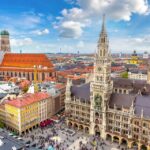
Hofbräuhaus: the early mass meeting that made Nazism visible
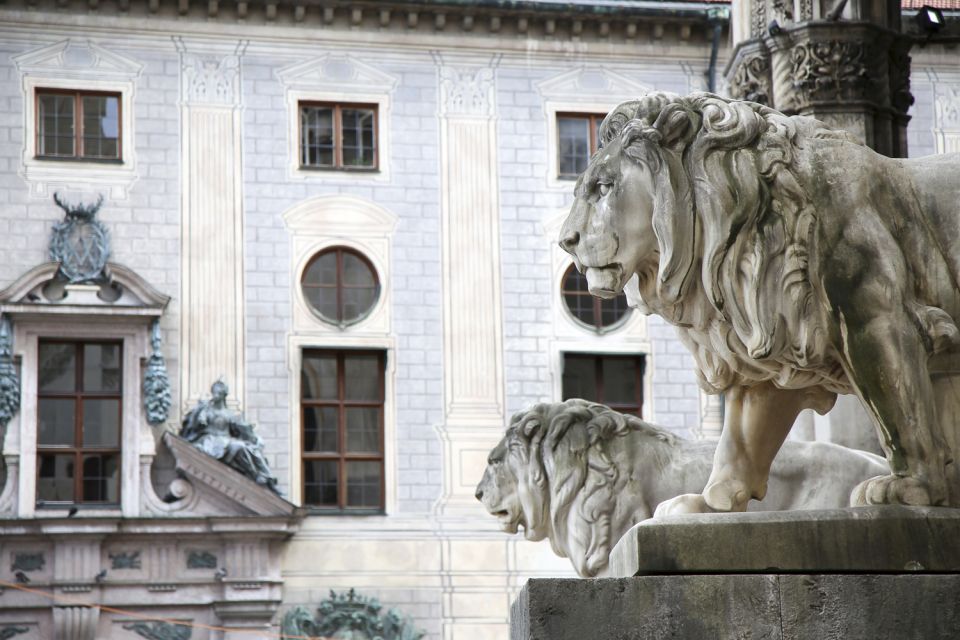
The tour starts you in a place tied to public energy: the Hofbräuhaus area. This matters because the Nazi movement didn’t rise in a vacuum. In the early post–World War I years, Munich was full of political intensity—hyperinflation, humiliation, and unrest. When the guide talks about the first mass meeting(s) associated with Hitler’s movement, you see how quickly a fringe idea can become a crowd experience.
What you’ll learn to watch for here is the human mechanism behind the dates. The story isn’t just that Nazi leaders wanted power; it’s that they found ways to spread messaging through public gatherings. In a city like Munich, where people came together often, the shift from small groups to visible mass support could happen fast.
Practical note: this stop is usually a good anchor point for understanding the rest of the route. By the time you move on, you already have a picture of how early momentum worked—so later sites like rally squares won’t feel random.
Feldherrnhalle: when propaganda tried to become takeover
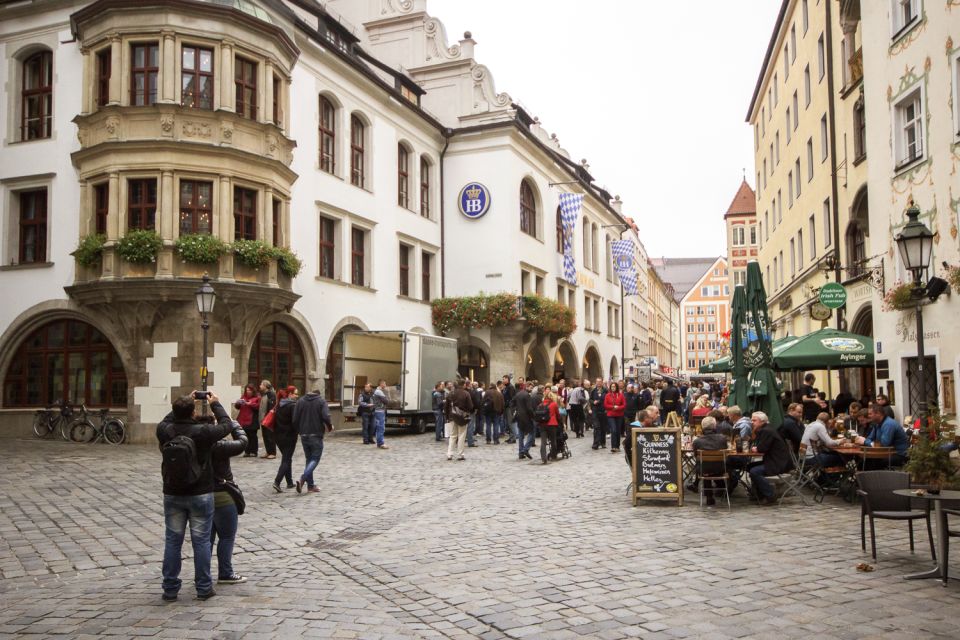
Next comes the Feldherrnhalle, a site tied to the attempted seizure of power. This is where the tour’s tone becomes even more stark, because you’re looking at a place connected to failed political force—one more step in how the movement escalated from organizing to trying to control the state.
This stop helps you make sense of a key idea: movements don’t always grow in a straight line. The Nazis tested strategies, watched what the public would tolerate, and adjusted. Even if an event fails, it can still train a movement—by hardening leadership, sharpening recruitment, and creating a myth of determination.
One reason I like this part of the walk is that it slows down the story. You’re not just being told what happened. You’re being helped to see why it mattered in the long run, including how these public moments fed the broader system that later enabled atrocity.
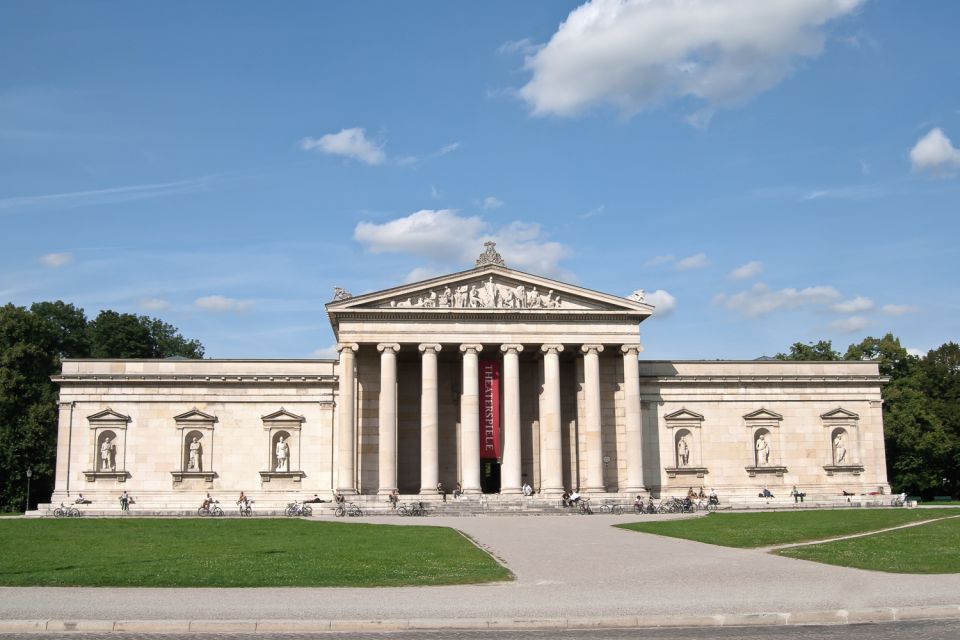
Königsplatz: the rally ground where architecture served ideology
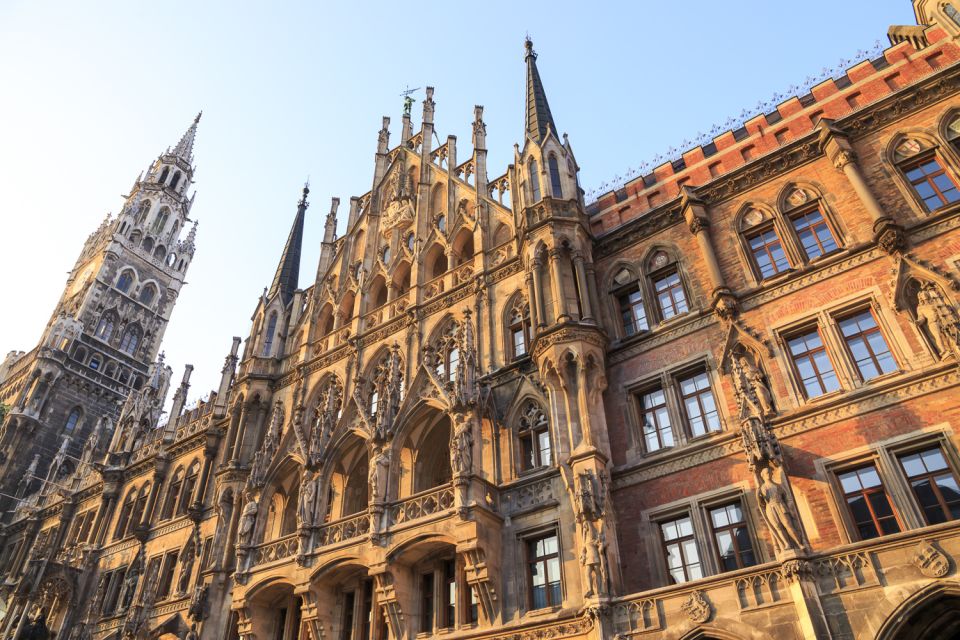
Then you reach Königsplatz, an open space that’s historically important for party rallies. This stop is valuable because it shows you that propaganda wasn’t only about speeches and posters—it also used space. The guide draws your attention to how public gatherings can make an idea feel inevitable, like it belongs to the city itself.
If you care about how political power works, this is a strong moment. You’ll start noticing details that would otherwise feel like background: scale, sightlines, and the feeling of ceremony that large gatherings can create. The tour uses the location to explain why the Nazis leaned on spectacle. They wanted legitimacy, unity, and momentum—and they needed crowds and settings that made their message feel official.
Drawback to consider: this is also the stop where the emotional load can hit hardest. You’ll be thinking about mass politics and what it led to, not just looking at an attractive square. Bring a mindset that’s ready for facts and reflection. It’s better that way.
Hofgarten and the White Rose: resistance that broke the pattern
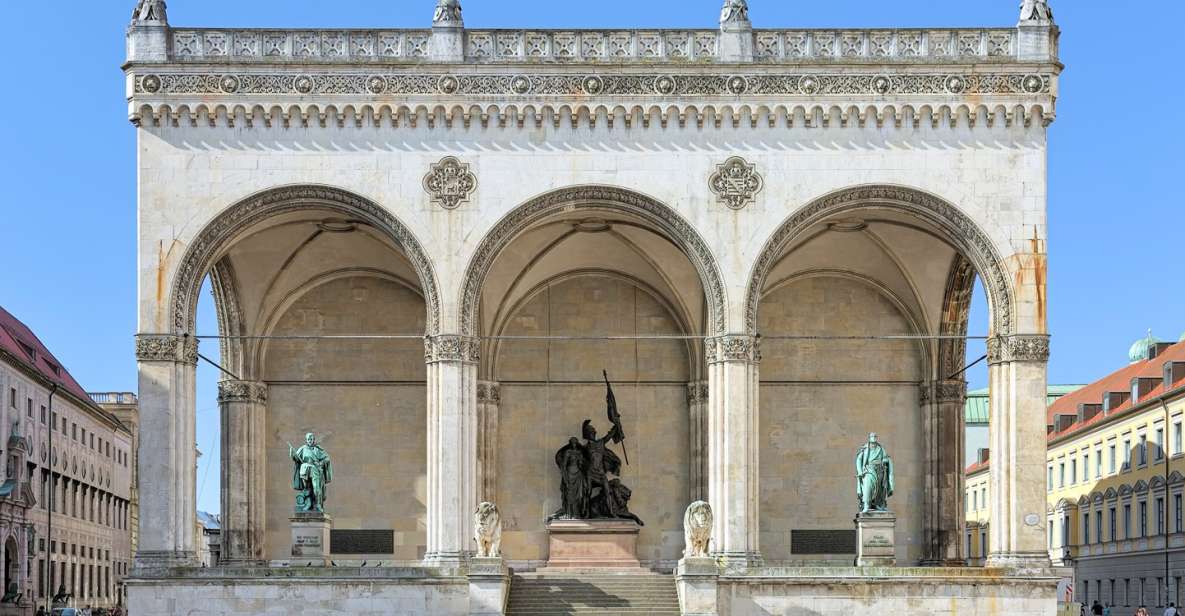
One of the most important pivots in the tour is the talk connected to the White Rose Resistance Movement in the Hofgarten area. This matters because it prevents the story from ending with dominance. You learn about people who refused the system instead of simply waiting for history to condemn it.
This part of the route is also a reminder that history isn’t only dictated by winners. Resistance can be small, brave, and costly—yet it still shapes what comes later, including how we understand moral responsibility.
I especially like that the tour doesn’t treat resistance like a footnote. It gives you a way to hold two truths at once: how a violent ideology gained power, and how some people recognized it early enough to act.
Timing and pacing: how to stay comfortable for 165 minutes
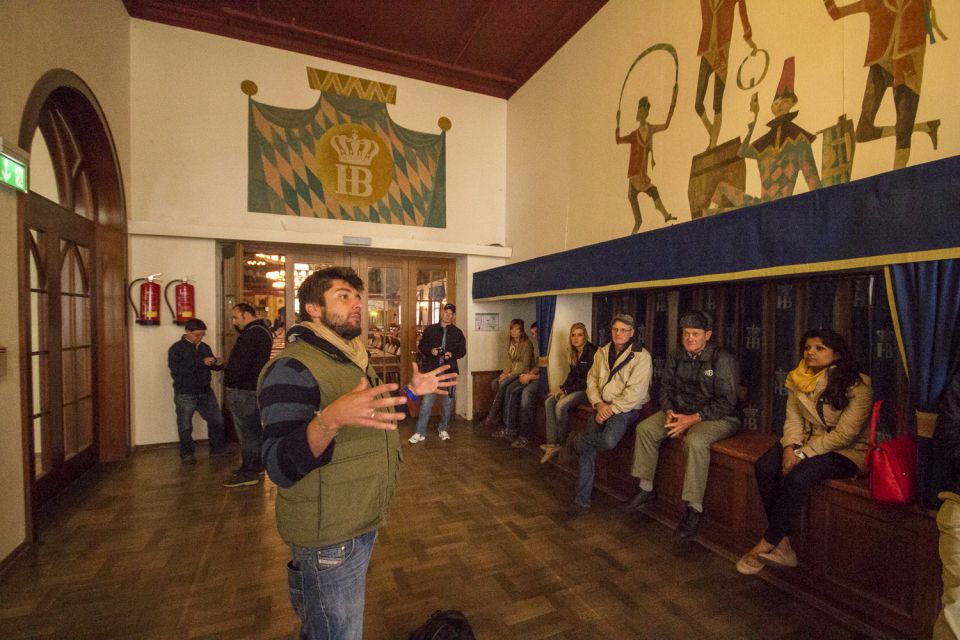
Expect a steady walk, not a hop-on-hop-off ride. The tour runs about 2.5 hours (165 minutes), and many guides keep things moving with frequent stops so you’re not stuck standing in one place for too long. On cold days, the difference between a good experience and a miserable one is usually small things—voice volume, seating opportunities, and whether the guide adjusts on the fly.
Based on real experiences with this kind of tour format, you’ll likely appreciate guides who check comfort rather than pushing the group through regardless. I’ve heard of cases where guides brought hot tea and used simple ways to help people sit comfortably during pauses. Even if you don’t get that specific touch, it’s a sign of the tour’s general approach: practical pacing plus respect for conditions.
Bring comfortable shoes for sure. And if you’re traveling in winter, dress like you plan to stand around outside and listen. You’ll enjoy it more when you’re warm enough to focus.
Price and value: is $31 really worth it?
At around $31 per person for a guided 2.5-hour walking tour, the price can feel like a bargain compared with museums or private transport—if the guide does the job well. The value here is not just access to sites; it’s interpretation.
You’re paying for three things that matter in history tours:
- A coherent storyline: you learn how events connect, not just isolated facts
- Site-based explanation: you look at real locations and understand why they mattered
- Clarity from the guide: multiple guides (like Michael and Steve) are praised for being easy to follow and for keeping the pace engaging
There’s also an intangible value that’s hard to price: the tour gives you a framework to process difficult history responsibly. That alone is worth something, especially if you’re visiting Munich for more than two days and want meaning behind the landmarks.
If you’re on a strict budget, this tour’s length helps. You can fit it into a day without losing your whole afternoon.
How the ending connects to what you’ll do next
The tour’s finishing point can vary depending on the booking details, and in some cases the walk ends near the Dokumentationszentrum München. If that’s your plan, it’s a nice pairing: the tour gives you the narrative thread, and the museum-type follow-up gives you depth and artifacts at your own speed.
If you’re sensitive to heavy material, plan one lighter activity after. Munich can feel different once you’ve seen how public space was used for mass politics. A stroll in a calmer area right afterward can help your brain switch gears.
Who should book this tour, and who should skip it
This is a good fit if:
- You want Munich history tied to real locations rather than generic facts
- You’re interested in World War II origins and how political power took root
- You like guides who tell a story clearly and answer questions
Consider skipping if:
- You want a cheerful sightseeing route
- You’re hoping for lots of indoor time (this is mostly outdoor walking)
- You’re easily overwhelmed by emotionally heavy topics
And one practical tip: if you’re visiting on a day with crowds and noise, arrive early enough to find the meeting point without stress. Some experiences mention that locating the starting spot in a busy center can be tricky, even when the tour runs well once you’re there.
Should you book this Munich Third Reich & WWII walking tour?
Yes—if you want a street-level understanding of how Nazism took shape in Munich and how resistance like the White Rose fits into the same moral picture. This is value for time: 2.5 hours that connect sites you’d otherwise see as just buildings and plazas.
Pick it especially if you appreciate guides who can keep a difficult story readable and respectful—names like Michael, Steve, Josh, Alex, and Danielle come up often for strong delivery. And go prepared for the emotional weight. The tour does not sugarcoat the subject; it helps you see the pathway from political rise to catastrophe.
If you’re the type who likes to build context before you explore on your own, this one is a smart first step. Then you can move through Munich with clearer eyes.
FAQ
How long is the Munich Third Reich & WWII Walking Tour?
The duration is 2.5 hours, listed as 165 minutes.
Where does the tour go in Munich?
You’ll visit key sites tied to the Nazi rise to power, including the Hofbräuhaus, Feldherrnhalle, and Königsplatz, plus a stop in the Hofgarten connected to the White Rose Resistance Movement.
How much does it cost?
The price is listed as $31 per person.
What languages are available for the tour?
The tour is offered in English and German.
Is the tour wheelchair accessible?
Yes, it’s listed as wheelchair accessible.
What should I bring?
Wear comfortable shoes.