REVIEW · HISTORICAL TOURS
Munich: Historical Walking Tour on the Rise of Hitler
Book on GetYourGuide →Operated by Munich Stories · Bookable on GetYourGuide
Hitler’s story starts on everyday streets. This Munich walking tour uses city landmarks to explain how the Nazis rose, turn by turn, with Alex guiding from a local’s perspective. I like the way the tour stays chronological, so the timeline makes sense without feeling like homework.
Two things I especially appreciate: Alex’s clear context (he answers questions and slows down when you need it), and the tour’s focus on the buildings and squares shaped by National Socialism that still frame Munich today. One consideration: the tour runs in German, so if you don’t speak it, you may miss a lot of the nuance.
In This Review
- Why This Walk Hits Different in Munich
- Key Stops and What Makes Them Matter
- Starting at Marienplatz: the Tour’s Best Place to Get Oriented
- Alex’s German-Language Storytelling: Smart, Funny, and Not Superficial
- Nazi Buildings on Foot: How Architecture Becomes a Propaganda Tool
- The Chronological Route: Why the Timeline Feels Clear
- When Power Goes Public: Speeches, Parades, and Forced Attention
- Wartime Munich and the Aftermath: Understanding the City’s Survivals
- How the 2.5 Hours Really Works for Your Day
- Price and Value: What You’re Paying For at $30
- Who This Tour Suits Best
- My Honest Call: Should You Book?
- FAQ
- Where is the meeting point?
- How long is the tour?
- How much does it cost?
- What language is the tour in?
- Is hotel pickup included?
- Does the tour run in bad weather?
- Is the tour wheelchair accessible?
- What should I bring?
- Can I cancel and get a refund?
Why This Walk Hits Different in Munich
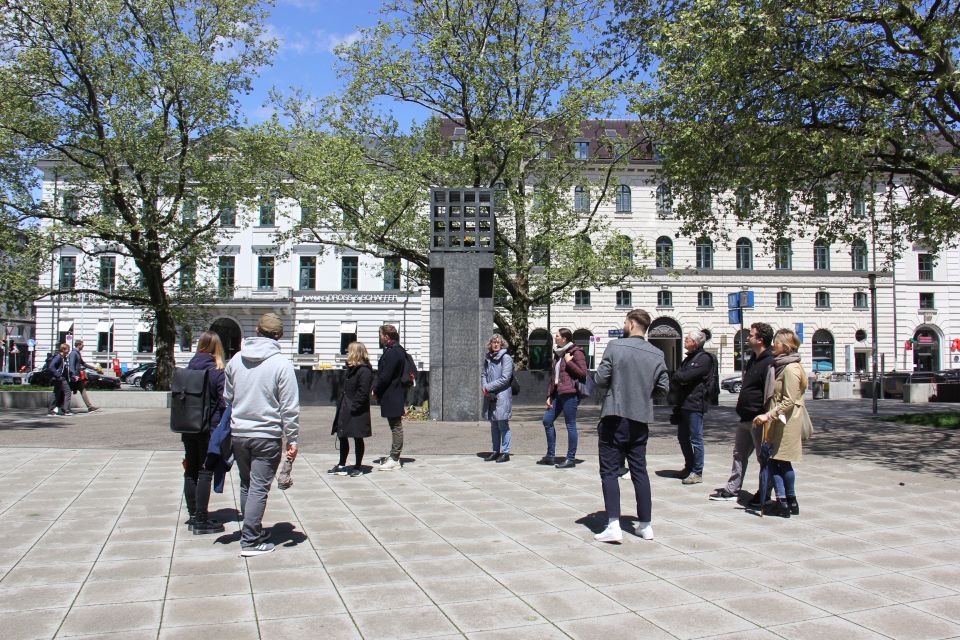
You’re not looking at a museum label and moving on. You’re walking through Munich’s public spaces, where everyday architecture carries serious memories. The “peaceful and open-minded” city image can feel real, right up until the guide points out how this place became a launchpad for Nazism.
And yes, it’s a heavy topic. Still, Alex keeps it human—serious, but not joyless. That balance matters, because you’ll get the facts without the cold lecture tone.
Key Stops and What Makes Them Matter
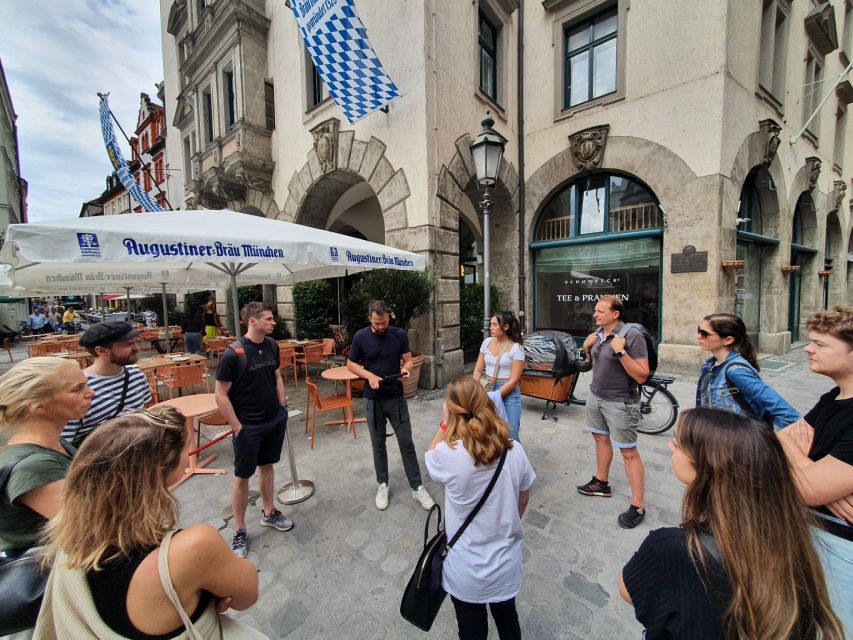
- Marienplatz orientation: you start in Munich’s central heart and quickly get the historical frame
- First-speech and early-rally context: the tour explains how early propaganda took hold
- Nazi building boom legacy: you see how propaganda architecture still shapes the cityscape
- Squares for parades and power: you connect public space to staged political theater
- Wartime Munich impacts: the route includes how bombing and war changed the city
- Alex’s local storytelling: his Munich background turns dates into cause and effect
You can also read our reviews of more walking tours in Munich
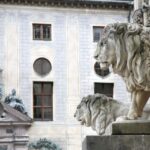
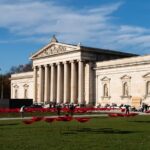
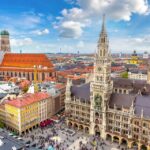
Starting at Marienplatz: the Tour’s Best Place to Get Oriented
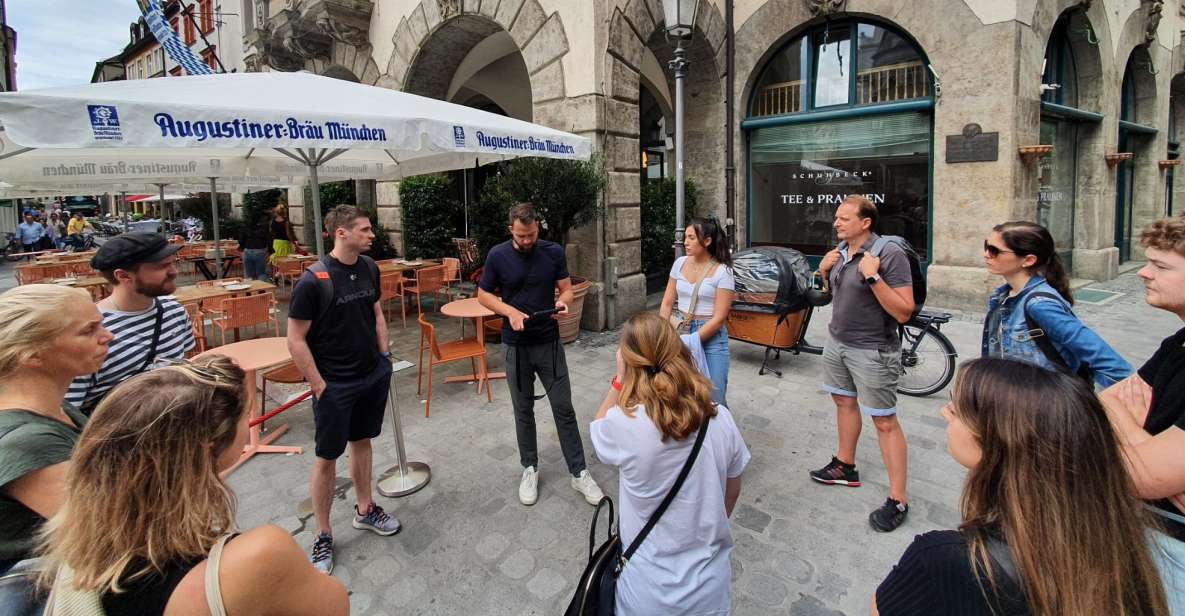
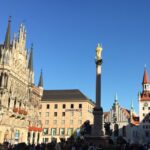
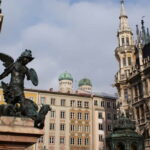
Most people begin Munich with postcard views. This tour begins at Marienplatz, at the Marian Column—the large column with the small golden statue in the middle of the square. It’s a smart starting point because Marienplatz is where you naturally orient yourself anyway. From there, Alex builds a path through the rise of Hitler and the Nazi movement.
Right away, you learn the core idea: Munich wasn’t just “in the background” of Nazi history. It helped power it. Alex connects the physical layout of the city to the political story—where public moments happened, where mass attention gathered, and how that momentum fed a national movement.
You’ll also appreciate that the tour runs rain or shine. That means you should be ready for real street walking in real weather. Bring comfortable shoes and plan to keep your focus even if the day is gray.
Alex’s German-Language Storytelling: Smart, Funny, and Not Superficial
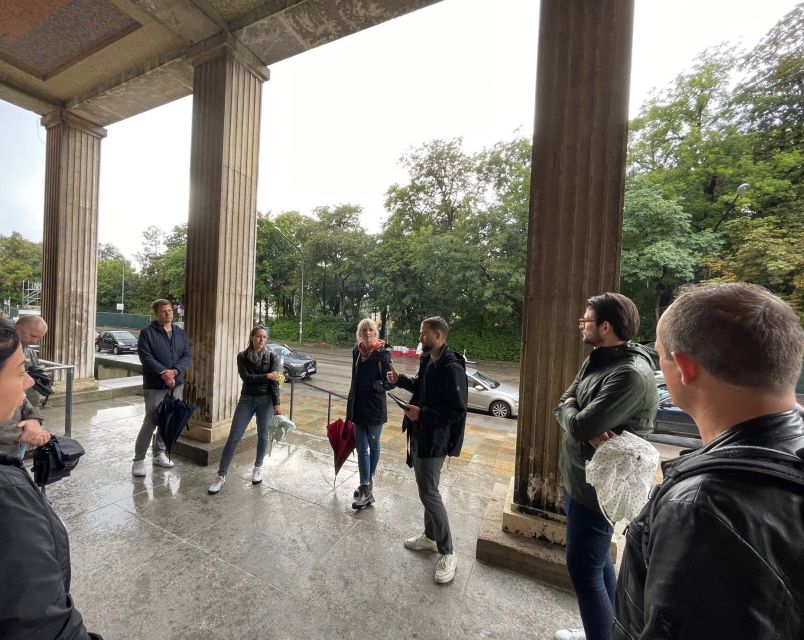
The guide is Alex, a Munich-born and raised professional tour guide, age 32, with a long-standing involvement in this topic since youth. He doesn’t present this as a trivia hunt. He’s there to help you understand how National Socialism became possible—and how fast it escalated.
In the better parts of the experience, Alex does two things well:
- He gives context, not just claims. You’re not only told what happened—you’re guided through why it mattered.
- He manages tone. Reviews describe the tour as serious without becoming preachy, and they note that Alex keeps the experience fun in a controlled way. That matters because a guided walk about the Third Reich can easily turn into gloomy silence. Here, you still get gravity, but you don’t get stuck in numbness.
Another practical advantage: Alex builds in short pauses and answers questions. If you’re the kind of person who needs the story to click before you move on, this is the right format.
One note to set expectations: the tour is in German. The tour guide does offer a lively, local explanation, but you’ll want to understand enough language to follow it. If you don’t, consider pairing this with some pre-reading about Munich under the Nazis.
Nazi Buildings on Foot: How Architecture Becomes a Propaganda Tool
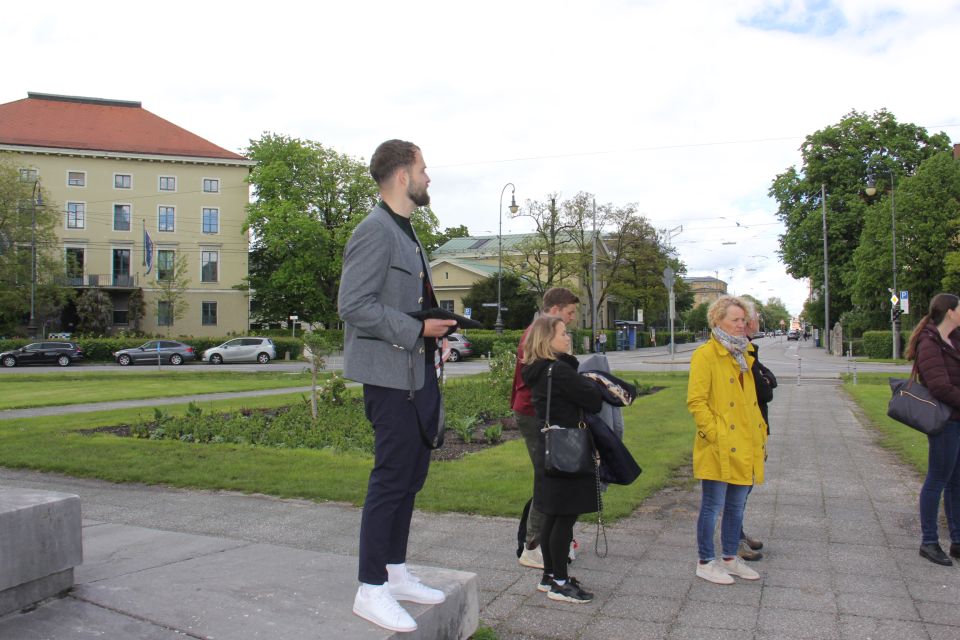
A big reason this tour works is that it doesn’t treat history as abstract. It treats it as something built—literally.
The route includes the most important buildings and squares that were built by the National Socialists or were used in problematic ways, including misuse connected to worship. You walk past structures that acted like stage sets. They were designed for public messaging, mass participation, and the feeling that the regime was everywhere—visible, permanent, and inevitable.
Alex also explains something many visitors miss: after Hitler linked Munich to the movement, a kind of building boom followed. The important point isn’t just that buildings were constructed. It’s that the Nazis understood how to use stone, symbols, and public space as political language. Much of that propaganda architecture survived the war, and today it still shapes the cityscape. That’s why this walk feels so grounded—because you’re seeing the afterlife of propaganda in real streets.
You’ll get a better read on Munich’s look once you understand the “why” behind it. The buildings aren’t just old. They’re witnesses.
The Chronological Route: Why the Timeline Feels Clear
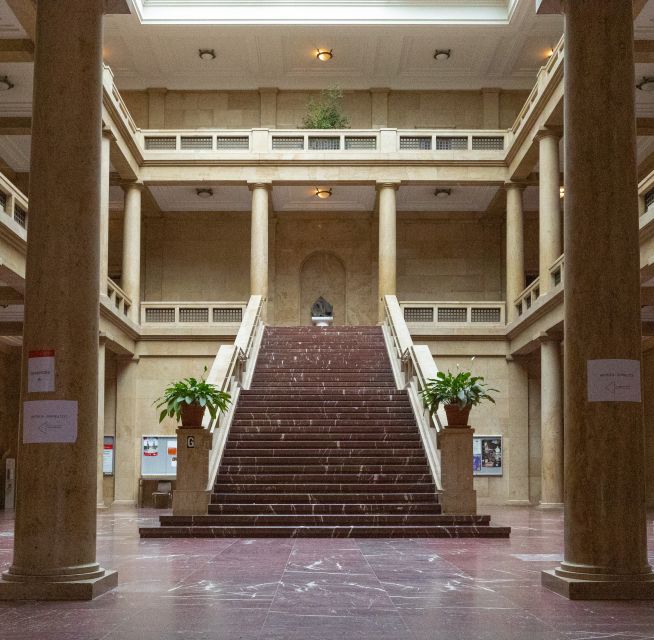
A common problem with darker history tours is that they become a random pile of scenes. This one is set up so you can track the rise in order, step by step, to see how momentum built.
Alex keeps the tour chronological to match the historical events. That structure helps in two ways:
- It makes the story easier to follow. You see how early steps turned into bigger public displays.
- It prevents the common mistake of treating the Nazi rise as a single moment. Instead, you see it as a sequence of choices, propaganda, and public spectacle.
You’ll also hear how Munich was crucial because this is where an unknown Austrian soldier became the feared dictator of the Third Reich. Munich was recognized later with the nickname tied to the movement—described on the tour as an honorary title. The takeaway isn’t about catchy slogans. It’s about legitimacy—how the Nazis rewarded the city that helped them grow.
As you move through the squares tied to speeches and parades, you’ll start noticing how the public realm works: it’s easy to imagine crowds, chants, and the energy of mass politics when you stand in the right place.
You can also read our reviews of more historical tours in Munich


When Power Goes Public: Speeches, Parades, and Forced Attention
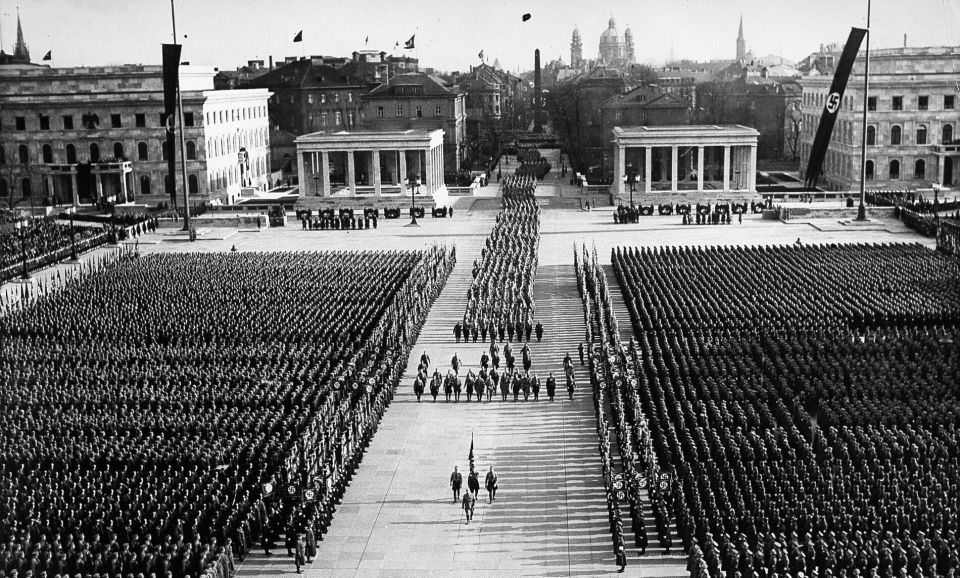
The tour doesn’t only cover buildings. It covers the public performance of power.
You visit places associated with where Hitler held his first speech, where Nazis celebrated parades, and where Munich had to endure bombing war. Even without exact museum-style displays, these are the kinds of locations where your brain naturally fills in what public politics looks like—because it’s built for it.
This is where Alex’s local knowledge becomes more than narration. He helps you connect the dots between how regimes recruit attention and how crowds can be guided. The goal isn’t to scare you; it’s to show you the mechanics.
If you like history that explains human behavior—how ideology spreads through public life—this section will likely feel like it has direct relevance. Not in a trendy way, but in a practical way. You’ll leave seeing how public spaces can be used to control emotion and belief.
Wartime Munich and the Aftermath: Understanding the City’s Survivals
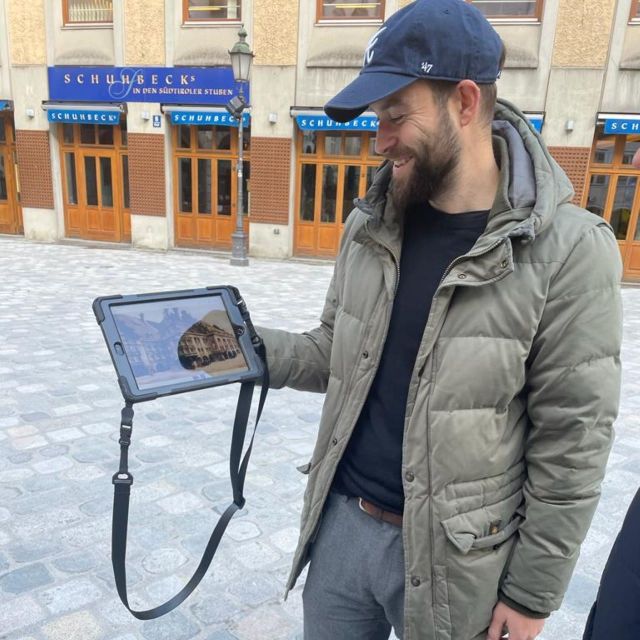
One of the hardest parts of this tour is also one of the most valuable: you learn how Munich experienced bombing war and how the city changed.
The key point is that the propaganda buildings often survived. That survival matters because it affects how the city carries memory today. Standing in front of certain structures, you get the uncomfortable contrast: a place can still look intact while the events behind it were destructive and inhuman.
Alex’s approach here is important. This isn’t “look how terrible it was.” It’s “look how the world kept going, even after the harm.” That helps you understand why remembrance isn’t automatic. You have to practice it—through storytelling, education, and careful attention to what’s in front of you.
How the 2.5 Hours Really Works for Your Day
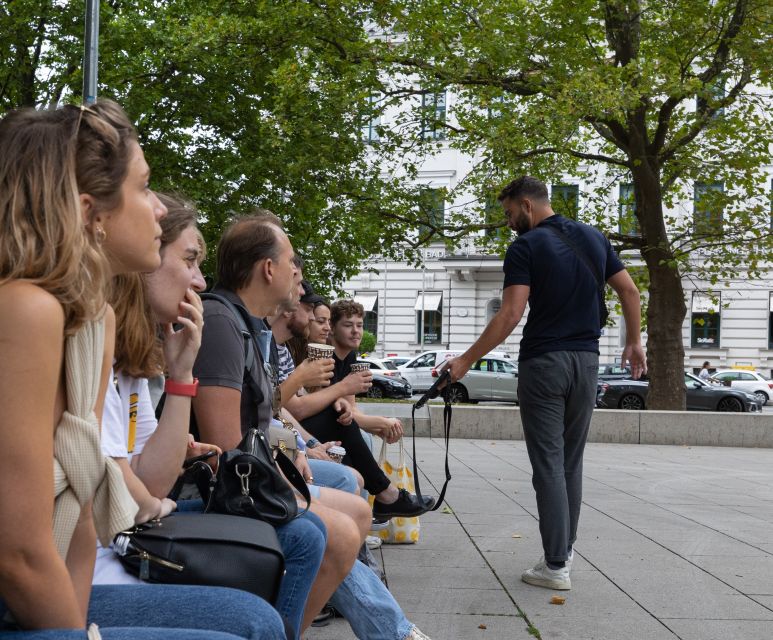
This tour lasts 2.5 hours. That length is long enough to build a meaningful narrative, but short enough that you’re not dragging through the whole day feeling overloaded.
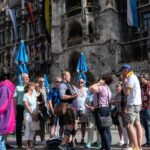
Because it’s a walking tour, timing matters. Plan to arrive a few minutes early and keep your phone battery up for map checks. The meeting point is Marienplatz at the Marian Column, in the center of a major square, so you’ll have plenty of visual landmarks—but it can still get busy.
Also, remember the pace: the guide may include short pauses and time for questions. That’s a plus, not wasted time. It keeps you from tuning out during the heavier parts.
Price and Value: What You’re Paying For at $30
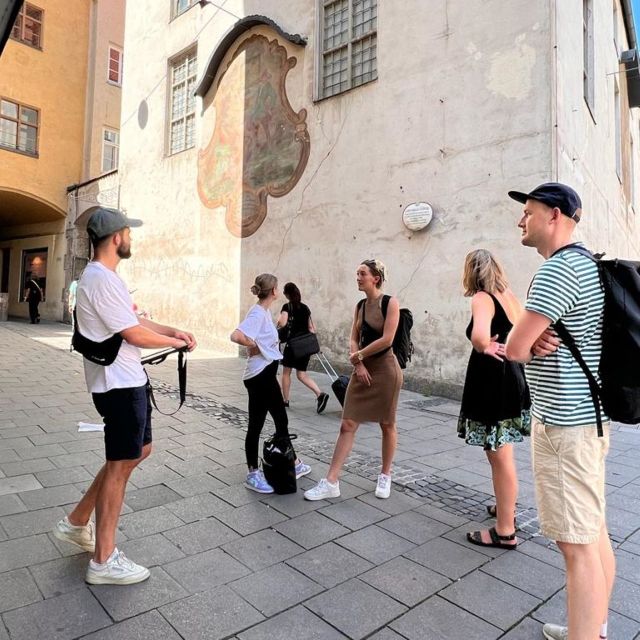
The price is $30 per person for a guided walk lasting 2.5 hours. In Munich, that’s not the cheapest option, but it’s also not an inflated “specialty tour” price that feels disconnected from local value.
Here’s what makes the cost feel reasonable:
- You’re paying for a local professional guide with deep commitment to the subject
- You’re getting a structured timeline, not random sightseeing stops
- You get personal recommendations to explore Munich like a local
- The tour is built around high-impact public spaces, where context turns architecture into meaning
You’re also buying into a specific style of remembrance: it’s educational, balanced, and designed so people can participate without needing to be history specialists. If you’ve been to Munich before, the tour can still be a surprise; locals can learn new angles, not just the usual “old town” facts.
If you want a quick comparison: this isn’t about collecting photos. It’s about collecting understanding.
Who This Tour Suits Best
This tour is a strong match if you:
- Want Munich history with real context and a clear timeline
- Care about how politics uses public space and symbolism
- Prefer a guide who answers questions and adjusts to your pace
- Are comfortable with a serious topic, told thoughtfully
It may be less ideal if you:
- Only speak English and can’t follow German well
- Want a light, purely scenic walking tour
- Get uncomfortable with guided discussion of Nazi-era events and their impact
That said, multiple write-ups emphasize that the experience can still feel lively—Alex balances seriousness with humor and includes small moments of human warmth, without skipping the facts.
My Honest Call: Should You Book?
Yes—if you can handle a serious subject and you’re okay doing it in German. The value sits in the guide (Alex), the structure (chronology), and the method (reading the city’s buildings as evidence).
If you’re looking for a quick “see the sights” walk, this won’t be that. But if you want to understand why Munich earned that grim association with the Nazis, and how the cityscape still carries the fingerprints of that era, this guided walk is one of the most effective ways to learn it.
FAQ
Where is the meeting point?
Meet your guide at Marienplatz, at the Marian Column (the large column with the small golden statue in the middle of the square).
How long is the tour?
The tour lasts 2.5 hours.
How much does it cost?
It costs $30 per person.
What language is the tour in?
The live guide speaks German.
Is hotel pickup included?
No, hotel pickup is not included.
Does the tour run in bad weather?
Yes. The tour takes place rain or shine.
Is the tour wheelchair accessible?
Yes, it is wheelchair accessible.
What should I bring?
Bring comfortable shoes.
Can I cancel and get a refund?
Yes. You can cancel up to 24 hours in advance for a full refund.