REVIEW · ROYAL PALACE TOURS
Munich: Nymphenburg Palace with official Guide
Book on GetYourGuide →Operated by schwarzgold.info - Wolfgang Brehm · Bookable on GetYourGuide
Baroque drama starts before you even enter. With an official Munich city guide, Nymphenburg Palace turns into one easy-to-follow story, from a 17th-century love beginning to the grand Baroque additions that shaped the Wittelsbach court.
I really like two things here. First, the focus on how the palace was actually used makes the rooms feel purposeful, not just impressive. Second, the guide style of Wolfgang Brehm brings the Wittelsbach electors and kings to life with clear, organized details and a lot of colorful background.
One possible drawback: palace entry tickets are not included, so you’ll want to buy online before your tour time.
In This Review
- Key takeaways before you go
- Nymphenburg Palace is huge, so a real guide makes it make sense
- Wolfgang Brehm’s style, and why private groups work here
- Start outside: the 17th-century love story and Baroque additions
- Stone Hall: the ceremonial space you should picture in context
- Elector and Electress rooms: power made personal
- Galleries and the Queen’s apartment: where art supports authority
- Signature rooms: the Gallery of Beauties and Ludwig II’s Birth Room
- Tips that make the visit smoother (and protect your enjoyment)
- Price and value: is $259 per group worth it?
- Should you book this Nymphenburg Palace official guide tour?
- FAQ
- Are palace entry tickets included in this tour price?
- How long is the guided tour?
- What languages does the live guide speak?
- Where do I meet the guide?
- Is the tour wheelchair accessible?
- Does the tour run in bad weather?
Key takeaways before you go
- Official Munich guide with English or German: You get a live narrator, not a generic script.
- A 17th-century origin story: The tour starts outside with the love-story setup for the palace.
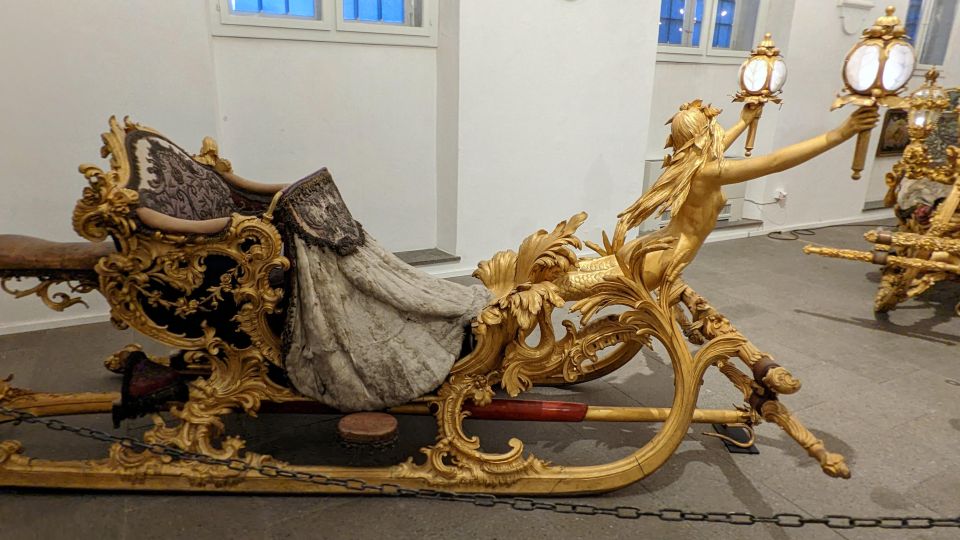
- You hit the palace highlights in 90 minutes: Stone Hall, key elector/electress rooms, galleries, and signature interiors.
- Wittelsbach rule explained through rooms: You learn who lived where and why it mattered.
- Practical “how to enjoy it” mindset: Lockers, restrooms, and photo-friendly guidance help you move smoothly.
- Small private group feel: Up to 15 people, which keeps questions from getting lost.
Nymphenburg Palace is huge, so a real guide makes it make sense
Nymphenburg is the kind of place where the scale can overwhelm you. The palace complex spreads out in a way that’s easy to admire from the outside but harder to interpret on your own. That’s where an official city guide earns its keep: you’re not just looking at rooms, you’re learning how the Wittelsbach rulers built meaning into the space.
The tour’s format is also the right size for most visits. In about 90 minutes, you get a structured walkthrough that connects exterior origins to later Baroque expansions. You also get the cause-and-effect behind the interiors, which helps you remember what you saw once you’re back in Munich.
You can also read our reviews of more guided tours in Munich


Wolfgang Brehm’s style, and why private groups work here
This tour runs as a private group (up to 15), which changes the vibe. The guide can keep pace with the group and actually answer questions instead of rushing to cover everything for a crowd. I like that in palaces: it’s not just about seeing; it’s about asking why things were designed the way they were.
The guide language options are German and English, and the tour is described as rain or shine. You’ll meet in front of the main entrance, and it’s smart to arrive about 10 minutes early so you don’t feel chased by timing.
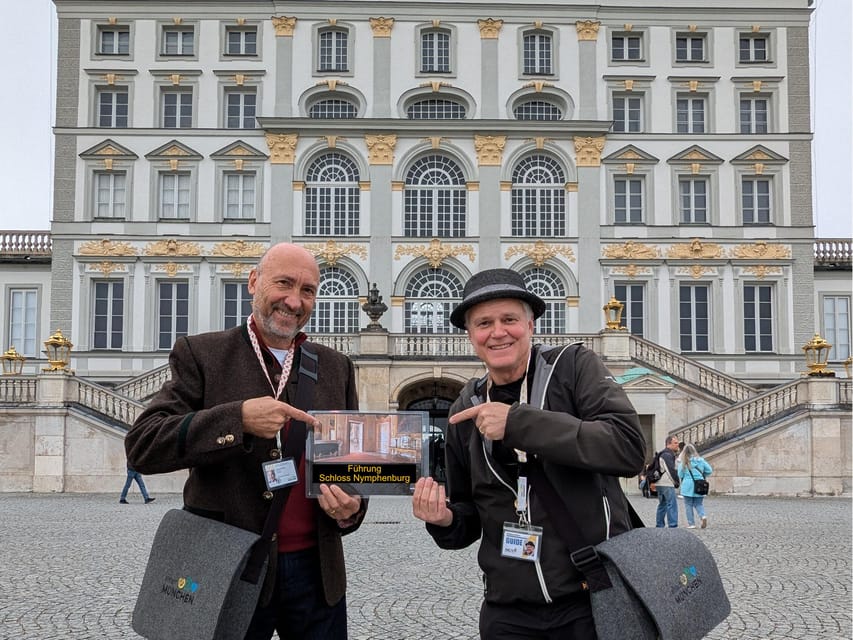
Based on the guide experiences shared with this tour, Wolfgang Brehm comes across as friendly and engaging, with strong English and a habit of organizing details so they stick. People also appreciated his ability to answer follow-up questions and even help with photos, which is a small thing that can make a big difference on a first palace visit.
Start outside: the 17th-century love story and Baroque additions
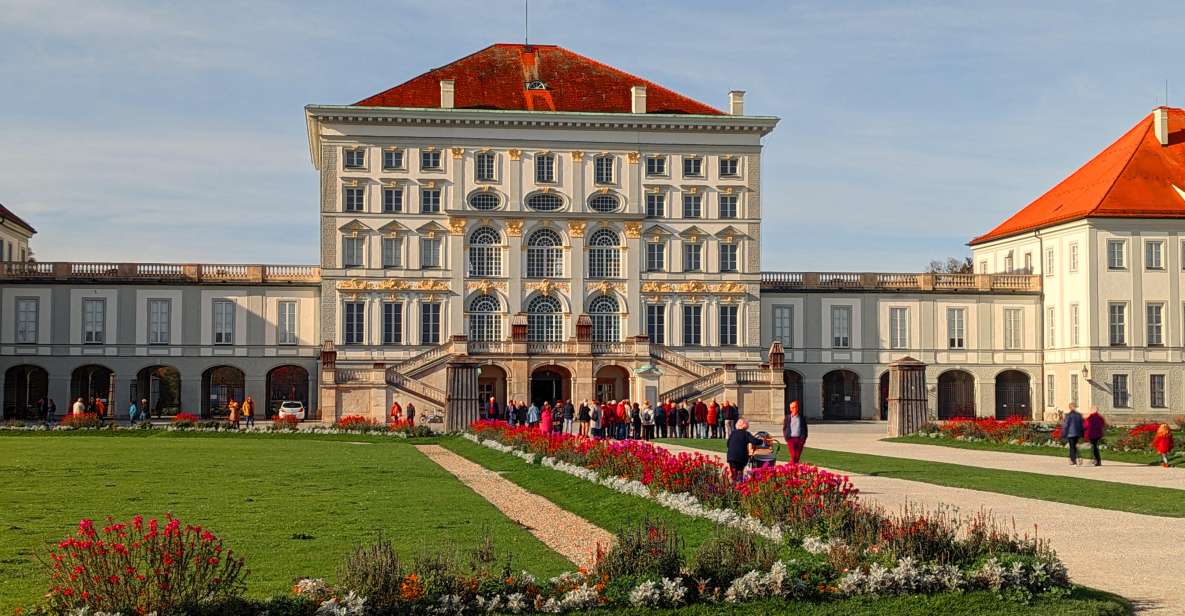
You begin at the palace entrance area and start with the origin story before you go inside. That’s a smart move, because Nymphenburg isn’t just a random castle stop. You get a 17th-century love story that sets the stage for why the palace began, and then how later Wittelsbach electors added layers over time.
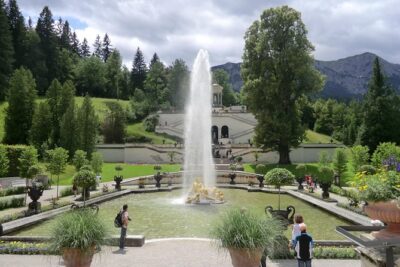
The tour explains how Baroque additions followed the initial idea, so you’re not seeing one uniform style. You’ll also hear about the current use of the palace complex, including the note that the castle is over 600 meters wide. Even if you don’t walk the entire length, that number helps you understand why a guided route matters.
Drawback to consider: if you’re the type who prefers quiet, unstructured wandering, the opening narrative might feel a bit “talk-first.” For most people, though, it’s exactly what makes the interiors click.
Stone Hall: the ceremonial space you should picture in context
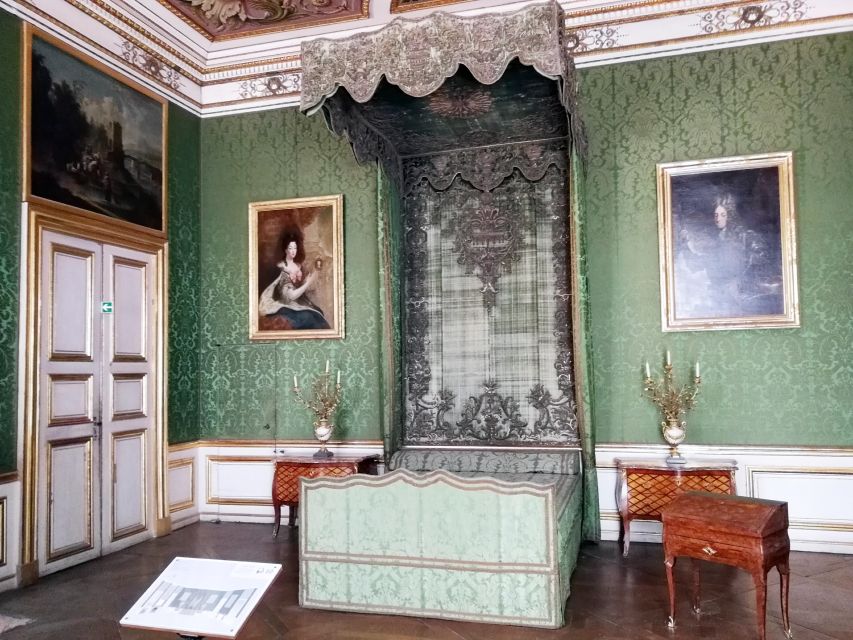
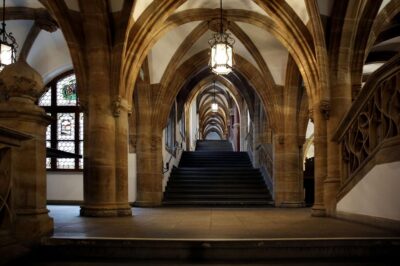
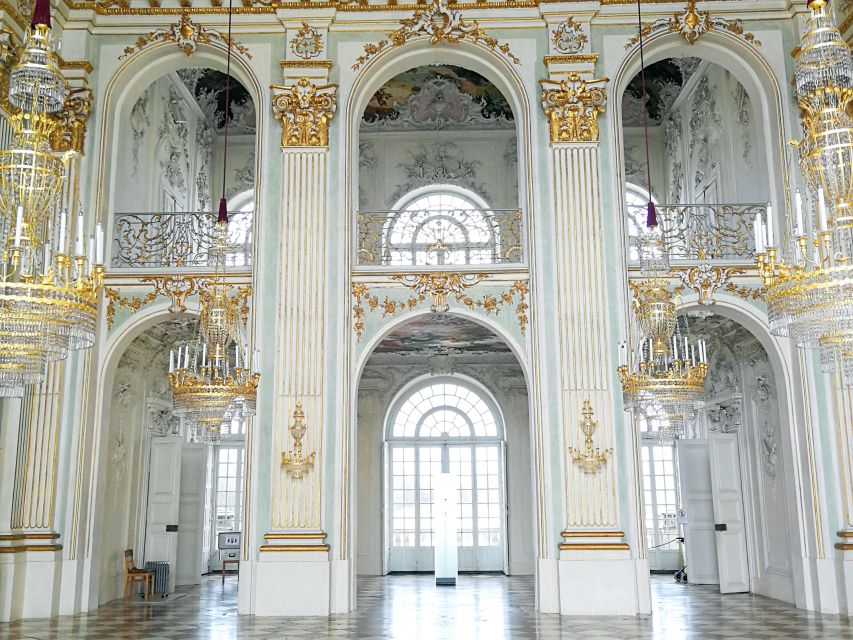
One interior highlight is the Stone Hall, described as the ceremonial hall of the castle. Seeing it without context is fine, but with context it changes. You start to imagine the kind of events it was meant to support and how ceremony was staged through architecture and room layout.
In this part of the tour, the guide’s job is basically translation: you’re learning how form served function for the Wittelsbach court. The palace isn’t only about decoration; it’s about status and signaling. Once you understand that, you tend to notice more than just pretty details.
If you love architecture, this is a good stop. If you’re mostly there for stories, it still works, because the Stone Hall is used here as a gateway into how rulers wanted to be seen.
Elector and Electress rooms: power made personal
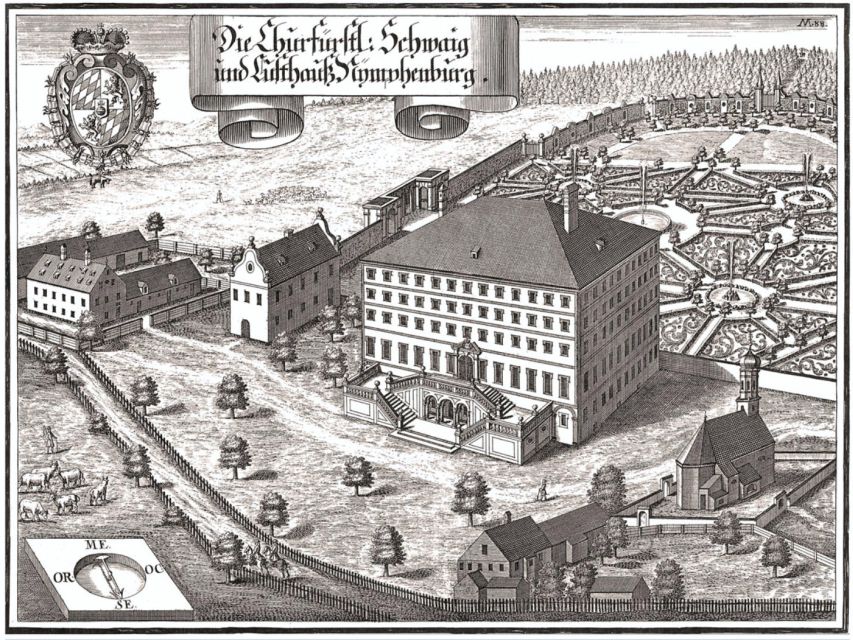
After the ceremonial centerpiece, the tour moves through the rooms tied to the Wittelsbach leadership—specifically the rooms of the Elector and the Electress. That split matters. It helps you understand that “the ruler” wasn’t one single figure in every story. Court life often involved parallel roles with different responsibilities, social needs, and public representation.
The guide’s narrative in these rooms typically does more than list names. It connects the spaces to who belonged there and how daily life and official image played out through the palace.
I also like that this isn’t just one big tour of “cool rooms.” You get a sense of hierarchy and gendered court roles through the tour’s sequence: ceremonial first, then leadership living spaces, then the more public viewing galleries and royal apartments.
Potential drawback: the palace interiors can feel busy if you rush. This tour keeps pace moving, but it’s still worth taking a breath in each key room so you can lock the story in your head.




Galleries and the Queen’s apartment: where art supports authority
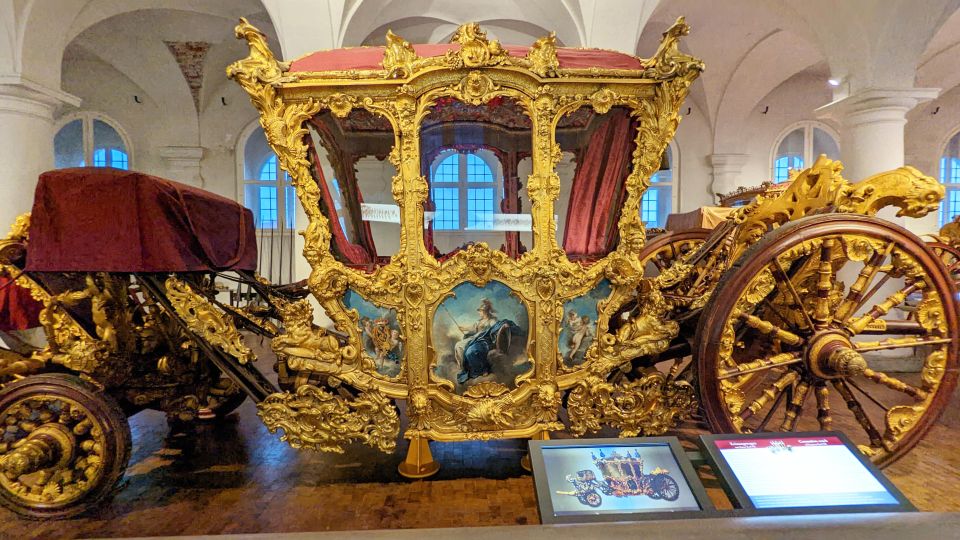
Next come the galleries and then the apartment of the Queen. Galleries in palace design often do double duty: they display art, and they create a controlled path for visitors and court movement. In this tour, the guide uses those transitions to keep the story moving rather than letting you get stuck wondering where to look next.
The Queen’s apartment portion is especially important if you want the palace to feel connected to real people, not just a museum layout. You’re learning how the residence functioned and what the court chose to showcase.
From what people described, Wolfgang Brehm also connects the visit to wider Munich context—like pointing out links between the palace experience and street names and buildings you’ll see elsewhere. That kind of cross-connection is useful because it helps you stop thinking of Nymphenburg as an isolated attraction.
Signature rooms: the Gallery of Beauties and Ludwig II’s Birth Room
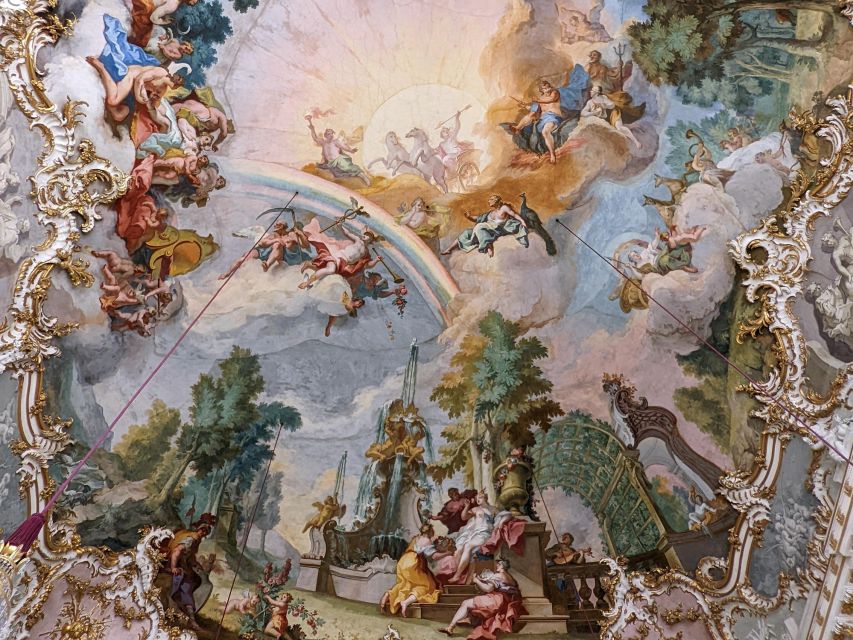
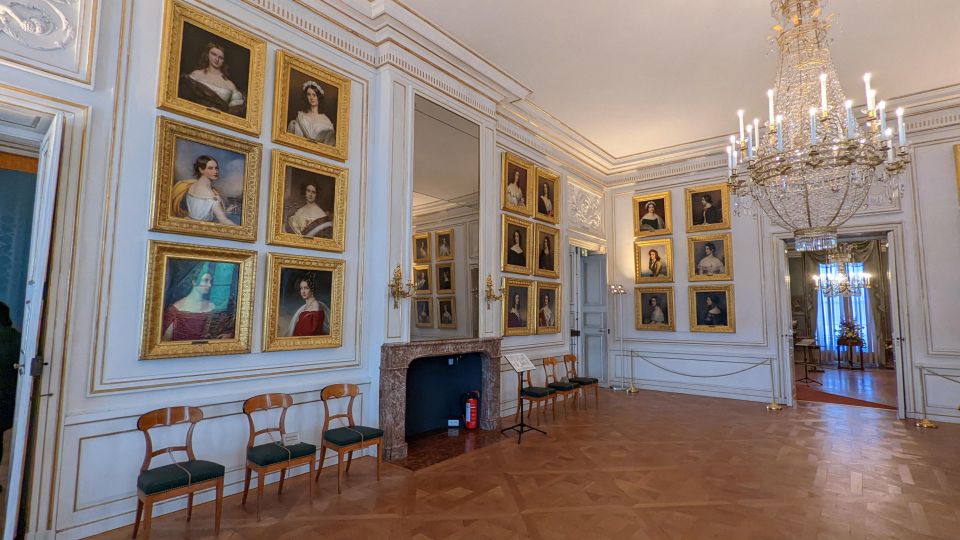
Two interiors are called out as major draws in this tour: the Gallery of Beauties of King Ludwig I and the Birth Room of King Ludwig II.
The Gallery of Beauties is memorable because it’s instantly understandable as court storytelling through art. Even if you don’t catch every artwork detail, the concept comes through: beauty and reputation were part of the political and social image. The guide’s job here is to connect what you see to who commissioned or shaped that kind of display.
Then you get to the Birth Room of King Ludwig II. Rooms like this can be surprisingly moving, not because you need to know every biography fact, but because the tour frames the room as a starting point for the life that unfolded afterward. This is where the Wittelsbach story becomes more than dynastic names on a timeline.
If you have limited time in Munich, this combo is excellent. It covers both the public court image (beauties gallery) and the personal origin story (birth room) in one visit.
Tips that make the visit smoother (and protect your enjoyment)
This tour is wheelchair accessible, and it includes restrooms and lockers for bags. That matters if you’re coming from elsewhere in Munich with a daypack. Still, the site rules are strict: you can’t bring pets, and you should plan for no luggage or large bags. Flash photography isn’t allowed, and the guidance also lists items like vaping, smoking indoors, and alcohol/drugs as not permitted.
So what should you actually plan to carry?
- Keep your bag light enough to fit into the provided locker setup.
- Use your phone camera without flash.
- Bring a small water bottle only if it’s allowed by the on-site policy; this tour specifically lists drinks as not included/allowed, so follow the posted rules.
One more practical thing: since the tour takes place rain or shine, wear shoes you’d be comfortable standing in and moving on wet surfaces. That sounds basic, but on palace visits it’s the difference between enjoying the story and thinking only about your footing.
Price and value: is $259 per group worth it?
The price is listed as $259 per group up to 15 for a 90-minute official guided tour through Nymphenburg Palace interiors. On paper, that might look steep if you’re comparing ticket prices. The better comparison is: you’re paying for an official guide who explains the story, organizes the route, and handles the “why” behind the rooms.
Also, the palace entry ticket is not included, and you need to buy it online before your tour starts. That extra cost means you should think of the $259 as paying for the guided interpretation, not as all-in admission.
When does this value really shine?
- If you’re traveling in a small group, the per-person cost drops fast.
- If you care about understanding Wittelsbach history rather than just touring rooms.
- If you want a structured 90-minute visit that hits the big highlights without guessing where to spend time.
If you’re traveling solo and you only want a casual look, the cost may feel harder to justify. But if you’re the type who likes context and stories while you walk, this tends to be a strong use of time in Munich.
Should you book this Nymphenburg Palace official guide tour?
I’d book it if you want Nymphenburg to feel like a guided narrative rather than a walk-through. The mix of the outside origin story, the ceremonial interior (Stone Hall), key rooms linked to the electors and electress, and the signature stops like the Gallery of Beauties and Ludwig II’s Birth Room is a smart “greatest hits with meaning” combo.
You might skip it if:
- You’re mainly after self-paced wandering and don’t want a guided route.
- You’re not interested in the Wittelsbach family stories or the room-by-room explanation.
- You’d rather spend your time elsewhere than on a focused 90-minute interior route.
If you do book, plan to buy palace tickets ahead of time, arrive a little early at the entrance, and keep your bag situation simple for the lockers. Then let the guide’s structured story do the heavy lifting.
FAQ
Are palace entry tickets included in this tour price?
No. Palace entry tickets are not included, and you need to buy them upfront online before your tour starts.
How long is the guided tour?
The tour duration is 90 minutes.
What languages does the live guide speak?
The live guide offers German and English.
Where do I meet the guide?
You meet in front of the entrance to Nymphenburg Palace.
Is the tour wheelchair accessible?
Yes, the tour is listed as wheelchair accessible.
Does the tour run in bad weather?
Yes. The tour takes place rain or shine.