REVIEW · THIRD REICH & WWII WALKING TOURS
Private Tour: Munich Third Reich Walking Tour
Book on Viator →Operated by Radius Tours GmbH · Bookable on Viator
Munich gets uncomfortable fast. This private Munich Third Reich walk ties the streets of Old Town to Hitler’s rise, with hotel pickup and a history-expert guide handling the hard details. I love how guides like Sarah and Mark keep answering questions and adjusting to your pace. One catch: it’s a walking tour, and if your guide’s flow feels fast, you may need to speak up to keep the timeline clear.
You’ll spend about two hours moving between central landmarks and Nazi-era sites, then wrap back where you started. Along the way, you’ll hear the stories behind the buildings tied to Nazi Germany—plus the lesser-known threads that make the era feel less like a textbook and more like something that happened on your route today.
In This Review
- Key Things I’d Prioritize On This Munich Third Reich Private Walk
- Munich’s Third Reich Tour: What This Route Tries to Make Clear
- Starting At Dachauer Str. 4: Pickup, Meeting Point, And Timing That Works
- Radius Tours Office: The Quick Orientation That Sets the Tone
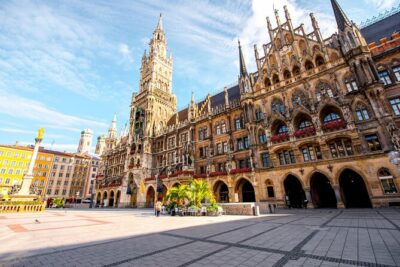
- Marienplatz: The City Center You Can Still Read
- Staatliches Hofbräuhaus Stop: Munich Beer Hall Fame Without the Detour
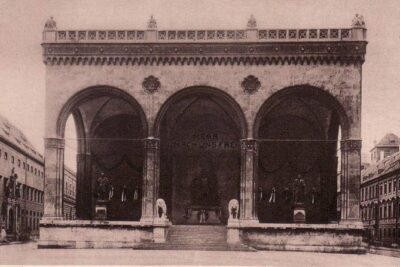
- The Core Nazi-Era Stops: Hitler, the Gestapo, and the 1923 Beer Hall Putsch
- Hitler’s early Nazi connection
- The former Gestapo headquarters area
- The Beer Hall Putsch, also known as the Munich Putsch
- Lesser-known stories
- Flexible Route With a Real Private Guide (and English That Stays Clear)
- Price and Value: Is $240.28 Per Person Fair for a Two-Hour Private Walk?
- Practical Tips for Walking This Third Reich Route
- Who This Tour Fits Best (And When to Choose Something Else)
- Should You Book This Munich Third Reich Walking Tour?
- FAQ
- How long is the Munich Third Reich walking tour?
- What’s the price per person?
- Is the tour private?
- Do I need to speak German?
- Is pickup available from my hotel?
- Where does the tour start and end?
- What stops are included during the walk?
- What’s included in the price?
- What’s not included?
- Can I get a refund if I cancel?
- Do I get a confirmation after booking?
- Are service animals allowed?
Key Things I’d Prioritize On This Munich Third Reich Private Walk
- Private, English-speaking guide focused on your group only
- Hotel pickup and drop-off from central Munich (or a clear meeting point)
- Third Reich sites in Old Town, including places tied to Hitler’s early involvement
- Beer Hall Putsch connection and other “watch this, then remember it” moments
- Staatliches Hofbräuhaus stop for a well-known Munich break at the end
- Guides who handle questions well, including patient answers even on the tough parts
Munich’s Third Reich Tour: What This Route Tries to Make Clear
This isn’t a generic “Nazi Germany facts” walk. The point here is to connect cause and effect—how Munich became the place where Hitler gained momentum, how Nazi policies took shape in this city, and how the physical locations still mark that story. You’re not just looking at buildings. You’re learning what each place meant at the time and what to listen for as you pass it.
I like that the tour builds toward a coherent arc: Hitler’s early Nazi involvement, the power structures that supported repression, and the 1923 Beer Hall Putsch that tried—and failed—to seize control. If you’ve read about the era before, this route helps you anchor details to the geography. If you haven’t, it still gives you a way to follow along without drowning in names.
You can also read our reviews of more walking tours in Munich
Starting At Dachauer Str. 4: Pickup, Meeting Point, And Timing That Works
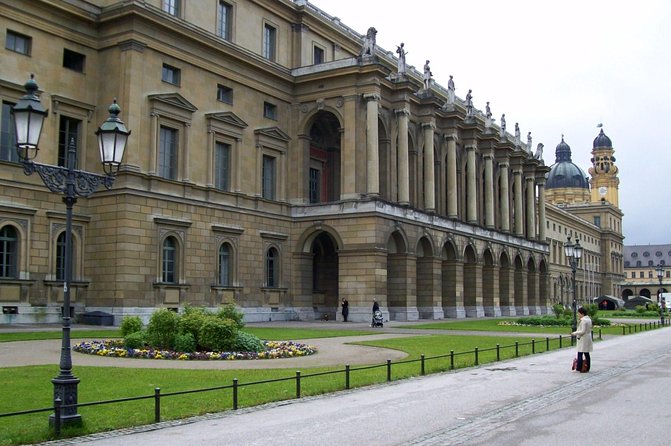
The tour can start two ways. If you share your hotel details ahead of time, you’ll get pickup from any central Munich accommodation. If you don’t, you’ll meet the guide at Dachauer Straße 4, 80335 München, at the tour office.
That matters more than it sounds. Central Munich is walkable but also easy to overestimate when you’ve got limited time. Pickup reduces the mental load at the start, and drop-off reduces it at the end—especially because this is about moving efficiently between Old Town stops. The tour runs about two hours, so you’ll want to arrive ready to walk and ask questions.
This is also offered in English with a mobile ticket. You should expect a straightforward, no-drama check-in and then a focused walk, not a long preamble.
Radius Tours Office: The Quick Orientation That Sets the Tone
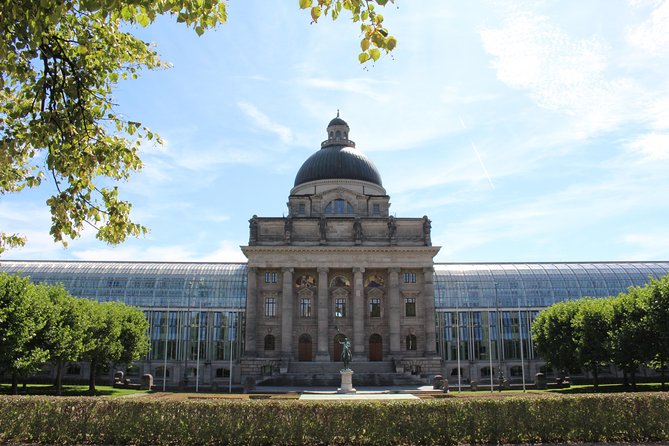
Most people underestimate the first five minutes of a guided walk. Here, the kickoff is at Radius Tours, and the guide uses that moment to set expectations for what you’re seeing and why. In the real world, that helps: when you understand the “what to notice” list, the buildings stop feeling like random backdrops.
Based on guide styles shared in past experiences, the best sessions start with a calm pace and lots of room for questions. That doesn’t mean you’ll talk the whole time. It means you’ll feel comfortable asking when something doesn’t click—because the guide has clearly answered many questions without shutting people down.
Marienplatz: The City Center You Can Still Read
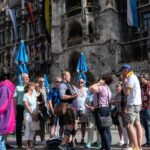
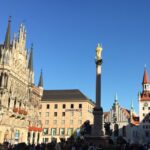
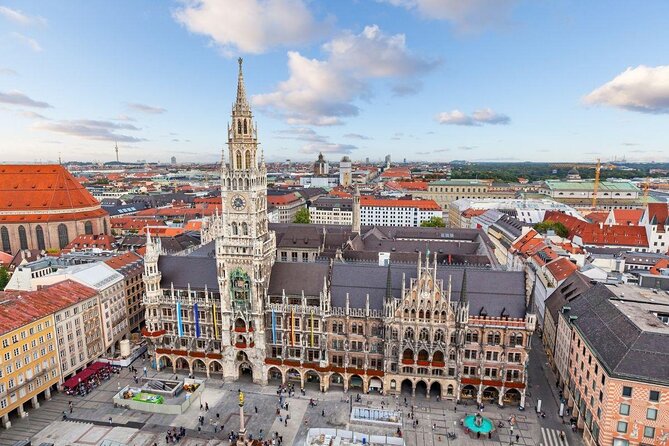
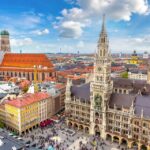
You’ll pass through Marienplatz, Munich’s central square, and use it as a jumping-off point into the broader Old Town story. Even if you’ve seen Marienplatz before for shopping or views, this part reframes it. You’re looking at the same streets, but your attention shifts toward what those places meant during the Nazi era.
This stop is short—around 10 minutes—so treat it as orientation and context rather than a deep stop for photos and loitering. If you want pictures, aim for quick ones while the guide is still explaining key connections.
Staatliches Hofbräuhaus Stop: Munich Beer Hall Fame Without the Detour
One of the tour’s planned highlights is a stop at Staatliches Hofbräuhaus, tied to Munich’s iconic beer culture. The timing is toward the end of the tour, roughly 20 minutes, which is a smart way to keep your energy up while you process what you learned earlier.
Important practical note: food and drinks aren’t included. So if you want a beer, plan for that separately. Still, this is a classic Munich setting, and it gives you a familiar anchor point after a heavy subject walk.
You can also read our reviews of more private tours in Munich




The Core Nazi-Era Stops: Hitler, the Gestapo, and the 1923 Beer Hall Putsch
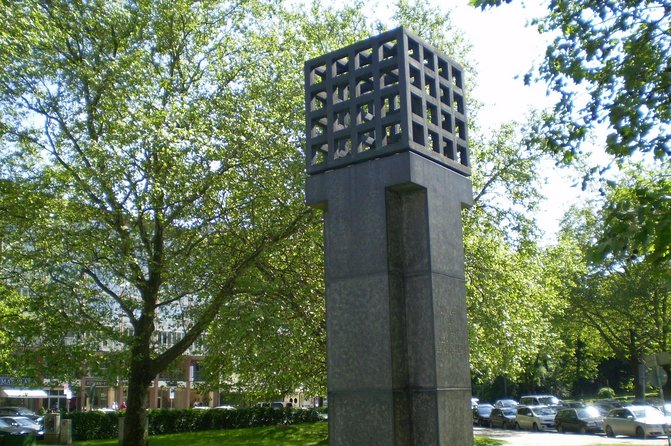
This is the heart of the experience: the guide takes you around Old Town sites linked to Nazi Germany and explains how Munich fed Hitler’s rise to power. You’ll focus on specific connections rather than vague atmosphere.
Here are the major themes you’ll want to listen for as you walk:
Hitler’s early Nazi connection
You’ll see the building tied to the point when Hitler first joined the Nazi party. Even if you’ve heard the story before, hearing it while standing near the building helps your brain store the timeline. It also makes it clearer how “rise to power” didn’t start with one single event—it gathered momentum through people, places, and opportunity.
The former Gestapo headquarters area
You’ll visit the site connected to the former Gestapo headquarters. The guide uses this moment to explain the role of repression in the system. If you ask questions here, you’ll usually get answers that connect the political story to real-world mechanisms—why the fear was structured, not random.
The Beer Hall Putsch, also known as the Munich Putsch
You’ll also visit the place where the infamous Beer Hall Putsch took place in 1923. This was a failed coup attempt by Hitler and other party leaders to seize power in Munich. The value of this stop is that it reframes failure as a turning point. Instead of treating 1923 as a dead end, you’ll learn how it fit into the larger path that followed.
Lesser-known stories
The tour’s biggest advantage is that the guide doesn’t only repeat the well-known highlights. You’ll hear lesser-known tales about Hitler and his rise to power—stories that help explain how ordinary decisions became major consequences. This is where a patient, question-friendly guide really earns their pay.
Flexible Route With a Real Private Guide (and English That Stays Clear)
Because it’s private, your guide can tailor the pace and the level of detail. That shows up in how guides have handled real situations: keeping a calmer rhythm for slower walkers, answering hundreds of questions without losing the thread, and adjusting explanations for families with kids.
In at least one past experience, a guide tailored the talking points so two boys ages 9 and 13 stayed engaged. That’s a useful signal for you: if you’re traveling with younger teens who can handle the subject matter, this tour can still work when the guide knows how to scale the delivery.
A balanced expectation: private tours can vary by guide style, and one person’s fast pace is another person’s confusing timeline. If you like things structured, ask early for a clear timeline. The guide can usually tighten it up on the spot.
Also, while the tour ends back at the meeting point, some guides have gone beyond the bare minimum to help participants get oriented afterward. If you’re unsure how to navigate Munich transit after a heavy walk, don’t hesitate to ask.
Price and Value: Is $240.28 Per Person Fair for a Two-Hour Private Walk?
At $240.28 per person for about two hours, this isn’t a “cheap and cheerful” option. You’re paying for a professional guide plus private attention. And you’re also paying for hotel pickup and drop-off from central Munich, which can save time and stress compared with finding your own way across town.
The value gets better if:
- You’re traveling as a small group and can split the cost among multiple people
- You care about having time to ask questions and not feel rushed
- You want someone to connect locations into a clear story, rather than reading plaques on your own
The value gets weaker if:
- You prefer self-guided sightseeing and don’t plan to ask many questions
- You’re short on time and would rather use those hours for non-guided stops
- You’re hoping for a lot of stops for photos and souvenirs—this is more about meaning than shopping
Practical Tips for Walking This Third Reich Route
This is a walking tour in central Munich. That means practical stuff matters:
- Wear comfortable shoes. Old Town streets add up fast over two hours.
- Bring water. Drinks aren’t included, and you’ll likely want something to reset after the Hofbräuhaus area.
- Plan for a serious topic. The tour is focused on Nazi Germany and its key events, so keep an open mind.
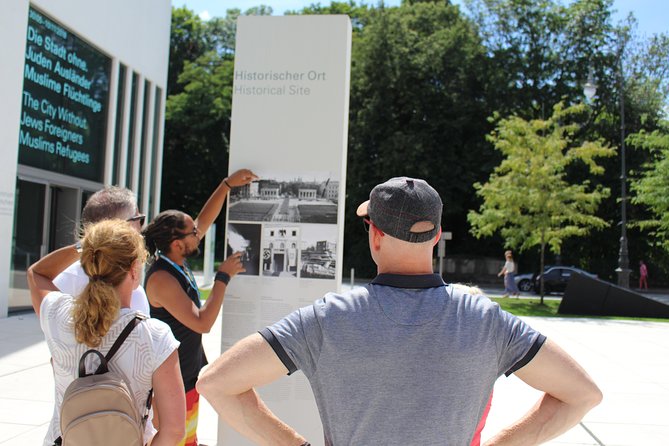
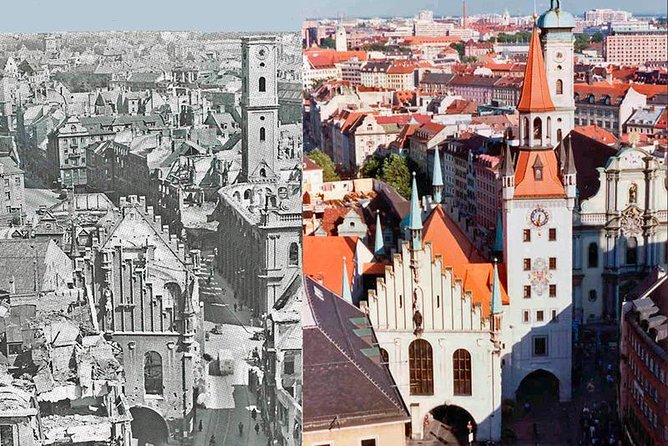
- If you want more structure, ask for it. One guide experience included images to show how areas looked in the past, which can help you follow when the street has changed.
- If you need public transit help afterward, ask your guide where to go. Some guides have helped people get headed in the right direction at the end.
Good to know: service animals are allowed, the tour is near public transportation, and most travelers can participate.
Who This Tour Fits Best (And When to Choose Something Else)
This tour is a strong match for:
- People who want a guided, location-based explanation of Hitler’s rise and the Third Reich’s machinery
- Anyone who likes asking questions and getting direct answers
- History-minded travelers who want a structured walk that avoids random wandering
- Families with older kids who can handle a serious topic and stay engaged with storytelling
It may be less ideal if:
- You don’t want to spend time on Nazi Germany and the Beer Hall Putsch subject
- You’re worried about walking time or pace
- You need everything to feel perfectly ordered every minute. In at least one past experience, a guide felt flustered and the sight order made it harder to track. If that worries you, ask your guide to keep a clear route summary early on.
Should You Book This Munich Third Reich Walking Tour?
I’d book it if you want Munich to make sense as more than a postcard. The tour’s strength is its focus: specific linked sites, a guide who explains the why, and time for questions in a private format. The Hofbräuhaus stop is also a smart way to end with something very Munich, without derailing your schedule.
I’d think twice if you only want casual sightseeing or if you’re very sensitive to the topic. This is a serious subject walk with historical sites tied to Nazi Germany and the 1923 Putsch.
If you do book, go in with two priorities: comfortable shoes and questions you actually care about. That’s where this kind of tour pays off.
FAQ
How long is the Munich Third Reich walking tour?
It lasts about 2 hours.
What’s the price per person?
The price is listed as $240.28 per person.
Is the tour private?
Yes. It’s a private tour/activity, and only your group participates.
Do I need to speak German?
The tour is offered in English.
Is pickup available from my hotel?
Pickup is offered from any central Munich accommodation. If you don’t share your hotel details, you’ll meet the guide at Dachauer Straße 4, 80335 München.
Where does the tour start and end?
It starts at Dachauer Straße 4, 80335 München, and it ends back at the meeting point.
What stops are included during the walk?
The tour includes Old Town and historic Nazi-era linked locations, with specific stops such as Marienplatz, a stop at Staatliches Hofbräuhaus, and places connected to Hitler’s rise, the Gestapo, and the 1923 Beer Hall Putsch.
What’s included in the price?
A private tour with a professional guide, plus hotel pickup and drop-off.
What’s not included?
Food and drinks are not included.
Can I get a refund if I cancel?
You can cancel up to 6 days in advance for a full refund. If you cancel 2–6 days before, you get a 50% refund. If you cancel less than 2 days before, the amount isn’t refunded.
Do I get a confirmation after booking?
You should receive confirmation at booking time unless you book within 7 days of travel, in which case confirmation is expected within 48 hours, subject to availability.
Are service animals allowed?
Yes, service animals are allowed.