REVIEW · NUREMBERG DAY TRIPS
Nuremberg Private Guided Tour from Munich by Rail
Book on Viator →Operated by Nuremberg City of Empires Tours · Bookable on Viator
One day in Nuremberg can feel like two eras. This private, rail-based tour combines medieval Altstadt highlights with major WWII landmarks, so you get context instead of a highlight-bus blur. I like that you’re working with an expert who can shape the day around your interests, and you also get roundtrip train transport handled for you.
The main trade-off is time. With an 8 to 9-hour day and multiple stops, you’ll be moving at a steady clip, and a couple of key indoor sights cost extra.
In This Review
- Quick hits before you go
- A smart Nuremberg day trip by train from Munich
- What you get for the $474.09 price
- Hotel pickup and how the meeting works in Munich
- The guide makes or breaks a history day
- Altstadt walls and medieval Nuremberg at your first stop
- Handwerkerhof and Hauptmarkt: crafts and the city’s meeting place
- The Beautiful Fountain and the kind of detail that pays off
- Kaiserburg fortress views and why the castle matters
- Albrecht-Dürer-Haus and St. Sebaldus: art and faith add the texture
- The Nazi-era transition: Kongresshalle to the Documentation Center
- Lunch and timing: how to keep the day from feeling rushed
- Getting the most from a private itinerary
- Who this tour is for (and who should think twice)
- So, should you book Nuremberg from Munich?
- FAQ
- How long is the Nuremberg private guided tour from Munich?
- Does the price include roundtrip train transport?
- Is hotel pickup available?
- Is this tour private or shared?
- Are any entrances included?
- What language is the tour offered in?
- Can I get a refund if I cancel?
- Is confirmation provided after booking?
Quick hits before you go
- Private guide, private pacing: you can prioritize and slow down where it matters.
- Roundtrip train from Munich: less logistics stress than self-planning.
- Medieval core stops: Altstadt walls, Hauptmarkt traditions, and the Beautiful Fountain.
- WWII-focused landmarks: Kongresshalle and the Nazi Party Rally Grounds Documentation Center.
- A couple of add-on admissions: plan for Albrecht-Dürer-Haus and St. Sebaldus, plus a paid WWII exhibition.
- Guide names often mentioned: Susanna and Jason come up again and again for storytelling and organization.
A smart Nuremberg day trip by train from Munich
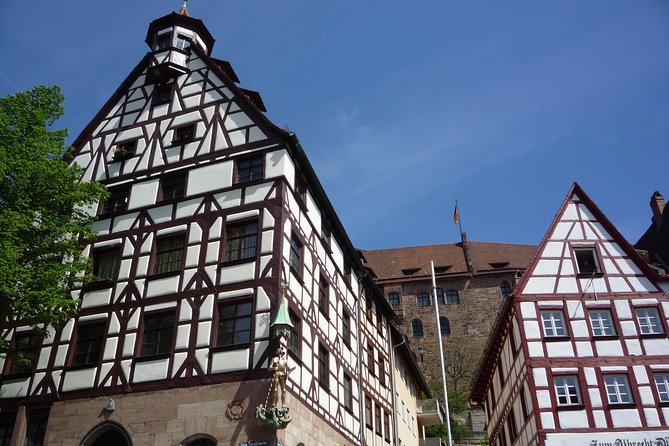
Nuremberg is one of those German cities where different layers sit close together. You can walk from old trade routes and fortress views into spaces tied to the Nazi era without the day turning into a history worksheet. That’s the big win of this tour format: you’re not just seeing places, you’re getting the story that connects them.
The rail angle is practical. Instead of negotiating schedules, buying multiple tickets, and figuring out station-to-station directions, your guide keeps the day moving. In the real world, that means you spend more time in Nuremberg and less time standing in transit with a phone battery that’s running on vibes.
You can also read our reviews of more guided tours in Munich


What you get for the $474.09 price
At $474.09 per person, this isn’t a budget day trip. But it is a clear value if you count what’s actually included: a private guide, hotel pickup and drop-off, and roundtrip train transport. That combination matters because time is the most expensive part of a day like this.
Here’s how to think about the math:
- You’re paying for someone handling the route and timing across two cities.
- You’re paying for private interpretation, not just a list of stops.
- You may still pay small add-on admissions at a couple of sights, but the major structure is covered.
If you’re traveling solo, a private guided day can feel expensive until you compare it to the cost of doing the same thing yourself and then realizing you spent half your day in transit planning. For couples or small groups who want real conversation with a guide, this price starts to look more reasonable.
Hotel pickup and how the meeting works in Munich
The tour starts at Munich’s Hauptbahnhof (the main train station at 80335 Munich). Pickup is offered, and meeting at the station is also possible, even if you don’t want door-to-door.
You’ll want to aim for calm, not rushed. A day that runs 8 to 9 hours still needs a few minutes for regrouping, walking to platforms, and getting organized before the train. If you’re staying near the station, that’s a big advantage.
This is a private tour in the sense that only your group participates. That’s a meaningful detail: you’re not locked into someone else’s pace, and your guide can tailor the route if your group wants more old town, more WWII context, or a longer lunch.
The guide makes or breaks a history day
What’s repeatedly praised is not just factual accuracy. It’s how the guide teaches. People mention guides like Susanna, Jason, Paul, Nick, Chris, Akim, and Curt for being well prepared, personable, and efficient with time—without turning the day into a sprint.
In practice, that means:
- You’ll get clear explanations at each stop, not just a quick point-and-photo routine.
- You can ask questions as you go, including how Nuremberg’s role changed across time.
- You should feel comfortable adjusting priorities. Some guides are specifically noted for letting people steer the day.
If you like history but hate lectures, this is usually a good fit. If you want pure sightseeing with minimal talking, you might want to tell your guide early so the pacing matches your style.
Altstadt walls and medieval Nuremberg at your first stop
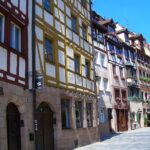
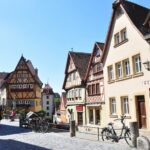
Your day opens in the Altstadt, the walled medieval core. This is where you start to see why Nuremberg mattered for centuries: it wasn’t an anonymous city center. It was a defended urban space shaped by trade, governance, and power.
Expect:
- an easy, walk-friendly introduction to the city’s layout
- context on how the old town functioned as a center of civic life
- photo-friendly corners that don’t feel like museum exhibits
Why this stop works at the beginning: it gives you a baseline. Then, when the day moves into the 20th century, you’re not forgetting where you are or why the city’s physical form matters.
You can also read our reviews of more private tours in Munich


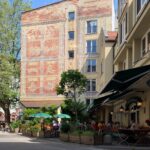


Handwerkerhof and Hauptmarkt: crafts and the city’s meeting place
Next comes Handwerkerhof, a reproduction of a traditional craftsman’s court with shops and restaurants. It’s short—more like a palate cleanser than a full attraction—but it helps you shift from big history to everyday life.
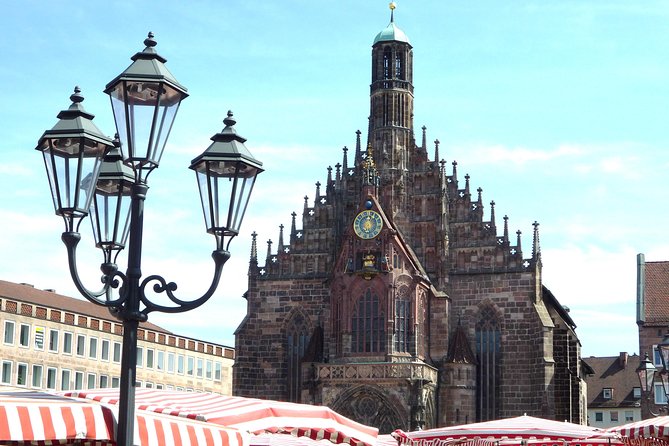
Then you hit Hauptmarkt, the marketplace that’s been central since the 1300s. Even if you’re not shopping, this is one of the best “sense of place” stops on the route. Markets explain how cities fed themselves, organized labor, and attracted visitors.
A practical tip for this section: if your group wants lunch in the city center later, use this stop to scout where you’d actually sit. It’s easier to decide once you can see the flow of the square.
The Beautiful Fountain and the kind of detail that pays off
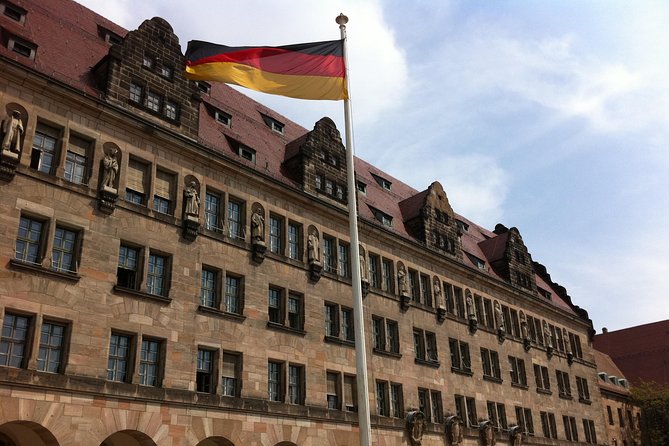
The Der Schöne Brunnen stop is brief, but it’s a classic Nuremberg landmark. The golden Gothic tower and the famous wishing ring aren’t just decorative flourishes. They’re part of how cities build identity in public spaces—art and ceremony in the middle of daily life.
Don’t rush it. If you take 10 minutes here, you’ll notice more than you expect: the way the fountain anchors the square and how that center position still shapes the city’s rhythm.
Kaiserburg fortress views and why the castle matters
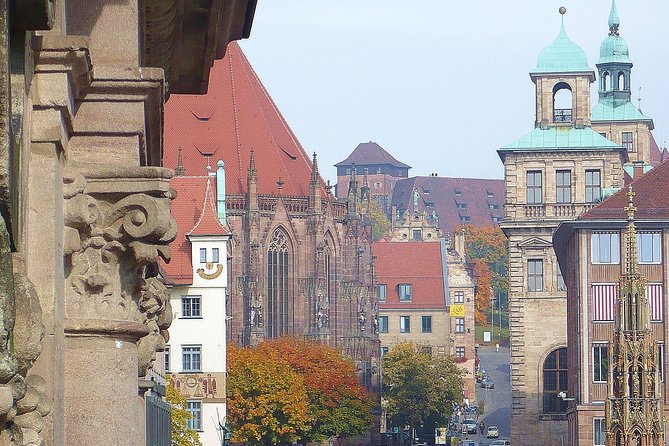
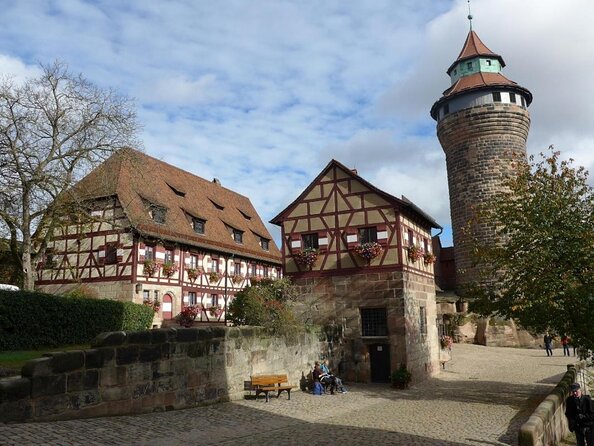
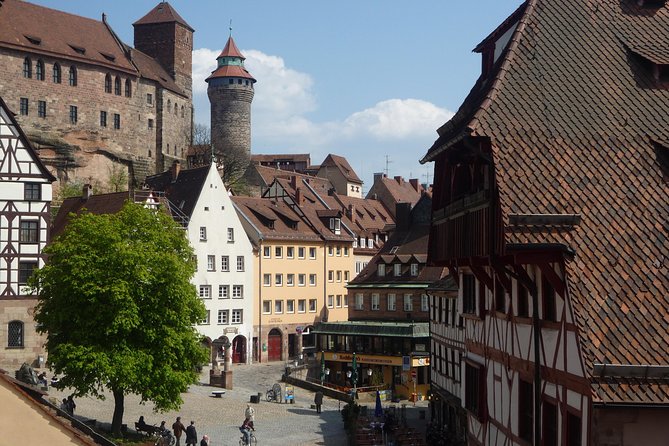
Then it’s up to Kaiserburg Nürnberg, the imperial castle. Dating back to at least 1050, it’s the kind of place where you understand power by looking at geography. From a fortress point of view, you see why rulers cared about control, defense, and visibility.
This stop is 15 minutes, so treat it like a “set the scene” moment:
- look out before you look in
- ask your guide how the castle’s role changed over time
- get your bearings for the rest of the day
If your group loves viewpoints, this is often a good moment to slow down for photos.
Albrecht-Dürer-Haus and St. Sebaldus: art and faith add the texture
Two stops here are notable because admission isn’t included: Albrecht-Dürer-Haus (the original house of the famous Renaissance artist) and St. Sebaldus Church, described as the oldest church in Nuremberg, with Saint Sebald as patron.
Both are short on the schedule, but they add texture that pure history sites can miss:
- Dürer brings you into the Renaissance mindset—how art and ideas moved through cities.
- Sebaldus gives you a sense of civic religion and continuity.
If you’re thinking of paying for one extra stop, consider what your group loves most: Renaissance art or early church history. Either way, the guide can help you decide on the fly.
Also note a real-world drawback: if those places are closed when you arrive, your tour still needs backup options. Even without extra details, it’s smart to be mentally flexible here.
The Nazi-era transition: Kongresshalle to the Documentation Center
This is the heart of the tour for anyone coming for WWII context. The shift from old town to Nazi-era architecture is stark, and that contrast is part of the lesson.
First you visit the Kongresshalle Nürnberg, the unfinished Congress Hall tied to the Nazi Party. On the outside, it can feel like a hulking monument to ambition and propaganda. With a guide explaining what it was supposed to be versus what it became, it lands in a more honest way.
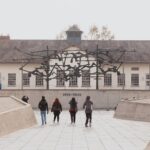
Then the tour includes the Documentation Center at the Nazi Party Rally Grounds. This is where you get structured interpretation of what happened in the rally spaces—part site, part learning center. There’s an extra admission cost here (listed as €7.50 per person for the exhibition, depending on which option you choose).
Two practical notes:
- Budget the extra ticket fee so you’re not making last-minute decisions while walking.
- If your guide offers context about how the spaces are used today, that can help you process the history without getting stuck in a single mood.
This is also the section where timing matters. It’s easy to spend more time than you planned if the story grabs you. With a private guide, you can manage that—ask for what you care about most.
Lunch and timing: how to keep the day from feeling rushed
One of the most praised parts of the experience is pace. Guides are described as keeping things relaxed yet efficient, and that’s exactly what you want on a rail day trip.
For lunch, you’ll typically have time built into the schedule (especially around the central areas). My advice: choose a spot that’s easy to leave. Pick a location near the walking path your guide uses next. That way, lunch doesn’t turn into a 45-minute detour when you’re trying to rejoin trains.
If you want a low-stress move, do this:
- eat close to the market/old town area
- keep your order simple
- save longer shopping for after the main sights
Your guide can also suggest options, including where to sit so everyone in your group can rest briefly before continuing.
Getting the most from a private itinerary
The tour is built around a route with meaningful stops, but a key feature is the ability to build a custom itinerary. That’s not just marketing language. It shows up in how your guide can adjust emphasis—more fortress views, more old town walking, or more focus on WWII interpretation.
In real terms, private customization helps you:
- avoid wasted time at stops you don’t care about
- get extra explanation at stops you do care about
- ask questions without feeling like you’re holding up a big group
If you’re picky about history, tell your guide what era interests you most: medieval civic life, Renaissance culture, or WWII/Nuremberg trials-era context. Then let them steer within the day’s structure.
Who this tour is for (and who should think twice)
This tour is ideal if you want:
- a guide-led explanation of both medieval and WWII-era Nuremberg
- a private day trip with a pace that feels human
- someone handling transit between Munich and Nuremberg
It’s less ideal if you want a totally free-form day with zero structure. Even though it’s private, the schedule still moves through set stops. If you love wandering alone with no history talk, you may prefer independent travel.
Solo travelers often do well here because the private setup gives you conversation and context without needing to join a random group. Families with older teens and adults also tend to find the pacing workable, as long as your group is comfortable with walking and indoor-ticket decisions.
So, should you book Nuremberg from Munich?
If you’re thinking about a Nuremberg day trip and you care about understanding what you’re seeing, I’d book this. The combination of roundtrip train, hotel pickup option, and a private guide makes it one of the more practical ways to do a city where the stakes of history are part of the experience.
Book early if you can. The tour is often reserved about 86 days in advance, and private guides are the kind of thing that fill up quietly.
Just go in with realistic expectations: it’s a full day, a few admissions cost extra, and some indoor sites can shift depending on conditions on the day. If you bring flexibility and a willingness to listen, you’ll likely come away with a much clearer picture of Nuremberg than you’d get from sightseeing alone.
FAQ
How long is the Nuremberg private guided tour from Munich?
It runs about 8 to 9 hours.
Does the price include roundtrip train transport?
Yes. Roundtrip train transport from Munich is included.
Is hotel pickup available?
Yes. Hotel pickup and drop-off are included, and meeting at Munich train station is also possible.
Is this tour private or shared?
It’s private. Only your group will participate.
Are any entrances included?
Many stops are free, but some have admission not included, like Albrecht-Dürer-Haus and St. Sebaldus Church. There is also an additional entrance fee listed for the Courthouse exhibition or the Documentation Center Nazi Party Rally Grounds (€7.50 per person).
What language is the tour offered in?
It’s offered in English.
Can I get a refund if I cancel?
Yes. You can cancel for a full refund up to 24 hours in advance of the experience start time.
Is confirmation provided after booking?
You should receive confirmation within 48 hours of booking, subject to availability.