REVIEW · THIRD REICH & WWII WALKING TOURS
National Socialism WWII with licensed guide – private tour
Book on GetYourGuide →Operated by schwarzgold.info - Wolfgang Brehm · Bookable on GetYourGuide
Munich has hard history you can walk through. This private, licensed tour connects the origins of National Socialism to the exact buildings where it played out, and I love two things most: the heavy, specific focus on resistance stories like the White Rose, and the guide’s use of extensive photo material to make propaganda and events feel real. The one drawback: it’s a serious subject, so if you want a light sightseeing stroll, this probably won’t feel right.
You start at Odeonsplatz by the Feldherrnhalle, then move through key Third Reich sites, art-control stops, and the Nazi power base at Königsplatz. It’s practical, direct, and organized for clarity, so you come away with a cleaner timeline instead of scattered facts. The guide is Wolfgang Brehm, and the overall tone stays educational and matter-of-fact, not celebratory.
In This Review
- Key Highlights You’ll Actually Notice on This Tour
- Why This Munich Tour Works (Even If You Think You Know the Basics)
- Starting at Odeonsplatz: Feldherrnhalle and the Power of Place
- From the Court Garden to Resistance Memorials
- LMU and the White Rose: Flyers, Arrests, and the Cost of Saying No
- Square for the Victims of National Socialism: Who Counts as a Victim
- Haus der Kunst and the Control of Art (Where Propaganda Gets Polished)
- Karolinenplatz Sponsors and the Social Machinery of a Regime
- Königsplatz: The Brown House and Führerbau as the Party-State Core
- NS Documentation Centre After the Walk: Your Chance to Go Deeper
- Price and Value: What You’re Really Paying For
- Who This Tour Is For (and Who Should Skip It)
- Should You Book This Private Nazi Sites Tour?
- FAQ
- How long is the private tour?
- What is the meeting point?
- Where does the tour end?
- Is the NS Documentation Centre included in the tour?
- What price should I expect?
- Is it a private tour?
- What languages are available?
- Is the tour wheelchair accessible?
- Does the tour cover Nazi resistance in Munich?
- Who operates the tour?
Key Highlights You’ll Actually Notice on This Tour
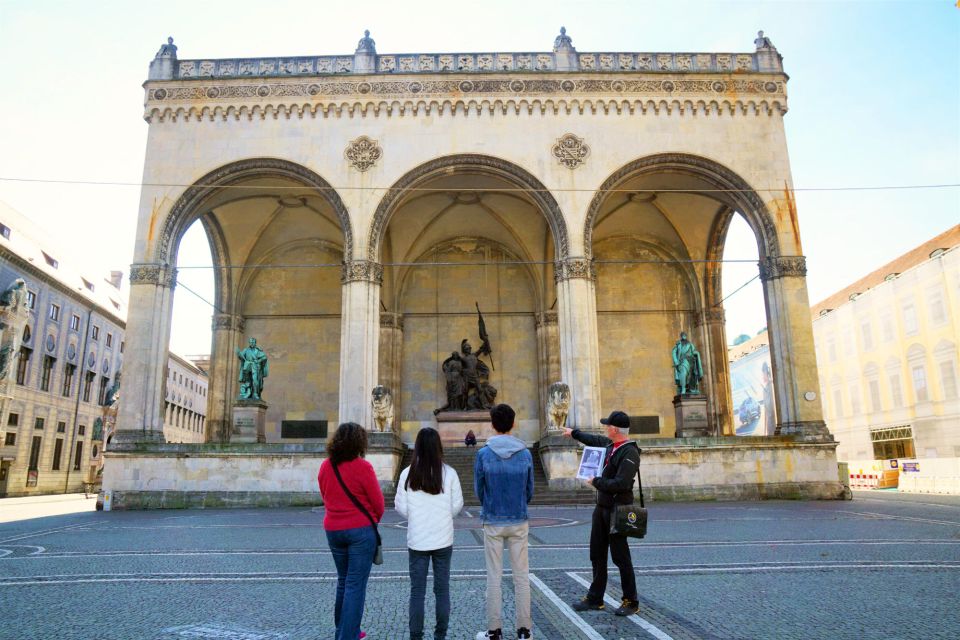
Feldherrnhalle at Odeonsplatz as your timeline anchor for why Hitler came to Munich and where the coup ended
Resistance history built into the route, including the White Rose and the resistance memorial stop
Photo-driven explanation that helps you understand Nazi messaging, not just recite names
Art under the Third Reich at Haus der Kunst and the places tied to Degenerate Art
The Königsplatz power center, including the Brown House and Führerbau framing the party administration
Optional NS Documentation Centre visit after the walk, with the guided orientation already in place
Why This Munich Tour Works (Even If You Think You Know the Basics)
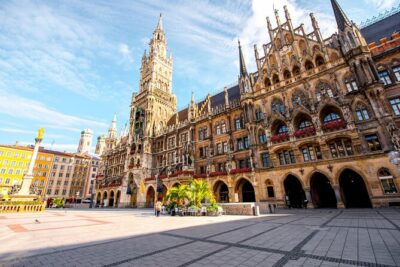
Munich is the cradle myth you hear about National Socialism, and this tour treats that idea like a map. You don’t just hear that the movement began here—you see how the city’s landmarks and institutions were used to project power, normalize ideology, and rewrite public life.
I like the pacing because it’s fast but not rushed. In about two hours you cover multiple “chapters” of the story: Hitler’s Munich entry, the coup attempt, resistance, art control, and finally the party-state setup around Königsplatz.
The value is in the structure. If you’ve ever read about the Nazis and still felt like the timeline was fuzzy, this is the kind of walk that helps you put the pieces in order.
You can also read our reviews of more guided tours in Munich


Starting at Odeonsplatz: Feldherrnhalle and the Power of Place
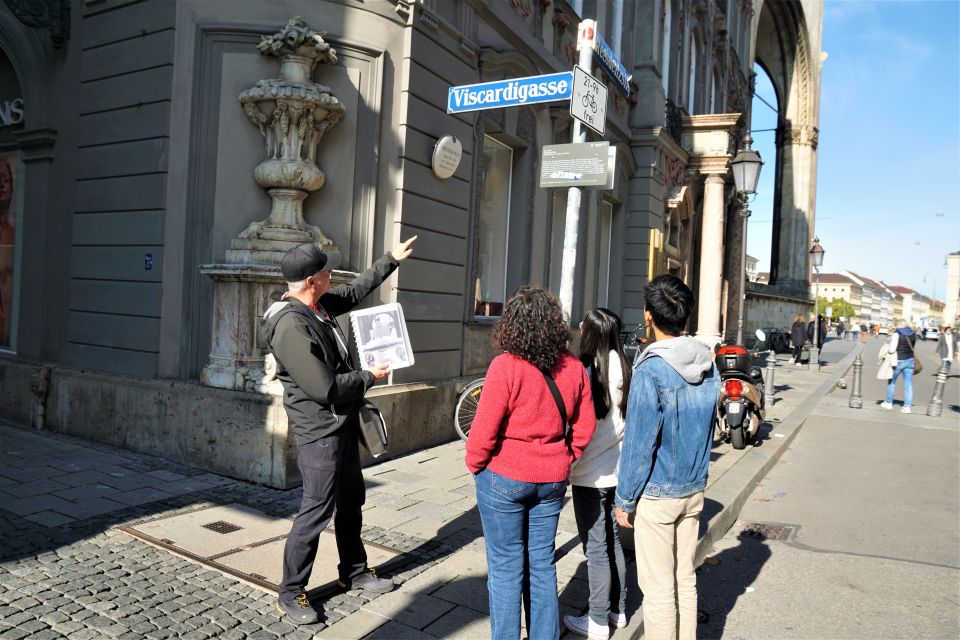
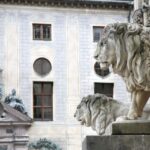
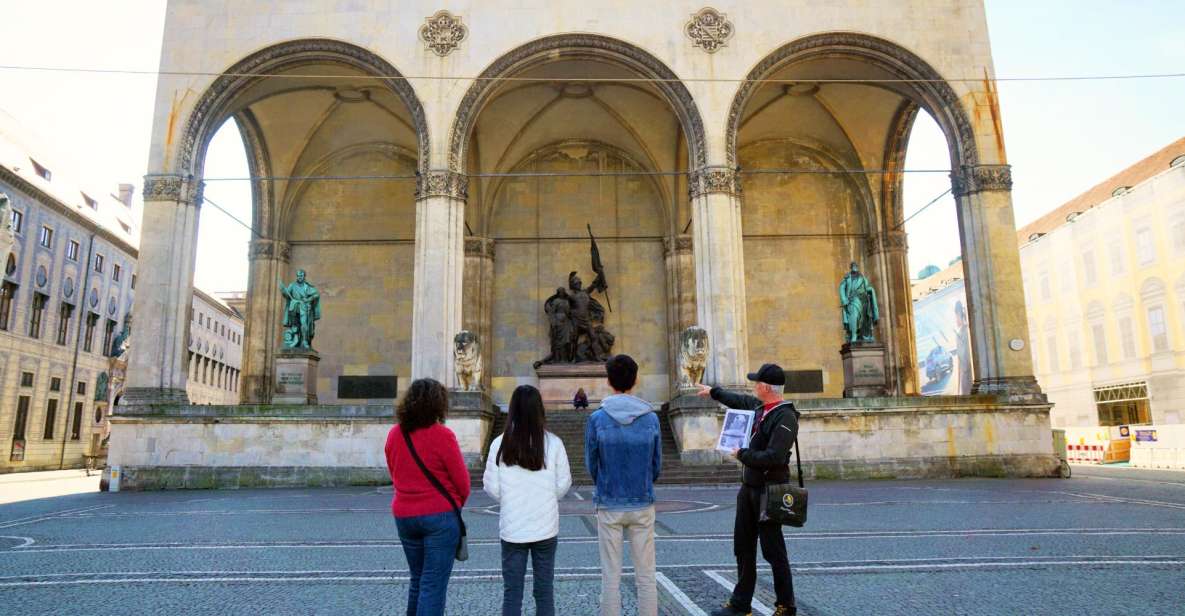
You meet at the steps by the Feldherrnhalle at Odeonsplatz, and right away the guide sets the scene around why Hitler came to Munich. The tour links his move to the practical question of where he lived and even how he made a living, which makes the story feel less like a distant legend.
Then you get to the moment the tour is named for in spirit: the so-called Hitler coup and where it ended. Standing near the Feldherrnhalle, it’s easier to understand why public monuments matter so much to political movements—they turn events into symbols you can’t ignore.
The Feldherrnhalle stop is also short enough that you don’t get numb. You’re there long enough to get the meaning, then you move on while the story is still sharp.
From the Court Garden to Resistance Memorials
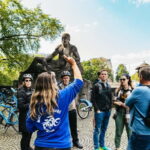
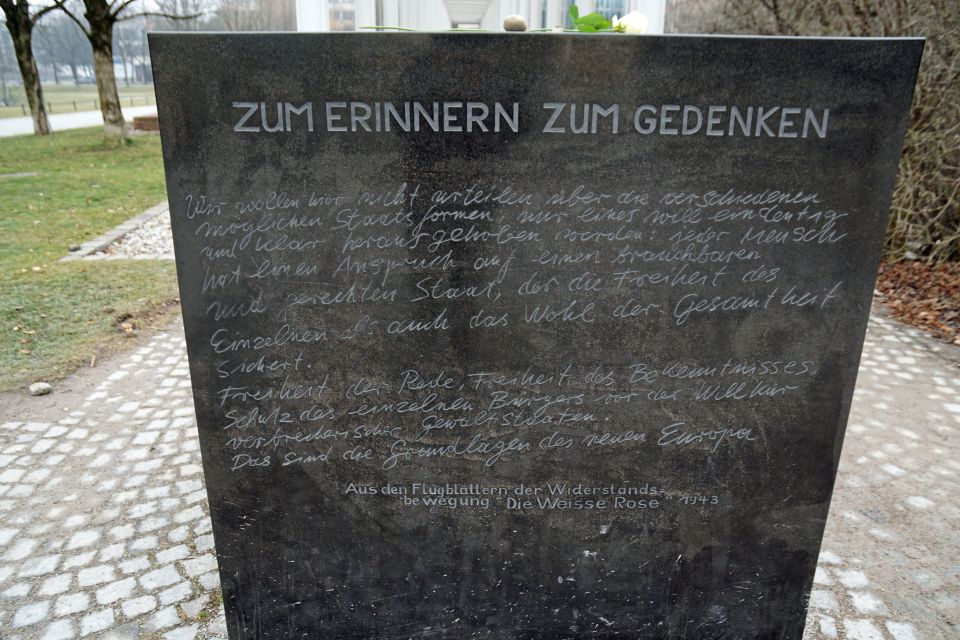
After Odeonsplatz, the route takes you through the court garden area and toward a monument erected for resistance fighters. This matters because a lot of Munich history tours either skip resistance or mention it briefly at the end.
Here, resistance is treated as part of the same city geography as the Nazi chapters. That means you’re not only learning what the regime built—you’re also seeing what people stood against.
This segment keeps the tone grounded. You’re not forced into anger or guilt theater. Instead, the guide frames resistance as action under risk, which is usually what gets lost when history becomes only dates and slogans.
LMU and the White Rose: Flyers, Arrests, and the Cost of Saying No
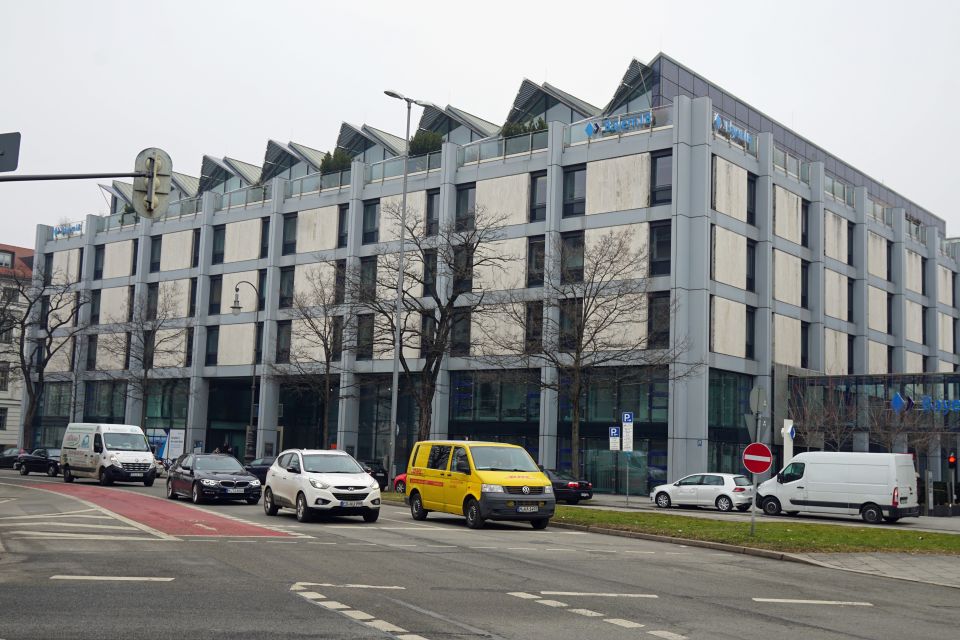
One of the most memorable stops is at the LMU area, the largest university in Germany. The guide brings in a well-known Munich resistance group: the White Rose, including how they created flyers and what happened to members at the end.
What I like here is the balance between place and consequence. You’re not just told that the White Rose existed; you’re shown how a major learning institution fits into the story of dissent and how ideology collided with moral resistance.
This also helps younger travelers. If you’re working with a student who has homework-driven history—maybe even GCSE-style curiosity—you’ll find it easier to connect the names to the real geography of Munich.
Square for the Victims of National Socialism: Who Counts as a Victim
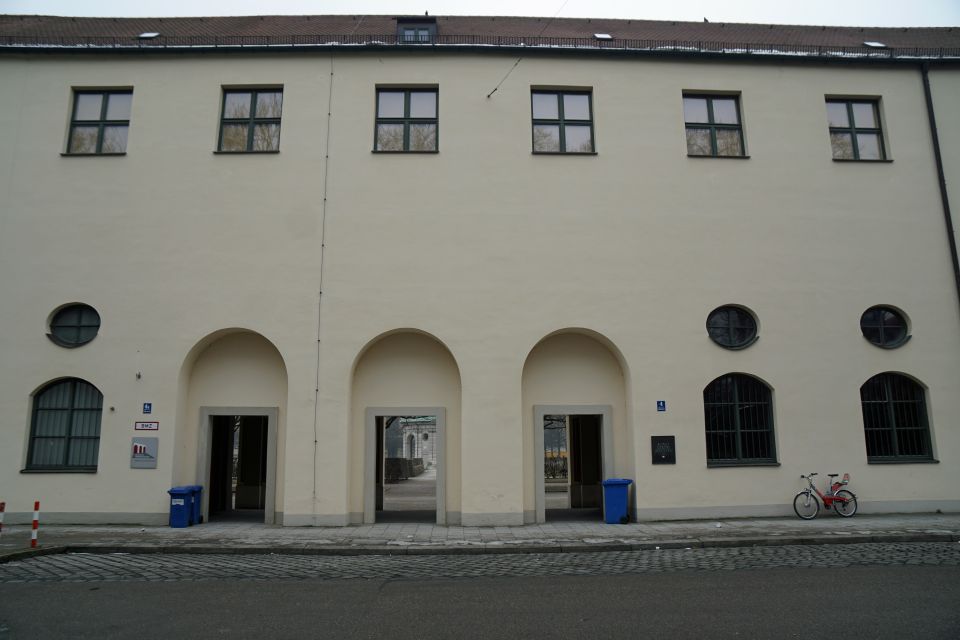
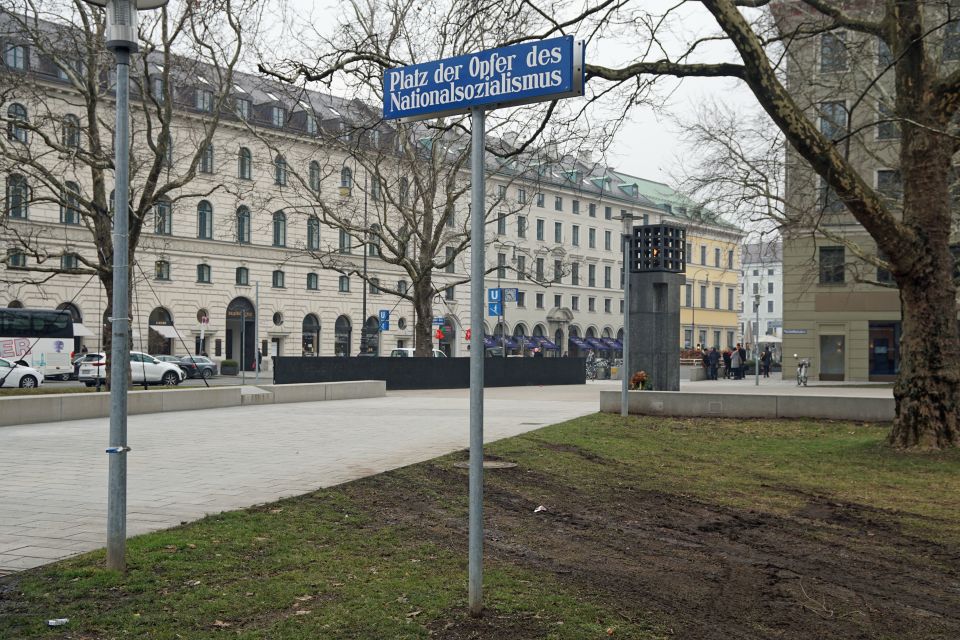
You also stop at the Square for the Victims of National Socialism, where the guide explains exactly who the victims were. That wording matters because it’s easy for people to treat “the victims” like a vague category.
The tour keeps the focus on concrete groups of people and what the regime targeted. You come away with a better sense of how the ideology translated into real harm.
This is one of those moments where the city’s design becomes part of the lesson. The memorial setting gives you time to absorb meaning without needing to chase the next photo stop.
You can also read our reviews of more private tours in Munich



Haus der Kunst and the Control of Art (Where Propaganda Gets Polished)
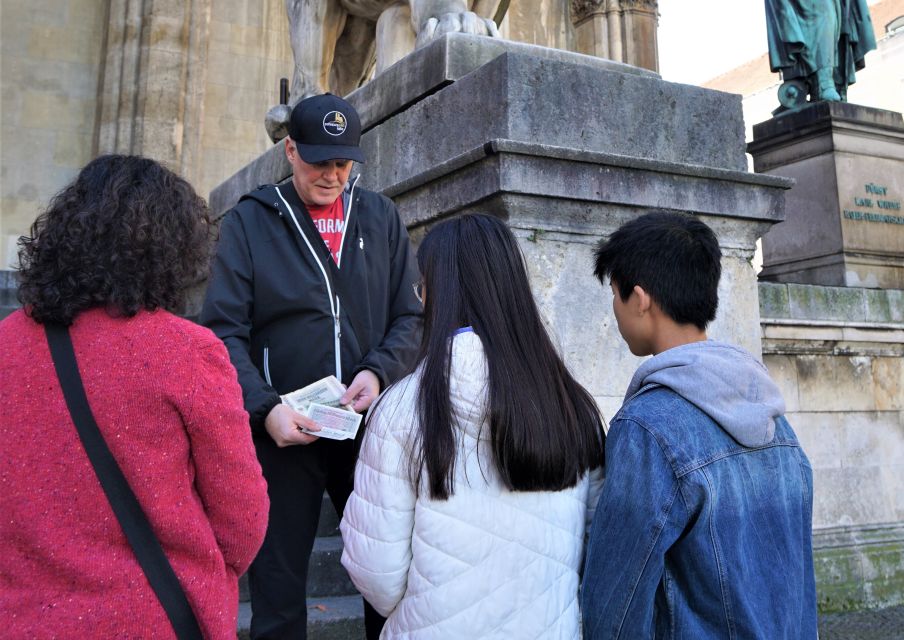
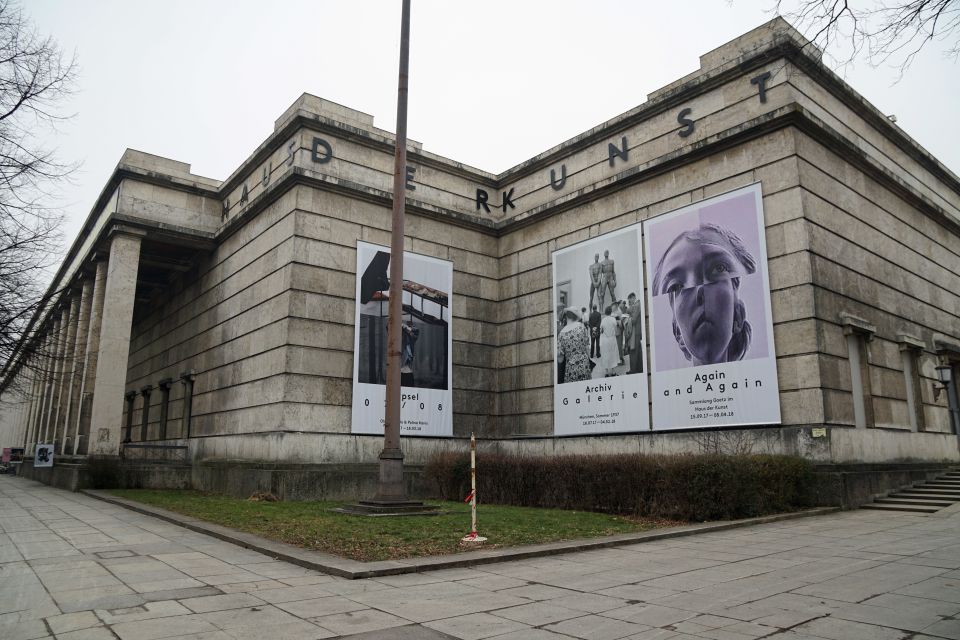
Then comes one of the most instructive parts for anyone who wants to understand how the Nazis expanded beyond politics into culture. At Haus der Kunst, the guide explains how the Nazis influenced art.
You also learn how the exhibition Degenerate Art took place, including where you can still see the location tie-in along Galeriestraße. Even if you’ve heard the term before, it lands differently when you stand where the agenda was staged.
This is practical education, not just “bad things happened.” The tour shows you that the regime used art to shape taste, brand enemies, and reinforce its own image of the nation.
If you’re the type who likes to read symbolism into buildings, you’ll appreciate how the guide connects ideology to presentation—what art was allowed, what was mocked, and why.
Karolinenplatz Sponsors and the Social Machinery of a Regime
At Karolinenplatz, you get the main sponsors of the Nazis. This is a crucial counterpoint to the idea that the Nazis were only a small violent movement.
The tour uses this stop to highlight how support and influence can be organized through networks that go beyond top leaders. It’s a reminder that extremist systems don’t run on one person’s willpower—they run on institutions, funding, and political alignment.
It also makes the rest of the route easier to follow. Once you understand who backed the project, the later “headquarters” stops feel less like isolated buildings and more like an administrative plan coming together.
Königsplatz: The Brown House and Führerbau as the Party-State Core
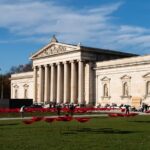
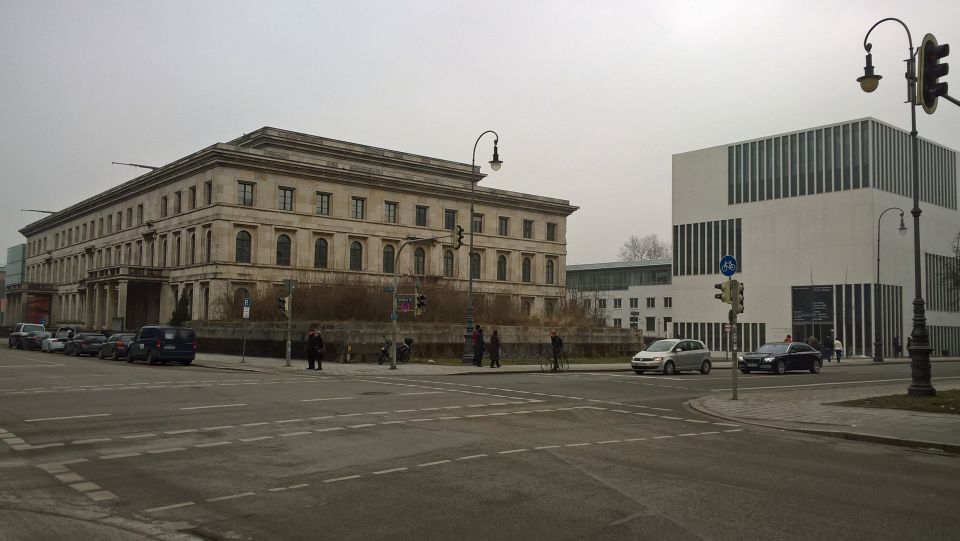
Finally, you reach the heart of the Nazi setup at Königsplatz. This is where the tour earns its “dark side of Munich” reputation in the most literal way: you’re looking at the party center and the buildings tied to leadership and administration.
You’ll hear about the Brown House, the Nazi headquarters in Munich, plus the Führer building—Hitler’s office—and the NSDAP administration. Standing in this zone, it’s easier to grasp how power was staged, staffed, and managed.
The stop also includes the name you might have heard in museums and documentaries: NS Documentation Centre (opened in 2015). The guide uses this final section to pull the narrative together so you know what you’re looking for if you choose to go inside afterward.
NS Documentation Centre After the Walk: Your Chance to Go Deeper
The tour ends at Königsplatz 1, and the NS Documentation Centre is the final stop in the route. The guide provides a guided visit there, but admission isn’t included—so you’ll have to decide if you want to pay to enter and explore more on your own.
I like this setup because it doesn’t force you into a long museum session during the walk itself. You get orientation first, then you can choose: either you keep it to the guided highlights or you extend the experience with the on-site exhibits.
The best use of your time here is to treat it like a continuation, not a replacement. Let the walking tour give you the framework, then use the centre to verify details and expand themes at your own pace.
Price and Value: What You’re Really Paying For
The cost is $259 per group up to 30, for a 2-hour private tour. That pricing structure matters because you’re not paying per person—if you travel with a friend or small group, the experience can work out surprisingly efficient compared to multiple separate tours.
You’re also paying for something that’s hard to replicate on your own: a licensed guide who can explain how the ideology connects from one site to the next. With this kind of history, the biggest value isn’t seeing buildings—it’s understanding why those buildings were used and how the timeline fits.
Also, the guide’s use of photo material is a practical differentiator. Photos can turn confusing propaganda claims into clearer visual evidence, and they help keep the tour from becoming a list of names.
One more value point: the tour is private group. That usually means you can ask your questions without feeling like you’re interrupting a busload of strangers, and it helps the guide adjust the pace.
Who This Tour Is For (and Who Should Skip It)
This tour fits best if you want structured context about Munich’s Nazi-era role, not random sightseeing. If you’re studying history, teaching, or traveling with a student, it’s a strong way to connect classroom concepts to real locations.
It also works well for people who want to understand resistance as part of the story, not as a footnote. The route’s inclusion of the White Rose and memorial context makes that clear from the start.
One note you should respect: the tour states it is not for right-wing radical or Nazi fans. If someone is looking for a thrill or an ideology-driven stop, this isn’t that kind of experience. The tone is educational and critical by design.
Should You Book This Private Nazi Sites Tour?
Yes, if you want a clear timeline of how National Socialism took shape in Munich, and you want the route to connect monuments, institutions, art, and resistance into one coherent story. You’ll likely appreciate the licensed guidance, the photo support, and the way the ending at Königsplatz sets you up for a meaningful optional follow-up at the NS Documentation Centre.
Skip it if your goal is casual sightseeing or if you’re looking for a more general “Munich in one day” plan. This tour spends its time on heavy material, and that’s exactly what gives it its usefulness.
If you do book it, go with the mindset of learning how history used the city. You’ll finish the walk with more than facts—you’ll have a sharper sense of how power and propaganda were built, challenged, and recorded.
FAQ
How long is the private tour?
The tour lasts 2 hours.
What is the meeting point?
You meet at the steps at the Feldherrnhalle at Odeonsplatz.
Where does the tour end?
It finishes at Königsplatz 1, 80333 München, Germany.
Is the NS Documentation Centre included in the tour?
The NS Documentation Centre is visited at the end of the tour, but admission is not included. You have the opportunity to visit further after the tour.
What price should I expect?
The price is $259 per group up to 30.
Is it a private tour?
Yes, it’s a private group tour.
What languages are available?
The tour is offered in English and German.
Is the tour wheelchair accessible?
Yes, the tour is wheelchair accessible.
Does the tour cover Nazi resistance in Munich?
Yes. It includes resistance in Munich, including the White Rose.
Who operates the tour?
The experience provider is schwarzgold.info – Wolfgang Brehm.