REVIEW · CITY TOURS
Munich: Third Reich Guided City Walking Tour
Book on GetYourGuide →Operated by Bayern a medida GmbH & Co KG · Bookable on GetYourGuide
Munich gets political fast. This Spanish-led walking tour tracks the Nazi rise from Marienplatz to Königsplatz, with stops tied to the Beer Hall Putsch, Nazi propaganda, and resistance figures like Georg Elser and the White Rose. The main drawback: it’s heavy subject matter, and it’s only for people who speak Spanish (no one under 13).
You’ll move through real streets tied to real decisions, not just exhibit labels. I like that the tour is tightly paced for a 2.5-hour walk and focuses on specific places such as Hofbräuhaus, Haus der Kunst, and Führerbau. One more consideration: food and drinks aren’t included, so plan on a quick break before or after.
In This Review
- Quick hits
- What This Munich Third Reich Walk Gets Right
- Starting at Marienplatz: Why This Location Matters
- Odeonsplatz and Hofbräuhaus: The Beer Hall Putsch in Street-Level Detail
- Haus der Kunst: Propaganda Architecture and the Fight Over Art
- German Resistance Stops: Georg Elser and the White Rose
- Führerbau and Königsplatz: Power, Agreements, and the Bigger Picture
- Price and Value: Is $23 a Good Deal?
- Pacing, Group Size, and What to Do Before You Go
- Who This Tour Fits Best (and Who Might Want Something Else)
- Should You Book This Munich Third Reich Walking Tour?
- FAQ
- How long is the Munich Third Reich Guided City Walking Tour?
- Where do I meet my guide?
- What language is the tour guide?
- Is food or drinks included?
- Can children participate?
- Is the tour available in languages other than Spanish?
- Is there a minimum group size?
- What should I bring?
- Where does the tour end?
Quick hits
- Spanish-only live guide: The tour runs in Spanish, and you must speak it to join.
- Marienplatz to Königsplatz route: You’ll connect major Third Reich moments across central Munich.
- Beer Hall Putsch context on foot: Expect clear explanations tied to the key stops at Odeonsplatz and Hofbräuhaus.
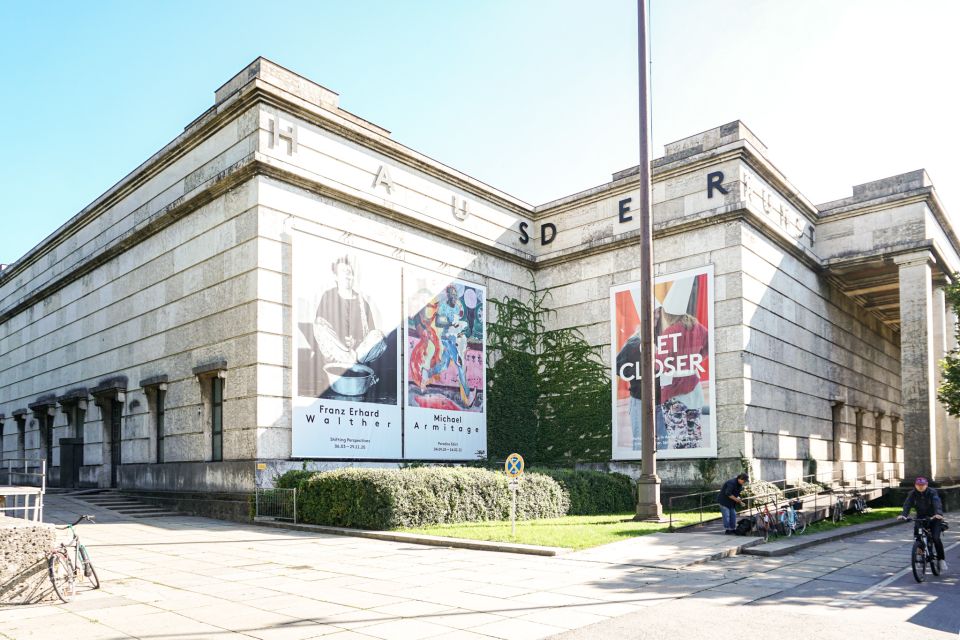
- Haus der Kunst and propaganda art: You’ll learn how the regime shaped art, including the story behind the ban on degenerate art.
- German Resistance included: You’ll cover names like Georg Elser and the White Rose, not only Nazi leadership.
What This Munich Third Reich Walk Gets Right
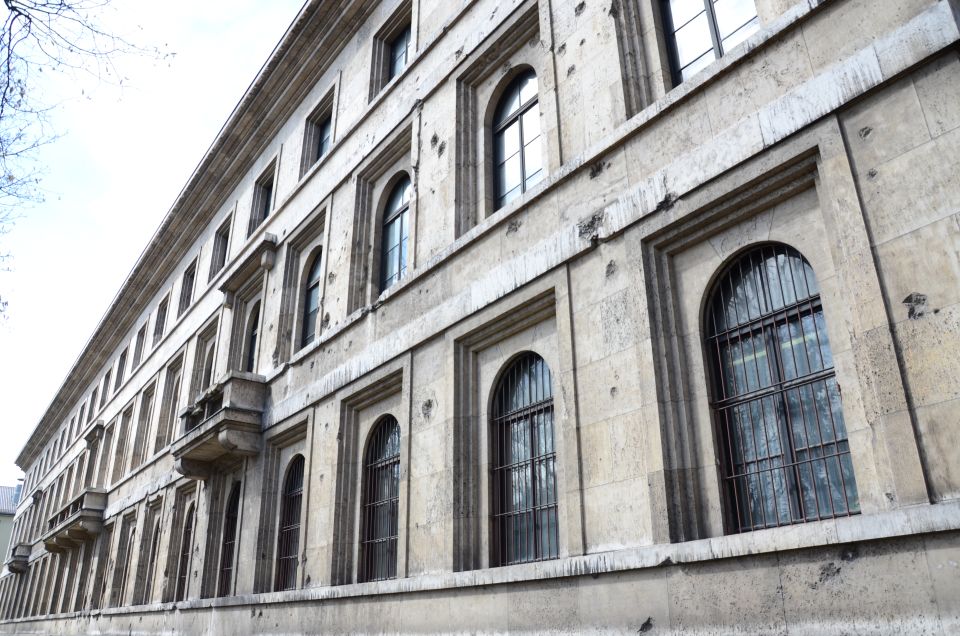
A walking tour like this works because you’re looking at history where it happened. Munich’s Nazi-era story isn’t confined to one museum hall; it’s scattered through the city, and this route follows that pattern.
I also like how the tour doesn’t float around vague ideas. It centers on specific events and buildings: the origins of the National Socialist German Workers’ Party, the Beer Hall Putsch, propaganda architecture at Haus der Kunst, and the political aftermath connected to the Munich Agreement.
The value for you is the structure. In about 2.5 hours, you get a guided thread through the movement—why it started here, how it grew, and how Germans pushed back—while walking between the actual landmarks.
You can also read our reviews of more walking tours in Munich
Starting at Marienplatz: Why This Location Matters
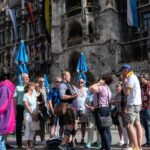
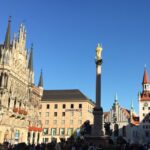
The tour begins at the Tourist Information Office in Marienplatz. It’s a great starting point because you’re dropped into the middle of Munich’s public life, then guided into the political story that later consumed that same kind of public space.
From the beginning, the goal is orientation. You’re retracing political origins tied to Adolf Hitler and the Nazi movement, and the pace is designed to keep you grounded as you transition from everyday city center to charged historical sites.
If you’re the kind of traveler who likes your facts organized, this start helps. You’ll be able to mentally “attach” the later stops—Odeonsplatz, Hofbräuhaus, Haus der Kunst—to one clear storyline instead of a scattered checklist.
Odeonsplatz and Hofbräuhaus: The Beer Hall Putsch in Street-Level Detail
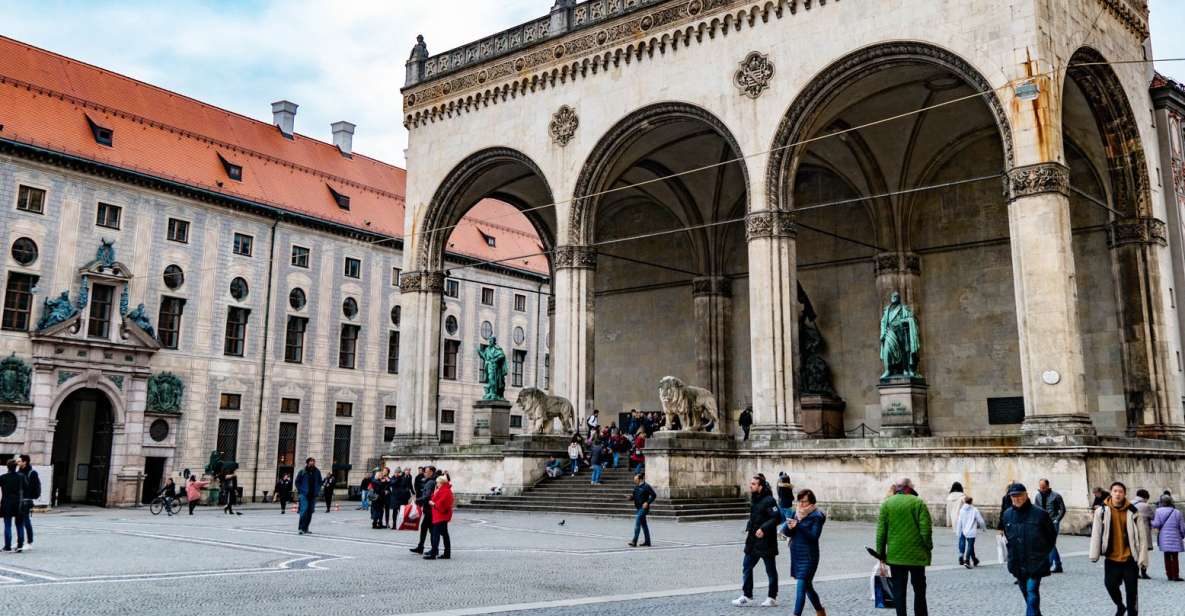
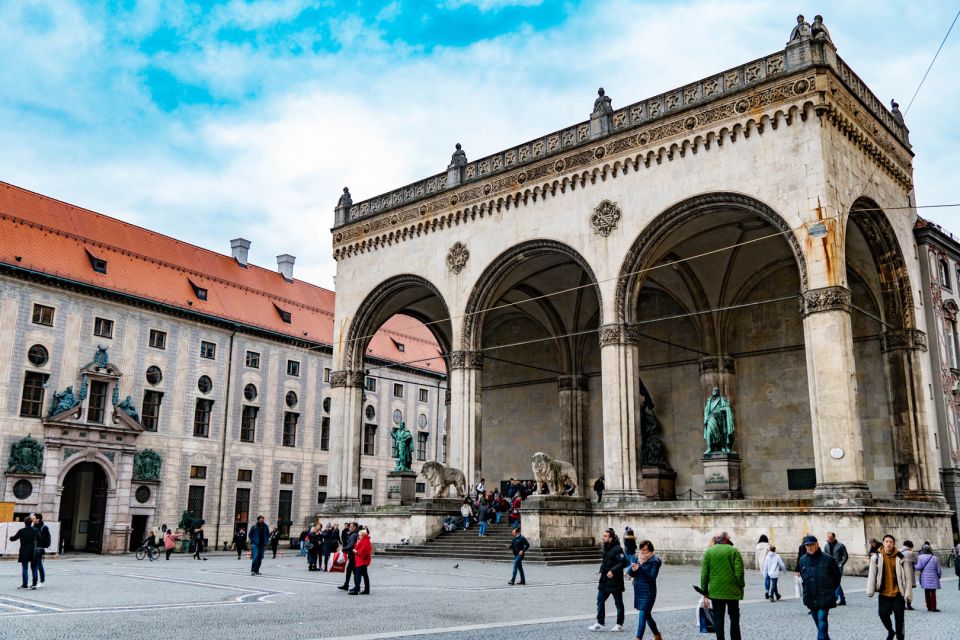
Next comes Odeonsplatz, followed by Hofbräuhaus. This is where the tour turns from background to the kind of event people still reference today: the Beer Hall Putsch.
Standing near Hofbräuhaus matters because it links the plot to a place people recognize from Munich’s wider history and culture. The guide’s job here is to explain what the putsch meant and why its failure still shaped the movement’s future path.
You’ll also connect this stop to the beginnings of the Nazi party in Munich. That’s the key takeaway you should look for: the putsch wasn’t just a moment—it was part of a longer political strategy that built momentum after the event.
Practical note: you’ll be outside a lot. Comfortable shoes are a must, especially since this tour is built around walking between closely spaced landmarks.
Haus der Kunst: Propaganda Architecture and the Fight Over Art
After Hofbräuhaus, you’ll reach the front of Haus der Kunst, described as the first propaganda building in Nazi Germany. This stop changes the tone of the tour from street politics to cultural control, which is exactly where many visitors miss the bigger picture.
Here, you’ll hear about the influence of the Nazi regime on art and the banning of degenerate art. Even if you’re not an art person, it’s worth paying attention, because cultural policy was a tool of power—one that shaped what people were allowed to see, and what they were pushed to reject.
I like that this stop gives you a practical way to understand propaganda. You’re not only learning what happened; you’re seeing how the physical environment—big institutional buildings—was used to project legitimacy and pressure.
If you worry the tour might become one-note political narration, this is the segment that widens the lens. The topic can feel grim, but the explanations help you see the system at work rather than just memorizing dates.
German Resistance Stops: Georg Elser and the White Rose
Then the tour moves into German Resistance. You’ll learn about protagonists such as Georg Elser and the White Rose, which adds an essential balance to the Nazi-focused parts of the route.
This matters because it stops the story from turning into a one-sided parade of leaders and ideology. Resistance is part of the wider truth of the era: people in Germany saw what was happening and acted, even when the odds were against them.
In a short walking format, getting resistance included is a real quality marker. It makes the tour feel less like a lecture about power and more like a guided explanation of how individuals and groups responded to that power.
If you want a more complete mental picture of the Third Reich period, don’t skip the resistance segment. It’s the part that helps you connect the city’s physical landmarks to real human choices.
You can also read our reviews of more guided tours in Munich

Führerbau and Königsplatz: Power, Agreements, and the Bigger Picture
Next is Führerbau, the place where the Munich Agreement was signed in 1938. This stop is where the tour’s timeline feels bigger than just a local Munich story, because it connects to international consequences shaped through the politics happening in Germany.
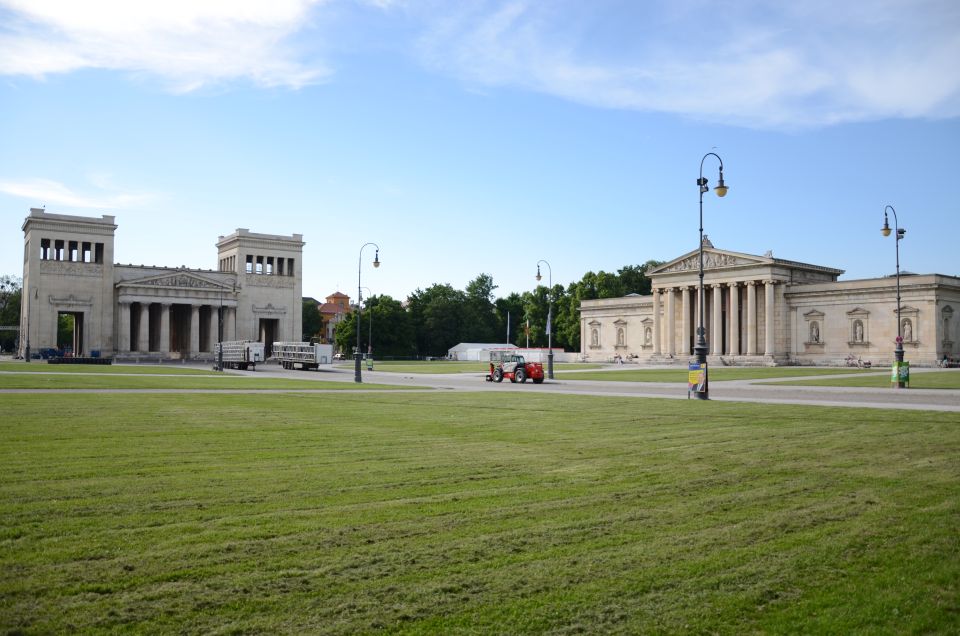
After that, you reach Königsplatz as the tour’s concluding landmark. This is a classic “think moment” stop: you see how big public squares can be used for mass politics, and you’re reminded that decisions made by a few people can spill into the lives of many.
Even with all the heavy context, I appreciate the tour’s ending placement. It keeps the route coherent: you started at the city’s well-known center, then followed the political story into the spaces where ceremony and policy could blend together.
Price and Value: Is $23 a Good Deal?
At $23 per person for a 2.5-hour guided walking tour, the value is mostly about focus. You’re paying for a guided thread through multiple landmark sites—Marienplatz, Odeonsplatz, Hofbräuhaus, Haus der Kunst, Führerbau, and Königsplatz—without needing to plan the route yourself.
This isn’t a museum day with ticketed rooms and long waits. It’s an active, street-level format where the guide ties each location to specific events like the Beer Hall Putsch and the Munich Agreement, plus the Nazi party’s Munich beginnings.
Also, the tour has a strong satisfaction score: 4.9 out of 5 from 34 reviews. That doesn’t guarantee your personal experience, but it does suggest the tour’s pacing and content land well for most people.
One tradeoff to keep in mind: food and drinks aren’t included. So the real cost is usually a small add-on for your own stop before or after.
Pacing, Group Size, and What to Do Before You Go
The tour runs on foot for about 2.5 hours, and the schedule is designed to keep you moving through central sites without long idle stretches. The reviews also point to the tour being very well paced, which is exactly what you want with a subject this intense—you don’t want to feel rushed, and you don’t want to feel lost.
Group size has a practical rule: the tour needs a minimum of four participants to operate. If that minimum isn’t met, the local partner will contact you and offer an alternative.
Because the guide language is Spanish, I’d make one more practical suggestion: decide whether you’re truly comfortable following history in Spanish. If you can understand basic conversation but history vocabulary is tough, you might spend the walk mentally translating instead of absorbing the story.
Finally, bring comfortable shoes. It’s a walking tour, and the route includes multiple stops without any mention of breaks built into the included experience.
Who This Tour Fits Best (and Who Might Want Something Else)
This is a strong pick if you want a guided path through Munich’s Third Reich landmarks with clear explanations tied to named events and figures. You’ll get the Nazi-era story as well as the German Resistance angle, including Georg Elser and the White Rose, which helps round out the narrative.
It’s not a fit if you’re traveling with kids under 13, since children aren’t allowed. And it’s also not for you if you don’t speak Spanish, since the tour is not open to travelers who don’t speak the language.
If you’re the kind of visitor who likes learning on foot—connecting buildings to the decisions made around them—this works well. If you prefer quiet museum-style pacing, you may find the walking format a little demanding.
Should You Book This Munich Third Reich Walking Tour?
Book it if you want a structured, landmark-based way to understand Nazi-era Munich in a short time. The route covers major sites—Haus der Kunst, Führerbau, and Hofbräuhaus—and it includes resistance stories, not just propaganda and power.
Skip it if you don’t feel confident with Spanish, or if you’d rather avoid intense historical topics in a single focused session. Also factor in that you’re responsible for your own food and drinks, since nothing is included.
If you meet the language requirement and you can handle the subject matter respectfully, this is a good value at $23 for a guided walk that stays organized and paced.
FAQ
How long is the Munich Third Reich Guided City Walking Tour?
It lasts 2.5 hours.
Where do I meet my guide?
Meet your guide in front of the Tourist Information Office at Marienplatz.
What language is the tour guide?
The live tour guide speaks Spanish.
Is food or drinks included?
No. Food and drinks are not included.
Can children participate?
No. Children under age 13 are not allowed to participate.
Is the tour available in languages other than Spanish?
No. This tour is not open to travelers who do not speak Spanish.
Is there a minimum group size?
Yes. The tour requires a minimum of four participants to operate.
What should I bring?
Bring comfortable shoes.
Where does the tour end?
The tour ends back at the meeting point at Marienplatz.