REVIEW · MUNICH
Exploring Munich in a Rikscha
Book on GetYourGuide →Operated by Pablo Catalan · Bookable on GetYourGuide
Pedal-powered history beats the usual Munich bus ride. I like that this eco-friendly rikscha keeps you outdoors and moving while you hear Munich’s story from its founding through WWII and up to today. Two things I really love: the close-up feel at Marienplatz and the real change of pace when you reach the English Garden.
One thing to consider: the rikscha is simple and open. In light rain, you may not get much protection, so bring a compact rain layer if the forecast looks iffy.
In This Review
- Key things I’d watch for before you go
- Why a rikscha makes sense for Munich
- Burgstraße 2: your shortcut to Marienplatz
- Marienplatz: the square that anchors old Munich
- Max-Joseph-Platz: elegance without the museum fatigue
- Munich Residenz: seeing power without getting stuck inside
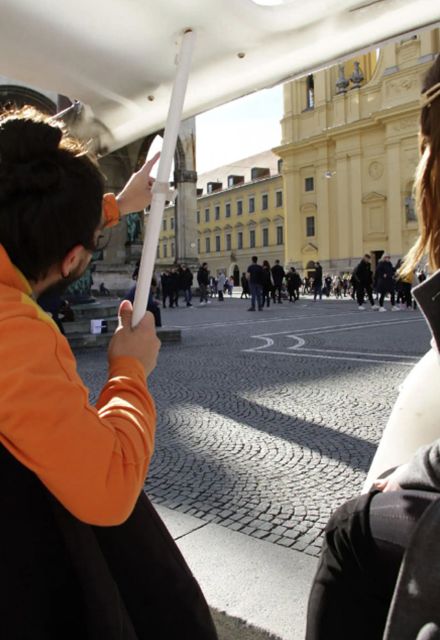
- Odeonsplatz: where the city’s story tightens
- English Garden: the reset button in Munich
- Pablo Catalan and the ride: safe, personal, and not fancy-cartoons
- Time and money: is $116 per group worth it
- Who this tour fits best (and who should rethink it)
- Practical tips to get the most out of the ride
- Should you book the Munich rikscha tour?
- FAQ
- Where does the tour start?
- How long is the tour?
- What is the maximum group size per rikscha?
- Is the tour wheelchair accessible?
- What languages are offered?
- Is this a private tour?
- What’s the price?
- Is there a refund if I cancel?
Key things I’d watch for before you go
- Starting point that’s easy to find: Burgstraße 2, in front of the Garibaldi wine shop, just steps from Marienplatz.
- Pablo Catalan’s street-level storytelling: history that runs from Munich’s foundation to WWII and the present day, in plain language.
- Old-town squares with short stops that add up: Marienplatz, Max-Joseph-Platz, Odeonsplatz, plus a look toward the Munich Residenz.
- A focused break in the English Garden: about 20 minutes to slow down and soak in the park atmosphere.
- A small private setup: up to 2 adults and 1 child per rikscha; not wheelchair accessible.
Why a rikscha makes sense for Munich
Munich can feel a little “big and spread out” once you’re walking between squares and monuments all day. A rikscha fixes that. You’re not stuck in a slow-moving coach, and you’re not forced into long stretches where you’re just trying to survive the pavement.
I like that the tour uses modern eco-friendly transport to keep things light on your feet and easy on your schedule. It’s a short outing, but it hits the kind of landmarks you’ll want photos of and stories you’ll actually remember.
And because it’s a private group, you don’t have to worry about tuning out when the guide gets specific. You’ll get to ask what matters to you, whether you care most about architecture, wartime history, or how Munich works today.
You can also read our reviews of more tours and experiences in Munich.
Burgstraße 2: your shortcut to Marienplatz
Meet at Burgstraße 2, right in front of the Garibaldi wine shop. It’s close enough that you can orient fast—this matters because Munich center can be a maze when you’re carrying a map, a phone battery, and a snack plan.
If you’re the type who likes to arrive early, give yourself a few extra minutes to spot the starting point without rushing. The tour is private, so you want everyone accounted for before the rikscha rolls.
This is also one of those tours where “right place, right time” improves the whole day. Once you’re aboard, you’ll be moving through the heart of Munich with stops that feel timed for seeing, listening, and then continuing.
Marienplatz: the square that anchors old Munich
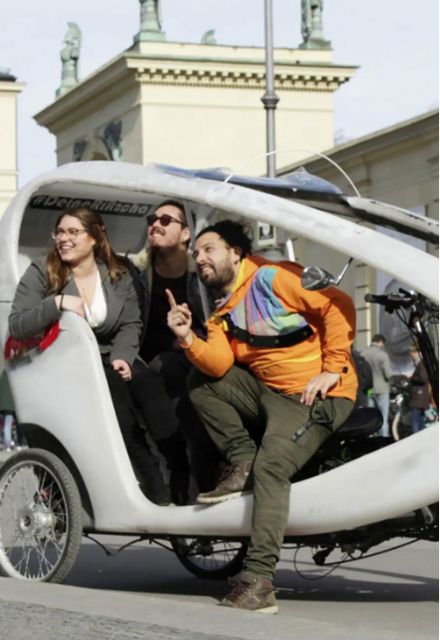
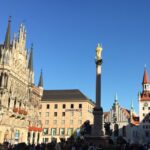
Marienplatz is Munich’s signature meeting point. It’s where the city’s identity shows up in stone, streets, and the way people pass through.
On this tour, you’ll get a focused guided look—about 10 minutes—that’s long enough to orient yourself and short enough to keep moving. I like that the guide doesn’t just point; they connect what you’re seeing to Munich’s broader story, including the difficult parts of its past.
Practical tip: if you’re planning photos, Marienplatz is one of the best places to do it early. You’ll want a clean sweep shot before crowds build.
Max-Joseph-Platz: elegance without the museum fatigue
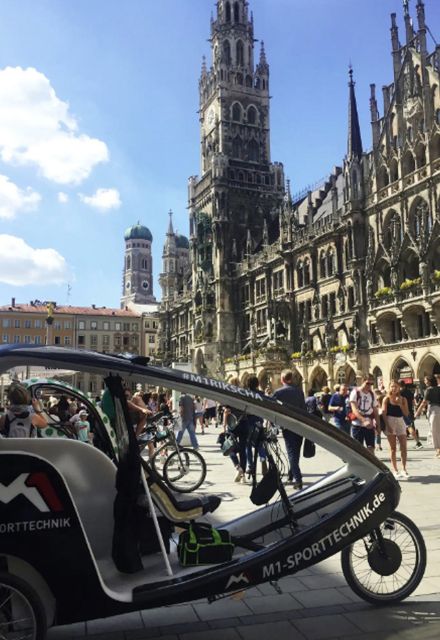
Next comes Max-Joseph-Platz, another central square where Munich’s style turns a little more formal. This stop is also about 10 minutes, so think of it as a quick “read the room” moment.
I like that you get these short square stops in sequence. It makes the tour feel like a guided walk through the city’s visual language, not a lecture broken up by traffic lights.
If you enjoy architecture and want to understand why buildings and spaces feel the way they do, this portion helps you catch patterns fast: where civic life happens, where power used to be displayed, and how today’s Munich still shapes itself around the old layout.
Munich Residenz: seeing power without getting stuck inside
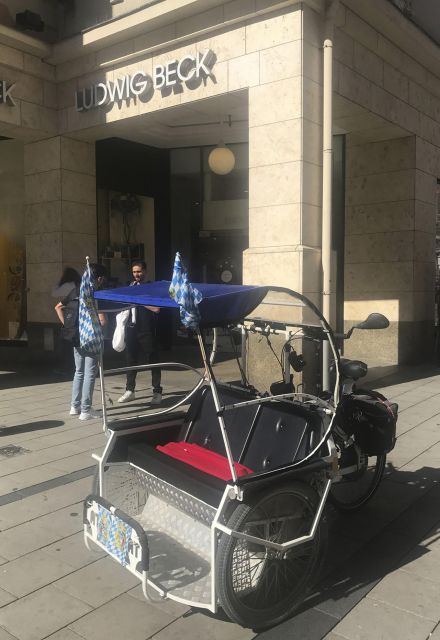
You’ll have a stop tied to the Munich Residenz area for about 10 minutes. The value here isn’t “ticketed museum time.” It’s outside perspective—learning what you’re looking at and why it mattered, while keeping momentum.
This is a smart choice if you only have a limited window in Munich. You’re getting context you’d otherwise have to search for on your own, and you’re still leaving space in your day for whatever you want to do next.
If you’re the type who loves going inside historic sites, you might use this stop to decide whether the Residenz is worth adding to your itinerary later. The tour sets the stage, and you can follow up if you feel curious.

Odeonsplatz: where the city’s story tightens
Odeonsplatz is the kind of place that rewards a guided glance. The stop is short—about 10 minutes—but it’s enough for the guide to point out what to notice so you don’t miss the emotional weight of the space.
Here’s what I like about the pacing: you’re still fresh from the earlier stops, and the guide can connect themes across Munich’s history. You’ll hear how the city’s past shaped what you’re seeing now, including references to WWII and the way Munich lives with its history.
Photo tip: Odeonsplatz is a good place to grab one “wide angle” shot from a stable spot, then one closer detail photo. Don’t burn all your time perfecting angles—this tour is designed to move.
English Garden: the reset button in Munich
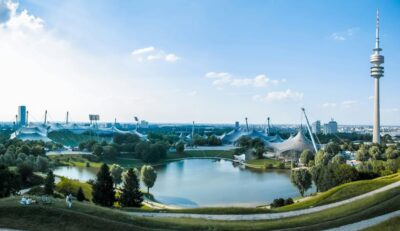
Then you reach the English Garden, with about 20 minutes dedicated to it. This is where the tour makes its biggest shift: from tightly focused city center squares to open park energy.
I love that the guide includes English Garden time because it changes your entire Munich experience. Even if you’re not a long-stay park person, this stop helps you understand how locals breathe—how the city’s green space works as a counterweight to monuments and stone.
If you want to maximize the stop, pick a direction you can walk slightly and then stop for the guided explanation. You’ll get more out of listening when you’re not constantly scanning for where to stand.
Weather note: since the rikscha is open, you’ll likely feel more temperature and wind here than you would on an enclosed vehicle. A light layer helps even in mild weather.
Pablo Catalan and the ride: safe, personal, and not fancy-cartoons

The experience runs with live guidance in English, Spanish, or German, and the driver-guide name is Pablo Catalan. From what I’ve taken in from the way the tour is described, the vibe is practical: Pablo is framed as both a safe driver and a guide who ties history into stories you can repeat later.
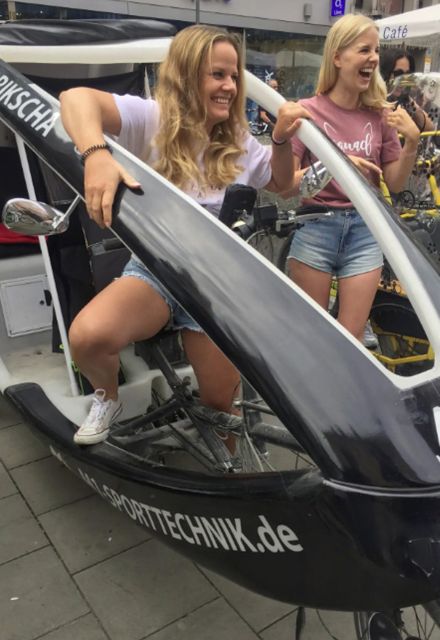
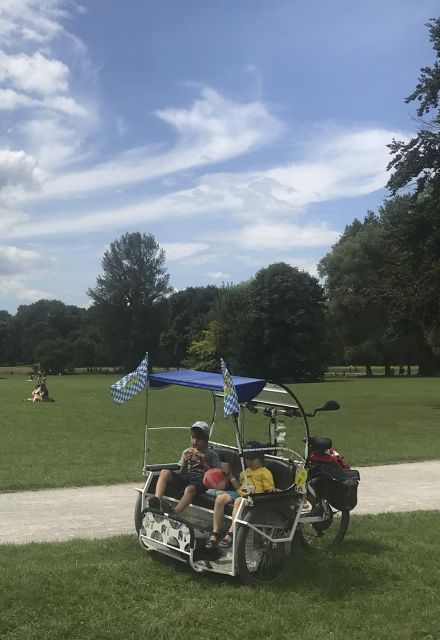
One real-world detail to know before you go: the rikscha itself may look simpler than what you’d expect from idealized photos. In one case, the vehicle was described as essentially a bike with a seat/bench setup. That’s not a dealbreaker, but it does change expectations. Think “human-powered-style transport” more than “glam cart.”
Still, that simplicity is part of the charm. You’re closer to street level, and the whole tour feels more like a short guided passage through the city than a big production.
Time and money: is $116 per group worth it
The price is listed at $116 per group for up to 2 people. You’re also told the experience lasts about 1 hour, while another description frames it as a 90-minute tour. Either way, plan for a short, high-impact outing.
Here’s how I judge value for a tour like this:
- You’re paying for expert guidance at multiple landmarks you’d otherwise need to piece together on your own.
- You’re paying for comfortable transport that reduces walking stress during peak sightseeing hours.
- You’re paying for a private setup rather than waiting around with a big group.
If you’re a couple or a small family group that wants the highlights without building a detailed self-guided route, this can be a good use of money. If you prefer to roam at your own pace for hours, you might feel the time is short.
Also note the group limit: each rikscha accommodates a maximum of 2 adults and 1 child. That matters for planning family costs and for making sure your party size fits the vehicle.
Who this tour fits best (and who should rethink it)
This is a solid choice if you:
- Want iconic Munich stops without committing to a full-day schedule.
- Care about history and would rather hear it with context than read it later.
- Like the idea of a private guide but don’t want to spend hours in transit.
It’s also a good option when you want quick clarity on where things are—Marienplatz, the Residenz area, and the English Garden are all key anchors for understanding Munich’s layout.
You should rethink it if:
- You’re using a wheelchair (the tour is listed as not suitable).
- You’re dealing with heavy rain expectations and hate getting wet. Since the rikscha is open, comfort depends on weather.
Practical tips to get the most out of the ride
A few small moves make a big difference with a short tour:
- Wear shoes that handle city sidewalks well. Even with the rikscha, you’ll still be standing and moving during stopovers.
- Bring a thin rain layer if forecast is uncertain. The tour doesn’t imply full weather protection.
- Have one or two history questions ready. You’ll get more value when you steer the conversation toward what you care about.
Also, use the tour as a launchpad. The experience includes recommendations for other places and activities in Munich. That’s useful because you’ll leave with next steps that match your interests instead of getting generic advice.
Should you book the Munich rikscha tour?
I’d book it if you want a short, private highlight pass through Munich with real storytelling, not just sightseeing checkpoints. Marienplatz plus the English Garden is a great pairing, and the guide’s focus on Munich’s founding, WWII, and today gives the day more meaning than “look at the pretty buildings.”
Skip it if you need long park time, want full museum entry, or you’re counting on a fully weatherproof vehicle in rainy conditions.
If your schedule is tight and you want your first Munich day to feel organized and memorable, this is a smart, efficient choice.
FAQ
Where does the tour start?
The meeting point is at Burgstraße 2, in front of the Garibaldi wine shop, just a few steps from Marienplatz.
How long is the tour?
The duration is listed as 1 hour, and the experience is also described as a 90-minute tour. Either way, plan for a short outing.
What is the maximum group size per rikscha?
Each rikscha is for a maximum of 2 adults and 1 child.
Is the tour wheelchair accessible?
No. The tour is not suitable for wheelchair users.
What languages are offered?
The live tour guide offers Spanish, German, and English.
Is this a private tour?
Yes, it’s described as a private group.
What’s the price?
The price is listed as $116 per group up to 2.
Is there a refund if I cancel?
Yes. You can cancel up to 24 hours in advance for a full refund.