REVIEW · BERCHTESGADEN & EAGLE'S NEST DAY TRIPS
Eagle’s Nest, Lake Königssee and ‘Fuehrer Headquarters’ Private Tour from Munich
Book on Viator →Operated by Sightseeing Bavaria Exclusive · Bookable on Viator
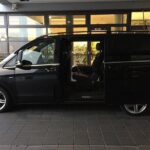
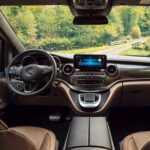
Mornings start early, but the payoff is real. This private Berchtesgaden-area tour is built for less crowd time and a smoother route than trying to DIY it, with guides like Karl and Thomas guiding the story from the road to the viewpoints. You get a comfy ride in an A/C Mercedes or VW minivan, and the day is paced around what you want to see.
I especially like the way the guide can shape the itinerary on the fly, including small “do it now” tips that save time once you’re at the big sights. I also like the focus on the area’s signature moments: the quiet boat ride at Lake Königssee, the dramatic stop at Eagle’s Nest, and the Obersalzberg sites with real historical context.
One thing to consider: the tour price is high, and the big-ticket entrances (like Eagle’s Nest and the Königssee cruise) cost extra, plus it’s a long day from 7:30 AM onward. If you add too many optional stops, the schedule can feel packed.
In This Review
- Quick takeaways: what makes this tour click
- Munich to Berchtesgaden without the stress: the private-ride advantage
- Mount Irschenberg and Chiemsee: a scenic warm-up with history
- Lake Königssee cruise and St. Bartholomä: the calm, classic moment
- Königssee village stop: quick photos and a breather
- Berchtesgaden town center: painted houses, salt-era roots, and wartime leftovers
- Eagle’s Nest (Kehlsteinhaus): the elevator moment and what to watch for
- Obersalzberg history route: what remains and how to see it
- Dokumentationszentrum Obersalzberg and the on-request timing puzzle
- Rossfeld Panoramastrasse and the Sound of Music link
- Salt Mine adventure on the Obersalzberg: fun, cold, and practical
- Optional Salzburg add-on: a taste of Austria without a full detour
- Price and value: what $921.66 really means
- When plans shift: closures, traffic, and how flexible is flexible
- Should you book this private Munich day trip?
- FAQ
- What time is pickup in Munich?
- Is this tour private?
- How long is the tour?
- What entrance fees are not included?
- Can I add Salzburg, Rossfeld Panoramastrasse, or the salt mine?
- What is the cancellation deadline for a full refund?
Quick takeaways: what makes this tour click
- A private A/C Mercedes/VW minivan means no group shuffling and less hunting for parking.
- Lake Königssee by electric boat gets you the famous echo experience and the Hirschau St. Bartholomä area efficiently.
- Eagle’s Nest (Kehlsteinhaus) with practical timing tips helps you beat lines once you’re there (especially for the elevator).
- Obersalzberg history stops give you a guided route through the places that remain after 1945 and afterward.
- On-request add-ons like Salzburg, the Salt Mine, and Rossfeld Panoramastrasse let you tailor the day without locking into a single itinerary.
Munich to Berchtesgaden without the stress: the private-ride advantage
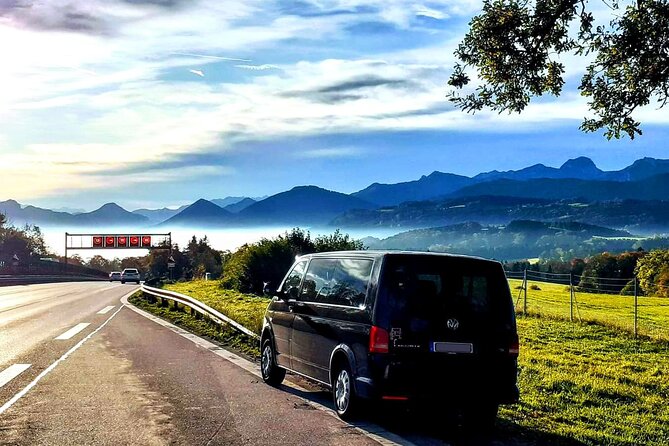
This is one of those tours that feels built for sanity. You start with pickup around 7:30 AM from your Munich hotel or a nearby address, then you settle in while your guide and driver handle the road, traffic, and the logistics of moving between sights.
Because it’s only your group in the vehicle, you’re not waiting for slow walkers, losing time to bathroom breaks, or negotiating where everyone wants to stand for photos. In the reviews, the tone is consistent: guides like Karl and Thomas don’t just point at landmarks; they also handle the day like a plan that adapts.
The practical part matters: selected scenic routes are part of the deal, and bottled water is included. That sounds minor until you’re on a long day with tight timing between major stops.
You can also read our reviews of more private tours in Munich

Mount Irschenberg and Chiemsee: a scenic warm-up with history
Before you even hit the Berchtesgaden region, you get a couple of smart “setup” moments that help the day feel like a journey, not a checklist.
You pass the old 14th-century pilgrimage church of St. Maria Ramersdorf as you leave Munich on the A8 heading southeast. It’s a quick start, but it gives you that first sense of place: southern Germany beyond Munich’s city pace.
Soon after, you reach the Mount Irschenberg viewpoint, described as the most beautiful view from a German motorway. And you get context too: this “panoramic motorway” routing dates to the mid-1930s and was part of National Socialist propaganda, using landscape staging to push a message. A good guide keeps this kind of history clear-eyed without making it heavy-handed.
Then comes Lake Chiemsee, the largest lake in Bavaria. You’ll see one of the standout oddities near the shore: Germany’s first motorway rest area (from 1937/38). After WWII, parts of the building complex were used by the US Army as an AFRC Lake Hotel until 2003, and an abandoned boat dock still hints at that chapter. It’s the kind of side detail that makes the drive memorable without taking over the day.
Lake Königssee cruise and St. Bartholomä: the calm, classic moment
If your day has a “wow, so this is why people come” highlight, it’s Lake Königssee. You’re not just looking at the water. You’re taking the historic way to reach the sights.
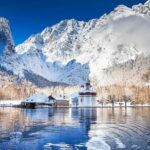
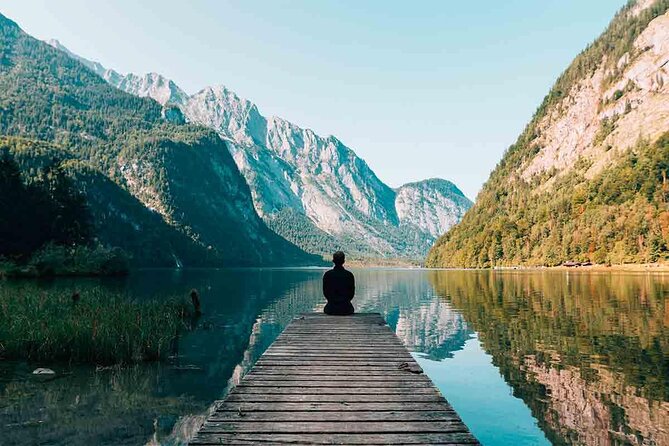
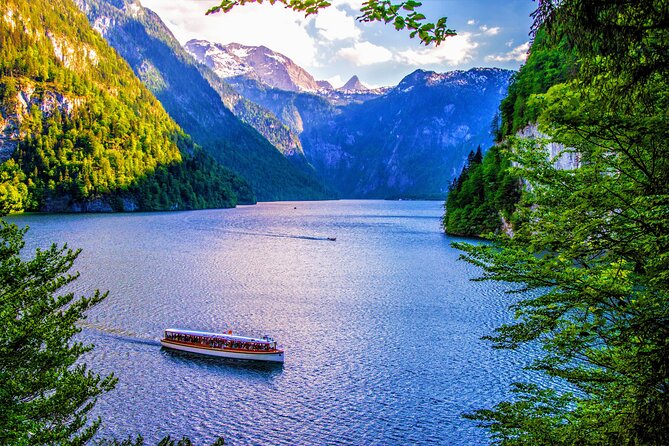
Here’s the key geographic fact: there’s no road and not even a hiking trail around the lake’s 8 km length, because it’s hemmed in by steep rock walls. The peninsula with the famous pilgrimage chapel St. Bartholomä and the old hunting lodge can only be reached by boat.
The cruise is about 35 minutes, and it’s part sightseeing, part nature theater. You get the famous echo of the lake, plus views of the Mount Watzmann East Wall and a description of the “sleeping witch” rock formation. Even in bad weather, this area tends to feel powerful because the mountains force your attention upward.
Budget wise, the Königssee cruise isn’t included. The skip-the-line ticket listed for 2025 is €22.80 for adults (and €11.40 for kids 6–17). If you’re doing the boat anyway, pre-planning your timing makes a big difference.
Königssee village stop: quick photos and a breather
After the cruise, there’s a short stop in the village of Königssee near the waterfront. This is less about “must-do” and more about breathing and resetting your brain.
You’ll find an easy pedestrian zone, photo points, and inexpensive shopping. It’s also a useful buffer if you’re trying to keep the day comfortable for mixed ages, since you’re not in constant movement.
This is the kind of stop I like on private days: it gives you a small reward that doesn’t eat up the schedule needed for bigger attractions.
Berchtesgaden town center: painted houses, salt-era roots, and wartime leftovers
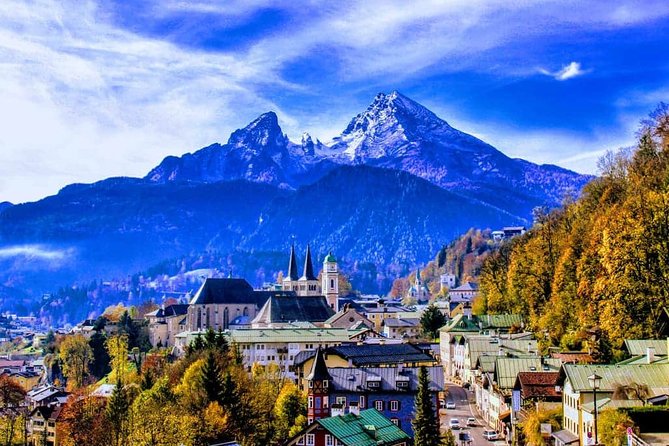
From Königssee, you move into Berchtesgaden, a market town surrounded by steep alpine terrain. This place is famous for being postcard-perfect on the outside, but your guide can also point out the layers underneath.
Historically, Berchtesgaden traces back to early 12th-century documentation, and salt and metal mining helped drive an economic rise. Today, the town center is traffic-restricted, with painted houses and plenty of shopping. If you want a break, the local Hofbrauhaus Berchtesgaden is an easy pit stop.
Then there’s the wartime/20th-century architecture that keeps showing up in unexpected spots. You may notice the huge central station, opened 1 February 1940, and the tunnel portal linked to a planned new railway line toward Salzburg. The guide route may also include references to the Little Reich Chancellery and the residences of Wilhelm Keitel and Alfred Jodl—names tied to the Nazi leadership structure.
This isn’t meant to turn your day into a history lecture. It’s more like getting your bearings: why the region looks the way it does, and how the 20th century left physical traces.
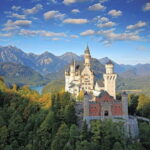
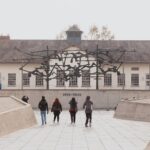
Eagle’s Nest (Kehlsteinhaus): the elevator moment and what to watch for
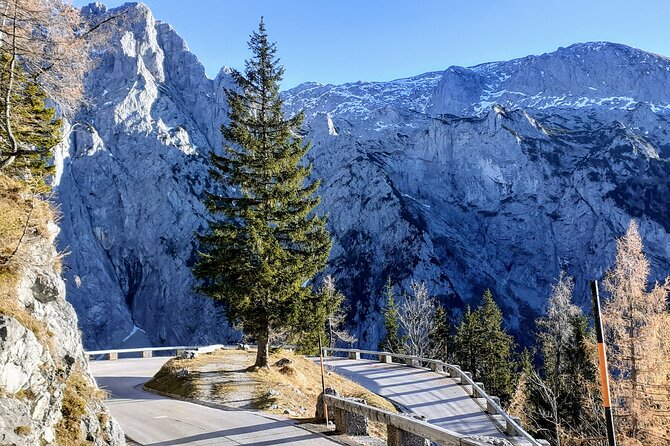
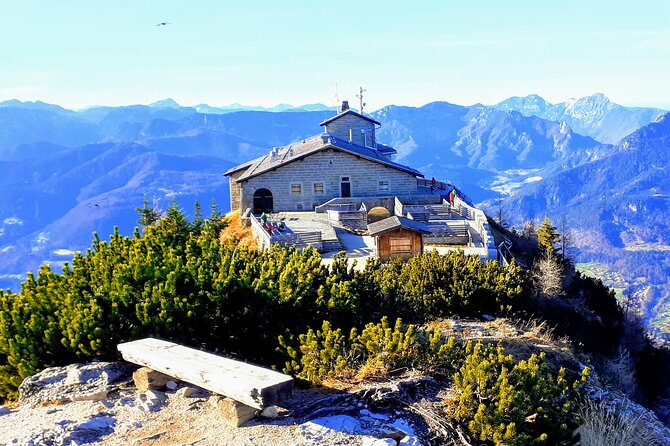
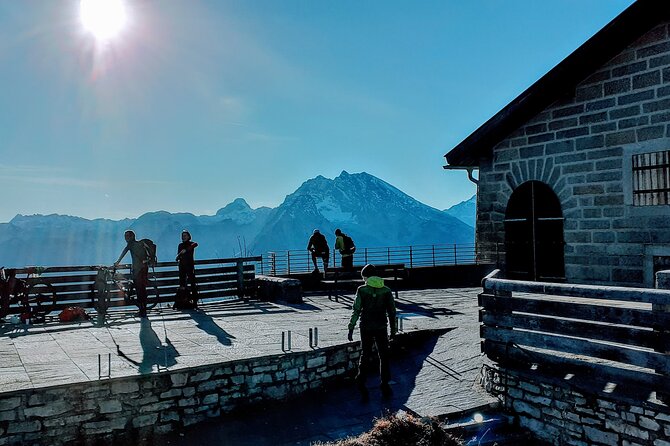
Eagle’s Nest is the headline, but the real value is how you reach it. The Kehlsteinhaus site (Eagle’s Nest) is accessible from early May through late October, depending on road snow conditions, using shuttle buses from the Obersalzberg area.
Your route involves a tunnel-and-elevator climb: from the bus terminus, you walk through a 124-meter-long tunnel, then take an elevator up another 124 meters to the Kehlsteinhaus. The scale of that access tells you something about how engineered this place was.
The historical facts are straightforward and heavy: it was a former Nazi representation building, it survived the British air raid on 25 April 1945 unscathed, and it was built in about 13 months under harsh conditions, including a 6.5 km access road. A small exhibition there gives the Nazi dictatorship context.
Ticket costs aren’t included. For 2025, the listed skip-the-line bus-and-lift ticket is €31.90 for adults and €16.50 for kids 6–14. In one review, the practical advice was clear: go straight to the elevators to avoid time loss in long queues.
Weather matters. In the reviews, fog or mist can blur the top views, but even then, the “almost in the clouds” feeling can make it memorable. If Eagle’s Nest is closed on a given day due to conditions, your guide should stay flexible and help you shift the time.
Obersalzberg history route: what remains and how to see it
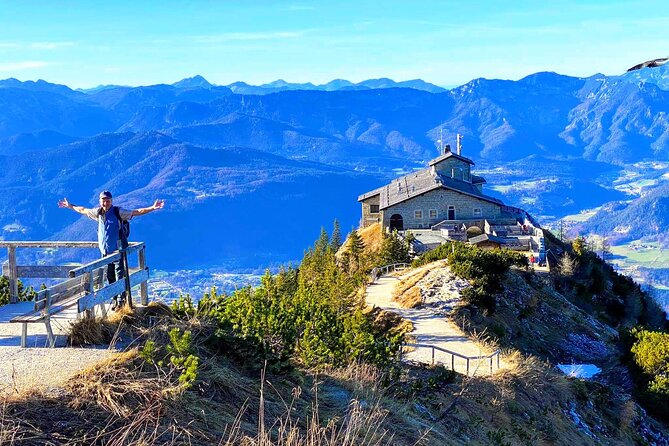
Obersalzberg is where the story turns from sightseeing into remembered history. This plateau below Eagle’s Nest was mostly confiscated and declared a Führersperrgebiet (leader’s restricted area) from 1933.
The guide walk-through typically includes what still exists and what was destroyed. On 25 April 1945, about 1,300 bombs destroyed almost the entire area, and—among other buildings—Eagle’s Nest survived. After the war, many ruins were demolished or blown up in 1952, and some structures were rebuilt (like the Hotel Türken).
With a good guide, you get more than generic facts. You may see locations tied to Hermann Göring and Martin Bormann, and references to Hitler’s Berghof and other planned or used sites. Historical photos help connect the viewpoint you’re standing at with what used to be there.
This is also where the tour benefits from the private format. You can ask questions in the moment, linger at a viewpoint, and move on before you feel bored or rushed.
Dokumentationszentrum Obersalzberg and the on-request timing puzzle
If you want the deeper context, the Dokumentationszentrum Obersalzberg is an on-request addition. It uses display boards in English, plus film excerpts, and it also includes access to part of the underground bunkers.
The bunker-admission detail matters for planning: it lists an admission of €3.00 per adult for the bunkers, with audio guides in several languages. In time terms, you can do the bunkers in at least 30 minutes, or do the bunkers plus the rest of the exhibition in 60 to 90 minutes.
This is one of those places where you need to make a choice. If you take it all in, it can reduce time for other options. On a private tour, that trade-off is easier because your guide can shape the day around your priorities.
Rossfeld Panoramastrasse and the Sound of Music link
Another on-request choice is Rossfeld Panoramastrasse, a panoramic road built between 1938 and 1955. It climbs to about 1,600 m, and you can cross into Austria on foot from there, with mountain inns nearby for food and viewpoints.
You also get the movie trivia payoff: the final scene of the Sound of Music movie was shot here in 1964. If you’re into that kind of connection between film and real geography, this stop can be a fun way to break up the heavier history.
There’s a toll, not included in the tour price: €10.00 for the vehicle including all passengers (listed for 2025). If you choose this, I’d treat it as “scenery time” and keep the rest of the day focused so you don’t feel dragged between many decisions.
Salt Mine adventure on the Obersalzberg: fun, cold, and practical
If your group wants something active, consider the Berchtesgaden Salt Mines. This is the oldest active salt mine in Germany, and the tour is listed at about 1 hour 30 minutes.
You’ll ride a mine railway into the interior, then go deeper on slides. The trip also includes a boat/raft element over a “Mirror Lake” called Spiegelsee. A miner guide explains how salt mining has happened here since 1517.
Two practical things matter a lot here: the mine runs at a constant 12°C (53.6°F), so bring warm layers. Also, you get a protective suit at check-in, and sturdy shoes are recommended. In other words, it’s not a casual stop in sneakers, but it’s a great one if you want variety.
Tickets aren’t included. The skip-the-line listed ticket for 2025 is €25.50 for adults and €13.00 for kids 4–16.
Optional Salzburg add-on: a taste of Austria without a full detour
Yes, you can add Salzburg, and it’s one of the most useful add-ons because it’s close. The plan is a guided Old Town tour of about 50 minutes with parking fees included in the package price.
This is priced differently depending on how you manage time inside your booked window. The data lists:
- €65.00 per group if your booked time frame (9.5 or 11 hours) isn’t exceeded (restrictions on other stops possible)
- €125.00 per group if you add one extra hour
If you want more than the Old Town, your guide can help you decide on extra options like Hellbrunn Palace and its Trick Fountains, or the Sound of Music Gazebo. Those would have their own admissions, since the package covers the guidance and the structure of the day.
Price and value: what $921.66 really means
At $921.66 per person, this isn’t a budget tour. The value is in the parts that cost time and headaches on your own: private transport, a licensed guide, and a driver who knows how to time the day.
You also avoid parking stress and coordination stress. In reviews, that’s one of the repeated themes: you’re not trekking across lots, not guessing transit timing, and not trying to translate ticket rules while holding bags.
But you should budget for add-on costs. Major entrances listed for 2025 include:
- Eagle’s Nest: €31.90 adults (bus ride incl. lift), €16.50 kids 6–14
- Königssee cruise: €22.80 adults, €11.40 kids 6–17
- Documentation center: bunkers have €3.00 per adult if you choose them
- Rossfeld Panoramastrasse: €10.00 toll per vehicle
- Salt mine: €25.50 adults, €13.00 kids 4–16
- Salzburg city sightseeing package: paid in cash on site for the group
Lunch isn’t included. If you compare this to DIY costs, you don’t just save money—you buy back time, comfort, and guidance. For couples, small families with kids, or anyone who hates tight connections, the private format is often worth the premium.
When plans shift: closures, traffic, and how flexible is flexible
This tour is set up with recommended timings, but real life happens. Traffic can cut into drive time. Weather can affect what you can do comfortably.
There’s also a specific risk at the top: Eagle’s Nest access depends on road conditions (open May through October, depending on snow). One review described an Eagle’s Nest closure, and the guide stayed flexible to make the day work anyway.
So I’d treat this as a “guided day that can adjust,” not a rigid factory schedule. The best-case scenario is smooth timing; the backup scenario is a guide who changes the order and helps you keep the day feeling full.
Should you book this private Munich day trip?
Book it if you want a guided, private way to see the Berchtesgaden area’s heavy hitters: Lake Königssee by boat, Berchtesgaden town, Eagle’s Nest, and the Obersalzberg sites. The private van, A/C comfort, and the ability to ask questions all day make it feel like a real conversation, not a rushed circuit.
Skip it (or modify your expectations) if you’re extremely price-sensitive, because major attractions and add-ons cost extra, and this is still a long day from early morning. If you’re the kind of traveler who likes a free day with no structure, you might feel the schedule pressure—especially if you stack multiple on-request additions.
If you do book, I’d pick your must-dos first (usually Königssee and Eagle’s Nest), then add only one “extra adventure” like the salt mine or Salzburg. That keeps the day feeling satisfying instead of frantic.
FAQ
What time is pickup in Munich?
Pickup starts at 7:30 AM. You can arrange pickup from your hotel/address in Munich at that time, or request a different pickup time if needed.
Is this tour private?
Yes. It’s a private full-day excursion where only your group participates, using a Mercedes or VW minivan (A/C) for your group only.
How long is the tour?
The tour runs about 9 hours 30 minutes to 11 hours, depending on the option you choose and how your day is paced.
What entrance fees are not included?
Entrance fees are not included for key stops like Eagle’s Nest, the Lake Königssee cruise, and optional additions like the Salt Mine and Dokumentationszentrum Obersalzberg (bunker admission). Lunch is also not included.
Can I add Salzburg, Rossfeld Panoramastrasse, or the salt mine?
Yes, those are listed as on request additions. Salzburg has a cash package price for the group, Rossfeld has a vehicle toll, and the salt mine has its own ticket price.
What is the cancellation deadline for a full refund?
You can cancel up to 24 hours in advance for a full refund. Canceling less than 24 hours before the start time is not refunded.