REVIEW · MUNICH OLD TOWN WALKING TOURS
Munich: Old Town Walking Tour in Spanish
Book on GetYourGuide →Operated by Bayern a medida GmbH & Co KG · Bookable on GetYourGuide
Munich sings at street level. A Spanish walking tour that links the big sights—Frauenkirche and Marienplatz—with the everyday food-and-beer side of town, plus stories that make the places feel real. I like how the route is built around major landmarks, not random stops, so you come away with your bearings fast.
What I really enjoy is the human side: a Spanish-speaking guide who explains the important people and the why behind the buildings, with anecdotes that keep it moving. One guide named Oscar, in particular, is known for being friendly, competent, and detail-focused, and the result is a walk that feels easy to follow even when you’re standing still for photos.
The main catch: this tour is only for people who speak Spanish. If you can’t follow the guide comfortably, it will feel like you’re just watching a slideshow while walking.
In This Review
- Key reasons this Munich walk works
- A Spanish old-town walk that helps you actually understand Munich
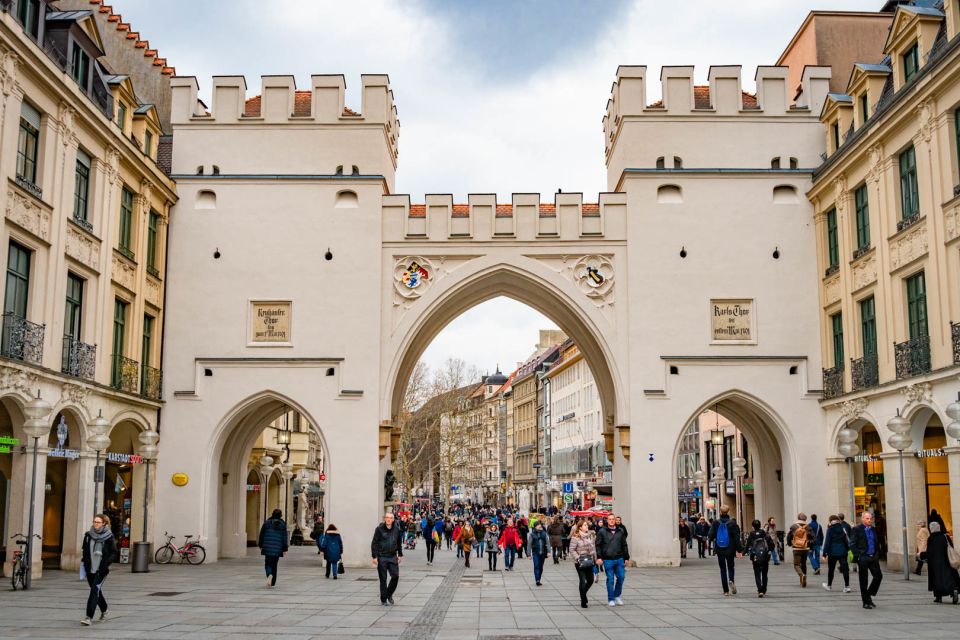
- Where the tour starts at Karlstor Gate (and how to plan your timing)
- Sant Michael: the first church stop that sets the tone
- Frauenkirche and Marienplatz: two landmarks, two different vibes
- Viktualienmarkt: where Munich’s culinary culture becomes real
- Hofbräuhaus: beer culture plus stories that explain the city
- National Theater and the Residenz: royal Munich without the long museum day
- Price and value: why $23 can work if you match the format
- Pace, walking comfort, and language needs you should take seriously
- Who should book this Munich old-town Spanish tour
- Should you book this tour?
- FAQ
- Is this Munich old town walking tour in Spanish?
- Where do I meet the tour guide?
- How long is the tour?
- What does the ticket price include?
- What is not included in the tour price?
- Is the tour open to travelers who don’t speak Spanish?
- Is the tour suitable for people with limited mobility?
Key reasons this Munich walk works
- Real old-town landmarks in a tight, walkable loop
- Marienplatz Town Hall chimes as a built-in moment to pause
- Hofbräuhaus beer culture explained in plain, practical terms
- Viktualienmarkt food-life stop that shows how locals snack and socialize
- Church stops that you can actually appreciate (Sant Michael plus Frauenkirche)
- Guide quality: friendly, competent, and attentive to details
A Spanish old-town walk that helps you actually understand Munich
If you only have a few hours, this type of guided walking tour is one of the smartest ways to get oriented. Munich’s center looks classic and orderly, but the meaning lives in the details: why a cathedral was built where it was, why a square became the social heart, and why beer is treated like part of everyday culture—not just a souvenir idea.
You’ll get a solid mix of architecture and local life. On one side you have the big icons like Frauenkirche and Marienplatz. On the other you’ll spend time around Viktualienmarkt and Hofbräuhaus, where the city’s food-and-beer rhythms show up in real time. For me, the win is that you’re not forced to choose between “pretty buildings” and “how people live.”
And because the guide speaks Spanish, you’re hearing the city through a single consistent voice—stories stay connected instead of turning into a self-guided scavenger hunt.
You can also read our reviews of more walking tours in Munich
Where the tour starts at Karlstor Gate (and how to plan your timing)
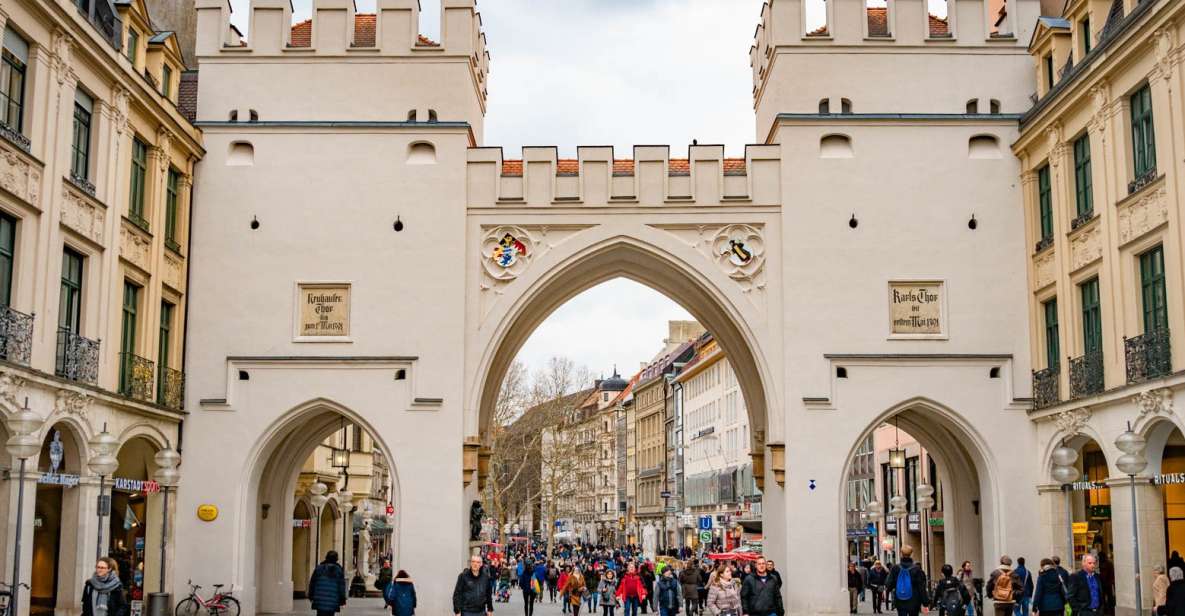
You meet at Karlstor Gate on Karlsplatz. The practical tip is simple: show up 10 minutes early. The group meets under the gate, then you head off on foot right away.
The total time is about 3 hours, so plan this like a morning-or-afternoon block, not a quick add-on. There’s no hotel pickup, and the tour ends back at the same meeting point, so you can build your day around it without complicated transport.
One thing to know up front: this isn’t a “sit and admire” experience. It’s a walking tour, and you’ll cover enough ground that comfortable shoes matter. If your feet are sensitive, treat this like a mini hiking day for your calves.
Also, the tour requires a minimum of three participants. If that threshold isn’t met, you’ll be contacted about an alternative. It’s one of those small details that can affect your plans, so check your confirmation.
Sant Michael: the first church stop that sets the tone
The walk starts with a church visit at Sant Michael. This is a good opener because churches can be intimidating if you don’t know what you’re looking at. A guided stop helps you connect the visuals to context, and it gives you something concrete to watch for rather than just taking pictures.
This first stop also does something subtle: it trains your eye. Once you understand what matters at Sant Michael, the later cathedral stop (Frauenkirche) won’t just look like another big building. You’ll recognize key elements faster and understand why people cared about them when Munich was growing into what it became.
If you’re the type who likes to know the story behind the stone, you’ll feel rewarded right away. The guide’s job here isn’t to read a textbook. It’s to keep the place understandable.
Frauenkirche and Marienplatz: two landmarks, two different vibes
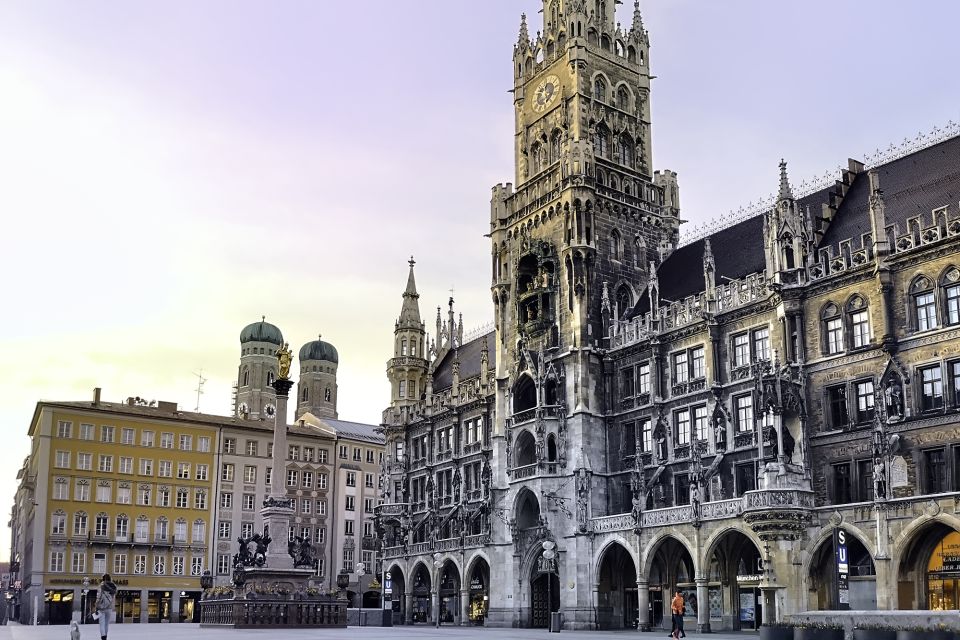
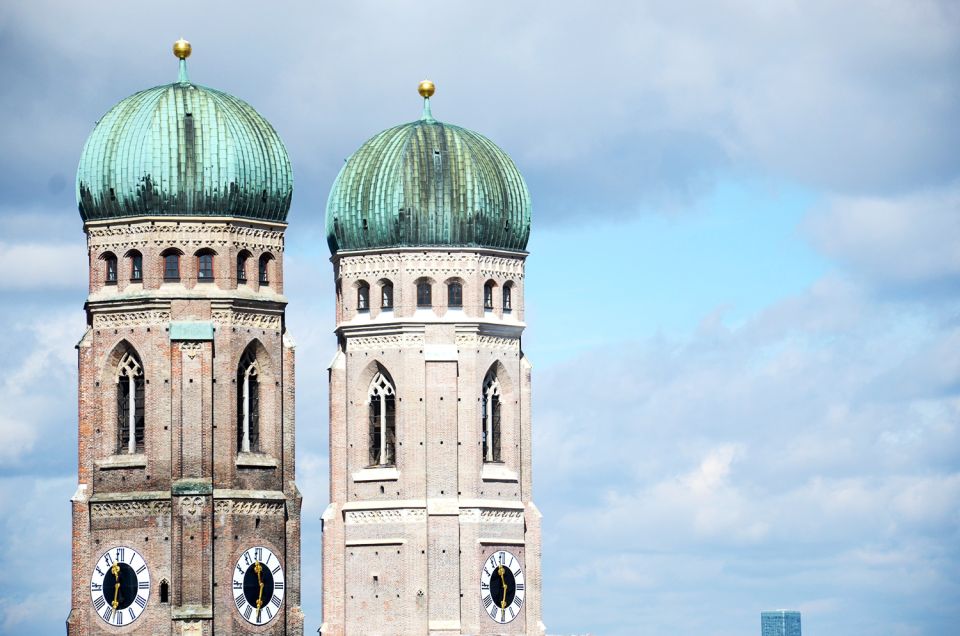
After Sant Michael, you move on to Frauenkirche, Munich’s cathedral. The biggest advantage of having a guide here is that you don’t just get a photo stop. You get the kind of explanation that makes the building feel intentional—why it’s positioned the way it is, and why it became such a defining symbol for the city.
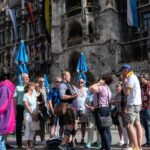
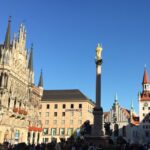
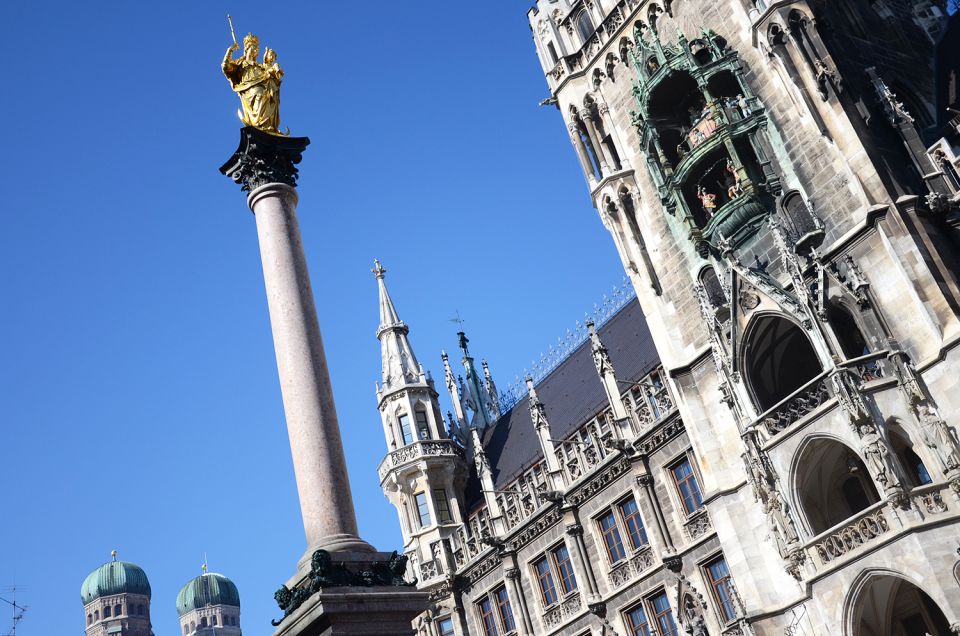
Then comes the core square: Marienplatz. This is where the tour shifts from “architecture appreciation” to “city center awareness.” Marienplatz isn’t only about the buildings around it; it’s also about the feeling of the place—where people gather, and where events and daily life overlap.
A highlight here is the Town Hall and its chimes. Even if you’re not a “bells are my love language” person, it’s a built-in moment to pause. You’ll hear the chimes as part of the story, not just as background noise. It’s the kind of moment that makes the square feel alive instead of like a set on a postcard.
Viktualienmarkt: where Munich’s culinary culture becomes real
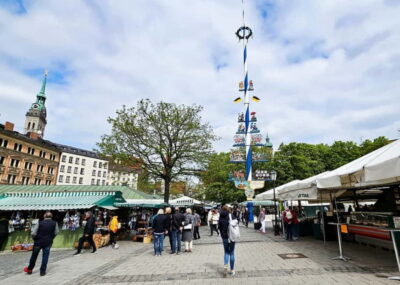
Next, you head to Viktualienmarkt, Munich’s city market. This stop is valuable because it shows you how the city eats when it’s not trying to impress tourists. Markets like this aren’t just places to buy food; they’re social spaces and shortcuts to understanding local habits.
Expect life in the market and the feel of a typical beer-garden vibe. Even if you don’t order anything here (food and drinks are not included), the stop helps you see what people come for: snacks, drinks, and the casual rhythm of conversation.
This is also one of the easiest places for a guide to add value. A good guide doesn’t point out every stall like a map. Instead, they connect the dots: what the market represents, how culinary culture fits into Munich day-to-day, and why a market matters as much as a monument.
Hofbräuhaus: beer culture plus stories that explain the city
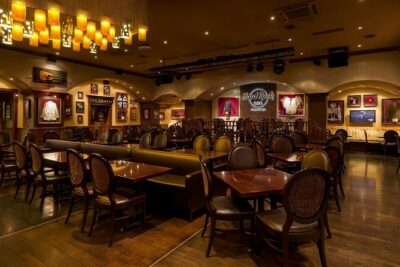
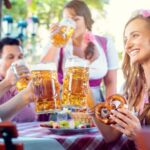
If you came to Munich thinking beer would be just about drinking, Hofbräuhaus can change that. This is the most famous brewery in town, and the tour treats it like more than a photo wall.
You’ll learn about Munich beer culture in a way that ties back to the city’s identity. Beer in Munich isn’t just a drink option—it’s part of how people socialize, celebrate, and carry tradition. A guided explanation helps you understand what you’re seeing and hearing once you’re there.
There’s also an educational angle: the stop is described as a place to talk about beer culture but also contemporary history. That combination is practical. You’re not stuck with vague “German history” talking points. You’re getting the context that makes the setting feel bigger than a single building.
This is a good segment for questions, because you’ll have a lot of impressions at once: the atmosphere, the crowd energy, the cultural role. When a guide can connect it, you walk away with more than a souvenir mindset.
National Theater and the Residenz: royal Munich without the long museum day
Later on, you’ll see the National Theater and the Residenz, the royal residence of the Wittelsbach family. This part works well if you want royal Munich vibes without committing to an all-day museum plan.
The key here is that the tour description focuses on admiration and context—so you’re not necessarily being pushed into a deep, ticket-heavy experience. You get the idea of what these institutions represent and why they matter to the city’s story.
Seeing the Wittelsbach connection matters because it changes how you interpret the city. Munich wasn’t built only for today’s visitors; it became what it is through centuries of leadership, patronage, and power. A guide helps you connect the visual markers to that larger picture, so the sights don’t feel random.
Price and value: why $23 can work if you match the format
At $23 per person for a 3-hour guided walk, the value depends on what you want from the day.
You’re paying for a Spanish-speaking guide plus a structured route that hits major points: Sant Michael, Frauenkirche, Marienplatz, Viktualienmarkt, Hofbräuhaus, and more royal landmarks in the same area. That’s a lot of “big-name city center” coverage in a short time window, and you don’t have to plan the sequence yourself.
It’s also a good rate for what’s included: guided city walking tour and a Spanish-speaking guide. What isn’t included is typical for tours like this—no hotel pickup/drop-off, and no food or drinks. So you’ll want to plan your own meal nearby before or after.
If you’re the kind of traveler who likes to ask questions and get context as you walk, this price-to-time ratio is strong. If you prefer silent wandering with a phone map, you may feel like you’re paying for guidance you won’t use.
Pace, walking comfort, and language needs you should take seriously
This tour is explicitly not recommended for people with limited mobility. And since it’s a walking tour, the safest assumption is that you’ll be on your feet most of the time. Bring comfortable shoes.
Language is the bigger gatekeeper. This tour is not open to travelers who do not speak Spanish. That means you should only book if you can comfortably follow the guide’s explanation without constant translation. If you’re at the level where you can understand most of what’s being said, great. If not, you’ll likely lose too much of the point.
If Spanish is your comfort zone, you’re in good shape. In fact, the whole format works best when you can stay fully engaged with the guide’s stories.
Who should book this Munich old-town Spanish tour
Book it if you want:
- A guided walk through Munich’s core sights in a short time
- Church + square + market + brewery all in one plan
- A guide who can explain what you’re seeing, including beer culture
Skip it if:
- You don’t speak Spanish well enough to follow the tour
- You need an easier, low-walking option due to mobility limits
It’s also a nice fit for travelers who like a day built around a few key anchor stops, rather than hopping between distant areas. The tour stays in the center and brings everything back to your starting point.
Should you book this tour?
I’d book it if Spanish is workable for you and you want the fastest way to get a meaningful feel for old-town Munich. For the price, you’re getting a focused route with real cultural stops: Marienplatz with the chimes, market life at Viktualienmarkt, and beer culture at Hofbräuhaus, all guided by someone who keeps the details clear.
If language isn’t your strong suit, don’t force it. This is one of those tours where understanding the guide is part of the experience, not an optional bonus.
FAQ
Is this Munich old town walking tour in Spanish?
Yes. The tour is conducted in Spanish and the guide is Spanish-speaking.
Where do I meet the tour guide?
Meet under Karlstor Gate on Karlsplatz. Arrive 10 minutes before the start.
How long is the tour?
The tour lasts about 3 hours.
What does the ticket price include?
It includes a guided city walking tour and a Spanish-speaking guide.
What is not included in the tour price?
Hotel pickup and drop-off are not included, and food and drinks are not included.
Is the tour open to travelers who don’t speak Spanish?
No. This tour is not open to travelers who do not speak Spanish.
Is the tour suitable for people with limited mobility?
No. It is not recommended for people with limited mobility.