REVIEW · CITY TOURS
Munich: Third Reich and World War II Segway Tour of the City
Book on GetYourGuide →Operated by Firewheels Tour GmbH · Bookable on GetYourGuide
Gliding past Munich’s WWII sites hits differently. This Segway tour mixes wind-in-your-hair fun with street-level history—including stops near Hitler’s Munich apartment addresses and the Old Synagogue area, all guided on a small loop through the center. I like how quickly you get your bearings, and I also like the guide storytelling that keeps the ride moving without turning into a lecture. One drawback to plan for: if you expect nonstop Segway cruising, there can be stretches where you’ll slow down for turns, traffic, and passing notable buildings.
My favorite part is the setup. You meet the guide at Robot City Segway Tour München, get a quick safety briefing, then do a short practice so you’re not wobbling in front of the whole group. Guides I’ve seen praised by name, like Abdel and Jamal, repeatedly come through as patient and tuned into first-timers, with English that’s clear enough even when weather or nerves add a little chaos. And since groups are limited (up to 10), it feels controlled, not crowded.
The second consideration is pace and detail. Some riders love that they cover big-city highlights fast, but one reviewer noted they’d like more time actually riding in certain areas like the English Garden-style park sections. Another point: if a sight needs extra context (like a specific archway), the depth can depend on what the guide focuses on. Still, the overall vibe stays safe, fun, and very efficient.
In This Review
- Key highlights at a glance
- From Robot City to your first smooth glide
- The WWII and Third Reich route: what you’ll see while you ride
- Königsplatz and Odeonsplatz: political spaces you can actually feel
- Hitler’s Munich addresses: 1920s to 1933, street level
- Old Synagogue area and the Brown House: layered Munich contrasts
- English Garden-style riding plus the road reality check
- Stopping outside historic pubs and the beer recommendations
- Price and value: $100 for 3 hours of guided city coverage
- Who this tour suits (and who should think twice)
- Should you book it?
- FAQ
- How long is the Segway tour in Munich?
- How much does the tour cost?
- Where do we meet the guide?
- What’s included in the price?
- Is hotel pickup included?
- What languages are offered on the tour?
- What group size should I expect?
- Is the tour suitable for kids or pregnant travelers?
- Can I cancel and get a full refund?
- What if I’m a first-time Segway rider?
Key highlights at a glance
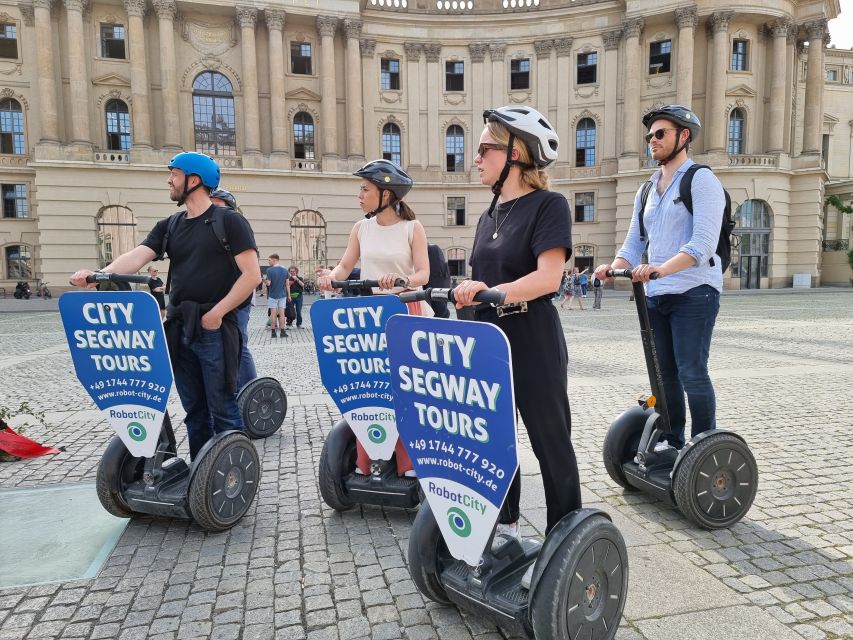
- Segway training first so you can focus on Munich, not balance
- Small group size (up to 10) for a calmer, more personal ride
- WWII and Third Reich landmarks you’ll pass with clear street-level explanations
- Hitler-related apartment stops covering his Munich years from the 1920s to 1933
- Königsplatz and Odeonsplatz landmarks that anchor the city’s political spaces
- Guide recommendations for beer stops like Hofbräuhaus am Platzl and Hofbraukeller after the tour
From Robot City to your first smooth glide
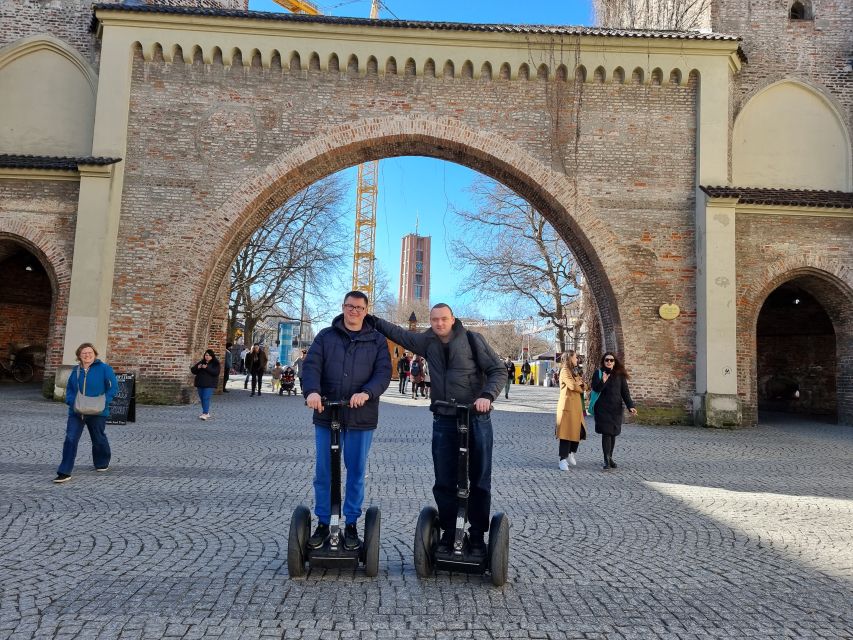
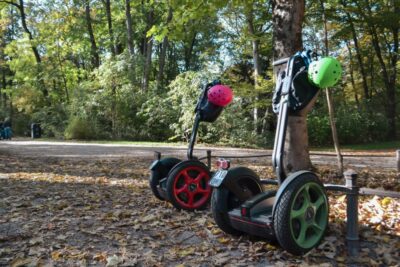
This tour starts at Robot City Segway Tour München, where you meet your guide and get the safety rundown. Then comes the part that matters: the quick practice. If you’ve never ridden a Segway before, this is where the experience either clicks or doesn’t. The good news is the tour is set up for beginners, and multiple guides were praised for being patient and helpful when people were nervous.
Once you’re up and rolling, you’ll feel the practical magic of a Segway in a city like Munich. It’s faster than walking for short distances, but it still lets you look at buildings up close. You’re also high enough to read street scenes without stopping every two seconds. A helmet and the guide are included, so you’re not juggling extra rentals or gear stress.
You’ll ride through the streets with the guide pointing out major landmarks. Expect frequent context: the tour is designed so you can move through the city while learning what you’re looking at. Guides like Abdel and Jamal were described as engaging, helpful, and attentive, and that matters because a WWII-focused route can get heavy if it’s delivered poorly. Here, the goal is clear explanation while keeping the ride flowing.
Weather can change the feel of the tour. One review mentioned snow and freezing conditions, but the tour still ran, so it’s smart to dress for cold wind and slick patches—especially if you’re sensitive on wheels.
You can also read our reviews of more city tours in Munich



The WWII and Third Reich route: what you’ll see while you ride
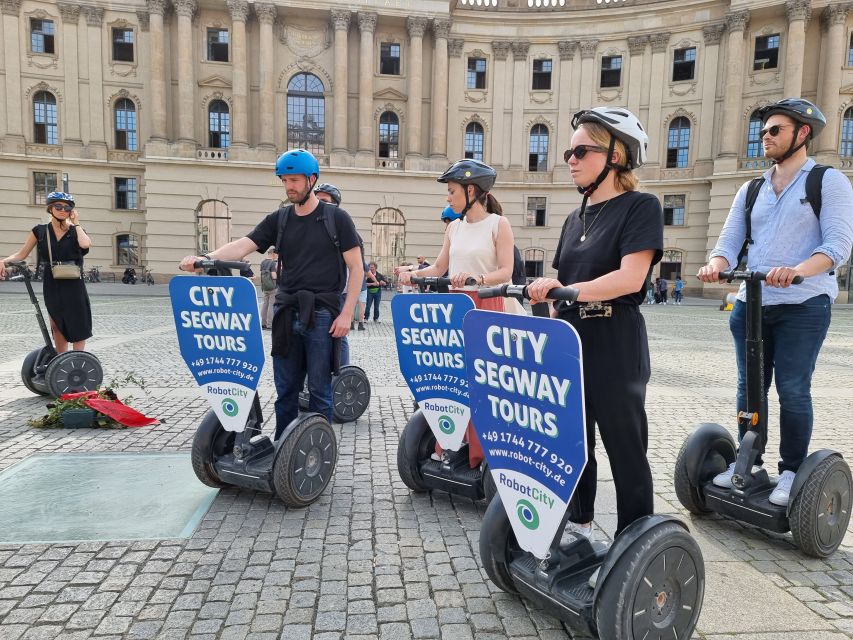
This is not a generic highlights tour. It’s built around Munich’s Third Reich and World War II era connections, using street proximity as the teaching tool. You’ll pass key places tied to the city’s political life and the painful chapters that followed.
The ride includes stops outside historic landmarks such as the site of the Old Synagogue. You’ll also hear what happened in the city during World War II, with the guide connecting the dots between addresses, institutions, and the public spaces where power played out.
A major feature is the focus on Hitler’s Munich living situation. The tour includes both:
- Hitler’s apartment from 1920–1929
- Hitler’s apartment in 1933
That pairing is valuable because it frames the timeline through real addresses. You’re not just hearing names and dates in the abstract. You’re seeing the city as a physical setting where history unfolded, right along normal streets you can picture yourself walking.
This subject matter can feel emotionally charged. If you’re the type who needs to process slowly, keep that in mind. The tour lasts 3 hours, so you’ll get a lot of information in a compressed window. Still, many people come away feeling they learned without feeling overwhelmed, especially thanks to guide pacing and clear explanations.
Königsplatz and Odeonsplatz: political spaces you can actually feel
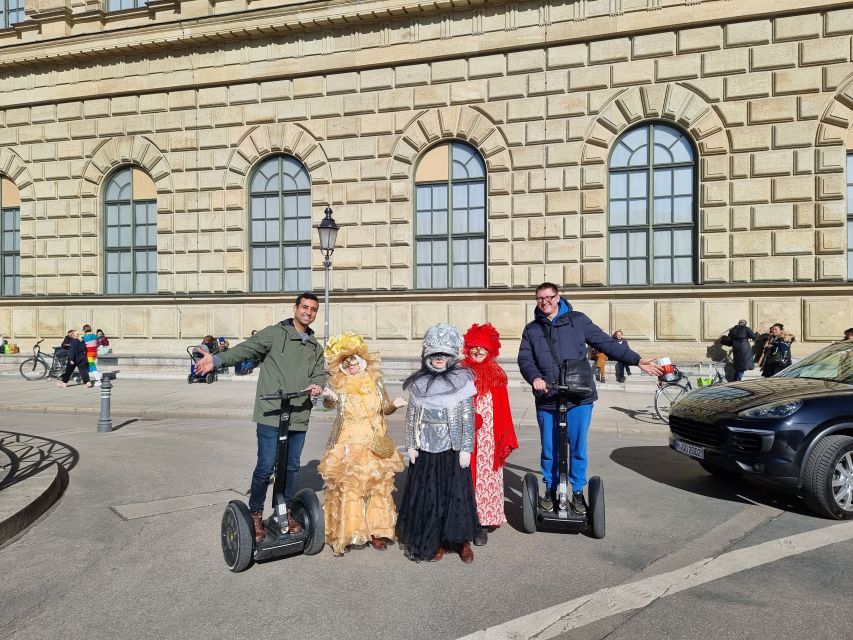
Two of the anchor areas on this ride are Königsplatz and Odeonsplatz. These aren’t random stops. They’re the kind of Munich squares where a sense of authority shows up in the layout and the monumental buildings around them.
What I like about using places like this on a Segway tour is that you can stop your body while moving your attention. You’ll glide in, get the guide’s context, then roll on again. That keeps the “here’s what you’re looking at” momentum without making you stand around too long.
You’ll also pass additional sites tied to the political era, including:
- the Führer’s building (as referenced on the tour)
- the Brown House
- Schelling-Salon, a pub connected to the World War I and World War II period
The guide’s commentary is what turns these into more than photos. Expect stories about the Bavarian kings and Munich’s history too, which helps balance the heavier WWII content with something distinctly local and older than the 1930s.
One small practical note: even with guided stops, squares can bring wind and hard footing underfoot. If you’re wearing light shoes, you’ll want something with grip and warmth.
Hitler’s Munich addresses: 1920s to 1933, street level
If your goal is to understand how Munich became part of Hitler’s rise to power, this portion is the payoff. The tour isn’t vague about his presence in the city. It specifically includes his apartment locations from 1920–1929 and then again the 1933 apartment.
Why this works: addresses make history tangible. You can stand where someone lived and imagine the daily routine around those walls—then contrast it with what came later. You’re also hearing how the guide explains his time in Munich and how that connects to his broader rise.
This is where I’d pay attention to your guide’s emphasis. A couple of riders noted the overall commentary was strong, but one person wished there was a bit more detail about a particular sight. That’s a reminder that tour depth can vary slightly based on what the guide focuses on and what questions you ask.
If you’re curious, ask simple prompts on the spot:
- What did this place mean at the time?
- How does it connect to what comes next on the route?
Because the tour is small and the guide is close by, questions can make the stop click instead of just passing by.
Old Synagogue area and the Brown House: layered Munich contrasts
The tour brings you past the Old Synagogue area and also the Brown House, which helps you see the contrast between different kinds of community and political control.
The Old Synagogue stop matters because it’s not just about monuments. It’s a reminder that history includes persecution, loss, and the way entire communities were targeted. Pair that with the WWII framing you’ll hear elsewhere on the route, and the information starts to feel connected instead of scattered.
Then there’s the Brown House. Even if you don’t know what the building represents going in, the guide’s commentary will orient you. And because you’re on a Segway, you can move quickly between the emotional gravity of one stop and the next point of explanation.
The best part about putting these stops close together is that you get context for why Munich became a stage for this era. You’re also not confined to one “museum style” area. You’re seeing the city as it is—streets, corners, building faces—while the guide explains what happened there.
If you prefer a more reflective pace, consider how you’ll handle the content. This is history that doesn’t need extra sensationalism. It’s delivered through the route, and you’ll do the rest of the thinking in your own time.






English Garden-style riding plus the road reality check
Segway tours are fun in a very physical way—wind in your hair, quick turns, the feeling of moving at a steady pace. This one includes stretches through park-like areas as part of the experience, and you’ll notice how much calmer it feels away from the tightest streets.
That said, there’s a practical safety consideration. One review said the roads felt scary for at least one group member, even though there were cycle tracks and confident riders managed it well. Translation: even with training, you should be comfortable handling traffic-adjacent movement and sudden stops.
If you’re an experienced walker who gets tense in busy intersections, try to mentally prepare for that first adaptation. The practice run before you set off helps, but you still need situational awareness.
Also, if you were hoping for maximum Segway time with minimal pauses, temper expectations. Some riders wanted more time using the Segway in park sections. The flip side is that stops are part of the learning design, so you’re trading a little speed for more explanations at the right places.
Bottom line: the ride is worth it, but go in expecting a mix of gliding and stopping for context.
Stopping outside historic pubs and the beer recommendations
A fun detail on this tour is Schelling-Salon, described as a pub that stayed open throughout World War I and World War II. That kind of detail is useful because it adds a human layer: you’re not only seeing power centers and residences—you’re also seeing places connected to everyday life and continuity amid upheaval.
You’ll also get guide recommendations after the ride for classic Munich beer and food stops, including Hofbräuhaus am Platzl (originally built in 1589) and Hofbraukeller, where you can get traditional Bavarian cuisine. I like these recommendations because they help you convert the tour into a full afternoon. You can roll right from history into a proper Munich meal without spending time searching.
If you do this in the early part of your day, you’ll have the energy to wander afterward. If you do it late, plan for sore legs—Segway riding still takes balance muscles, especially if it’s cold and you’re gripping for stability.
Price and value: $100 for 3 hours of guided city coverage
At $100 per person for 3 hours, the value is mostly about efficiency plus included gear. You get the guide, a Segway, and a helmet. What you don’t get is hotel pickup and drop-off, so you’ll need to get yourself to the meeting point at Robot City Segway Tour München.
So is it worth it? If you’re trying to see a lot of Munich in a short time—especially the specific WWII-era landmarks tied to the city’s political story—this format makes sense. Walking that route at a museum-lesson pace would take far longer. The Segway gives you speed between points while the guide gives you context at the stops.
The small-group cap (limited to 10 participants) also matters for value. It usually means less waiting, easier control, and a more comfortable experience if you need help.
If you’re on a tight schedule and you want your sightseeing to include both movement and explanation, I see this as a strong use of time. If you only want broad, light sightseeing, you might prefer a different theme. This one is intentionally historical and time-bound.
Who this tour suits (and who should think twice)
This works best for adults who can ride a Segway comfortably after training. The tour isn’t suitable for children under 14 or pregnant women, so plan accordingly.
It’s a great fit if:
- you want to cover major Munich highlights in 3 hours
- you’re interested in the city’s WWII-era landmarks and Hitler-related locations
- you’d rather learn on the move than stand still for long stretches
- you appreciate clear, patient guidance for first-time riders (a key theme in the reviews)
Think twice if:
- you hate any interaction with traffic-adjacent road feel, even on cycle tracks
- you’re looking for maximum Segway cruising time rather than stops and explanations
- you’re sensitive to emotionally heavy historical material delivered in a concentrated format
If you’re traveling with a partner, this is also a solid choice because you’ll likely get consistent support from the guides when you need it, and the group size keeps the experience from feeling chaotic.
Should you book it?
I’d book this tour if you want a high-coverage Munich day that pairs Segway fun with structured WWII-era storytelling, including Hitler’s Munich apartments and key public spaces like Königsplatz and Odeonsplatz. The repeated praise for guides such as Abdel and Jamal—especially for patience, safety, and clear English—signals that you’re not just renting a vehicle; you’re getting guided learning.
Skip it if you want a relaxed, light sightseeing stroll or if you’re strongly uncomfortable with road-adjacent movement, even with training and cycle tracks. And if you’re someone who needs extra time at one place to absorb it, remember that 3 hours is a concentrated format.
If you’re deciding right now, my practical advice is simple: dress for wind and cold, arrive ready to practice seriously in the beginning, and don’t be shy about asking the guide for one extra detail when you pause at a stop.
FAQ
How long is the Segway tour in Munich?
It lasts 3 hours.
How much does the tour cost?
The price is $100 per person.
Where do we meet the guide?
Meet at Robot City Segway Tour München.
What’s included in the price?
You get the guide, a Segway, and a helmet.
Is hotel pickup included?
No. Hotel pickup and drop-off are not included.
What languages are offered on the tour?
The live guide is available in English and German.
What group size should I expect?
It’s a small group, limited to 10 participants.
Is the tour suitable for kids or pregnant travelers?
It’s not suitable for children under 14 or pregnant women.
Can I cancel and get a full refund?
Yes. You can cancel up to 24 hours in advance for a full refund.
What if I’m a first-time Segway rider?
You’ll start with a safety briefing and training/practice before heading out, and reviews mention that guides are patient with first-timers.