REVIEW · CYCLING TOURS
Munich: Street Art Bike Tour
Book on GetYourGuide →Operated by Munich Walk Tours · Bookable on GetYourGuide
Graffiti in Munich? It feels surprisingly real. This street art bike tour lets you ride past works that grew out of Germany’s graffiti moment in the 1980s, with stops along the Isar and through districts most visitors miss. I especially like the way you get history facts (not just pretty walls) and the practical flow of a bike route that keeps you moving. One thing to plan for: it’s 210 minutes and the live guide speaks German, so it can feel long if you prefer more downtime or you don’t follow German well.
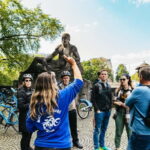
Meet-up is easy to find at Marienplatz, with your guide holding a yellow street art sign with red letters. In feedback, guide Ulrike is singled out for making sure non-native speakers still understand what matters, even when the tour itself is German.
In This Review
- Key things that make this street art bike tour work
- From tidy Munich to graffiti roots
- Why the bike route is the smart choice
- Marienplatz meet-up: start in the thick of the city
- Learning graffiti history while you ride
- The Isar river stretch: art beside daily life
- Giesing: the neighborhood shift that changes the whole mood
- Heading toward the slaughterhouse district
- Renowned artists and “new masters” in the same orbit
- Bike comfort and group flow (and why it matters)
- Price and value: what $40 buys you
- Guide impact: Ulrike’s style in particular
- Who should book this street art bike tour
- Should you book the Munich Street Art Bike Tour?
- FAQ
- Where do I meet the guide?
- How long is the tour?
- How much does it cost, and what’s included?
- What language is the tour in?
- Is it suitable for children or wheelchair users?
- Can I cancel for a refund?
Key things that make this street art bike tour work
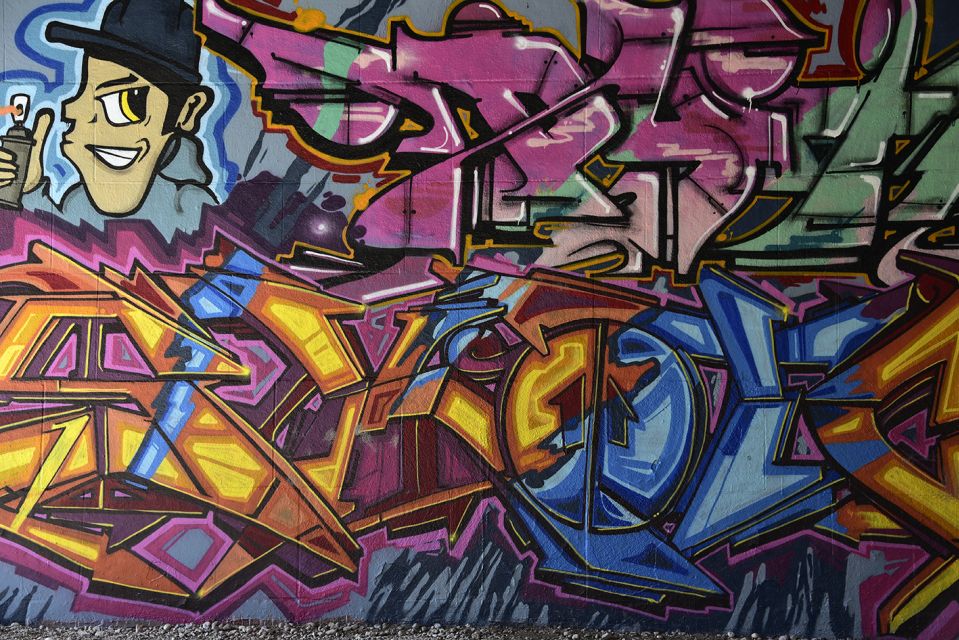
- 1980s graffiti origins in Germany, with context on how Munich shaped the scene
- Isar river stretch, where artists’ marks are part of the daily city texture
- Giesing ride and slaughterhouse area approach, getting you off the main tourist line
- Old-school and newer street artists along the way, so it’s not just one era
- Boat break near a railway bridge, a change of pace built into the route
- Rental bikes included, so you don’t waste time hunting down gear
From tidy Munich to graffiti roots
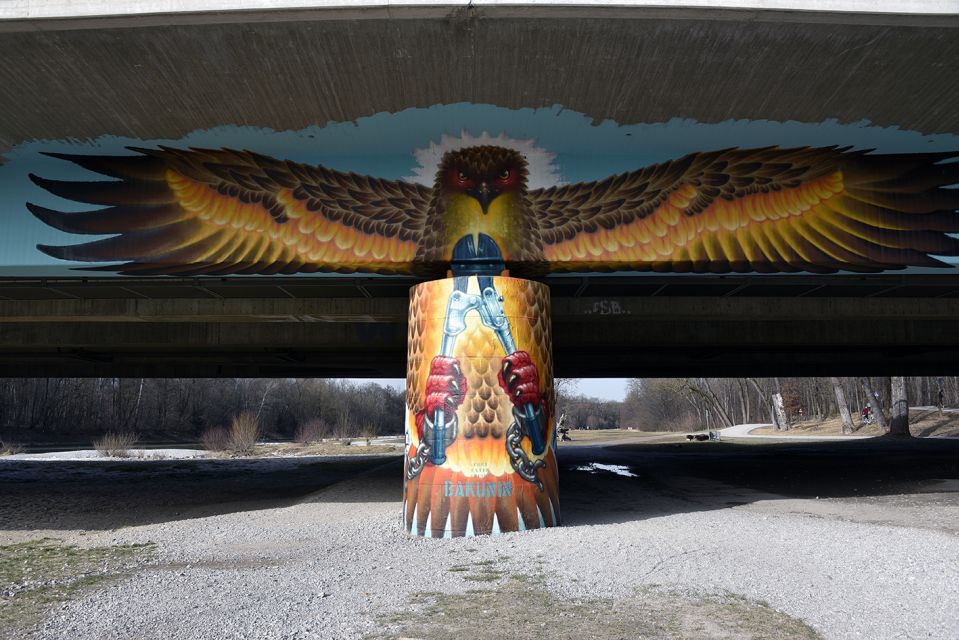
Munich can look polished and composed. That’s exactly why a graffiti-focused tour hits. You start with the contrast in mind: when you see the walls and alleyways, you get the sense of how an alternative art movement took hold and refused to behave.
The tour’s story centers on Munich’s role as a graffiti pioneer in Germany during the 1980s. You’ll also hear why the city was seen as a mecca alongside places like New York. That matters because graffiti isn’t just decoration here; it’s tied to identity, place, and who had access to public surfaces.
I like that the route doesn’t treat street art as a single style. You’ll pass works linked to the old masters who helped shape the culture, then move forward to what up-and-coming artists are doing now. That keeps the tour from feeling like a museum with a bike helmet.
You can also read our reviews of more cycling tours in Munich
Why the bike route is the smart choice
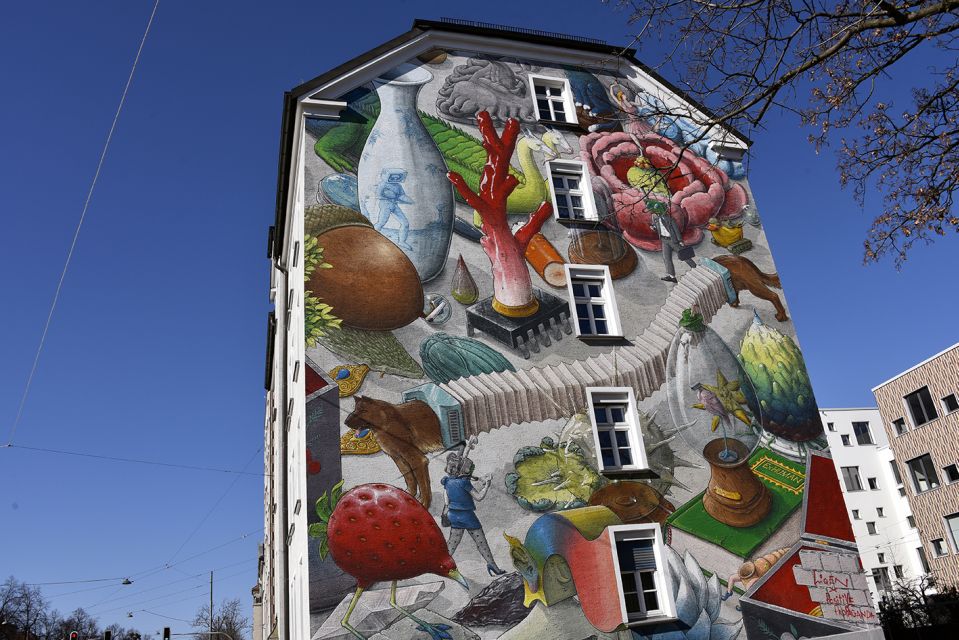
This is a bike tour, and that changes the experience in a big way. Walking-only tours often bottleneck at the same few photo stops. On wheels, you get time to cover more ground and still take in details at a human pace.
The tour runs for 210 minutes, which is about three and a half hours. That’s long enough to feel like you actually traveled, but not so long that you’re spent before the best stops.
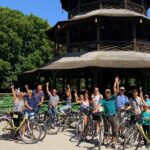
You also get rental bikes included. That’s practical value in Munich, where renting and figuring out gear can eat into the day. With the bike handled, you can focus on what you came for: the art, the street-level context, and the neighborhood shift as you move toward Giesing.
Marienplatz meet-up: start in the thick of the city
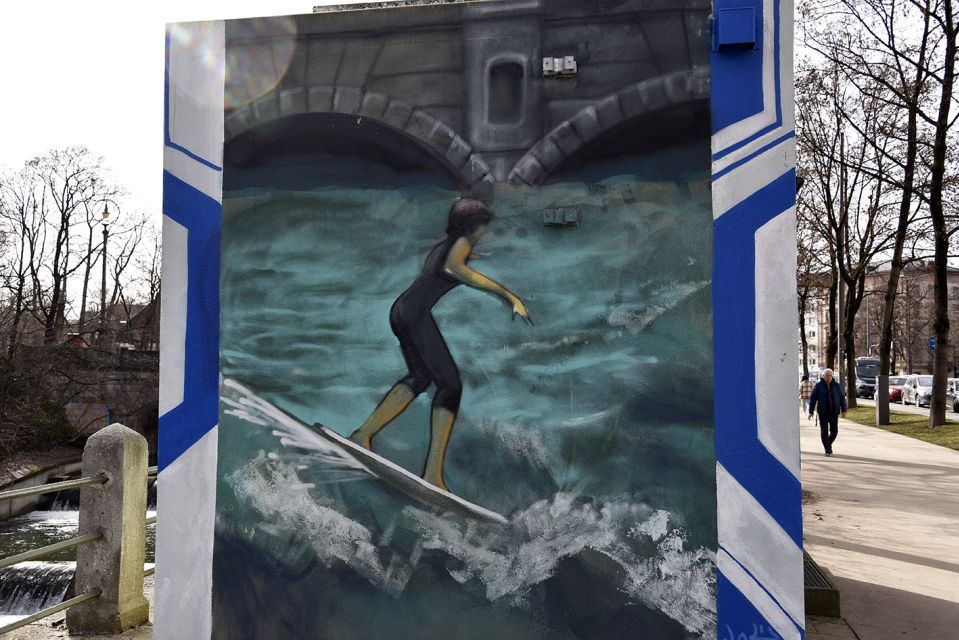
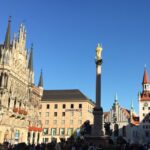
You’ll meet at the Tourist Information Office at Marienplatz. Your guide will be holding a yellow sign with red letters, so you shouldn’t have to play guessing games.
Marienplatz is central, which helps. You’ll begin in a place most people use as a starting point for classic sightseeing, then the tour steers you away from the most obvious routes. That first transition—central square to more “lived-in” streets—is part of the fun.
If you’re arriving by transit, Marienplatz is easy to reach. If you’re late, you’ll want to communicate quickly, because a group bike tour depends on everyone getting rolling on time.
Learning graffiti history while you ride
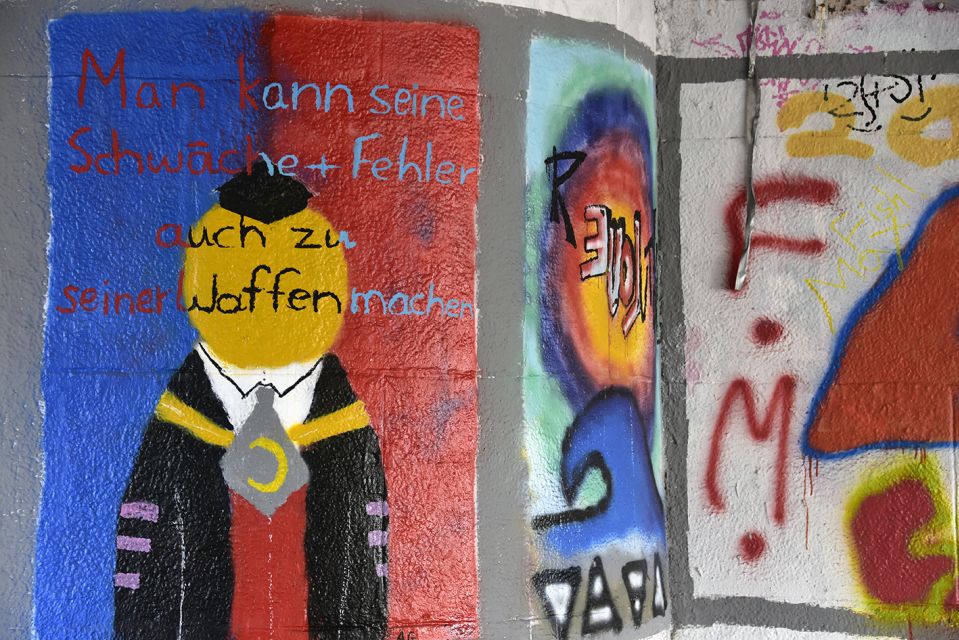
A street art tour can go one of two ways: either it’s wall-to-wall photos, or it’s history with movement. This one aims for both.
You’ll learn facts about the history of graffiti, and you’ll connect that history to what you’re seeing right in front of you. It’s not just name-dropping. The point is to understand why certain visual styles showed up, why cities became hotspots, and how local scenes gained momentum.
Munich’s 1980s graffiti story is a core theme. When you’re watching the art appear along the route, the timeline starts to click. You can see how the “old masters” shaped expectations for later artists, and you can also notice how new creators adapt that language to today’s city.
The Isar river stretch: art beside daily life
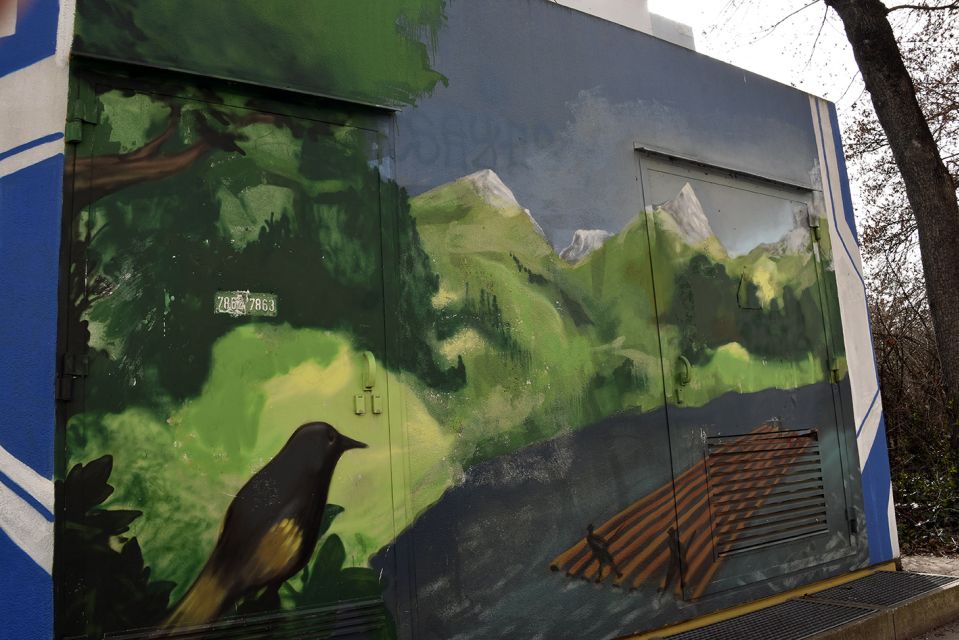
One of the highlights is riding and strolling along the Isar river, where artists have left their mark. This isn’t art staged behind ropes. It’s part of the city’s normal visuals: paths, bridges, and river edges where people pass on their way to work or an evening walk.
The Isar stop also helps with variety. On a bike tour, stops can feel like repeats—arrive, look, move, repeat. The river context gives you a different rhythm: more space, more lines of sight, and walls that feel like they belong to the landscape.
If you’re the type who loves detail, this section is a good place to slow down mentally. Watch for how color choices relate to the setting: bright pieces next to concrete, textures next to waterline views. The whole scene reads differently when the background isn’t just buildings.
Giesing: the neighborhood shift that changes the whole mood
From there, the route goes to Giesing, described as a former working-class neighborhood. Even if you’ve never heard of Giesing, you’ll feel the shift as the tour moves away from the densest tourist grid.
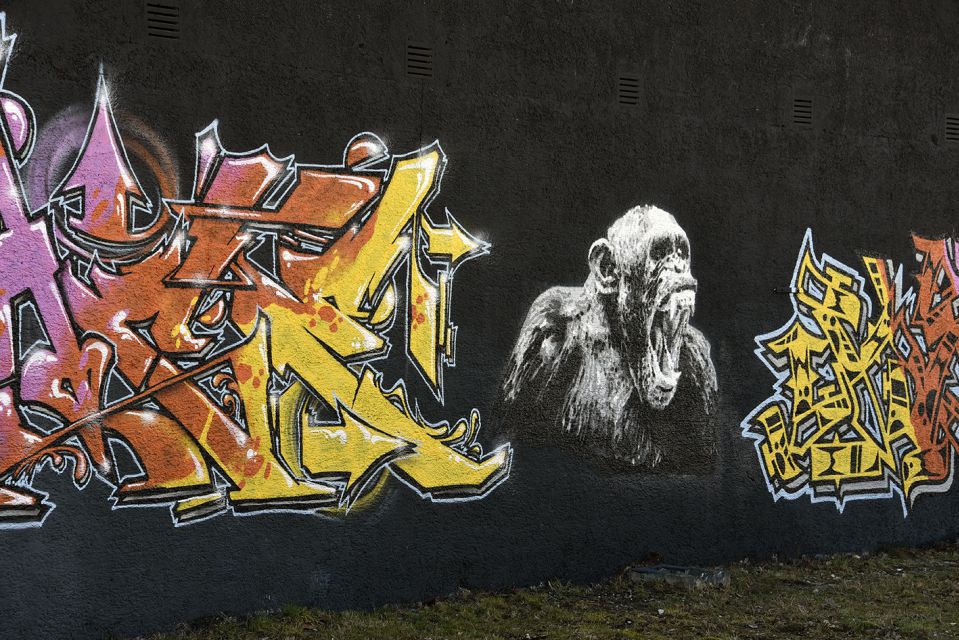
This section is where the tour earns its “get off the beaten track” promise. Instead of repeating the same landmark circuit, you’re riding through areas shaped by everyday life, where street art often looks more integrated and less “installed for visitors.”
I like this part because it makes the art feel less like a theme park and more like local communication. Graffiti is often about audience and permission—who sees it, who shares it, and what it means in a place where people live year-round.
Heading toward the slaughterhouse district
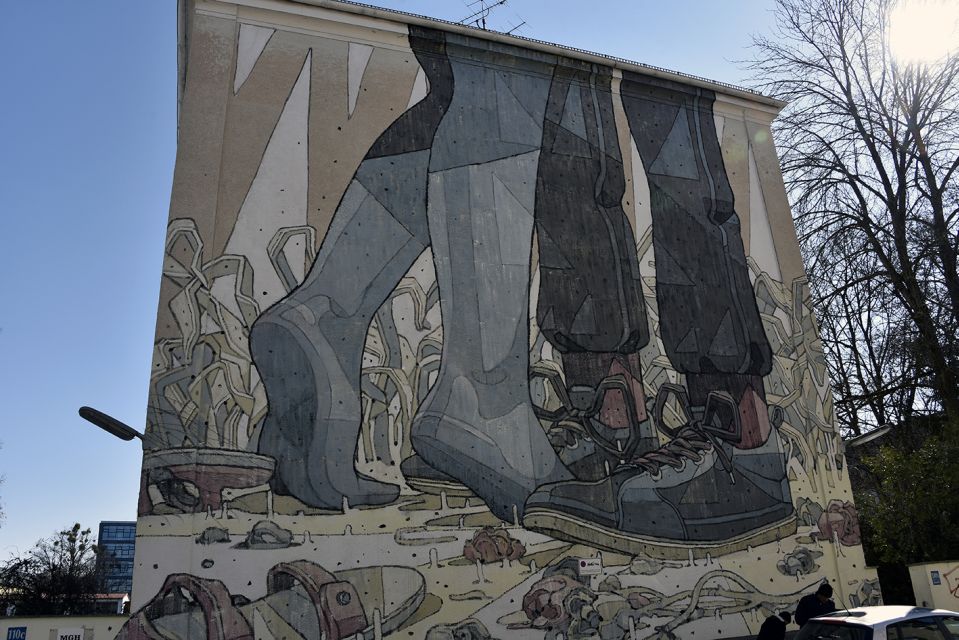
After Giesing, the route heads toward the slaughterhouse district area. The name alone tells you this isn’t a typical “old town” vibe.
In tours like this, you can sometimes feel like you’re just hopping between murals. Here, the change in urban character supports the story: graffiti grew in spaces where mainstream rules didn’t fully control the street. When the built environment shifts from residential neighborhoods to industrial-coded areas, the art often feels more blunt, more direct, and less polite.
Your route includes a break on a boat at a railway bridge. That’s an important design detail. It gives your legs a reset and it changes the angle. Looking at street art from a moving perspective (even if it’s just a short break) can make colors and layouts feel less flat.
Renowned artists and “new masters” in the same orbit
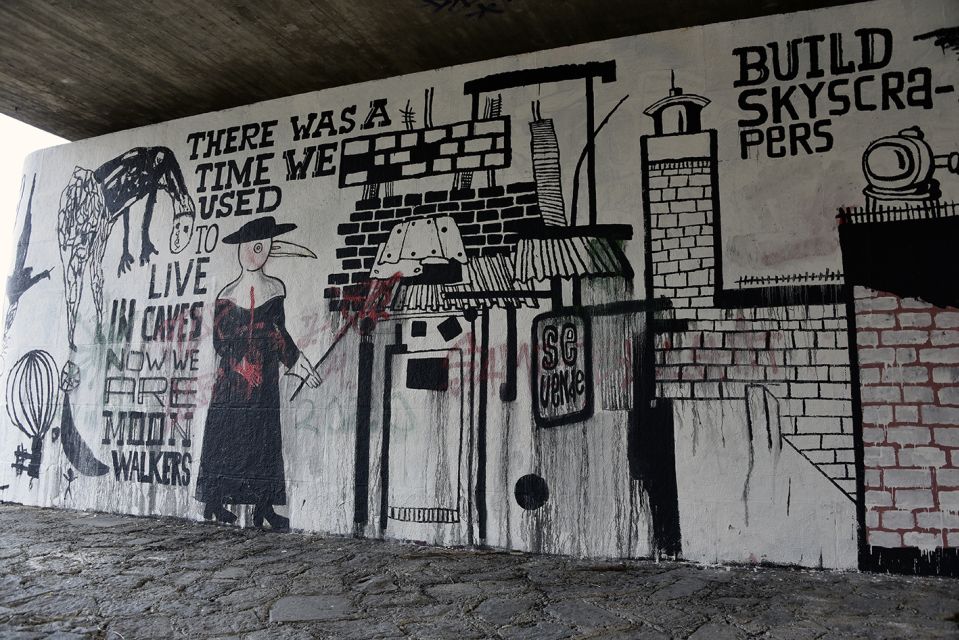
A big question with street art tours is balance: will it be mostly classic pieces, or mostly current works?
This tour mixes both. You’ll pass works linked to the old masters who shaped the culture, then you’ll also see work from newer street artists. That blend is valuable because it keeps you from leaving with only one takeaway.
If you’re into street art, you’ll likely appreciate the pacing of the storytelling. You can compare eras without being told to, and you can notice how themes and techniques evolve over time. If you’re more casual about it, you’ll still leave with a clear picture of what “graffiti culture” means in Munich, not just what it looks like.
Bike comfort and group flow (and why it matters)
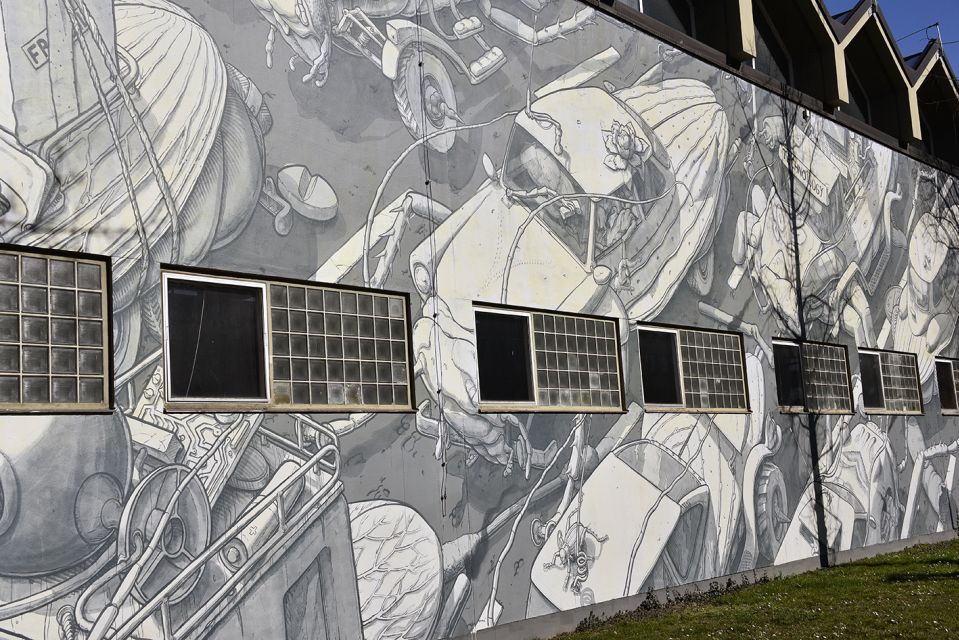
A good street art tour needs timing. If stops are rushed, you miss details. If the group is constantly waiting, it kills momentum.
Here’s what you can expect based on the structure: you have a guide, rental bikes, and a planned loop that strings together riverside sections, neighborhood riding, and a distinct break moment. That keeps the experience from turning into a chaotic scavenger hunt.
One reviewer noted the bikes felt comfortable enough for the ride, and another highlighted that the guide managed to keep explanations clear even for English speakers. That’s a good sign. German-language tours can be tricky, but if the guide is careful, you’ll still get meaning, not just gestures and pointing.
If you’re bringing kids, note that it’s not suitable for children under 10 and it may run long for younger teens. Even when kids enjoy the art, 210 minutes is a lot of seat time plus walking stops.
Price and value: what $40 buys you
At $40 per person for 210 minutes, this tour is priced like a mid-range cultural activity, not a bargain and not a luxury tour. The value is in the mix: you get a live tour guide and rental bikes, plus a route that covers neighborhoods without you needing local riding plans.
Is it worth it? If you want street art history in context and a route that takes you beyond a few murals, yes. If you mainly want photos and don’t care about background, you could probably find art on your own. But the tour’s strength is that it connects what you see to why it exists, and it does that while you’re moving through the city efficiently.
Also, the bike means you spend less energy “figuring out how to get there.” In Munich, that practical time-saving can matter as much as the sightseeing.
Guide impact: Ulrike’s style in particular
One guide name came up clearly in feedback: Ulrike. The best detail is how she handled mixed language needs. Even though the tour is German, feedback singled out that she made effort to explain clearly for English speakers.
That’s not a small thing. Street art details can be hard to grasp without the story: the why behind a motif, a location clue, or the historical link to the 1980s Munich scene. When a guide works to bring you along, the art becomes more than decoration.
If you prefer a guide who talks through meaning (not just points), this is the kind of tour that tends to fit.
Who should book this street art bike tour
Book it if you:
- Want graffiti history tied to real places, not generic facts
- Like biking through neighborhoods and seeing street art in context
- Enjoy the contrast between Munich’s polished image and its rebellious street visuals
- Prefer a guided route that takes you into areas like Giesing instead of sticking to the most obvious sights
Skip it if you:
- Need a shorter activity window than 210 minutes
- Are counting on a fully English-led experience (the tour guide is German)
- Need wheelchair accessibility (it’s not suitable for wheelchair users)
- Are traveling with children under 10
Should you book the Munich Street Art Bike Tour?
If you’re excited by street art but also want the story behind it, I think this is an easy yes. The tour’s main strengths are practical and specific: rental bikes, a planned loop with a Isar river section, neighborhood riding to Giesing, and that built-in break on a boat near a railway bridge.
Just be honest about your comfort level. A 3.5-hour bike tour isn’t a quick hit, and it runs in German, even if your guide may work to keep you included. If those two points sound manageable, you’ll likely come away with a new view of Munich—one that feels less like postcards and more like a living city with walls that talk.
FAQ
Where do I meet the guide?
Meet your local guide in front of the Tourist Information Office at Marienplatz. The guide will be holding a yellow street art tour sign with red letters.
How long is the tour?
The duration is 210 minutes.
How much does it cost, and what’s included?
It costs $40 per person, and the tour includes a tour guide and rental bikes.
What language is the tour in?
The live tour guide speaks German.
Is it suitable for children or wheelchair users?
It’s not suitable for children under 10 and not suitable for wheelchair users.
Can I cancel for a refund?
Yes. The tour offers free cancellation up to 24 hours in advance for a full refund.