REVIEW · FOOD & DRINK
South Tyrolean specialties and wine tasting
Book on GetYourGuide →Operated by Tante Alma - Südtiroler Spezialitäten · Bookable on GetYourGuide
Three wines, one Alpine-flavored story. This South Tyrolean wine tasting with Tante Alma mixes real grape varieties with a traditional Marende snack, so you get the region’s taste in one tidy stop. I especially like the lineup of whites and reds you can recognize (Gewürztraminer, Pinot Blanc, Lagrein, Vernatsch), and I like that the food pairing is included, not an add-on.
The only real drawback is timing: it’s 1.5 hours, so it’s more of a sampler than a deep cellar lecture. The upside is the small group size (up to 10), which keeps things comfortable and lets you ask questions without feeling rushed.
In This Review
- Key points to know before you go
- South Tyrolean wine in Bavaria: what makes it click
- Meet Tante Alma and the small-group format
- The wine flight: Gewürztraminer, Pinot Blanc, Lagrein, Vernatsch
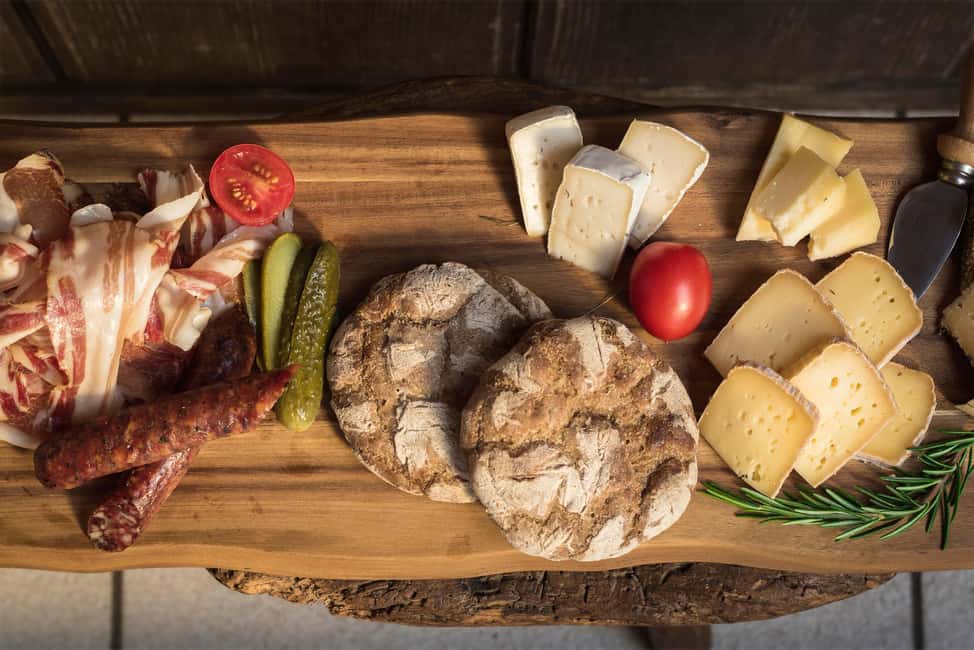
- The Marende snack plate: bacon, cheese, Kaminwurzen, Schüttelbrot
- How to make the tasting feel personal in 90 minutes
- Languages and Q&A: German, Italian, or English
- Price and value: is $44 worth three pours and Marende?
- Who this tasting is best for (and who might want more)
- Should you book Aunt Alma’s South Tyrolean wine tasting?
- FAQ
- How much does the South Tyrolean specialties and wine tasting cost?
- How long is the tasting?
- What wines are included?
- What food is included with the wine?
- What languages does the host speak?
- Is it suitable for children and is it wheelchair accessible?
Key points to know before you go
- Three included pours: 1 white wine, 1 rosé (or optional red), and 1 red wine
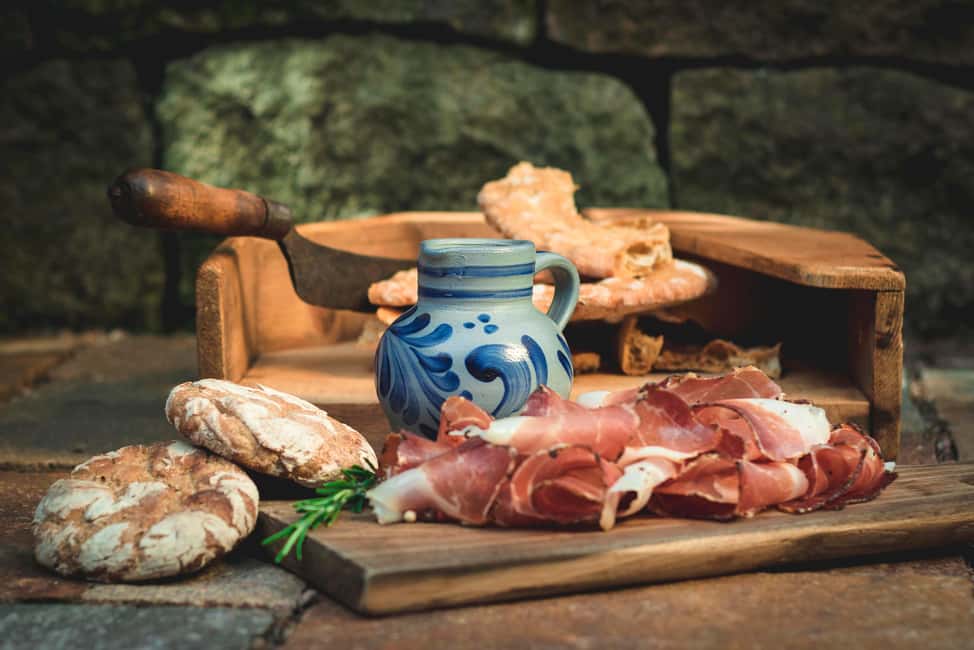
- Marende comes with wine: bacon, cheese, Kaminwurzen, and Schüttelbrot included
- You’ll taste major South Tyrolean styles: Gewürztraminer, Pinot Blanc, Lagrein, and Vernatsch
- Tante Alma hosts in real-world languages: German, Italian, and English
- Small group format: limited to 10 participants for a relaxed pacing
South Tyrolean wine in Bavaria: what makes it click
Even if you’re in Bavaria, this tasting is all about South Tyrol’s winemaking personality. You’ll taste wines shaped by an Alpine climate and mineral-rich soils, which is a big part of why these bottles often feel crisp, aromatic, and a bit more mineral than you’d expect from typical “everyday” wine.
What I like about this experience is that it doesn’t try to be complicated. You’re not stuck with random glasses and vague descriptions. You’re given a focused set of wines—aromatic whites and elegant reds—and then you get to test how the flavors change when you add a proper snack plate.
And yes, wine and food matter here. A tasting that includes Marende is usually more fun because your palate has something to work with—fatty, salty, and hearty bites to balance the sip. It’s the kind of combo that helps you remember flavors later, not just during the tasting.
You can also read our reviews of more food & drink experiences in Munich


Meet Tante Alma and the small-group format
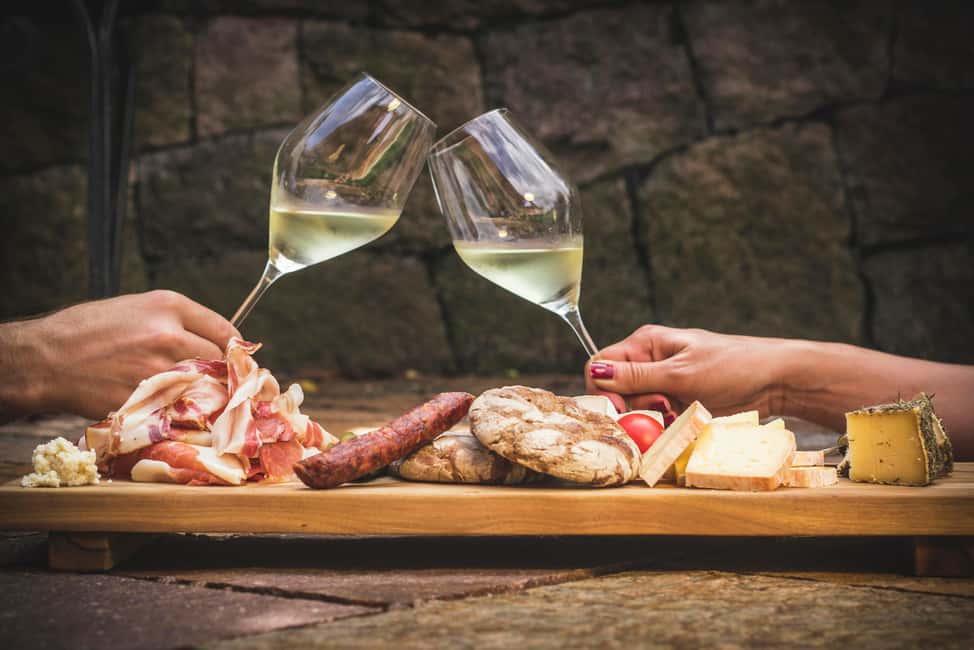
You meet at Aunt Alma, under the South Tyrolean specialties umbrella, and the whole experience ends back at the same meeting point. That loop matters more than you’d think. In an hour-and-a-half, you don’t want your evening chopped up by transit.
This is also a small group experience, limited to 10 participants. That usually means two good things: the atmosphere feels casual, and you can actually talk with the host. Tante Alma speaks German, Italian, and English, so if you’re not confident with one language, you can still follow along.
In the reviews, the vibe gets described as friendly and comfortable, with the host doing a good job keeping things easy to understand. You can expect that tone: relaxed seating, a clear flow, and the kind of pacing that lets you taste one step at a time instead of feeling like you’re in a rushed promotion.
The wine flight: Gewürztraminer, Pinot Blanc, Lagrein, Vernatsch
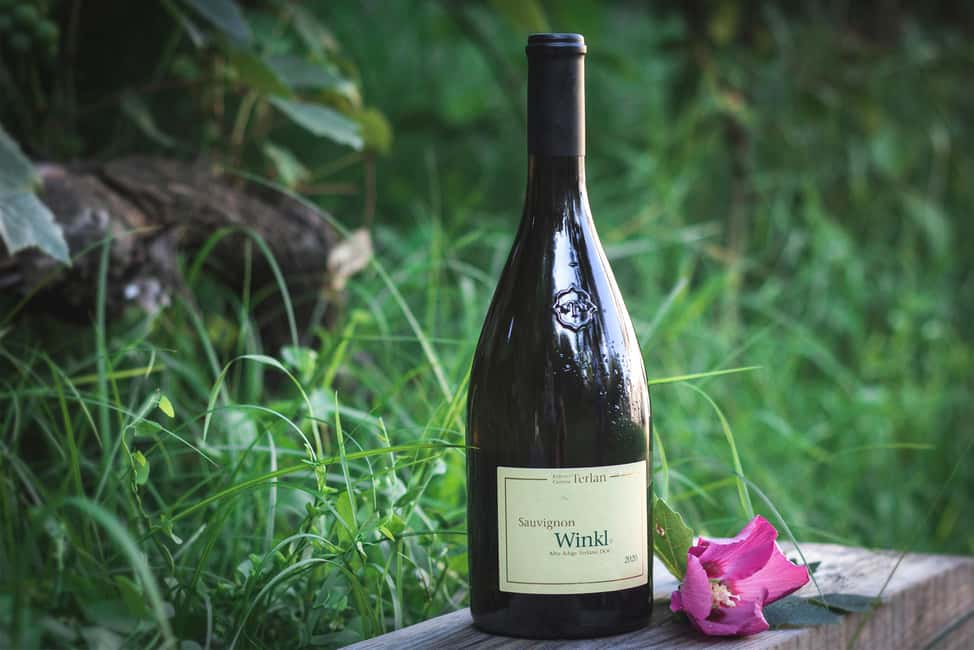
The tasting is built around a simple structure: you get 1 white, 1 rosé (optional red), and 1 red. That’s a smart format because it covers different flavor directions without turning into a marathon.
On the white side, you can look for aromatic options like Gewürztraminer and Pinot Blanc. Gewürztraminer is known for strong aromatics, so it’s usually the wine that makes people sit up and go, Oh, that’s the South Tyrol style. Pinot Blanc tends to be cleaner and more understated, which is useful because it helps you notice how the tasting host describes texture and freshness.
For red, the focus is on Lagrein and Vernatsch. Lagrein often brings a more structured feel, while Vernatsch tends to be lighter and more graceful. Even without getting technical, tasting both can teach you how the region expresses itself across different red styles.
One practical tip: decide ahead of time what you want most—more aromatic whites, or more red depth. Since the rosé is listed as optional red, you can choose based on what you enjoy. If you’re the type who always skips rosé, treat that “optional red” as your chance to stay focused.
The Marende snack plate: bacon, cheese, Kaminwurzen, Schüttelbrot
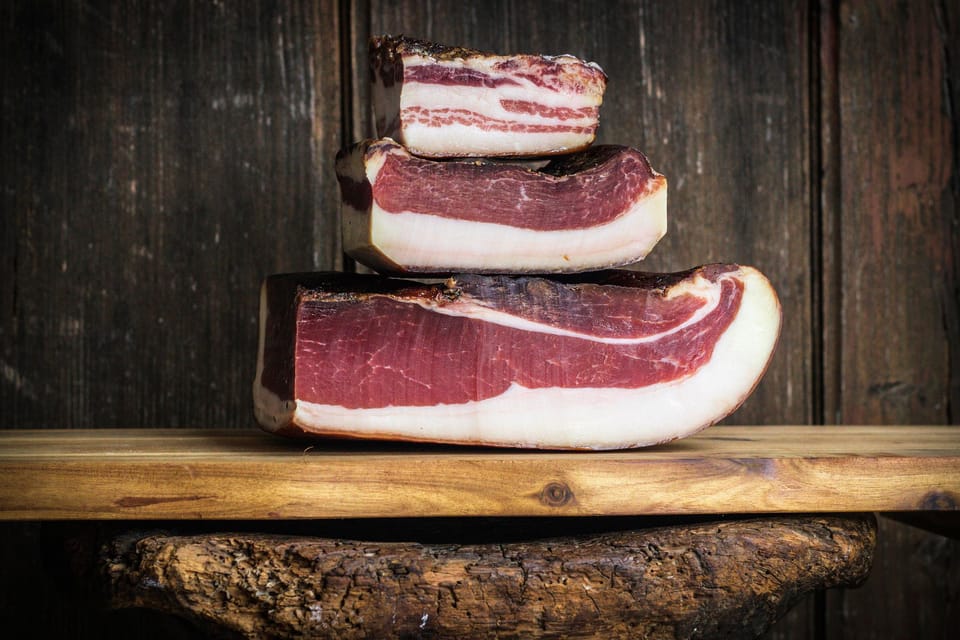
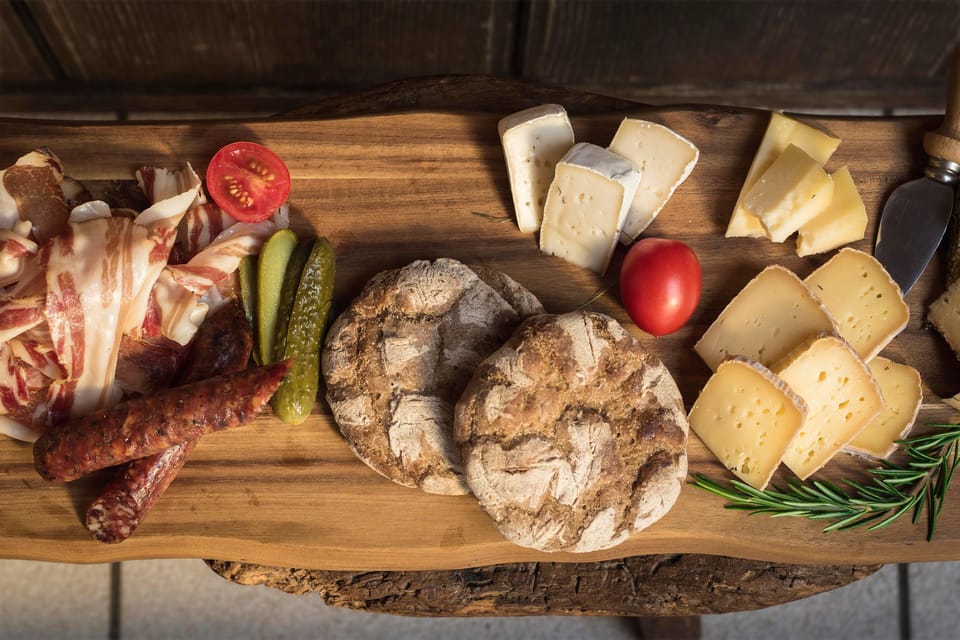
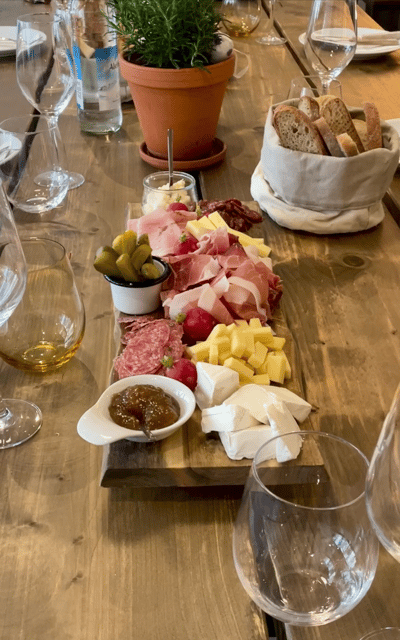
This is one of the main reasons the tasting works. Your included South Tyrolean Marende snack isn’t a token bite; it’s a small spread that supports the wine.
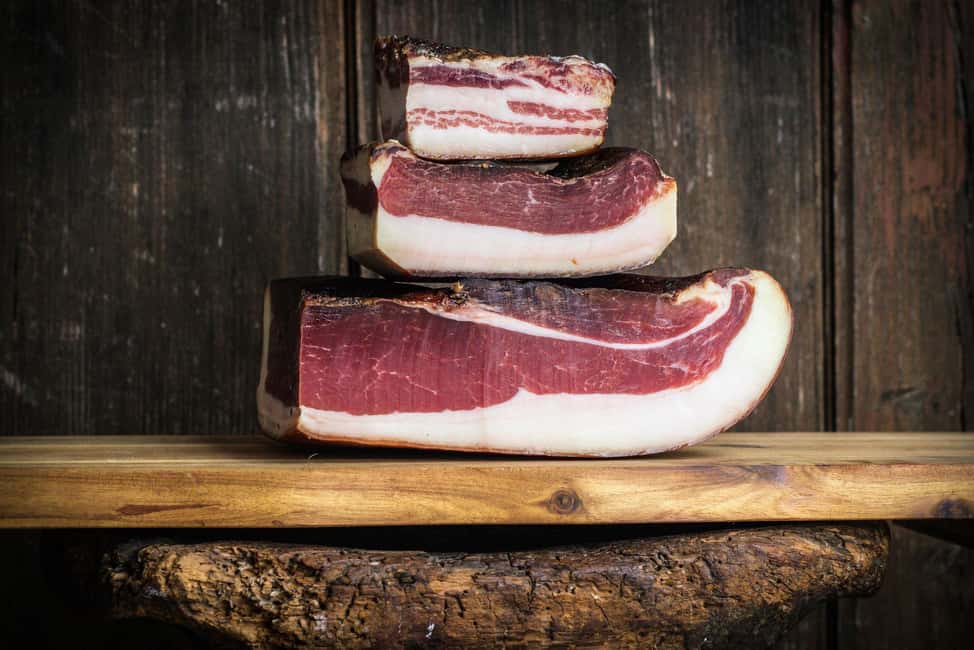
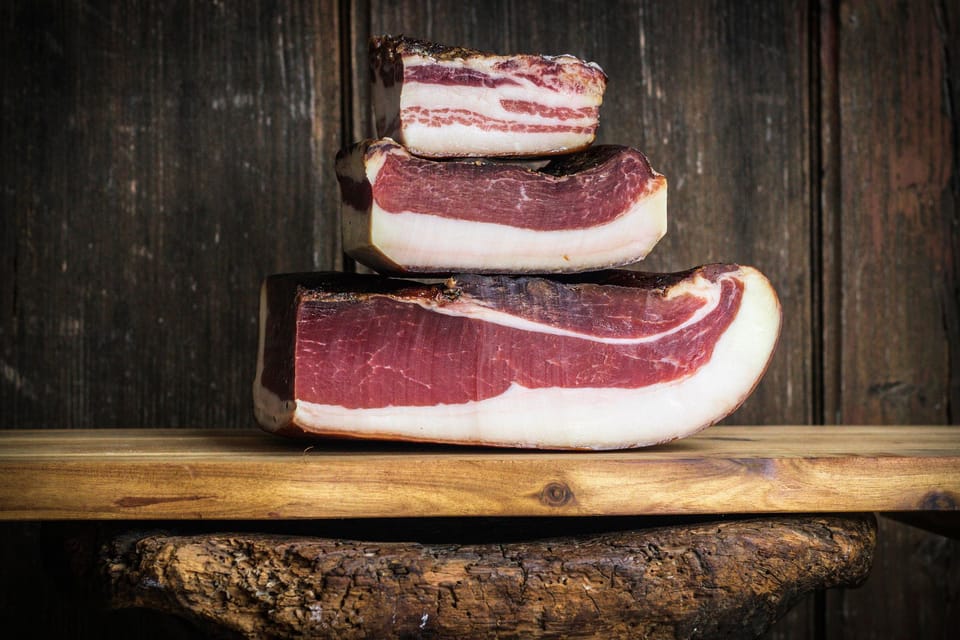
The highlight list calls out bacon and cheese, plus Kaminwurzen and Schüttelbrot, and that whole set comes with the wine. The practical value is obvious: you’re not trying to judge wine in a vacuum. Salty bites and savory foods change what you notice in a glass—how aromas show up, how a finish feels, and whether a wine tastes sharper or smoother after a bite.
I also like that this kind of food pairing helps you understand the region’s everyday eating, not just the “tourist tasting” version of it. If you later want to order South Tyrolean flavors on your own, you’ll have a memory hook from this snack plate.
How to make the tasting feel personal in 90 minutes
In 1.5 hours, you’re not going to become a certified wine expert. But you can absolutely get something useful out of it: a short list of flavors you enjoy and what kinds of foods you like with them.
Here’s how I’d play it:
- Take one sip, then take one bite. Don’t rush the switch.
- Pay attention to contrast. For example, aromatic whites versus the more structured feel of reds often show up fast when you eat something savory.
- Ask questions while it’s still relevant. Since the host speaks German, Italian, and English, you can ask for simple explanations in whatever language you’re most comfortable with.
The best parts of the reviews mention the host’s friendliness and the comfortable ambience. That matters because tasting experiences go wrong when you feel like you’re supposed to perform. Here, it’s more of a guided conversation with wine and food than a classroom.
You can also read our reviews of more wine tours in Munich


Languages and Q&A: German, Italian, or English
This experience is hosted in German, Italian, and English, which is a real convenience. If you’re traveling through Bavaria with a mix of languages in your group, it’s reassuring to know the host can meet you where you are.
I recommend you pick one language you’re comfortable answering in—even if you understand more than you speak. It keeps your questions simple and helps you get straight answers. If you want to know why a wine tastes the way it does, ask for a practical explanation tied to what you’re tasting, not vague history lessons.
If you’re into wine notes, you can also ask which style people usually enjoy most in that flight. That way, you get a “where should I start next time” answer, which is more useful than memorizing terms you might never use again.
Price and value: is $44 worth three pours and Marende?
At $44 per person, you’re paying for a compact, guided tasting plus included food. That’s key: this isn’t just three drinks. You also get a Marende snack plate and a host who guides the tasting with an easy flow.
The value angle here is how the package is built:
- You get three included wine choices across whites, rosé/optional red, and red.
- You get food pairing included, not just bread and a smile.
- You’re in a small group (up to 10), which typically means more attention per person than large tastings.
One thing to plan for: soft drinks and any extra snacks or a small selection of traditional South Tyrolian specialties aren’t automatically included. You can order and pay on sight, so if you like to keep drinking beyond the flight, bring a little extra cash or card budget for that.
Who this tasting is best for (and who might want more)
This works especially well if you want:
- a short evening activity in Bavaria with a strong South Tyrol theme,
- a clear, guided intro to wines like Gewürztraminer, Pinot Blanc, Lagrein, and Vernatsch,
- included food pairing that feels like more than a garnish.
It also makes sense if you enjoy meeting people in a small group and chatting with a host. The setup is built for a relaxed experience, not a high-speed bus tour.
Who might find it less satisfying? If you’re hunting for a long, serious tasting with heavy cellar details, you may feel it’s too short. The 1.5-hour format is designed as a sampler, so treat it like that.
Also note: it’s not suitable for children under 18, so plan accordingly if you’re traveling with a mixed-age group.
Should you book Aunt Alma’s South Tyrolean wine tasting?
Book it if you want an evening that’s simple, friendly, and genuinely flavored. You’ll taste standout South Tyrolean grape types, and you’ll actually have food to pair with them—bacon, cheese, Kaminwurzen, and Schüttelbrot included with the wine.
Skip it if you’re looking for a long, deep dive into wine theory or a multi-stop outing. This is one focused stop, and it does that well.
If you’re the type who likes learning by tasting—one sip, one bite, one explanation—that’s exactly the sweet spot.
FAQ
How much does the South Tyrolean specialties and wine tasting cost?
The price is $44 per person.
How long is the tasting?
It lasts about 1.5 hours.
What wines are included?
The tasting includes 1 white wine, 1 rosé (optional red wine), and 1 red wine.
What food is included with the wine?
You get a South Tyrolean Marende snack with the tasting.
What languages does the host speak?
The host or greeter speaks German, Italian, and English.
Is it suitable for children and is it wheelchair accessible?
It is not suitable for children under 18 years. It is wheelchair accessible.