REVIEW · MUNICH
Mozart and German Composers Private Tour in Munich
Book on GetYourGuide →Operated by Rosotravel Germany · Bookable on GetYourGuide
Munich sounds different when you walk it. This private tour strings Mozart, Strauss, and Wagner to real locations in Munich’s center, from Marienplatz to the Residenz. You’ll get the music story behind the stones, with anecdotes you can actually picture.
What I like most is how the guide connects big-name composers to what you see in front of you. I also like that it’s a private group with a 5-Star licensed guide in your language, so you’re not stuck listening to a lecture you can’t ask questions about. One possible drawback: two hours moves at a good clip, so the stops are highlights on foot more than slow, ticketed deep-dives inside buildings.
In This Review
- Key things I’d plan around
- A music-led walk through Munich’s Old Town
- The composer storyline: what you’ll actually learn on the route
- Marienplatz and the start point by St Peter’s
- St. Peter’s Church: choir tradition you can picture
- Marienplatz and Frauenkirche: the training legacy of Orlande de Lassus
- National Theatre and the Bavarian State Opera: premieres and power
- The Munich Residenz: where Mozart played for royalty
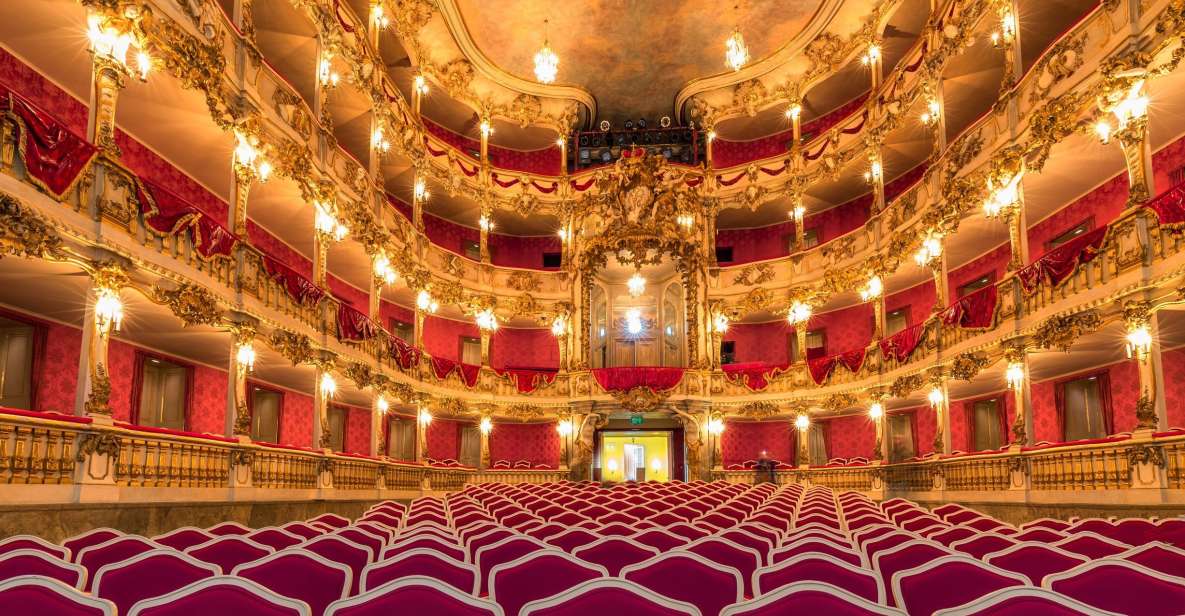
- Cuvilliés Theater inside the Residenz: Idomeneo, 1781
- Price and value: is $215 per person worth it?
- Who this Mozart and German Composers tour fits best
- Guide, languages, and how to prep so you get the most
- Should you book this Munich composer tour?
- FAQ
- How long is the Mozart and German Composers private tour in Munich?
- How much does the tour cost?
- Where is the meeting point for the tour?
- Do I enter the BEYOND by Geisel hotel for the tour?
- Is this a walking tour?
- What sights are included?
- Which composers and works will the guide cover?
- Is the tour private?
- What languages are available?
- Can I cancel for a refund?
- What should I do the day before the tour?
Key things I’d plan around

- A licensed, language-ready guide in English, French, German, Italian, Spanish, or Polish
- Marienplatz-centered route that ties landmarks to famous German composers
- St. Peter’s Church choir, dating to the early 13th century, as part of the music backdrop
- Frauenkirche training legacy, including the influence of Orlande de Lassus
- Opera and court-music connections at the National Theatre and Munich Residenz
- Mozart specifics you can anchor to like Idomeneo’s 1781 premiere at the Cuvilliés Theater
A music-led walk through Munich’s Old Town
This tour is built for people who like the idea of music history with street-level context. Instead of treating Munich like a museum you just pass through, you get a storyline. Mozart, Strauss, Wagner, and other German composers become guides of their own, pointing you toward the places where musical careers, premieres, and training mattered.
You’ll be walking through Munich’s Old Town with a licensed guide for about two hours. The pacing is friendly but purposeful. Plan to keep your phone charged and your feet ready—this is an experience where you’ll want to look up, not just ahead.
You can also read our reviews of more private tours in Munich

The composer storyline: what you’ll actually learn on the route
The core value here is how the tour explains music culture in Munich, not just composer trivia. You’ll hear about church music tradition, court music, and bourgeois music culture. That matters because it shows how musical life worked in different parts of society, not only in opera houses.
You’ll also hear how Munich became a music center for Europe in medieval times. The tour sets that up by showing you the kind of institutions that supported musicians—church choirs, court patronage, and major performance venues. Once you understand that framework, the composer connections make more sense.
And yes, you’ll get plenty of composer names and dates. The point isn’t to memorize facts. It’s to give you handles for remembering what you saw later when you’re back at your hotel, scrolling photos.
Marienplatz and the start point by St Peter’s
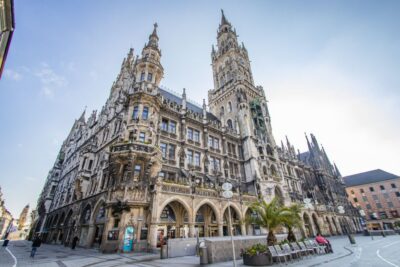
You meet your guide in front of hotel BEYOND by Geisel, Marienplatz 22, directly opposite St Peter. It’s clearly marked as a meeting point, not a place to check in. Don’t go inside the hotel—staff won’t be expecting you for the tour.
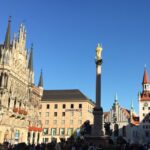
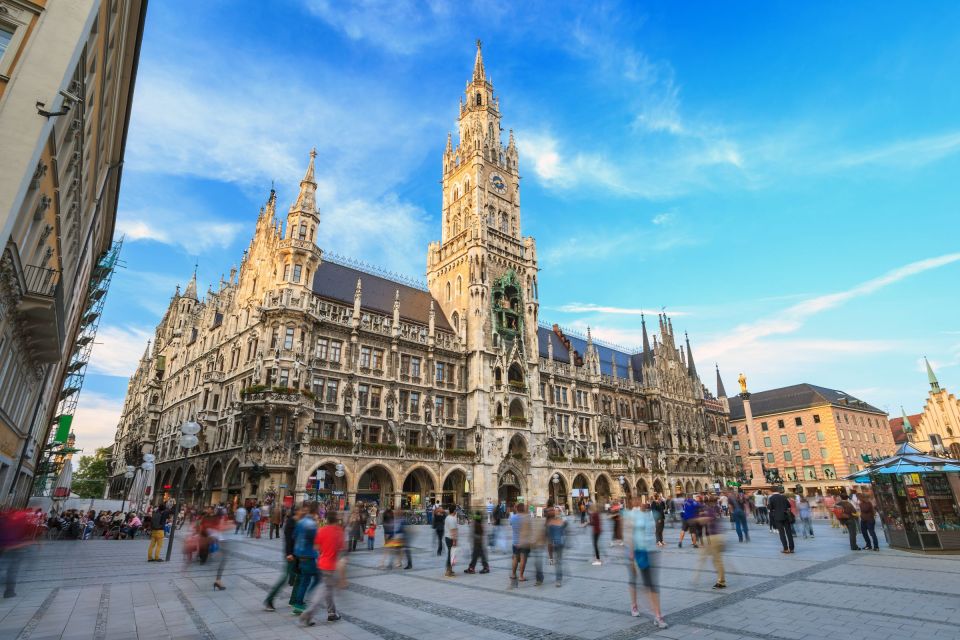
Starting here is a smart move. Marienplatz is the heart of Old Town, so you begin where Munich’s public life and landmark buildings are closest together. Within minutes, you’ll be in the zone where the tour can connect place to story.
Tip: arrive a few minutes early, especially if you want a clear photo without rushing. This tour is about linking sights with explanations, so arriving calm helps you catch every detail the guide shares.
St. Peter’s Church: choir tradition you can picture

One of the first musical anchors is St. Peter’s Church. The tour points you toward its choir tradition, with the choir dating back to the early 13th century. That’s a great detail because it turns the building from a pretty stop into a timeline.
When a guide brings up the choir’s age, you get a sense of continuity. Munich’s music life wasn’t created overnight. It grew over centuries, with training and performance tied to church spaces where singers and musicians could develop skills.
How to get the most from this stop: take a moment to look at the church as an institution, not just an exterior. If you catch the guide’s explanation, you’ll start noticing how later places in the route—opera and court venues—fit into the same long musical ecosystem.
Marienplatz and Frauenkirche: the training legacy of Orlande de Lassus
Next you stroll through Marienplatz to Frauenkirche. The tour highlights how young musical talents trained there under major figures, including Orlande de Lassus—a prominent musician from the 16th century.
That’s a key idea for music fans. It’s easy to focus only on famous composers as celebrities. This stop reframes the story as one about education and mentorship—how people got their start, and how that training fed the next generation.
Practical note: Frauenkirche is in the middle of a busy public square area. Don’t expect silence. The tour’s goal here is to give you the context so the noise outside doesn’t feel like a distraction. When you know why the place mattered, you’ll feel like you’re standing inside the music story, even if you’re still in the city.




National Theatre and the Bavarian State Opera: premieres and power
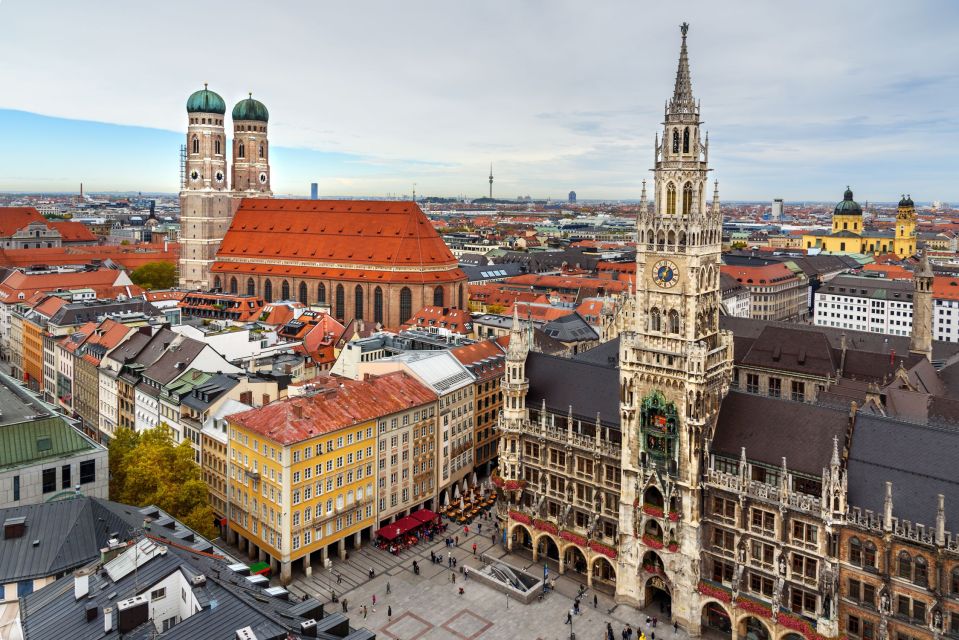
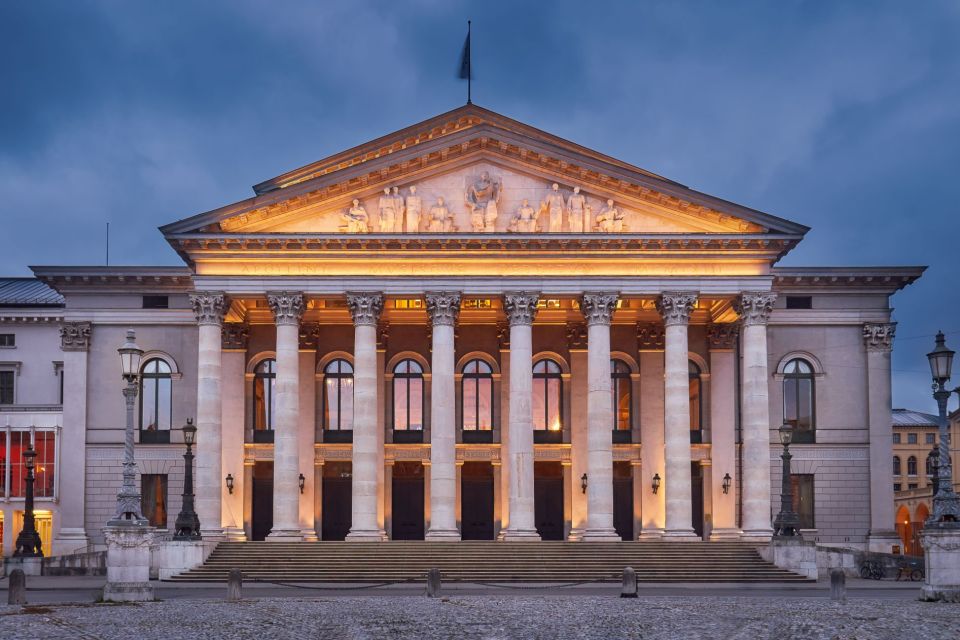
A major stop is the National Theatre, home to the Bavarian State Opera (Bayerische Staatsoper). The tour connects this venue to two heavy hitters: Richard Wagner and Richard Strauss.
You’ll hear that Wagner’s works were premiered here, and that Strauss worked there as a third conductor. That combination is powerful because it covers both the era-defining operatic ambitions of Wagner and the serious institutional role Strauss held within the same broader musical world.
What makes this stop valuable is the way it shows how premieres and leadership shaped Munich’s reputation. A city doesn’t become a music center by luck. It needs venues that can stage big works and staff who can run them at a high level.
If you’re the type who likes to connect music to real institutions, this is a strong moment. You’ll likely leave with a clearer sense of why opera houses mattered as cultural engines, not just entertainment boxes.
The Munich Residenz: where Mozart played for royalty
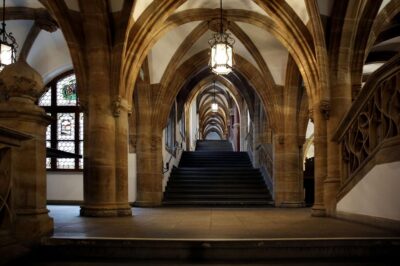
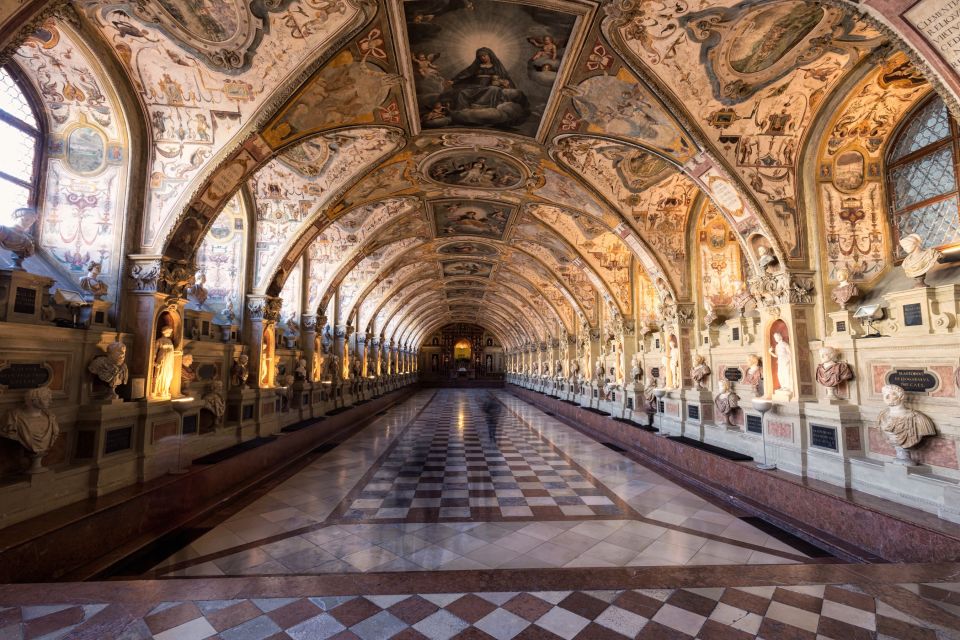
The tour then moves to the Munich Residenz, one of the city’s key power-and-culture landmarks. Here you’ll hear a very specific Mozart connection: Mozart played a concert for Elector Karl Theodor and Ferdinand IV, the King of Naples.
That kind of detail is why this tour works. When you learn that a composer’s life intersected with court politics and elite patronage, you understand how music careers actually advanced. You’re not just hearing about art. You’re seeing how art traveled through networks of wealth and influence.
Even if you’re not an expert on 18th-century court culture, this part gives you a simple takeaway: big performances weren’t random. They were part of how courts displayed taste, status, and authority.
Cuvilliés Theater inside the Residenz: Idomeneo, 1781
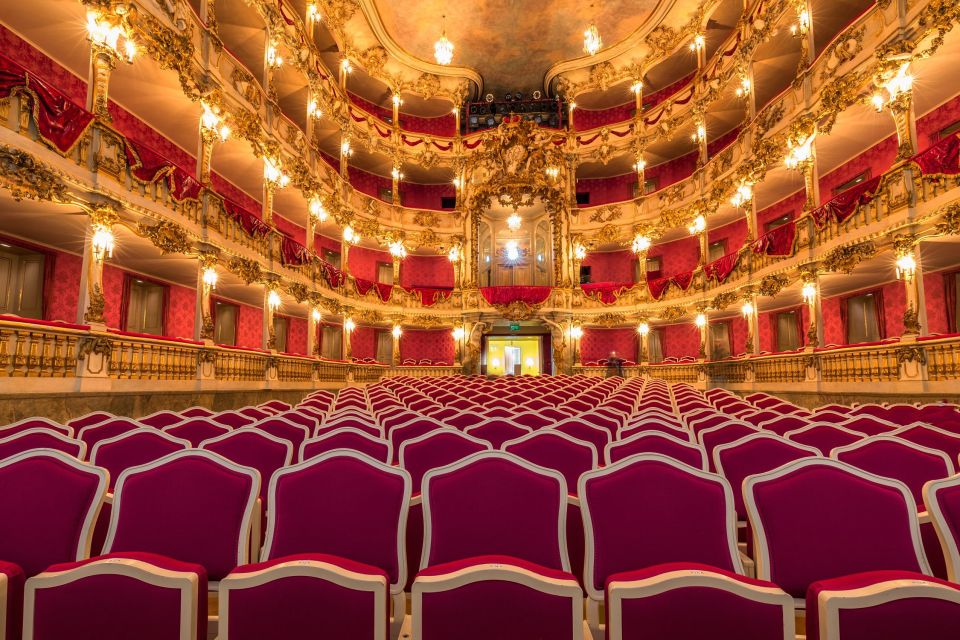
Inside the Residenz you’ll find the Cuvilliés Theater, another highlight tied directly to Mozart. The tour points out that Mozart premiered his opera Idomeneo there in 1781.
This is one of those stops where the history detail feels concrete. Instead of vague descriptions of famous composers in famous buildings, you get a specific premiere event and a specific year. That helps your brain anchor the story and makes your later memory of the tour more vivid.
Also, the theater location matters. It connects court culture to public-facing musical life through a venue designed for performance. That link is the tour’s big theme: church tradition, court support, and major opera institutions all feed into each other over time.
Price and value: is $215 per person worth it?
$215 per person for a 2-hour private walking tour isn’t cheap. But it isn’t overpriced in the way some small-group tours can be, either—mainly because you’re paying for something hard to replicate on your own: a guided composer narrative with a licensed guide and a structured route.
Here’s how I’d judge value for you:
- If you’re a music lover who wants to understand why these landmarks matter, the guide’s context can turn “I saw a church and a square” into “I followed a music timeline.”
- If you prefer private learning, this is the right format. A private group means you can get your questions answered instead of working around a loud crowd.
- If you’re mostly looking for general sightseeing, you might feel the route is a bit focused. In that case, you may want a broader Old Town tour instead.
In other words: this tour is priced for people who care about the music story more than the checklist of monuments.
Who this Mozart and German Composers tour fits best
This is a great match if you:
- Love classical music and want Munich through the lens of Mozart, Strauss, and Wagner
- Like guided storytelling tied to places, not just facts
- Enjoy church and opera history when someone explains how the culture worked
- Want a private experience with a guide who speaks your chosen language
It might be less ideal if you want a slow, sit-down museum day with long interior time. The format is a walking highlight tour. You’ll get strong context and key places, but you’re not here for a full deep ticketed performance marathon.
Guide, languages, and how to prep so you get the most
The tour is led by a 5-Star licensed guide. You can choose from English, French, German, Italian, Spanish, and Polish. That language choice matters more than you might think. Music history includes names, roles, and dates—if you’re catching every detail in your own language, the story lands better.
Before you go, check your email the day before the tour for important information. That’s worth doing even if you feel organized—small details can make meeting points smoother.
Also, because the tour ends back at the meeting point, you can plan your next stop without guessing where you’ll end up. Keep that in mind if you’re coordinating with dinner reservations near Marienplatz.
Should you book this Munich composer tour?
Yes, I’d book it if you’re the kind of person who hears a name like Wagner or Mozart and wants the story behind where those careers intersected with Munich. The big win is the way the guide ties specific composers to real performance and training sites—from St. Peter’s choir tradition to Idomeneo at the Cuvilliés Theater.
Skip it if you’re mainly after broad sightseeing variety with minimal focus on classical music context. With only two hours, this tour is tuned for depth in the music theme, not breadth across every Old Town corner.
If you want Munich to sound like a living timeline—not just a pretty city—this is a strong choice.
FAQ
How long is the Mozart and German Composers private tour in Munich?
It lasts 2 hours.
How much does the tour cost?
The price is $215 per person.
Where is the meeting point for the tour?
Meet your guide in front of hotel BEYOND by Geisel, Marienplatz 22, 80331 Munich, opposite St Peter.
Do I enter the BEYOND by Geisel hotel for the tour?
No. Please do not enter the hotel. It’s only a meeting point, and the staff isn’t informed about the tour.
Is this a walking tour?
Yes. It’s a 2-hour walking tour through Munich’s Old Town highlights.
What sights are included?
The tour includes Marienplatz, Frauenkirche, St. Peter’s Church, the National Theatre (Bavarian State Opera), Munich Residenz, and the Cuvilliés Theater.
Which composers and works will the guide cover?
The tour focuses on Mozart, Strauss, Wagner, and other German composers, and it also includes the Mozart opera Idomeneo (premiered in 1781 at the Cuvilliés Theater).
Is the tour private?
Yes. It’s a private group tour.
What languages are available?
The guide is available in English, French, German, Italian, Spanish, and Polish.
Can I cancel for a refund?
Yes. You can cancel up to 24 hours in advance for a full refund.
What should I do the day before the tour?
Check your email the day before the tour to receive important information.