REVIEW · MUNICH OLD TOWN WALKING TOURS
Munich Old Town Walking Tour
Book on Viator →Operated by munich walk tours Ralph Luenstroth · Bookable on Viator
Munich clicks into place on foot. This 2-hour walking tour threads together the highlights around Marienplatz, a famous beer-hall stop, and time in the English Garden with the Eisbach river surfers. You’ll get an English-speaking guide, plus plenty of chances to stop, look, and photograph the big-name landmarks.
I love the way the tour mixes iconic sights with real Munich street life. The Viktualienmarkt market visit is a practical win, and I also like the built-in contrast of the quieter English Garden after the city center bustle.
One thing to plan for: city noise. On louder days (think busy Saturdays, big events, or bells going off nearby), you may miss bits if the group is packed and it’s hard to hear over the sound of the street.
In This Review
- Key things I’d focus on before you go
- Marienplatz first: why this tour starts exactly where you should
- Glockenspiel, Frauenkirche, and the Opera House area: your quick-hit Old Town photo run
- Royal Gardens and theater zone: the cultural break between landmarks
- Viktualienmarkt: the local-food stop that actually helps you eat well later
- Hofbräuhaus in the mix: the beer-hall landmark stop without overcommitting
- English Garden and Eisbach: where the city turns weird—in a good way
- Pace, group size, and noise: what your 2 hours will feel like
- Price and value: does $26.62 make sense for what you get?
- Practical tips to make this tour smoother
- Should you book the Munich Old Town Walking Tour?
- FAQ
- How long is the Munich Old Town Walking Tour?
- Where does the tour start and end?
- What language is the tour offered in, and do I get a ticket on my phone?
- What is included in the price?
- Do I need to buy separate admission tickets?
- Is there a limit on group size?
- What is the cancellation policy?
Key things I’d focus on before you go
- Marienplatz start and end: a central loop that helps you map the city fast
- Photo-friendly stops: Glockenspiel, Frauenkirche, and the Opera House area
- Viktualienmarkt food market time: ideal for getting your bearings on local flavors
- Hofbräuhaus included: the classic Munich beer-hall landmark on a short schedule
- English Garden + Eisbach surfers: watch the famous river action right in the middle of the park
- Easy-paced, short duration: about 2 hours, with a maximum group size of 30
Marienplatz first: why this tour starts exactly where you should
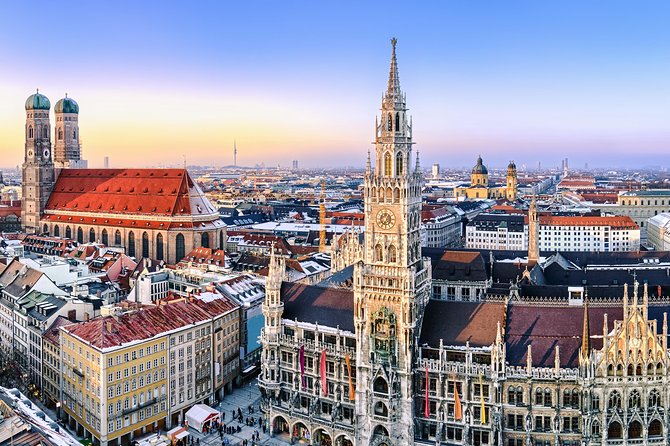
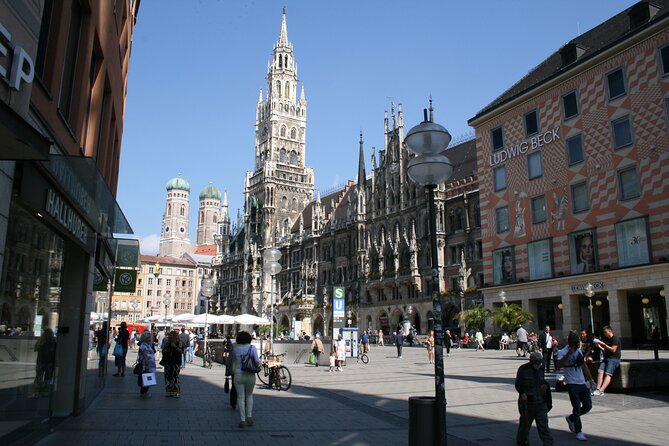
Starting at Munich Marienplatz is smart because it’s the city’s natural meeting point. You’ll begin in the heart of the Old Town area, then move outward on foot so the streets start making sense. If you’re only in Munich for a couple of days, this is the kind of orientation that saves time later.
The best part for me is the rhythm of a “short walk, big payoff” format. In roughly 2 hours, you’re not just ticking landmarks off a list. You’re seeing how Munich’s major spots connect—cathedral area, theater/arts zone, garden paths, and the market—without needing to piece it together yourself.
Another practical win: the tour ends back at the meeting point. That matters when you’re hungry, jet-lagged, or just want to hop onto transit quickly after the walk. And since it’s near public transportation, you can fit this in even if your schedule is tight.
You can also read our reviews of more walking tours in Munich

Glockenspiel, Frauenkirche, and the Opera House area: your quick-hit Old Town photo run
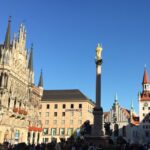
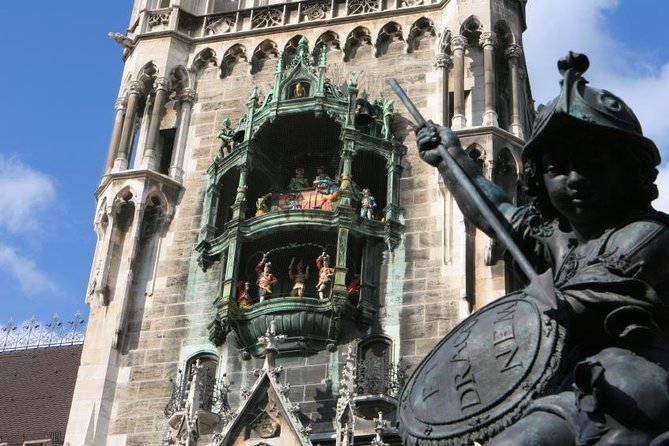
This walk is built around the famous sights you’ll want on your first Munich photos. Expect time at Marienplatz, where the Glockenspiel is part of the scene, plus stops around Frauenkirche (the cathedral) and the Opera House / Nationaltheater area. Even if you only stop for a few minutes at each, it’s enough to register what’s where.
Here’s why that’s useful: Munich can look “same-ish” from street level until you know your anchors. Once you’ve seen these key buildings up close, you’ll recognize them later when you’re wandering on your own. The tour also gives context through stories and history-style explanations, which helps the sights feel connected rather than random.
Do keep one expectation in check: this is a short walk. You’ll get great overview moments, not hours inside museums. If you’re the type who likes to linger for long photo sessions or read every plaque, you’ll likely want to plan extra independent time after.
Royal Gardens and theater zone: the cultural break between landmarks
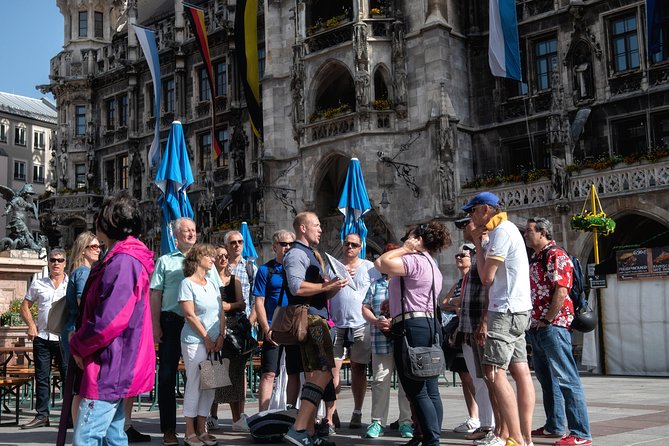
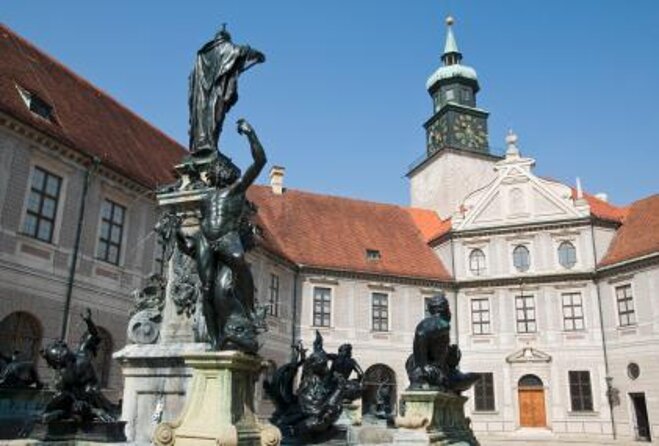
One of the quieter pleasures in this route is the shift from the dense center into greener or more open areas. The tour includes Royal Gardens and passes through the Nationaltheater area, so you’re not stuck only in the busiest streets. It’s a nice mid-walk change of pace that helps you reset your brain.
This part works especially well if you’re traveling with kids or anyone who gets restless. One of the strongest pieces of feedback was that guides were good at keeping the group on track while still accommodating a slower pace. That matters because gardens and parks are where people naturally want to pause, point, and take in details.
A drawback to consider: Munich streets can be crowded, and the theater district isn’t always calm. If your group is large or the day is packed, the guide may have to work harder to keep moving. That’s not a “bad” sign—it just means you should stay flexible and patient.
Viktualienmarkt: the local-food stop that actually helps you eat well later
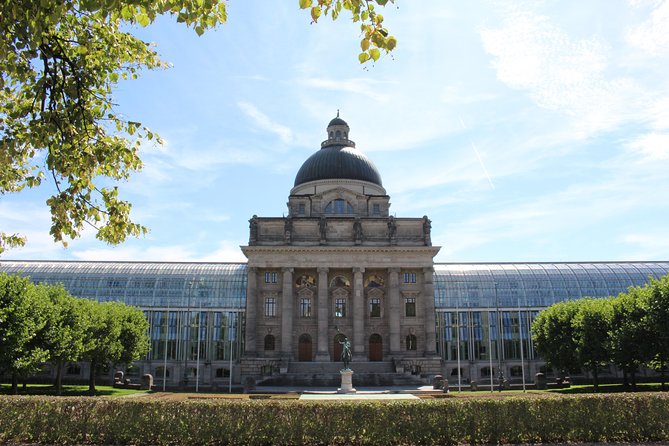
The route includes Viktualienmarket, described as Munich’s biggest food market place, and it’s a highlight for a reason. A market stop on a walking tour isn’t only about seeing food stalls. It’s about learning what the neighborhood feels like and what people buy for an everyday meal.
I like this stop because it gives you options. You’ll see what’s available, how the stalls are arranged, and what locals seem drawn to. Even if you don’t do a full sit-down meal, you’ll come away with a better sense of where to grab snacks and what to look for when you’re hungry later.
Here’s how I’d make the most of the market time: bring your appetite and be ready to walk a bit slower than you would on a pure sightseeing loop. Markets reward curiosity. Ask your guide for practical recommendations tied to what’s around you, not generic “must eat” advice.
The main caution is noise and crowding. Market areas can get busy, and if you’re trying to hear every word from across the flow of people, it may be tough. If you care most about the food atmosphere, lean into observing and keep the questions simple.
Hofbräuhaus in the mix: the beer-hall landmark stop without overcommitting
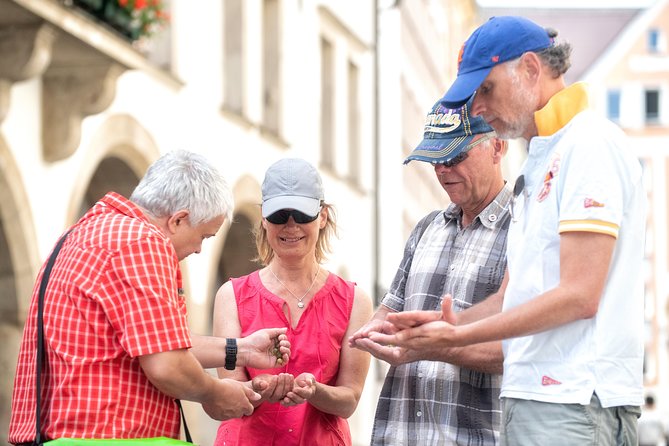
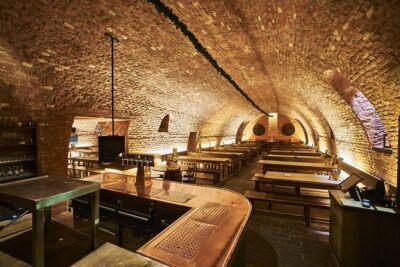
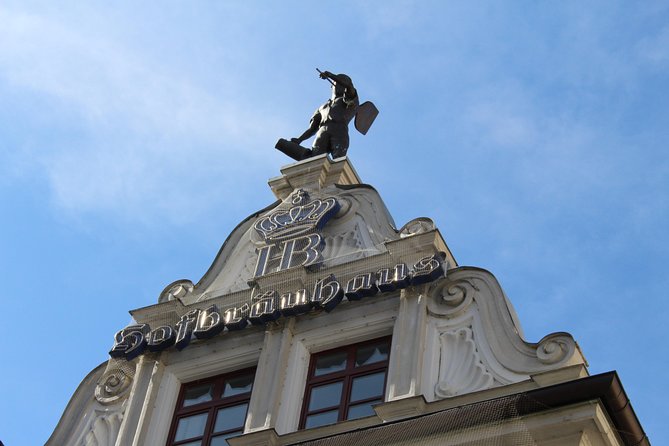
The tour includes a visit to Hofbräuhaus, Munich’s most famous beer hall. On paper, it might sound like a quick photo stop, but in a short tour like this, even a brief look at a landmark like this can anchor your understanding of Munich’s beer culture.
What I like is that you’re not stuck at Hofbräuhaus for hours. The tour structure keeps it moving so you still reach the English Garden portion. That balance is valuable if you’re doing other things later in the day, or if you’re traveling with people who don’t want a “drink-focused” experience.
Still, there’s one reality check: the beer-hall area can be lively. If your group is sensitive to sound or wants a quieter day, choose timing carefully. Loud, busy surroundings can make it harder to catch explanations, and you’ll likely switch from listening to observing.
Also note the tour price is designed for the guided experience, not for meals. Lunch is not included, so plan to eat after you finish the walk. That way you’re free to pick something that fits your tastes.


English Garden and Eisbach: where the city turns weird—in a good way
The English Garden portion is the big contrast moment. You go from landmark-heavy streets to paths and river-side views, and the route includes watching the river surfers on the Eisbach. That’s a very Munich-specific scene: an urban park energy with something athletic and unexpected happening right there by the water.
This is one reason the tour is a good “first week” activity. You’ll learn how the city balances its historic core with outdoor space. And once you’ve seen where the action happens near the Eisbach, you can come back later for a calmer repeat visit.
One practical note: parks are still public areas, and your view depends on where you stand. If you want photos of surfers, bring patience and angle your spot early rather than trying to squeeze in at the last second.
Also remember weather matters. A review about rainy conditions highlighted that the tour still worked even when it rained. So you’ll want a light rain layer and shoes that handle slick sidewalks. If rain changes your comfort level, it’s easier to adjust with proper footwear than with hopes.
Pace, group size, and noise: what your 2 hours will feel like
This is a small-group walking tour, with a maximum of 30 people. In real life, that often means you get a better back-and-forth experience than on giant bus tours. Multiple guides were praised for being engaging and friendly, and there were examples of groups being quite small, which can make the walk feel more personal.
That said, this isn’t a slow stroll. The experience is described as an easy-paced, short walking tour, but you should still expect you’ll be walking steadily for about 2 hours. One feedback note mentioned around 7 km total, so treat it like real sightseeing distance, not a light promenade.
Your biggest potential issue isn’t the walking—it’s hearing. Munich can be loud, especially around major squares, bells, and busy event periods. One guide response specifically mentioned how loud it can be in areas like this during high-tourist moments, including Octoberfest. If clear audio is important to you, pick a departure that fits your tolerance for crowds.
Guides also varied in how well they handled voice projection in very busy conditions. That doesn’t mean the tour is bad—it means you’ll want to stay close to your guide when possible and ask questions during clearer moments rather than trying to catch everything over street noise.
Price and value: does $26.62 make sense for what you get?
At about $26.62 per person for a roughly 2-hour guided walk, the value is in the structure. You’re paying for a professional guide, and the tour includes all activities—while lunch is not included. The itinerary also indicates that admission is free for the listed stops, so you’re not adding a long chain of extra ticket costs during the walk.
For first-time Munich visitors, paying for an orientation like this can be a money-saver. You’ll get the layout in your head: Old Town anchors at Marienplatz and Frauenkirche, the theater zone, the market area, then out toward the English Garden and Eisbach. Once you know those connections, it’s easier to plan day trips and avoid wasting time backtracking.
For short trips, it’s also efficient. You’re seeing multiple “must-see” categories—church/city center landmarks, market life, beer-hall culture, and the park scene—in one tight loop. If you compare that to spending a half day piecing together public transport + self-guided walks, this price starts to look fair.
One cost detail to keep in mind: there’s mention of a parking fee payable at tour check-in. If you’re driving, plan for that. If not, you’ll likely ignore it and just focus on getting to Marienplatz near public transportation.
Practical tips to make this tour smoother
Bring shoes you can walk in for a solid couple of hours. Even when the pace feels manageable, you’re moving between several different zones. For photos, remember that popular landmarks and park viewpoints can get crowded fast, so aim to stop where the guide directs you rather than wandering off for the perfect angle.
If you’re sensitive to noise, mentally prepare for it. City-center walking tours are rarely quiet, especially in a square like Marienplatz. Stay within a comfortable speaking distance of your guide, and save longer questions for moments when the group pauses.
Finally, use the tour as your planning seed. After the walk, you’ll know where Viktualienmarkt is relative to the center, where Hofbräuhaus sits in your day, and how the English Garden connects back to Old Town routes. That makes your next self-guided hours easier.
Should you book the Munich Old Town Walking Tour?
Book it if you want a fast, friendly way to get your bearings in Munich. This is especially worth it as an early trip activity because it hits major landmarks around Marienplatz, adds Viktualienmarkt food-market context, includes Hofbräuhaus, and then gives you the unmistakable English Garden + Eisbach surfer scene.
Skip or rethink it if you know you struggle with street noise. This walk happens in real public spaces where hearing every word can be challenging on busy days. If you want a super quiet experience, you might prefer a different format.
If you’re doing one guided walk and you want it to cover history-flavored stories plus places you’ll actually revisit, this one is a strong pick.
FAQ
How long is the Munich Old Town Walking Tour?
It’s approximately 2 hours.
Where does the tour start and end?
The tour starts at Marienplatz, 80331 München, Germany and ends back at the meeting point.
What language is the tour offered in, and do I get a ticket on my phone?
The tour is offered in English, and you receive a mobile ticket.
What is included in the price?
The price includes all activities and a professional guide. Lunch is not included.
Do I need to buy separate admission tickets?
The tour lists admission as free for the included parts of the experience, and the price is for the guided walk.
Is there a limit on group size?
Yes. The tour has a maximum of 30 travelers.
What is the cancellation policy?
You can cancel for a full refund up to 24 hours in advance of the experience’s start time. If you cancel less than 24 hours before, the amount paid is not refunded. Changes within 24 hours of the start time are not accepted.