REVIEW · CITY TOURS
Munich Classic City Segway Tour (English or German Guide)
Book on Viator →Operated by Fat Tire Tours Munich · Bookable on Viator
Segway through Munich fast, and with style. This Munich Classic City Segway Tour is interesting because you cover major landmarks in about 3 to 3.5 hours while the guide pauses often for photos and context, not just riding. I love the max 8-person group size (you get real attention), and I love the built-in 10–15 minutes of Segway training before you roll. The main drawback to weigh is that it’s not recommended if you have knee or balance problems, and the tour requires good weather.
You can join with an English or German guide, and you don’t need to fuss with printouts thanks to the mobile ticket. You’ll meet at Karlsplatz 4 (80335 München), then head to Fat Tire Tours Munich for training and setup.
This route stitches together Munich in a way walking tours can’t: royal residences and museum districts, the English Garden, the Isar River, and a surfer-famous stop at the Eisbach Wave. You also get practical extras like luggage storage and Wi‑Fi at the shop, plus sunscreen and a raincoat if conditions call for it.
In This Review
- Key things that make this Munich Segway tour worth your time
- Segway training at Karlsplatz: your first 15 minutes matter
- Why the 3–3.5 hour pace works (and what it doesn’t do)
- Hofgarten and the ride start: calm Munich before the big sights
- English Garden and the central-park feel you can actually cover
- Königsplatz: cultural center with heavy historical context
- Pinakotheken: art in quick, memorable bites
- Odeonsplatz: Feldherrnhalle and Theatinerkirche in a concentrated view
- Residenz München: royal palace complex stories on the move
- Isar River: where the tour slows into a scenic reset
- Eisbach Wave: Munich’s surfer moment, up close
- Brienner Str. 45: a brief but serious political-era stop
- Maximilianeum and Friedensengel: civic Munich and a peace monument
- Where the included extras actually help you enjoy the ride
- Price and value: is $92.19 a fair deal for Munich on a Segway?
- Who this Munich Classic City Segway Tour fits best
- Quick FAQ for planning your Munich Segway outing
- FAQ
- What’s the duration of the Munich Classic City Segway Tour?
- How many people are in the group?
- Do I need to bring a ticket, or is it digital?
- Which languages are available for the guide?
- Where do I meet the tour?
- What’s included with the Segway ride?
- Are there any admission fees for stops?
- Is the tour suitable for beginners?
- Are there age requirements?
- What if the weather is bad or I need to cancel?
- Should you book this Munich Segway tour?
Key things that make this Munich Segway tour worth your time
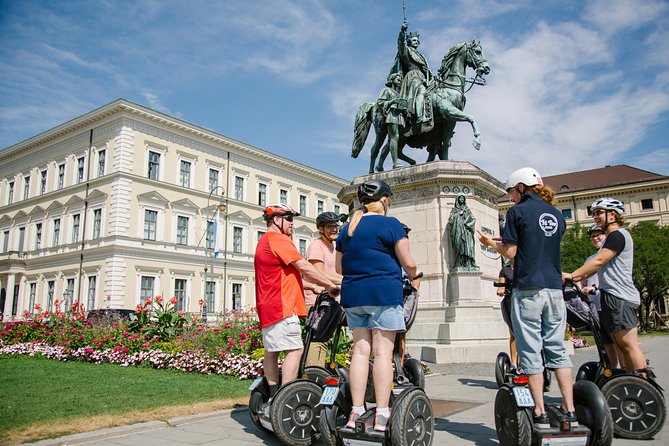
- Small group (up to 8): more hands-on help when you’re learning and more time for questions.
- Real start-to-finish structure: 10–15 minutes of training before the first sight.
- Frequent photo moments: you stop often enough to actually capture the landmarks.
- Top Munich mix: gardens, art squares, royal buildings, river views, and the Eisbach Wave.
- Somber stops included: you’ll pass Brienner Str. 45, tied to National Socialist Germany’s power center.
- Ready-for-weather gear: sunscreen and a raincoat are included, which reduces trip stress.
Segway training at Karlsplatz: your first 15 minutes matter

The tour begins at Karlsplatz 4, near public transportation, which is a smart choice if you’re juggling transit and timing. Before you see the sights, you spend 10–15 minutes on Segway training at Fat Tire Tours Munich. That initial practice isn’t a throwaway preface. It’s the part that decides whether the ride feels fun and controlled—or stressful.
From a practical point of view, that training time is also what lets the rest of the tour stay smooth. You’re not constantly stopping to troubleshoot. Instead, you can focus on looking around and listening. And since the tour caps the group at eight people, the instructors can keep an eye on how everyone is handling the vehicle.
You’ll also have the basics handled: a helmet is included, and the tour supplies sunscreen and a raincoat. Even if Munich gives you a quick drizzle, you’re less likely to have to abandon the plan.
You can also read our reviews of more guided tours in Munich



Why the 3–3.5 hour pace works (and what it doesn’t do)
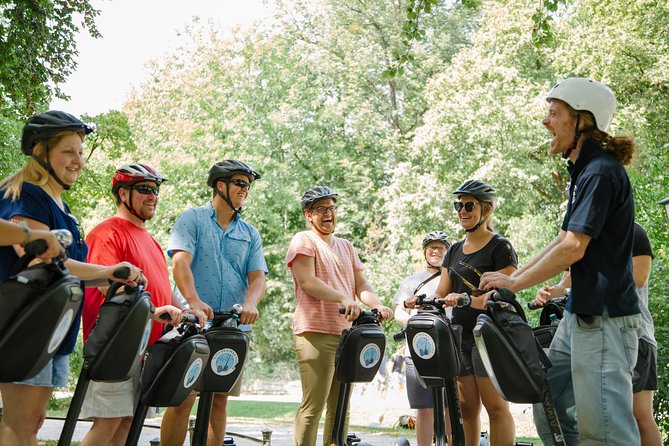
This is the kind of tour that helps you get your bearings fast. In roughly three hours you’ll pass a long list of major Munich landmarks, which is great when you have limited time or you want a first-day orientation.
But here’s the trade-off. Most stops are short—some are only 5 minutes, and several are “pass by” moments rather than full visits. If you’re the type who wants to wander inside every building, this won’t replace a museum day or a deeper architecture walk. It’s built to show you the big shapes of Munich, then give you enough direction to return later.
That short-stop format also affects how you experience the city. You’ll get snapshots and stories, but the tour won’t feel like leisurely sightseeing. If you like fast, guided variety, you’ll be in your element. If you prefer long pauses, you may find the rhythm a little quick.
Hofgarten and the ride start: calm Munich before the big sights
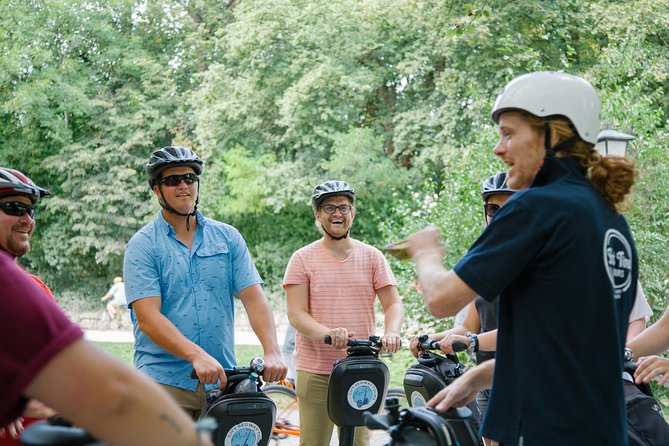
After training, you start the route with a stop near Hofgarten. This is a good opening move because it transitions you from “learning the Segway” into “actually seeing Munich.” You’re already moving through a historic urban area, which makes your first minutes on the Segway feel purposeful.
Even though the stop time isn’t listed as a big sightseeing block, the Hofgarten segment sets an important tone: Munich isn’t only about monumental squares. It also has green, human-scaled spaces that help the city feel livable.
From a value perspective, starting here is smart. You’re not thrown immediately into traffic-heavy, high-demand areas. The early part of the route lets you settle into the ride and get comfortable turning your attention outward.
English Garden and the central-park feel you can actually cover
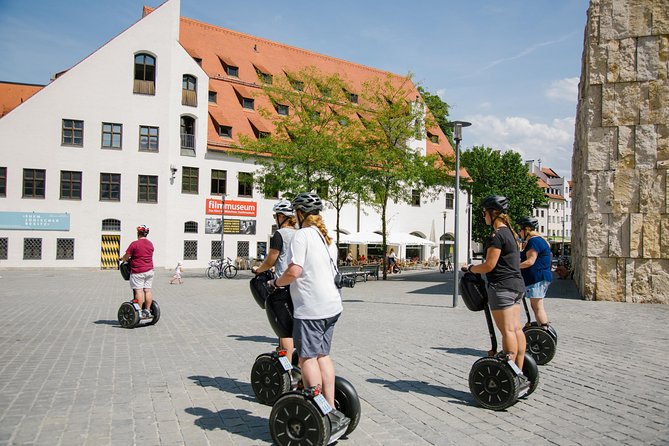
Next comes the English Garden. The tour description calls it Munich’s central park, and it gives you a ride through the area for about 10 minutes. This matters because the English Garden is huge in real life. You can’t “do it properly” in a short guided loop—but you can understand why everyone talks about it.
On a Segway, you get a smoother “flow” than you would on foot. And since the guide is providing commentary as you move, you’re not just staring at scenery. You’re picking up context about what you’re seeing and where you’re positioned within the city.
A small caution: because this segment is limited to a ride-and-photo stop, you won’t get the full depth of a long park stroll. Think of it as a highlight preview—enough to help you decide if you want to come back later for a longer walk.
Königsplatz: cultural center with heavy historical context
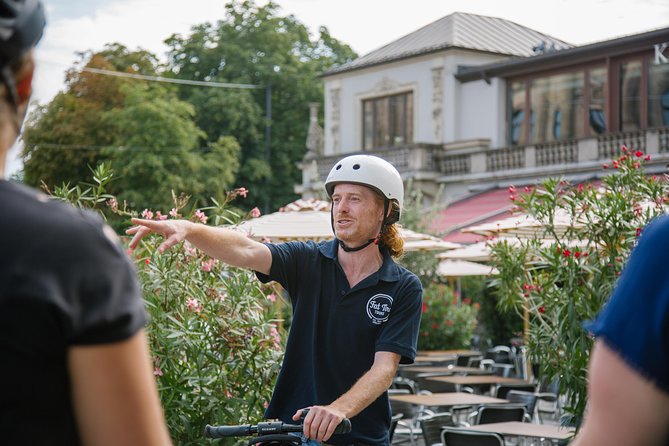
The tour stops at Königsplatz, listed as the centerpoint of Munich cultural life and also tied to Nazi marching ground. The scheduled stop is about 5 minutes, which means you’ll mainly get a guided pass-by and photo angles rather than an extended visit.
This is one of those moments where the guide’s framing matters. You’ll be getting quick orientation on what the square is and why it became historically significant. It’s also the kind of stop that can shift your mood—especially if you’re not expecting it to reference National Socialist Germany directly.
If political-era history is uncomfortable for you, you’ll want to mentally prepare. The tour doesn’t shy away from it; it treats it as part of Munich’s story.
You can also read our reviews of more city tours in Munich





Pinakotheken: art in quick, memorable bites
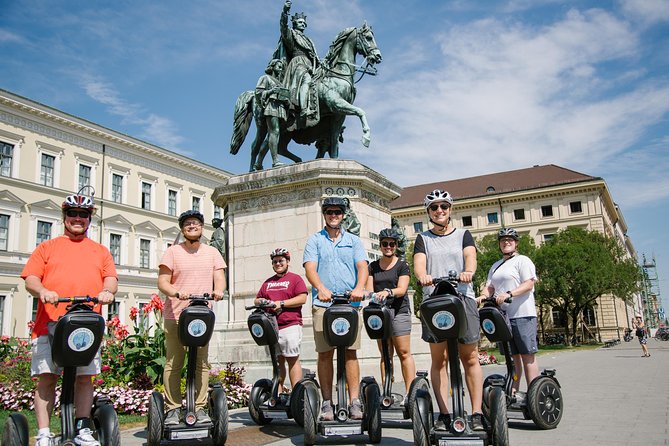
You’ll then reach Pinakotheken, described as some of the oldest art galleries in the world, collectively. Again, the stop time is brief at about 5 minutes, and the itinerary indicates entry is not included for that stop.
That combination—short stop plus not-included admission—usually means you’re seeing the area and using the guidance to understand what you’re looking at, rather than going inside. For many people, that’s still valuable. The Pinakotheken district can be confusing if you don’t know the names and relationships between institutions. Even a quick guide-led orientation can make a later museum visit far more satisfying.
Odeonsplatz: Feldherrnhalle and Theatinerkirche in a concentrated view
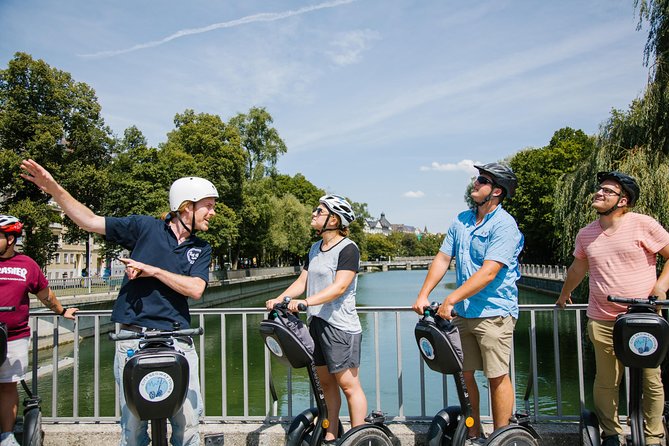
At Odeonsplatz, you’ll see Feldherrnhalle and the Theatinerkirche. The tour gives about 10 minutes here.
This stop tends to work well in a Segway format because the square-like setting makes it easy to capture perspectives without needing long detours. You also get a sense of how Munich mixes religious architecture with state power symbolism, and why this area feels like a stage for public life.
If you’re taking pictures, this is the kind of place where you’ll appreciate the guide’s stop-and-go timing. You get enough time to frame shots, but not so much time that you lose the tour’s momentum.
Residenz München: royal palace complex stories on the move
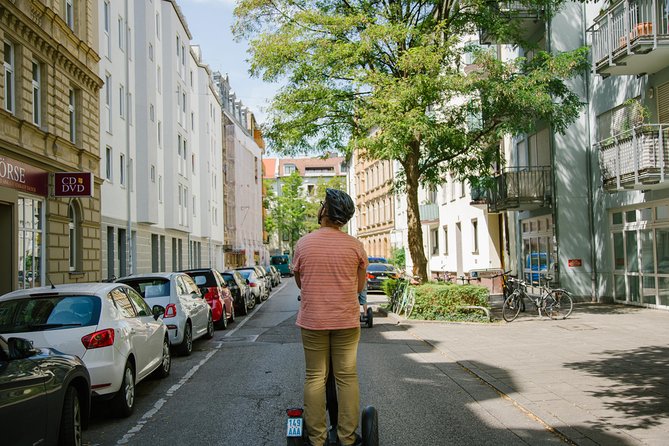
Then it’s on to Residenz München, the old royal palace complex. The stop is listed at around 10 minutes and includes listening to stories about local aristocracy.
This is another “pass-by with context” style stop, and that suits this tour’s format. The Residenz is big, and you could spend days here. A Segway drive and a guide-led overview give you a map in your head: where the complex sits, what it represents, and what themes you should pay attention to if you later choose a deeper visit.
One practical upside of the Segway: you can maintain motion between stops. That keeps the tour from feeling like a series of long lineup walks. Instead, you get a steady rhythm—ride, stop, learn, photo, ride.
Isar River: where the tour slows into a scenic reset
You’ll ride along the banks of the Isar River, scheduled for about 10 minutes. The itinerary frames the Isar as central to Munich and a popular relaxation spot.
This segment is a helpful break from the more formal squares and institutional buildings. The river gives you a different visual texture and a more relaxed feel. Even in a short time, you can sense why Munich locals use it for downtime.
Just remember the timing: this is not a long riverside walk. You’re getting a scenic highlight from the Segway route with commentary, not a full “linger on the path” experience.
Eisbach Wave: Munich’s surfer moment, up close
The tour’s Eisbach Wave stop is another easy-to-love part of the route. It’s described as a performance by the world famous Munich surfers, and the stop is listed around 10 minutes.
If you like seeing how cities behave when you’re not trapped behind ticket lines, this is a standout. The Eisbach Wave is famous for a reason: it’s a surprising, human spectacle that makes Munich feel inventive and alive.
The Segway format also helps here. Instead of trying to squeeze into a crowded viewing area on foot, you arrive with the group and get a planned window to take it in before the tour moves on.
Brienner Str. 45: a brief but serious political-era stop
After the Eisbach Wave, you pass Brienner Str. 45, described as the headquarters of the National Socialist German Workers’ Party and tied to Hitler’s office block. The stop is about 5 minutes, and it’s marked as free.
This is the portion of the tour that can feel emotionally heavy. Even if you’re not a history buff, the itinerary is clear that this isn’t just a photo stop. It’s part of Munich’s 20th-century story, and the guide’s job is to provide context so you understand what the location represents.
If you prefer tours that focus only on architecture and food, you might feel this section is too direct. But if you want the fuller Munich picture—including the uncomfortable parts—this tour does include it without making you guess.
Maximilianeum and Friedensengel: civic Munich and a peace monument
You’ll then visit Maximilianeum, described as the home of a gifted students’ foundation and the Bavarian Landtag (state parliament). The stop time is about 5 minutes, with admission marked as not included.
This short segment works like an orientation pass. You see the institutional setting and hear what it’s for. For many people, that’s enough to understand why Maximilianeum stands out in Munich’s civic landscape—even if you don’t step inside.
Next is Friedensengel, the Angel of Peace monument tied to 25 peaceful years after the Franco-German war. Scheduled for about 5 minutes, and also marked as not included.
This is a nice emotional counterpoint after the political-era stop earlier in the route. You’re ending that part of the story with a symbol of reconciliation rather than power.
Where the included extras actually help you enjoy the ride
It’s easy to list inclusions. What matters is how they affect your day.
- Helmet and Segway use: you’re not juggling rentals or figuring out how the system works.
- Sunscreen and raincoat: Munich weather can be moody, and having gear included reduces hassle.
- Free Wi‑Fi and luggage storage in the shop: you can arrive, store bags, and keep your phone usable without treating your tour like an all-day storage problem.
There’s also a small-group advantage baked into the experience. With a maximum of eight travelers, the guide can adapt. That’s especially useful if you’re trying Segways for the first time, which many people are.
Price and value: is $92.19 a fair deal for Munich on a Segway?
At $92.19 per person, the tour isn’t the cheapest thing on your Munich list. But it’s also not priced like a private driver or a full-day museum ticket stack.
Here’s where the value comes from: you’re paying for (1) the Segway equipment and helmet, (2) guided commentary, and (3) the ability to cover a long route in about 3 to 3.5 hours. If you tried to do the same sight sequence on foot, you’d spend a lot more energy and time just moving between stops.
You also get a structured stop rhythm—short photo moments plus explanations—so you’re not wandering while guessing what you’re looking at. That’s a real time-saver in Munich, where key districts are spread out.
And with an 8-person max, you aren’t getting lost in a crowd. The price makes more sense when you think about that personal attention, not just the vehicle.
Who this Munich Classic City Segway Tour fits best
This tour is a good match if you want a guided introduction to Munich’s major highlights, with enough stops to learn without burning the day.
It’s especially suited for:
- First-time visitors who want to see a lot quickly
- People who enjoy photo breaks and guided stories between landmarks
- Anyone comfortable riding a Segway after a short training session
- Groups that want a controlled, small setup instead of a big bus tour
It may not be for you if:
- You have knee or balance problems (it’s not recommended for these)
- You want deep time inside museums and major buildings (several stops are not included for admission, and many stops are brief)
Also note the content mix: you’ll pass politically charged locations, including Brienner Str. 45. If that’s a deal-breaker, read your comfort level for history before booking.
Quick FAQ for planning your Munich Segway outing
FAQ
What’s the duration of the Munich Classic City Segway Tour?
It runs about 3 hours to 3 hours 30 minutes.
How many people are in the group?
The tour has a maximum of 8 travelers.
Do I need to bring a ticket, or is it digital?
You’ll use a mobile ticket.
Which languages are available for the guide?
The tour offers an English or German guide.
Where do I meet the tour?
The start is Karlsplatz 4, 80335 München, Germany, and it ends back at the meeting point.
What’s included with the Segway ride?
Included are Segway use, a helmet, free Wi‑Fi and luggage storage at the shop, sunscreen, and a raincoat.
Are there any admission fees for stops?
Some stops list admission as not included, while others are marked as free. The itinerary includes both pass-by photo stops and sight stops with different admission statuses.
Is the tour suitable for beginners?
The tour includes 10–15 minutes of Segway training before you begin, and it says most travelers can participate. It’s not recommended for travelers with knee or balance problems.
Are there age requirements?
Yes. All travelers must be over the age of 14, as required by German law.
What if the weather is bad or I need to cancel?
The experience requires good weather; if it’s canceled due to poor weather, you’ll be offered a different date or a full refund. Free cancellation is available up to 24 hours in advance for a full refund.
Should you book this Munich Segway tour?
If you want a high-hit itinerary—gardens, major squares, royal Munich, the Isar, and the famous Eisbach Wave—this is one of the most efficient ways to get oriented. The max 8-person size and the training time make it feel designed for real participants, not just people who already know Segways.
I’d skip it if you need lots of museum time, or if knee/balance concerns are an issue. I’d also be ready for the tour to include serious historical context at Brienner Str. 45. If that fits your style, booking is a smart move—especially since it’s commonly booked around a month ahead.