REVIEW · MUNICH OLD TOWN WALKING TOURS
Munich: Old Town Walking Tour
Book on GetYourGuide →Operated by Munich Walk Tours · Bookable on GetYourGuide
Two hours, and Munich clicks into place. This walking tour turns a quick stroll into a storybook sweep of Marienplatz landmarks, with royal scandals, city legends, and real-life details that make the center feel human. I also love the mix: serious architecture and then playful beer-hall lore, capped off with a walk into the English Garden, where you can even spot surfers.
I also like how the route stays focused. You cover major sights like the Frauenkirche and stops tied to the Munich Residenz, then you get a sense of what locals actually do in the city parks and beer culture. The only downside is simple: it’s outdoors, and snowy rainy weather can make those cobblestones and open squares feel colder.
In This Review
- Key Stops That Make This Tour Worth Your Time
- Marienplatz: The Square Where Munich’s Day Begins
- Frauenkirche and Old Town Stops That Feel More Than Decorative
- Munich Residenz Palaces: Royal Life, Not Just Royal Buildings
- Beer-Hall Lore and Breakfast Beer Rules (Yes, Really)
- English Garden: The Huge Park Walk With Surfers 6 Hours From the Sea
- The Route’s Real Value: You Get Context Without a Big Time Commitment
- Guides Matter Here: Clear Explanations and Good Pacing
- Practical Tips for Getting the Most Out of Your 2 Hours
- Price and Value: Why $23 for Two Hours Can Make Sense
- Should You Book This Munich Old Town Walking Tour?
- FAQ
- Where does the tour start?
- How long is the walking tour?
- How much does it cost?
- Is the tour in English?
- Is the tour wheelchair accessible?
- Is hotel pickup available?
- What is the cancellation policy?
- Does it offer reserve now & pay later?
Key Stops That Make This Tour Worth Your Time
- Marienplatz: the Old and New Town Hall square that sets the tone for Munich’s story
- Frauenkirche: a postcard landmark that gains meaning when you hear what shaped it
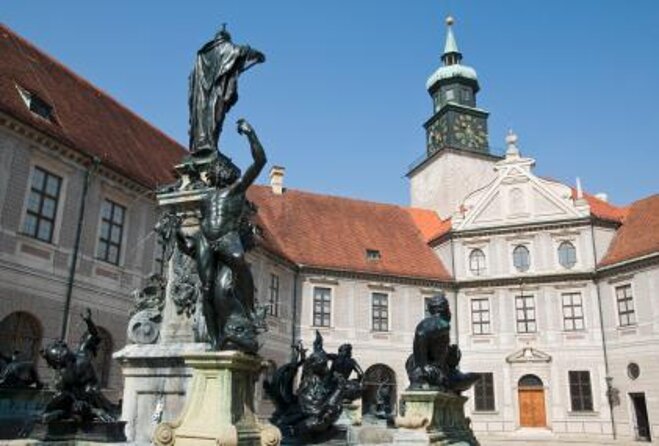
- Munich Residenz area: royal palaces and behind-the-scenes scandals, not just facades
- Beer-hall culture talk: including when beer shows up at breakfast
- English Garden: a huge green walk (bigger than Central Park) with surfers
- Guides who handle pacing well: tours are described as structured, friendly, and easy to follow
Marienplatz: The Square Where Munich’s Day Begins
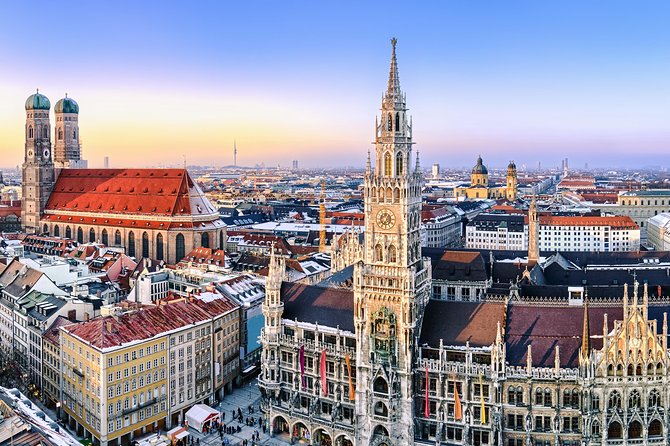
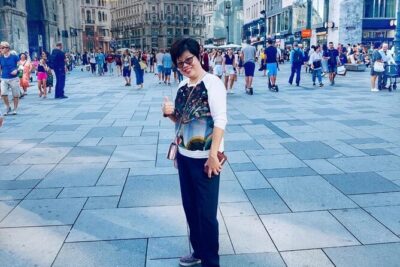
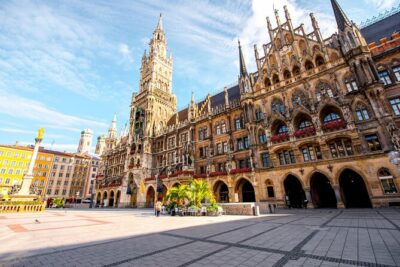
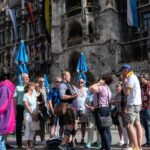
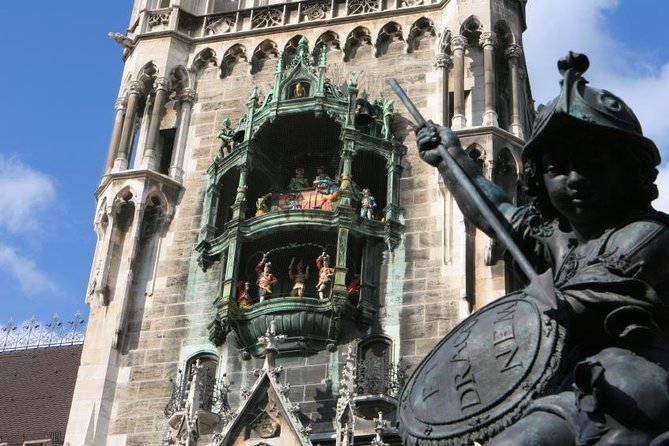
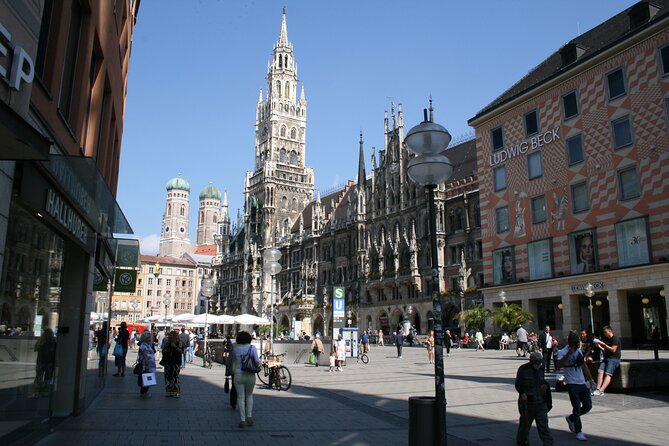
Your tour starts at Marienplatz, in front of the Tourist Information Centre. This is one of those places where you immediately understand why Munich centers its energy here: the square feels like a stage. The Old and New Town Hall anchor the view, and you get oriented fast.
From the beginning, the guide’s job isn’t just to point at famous buildings. It’s to give you the backstory so you know what you’re looking at. You’ll hear about Munich’s 850-year history and how events tied to this city mattered beyond Bavaria.
If you like walking tours that feel like a smart intro—rather than a race through photos—you’ll enjoy this start. Marienplatz is also flat and open, so even in cold weather, it’s easier to regroup and stay comfortable.
You can also read our reviews of more walking tours in Munich


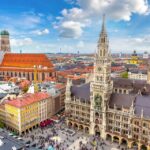
Frauenkirche and Old Town Stops That Feel More Than Decorative
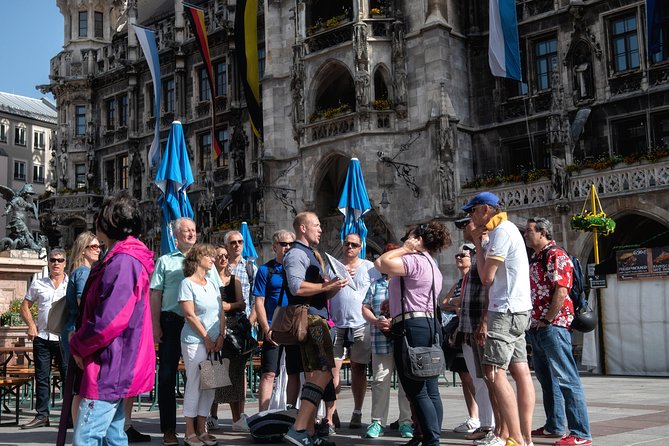
Soon you’re moving through Munich’s historic inner city, keeping your eyes up and your mind switched on. One of the key sights is the Frauenkirche. It’s spectacular on its own, but what makes it land on this tour is context: the guide connects it to the city’s shifts in power and identity over centuries.
This is where the tour’s structure helps. You don’t just get architecture; you get reasons. The guide weaves in legends and stories, including royal scandals and city lore, so the streets stop feeling like a generic “old town” and start feeling specific to Munich.
Practical note: you’ll likely do some standing still for photos, especially around major landmarks. If weather is bad, this can slow the pace a bit, but the route is still designed to fit into the 2-hour window.
Munich Residenz Palaces: Royal Life, Not Just Royal Buildings
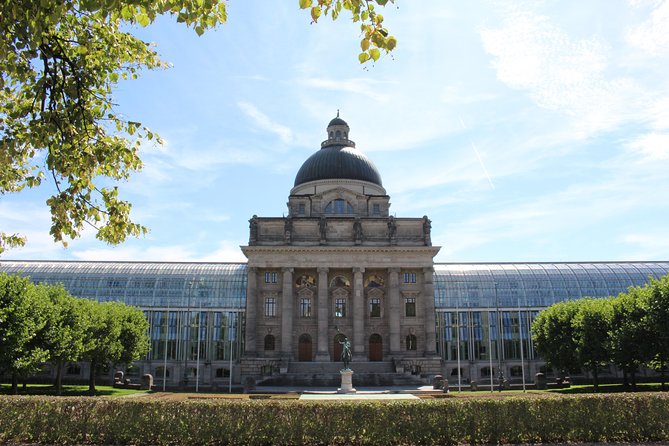
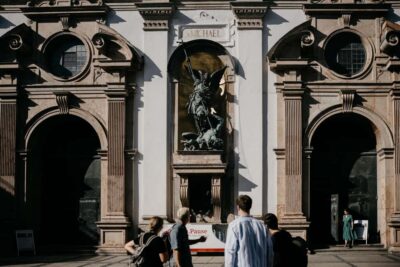
As you continue, the tour brings you toward the former royal palaces at the Munich Residenz area. This stop matters because it shifts your mindset from “pretty streets” to “how the city really worked.” You’ll see key sights tied to the ruling classes and hear how power, conflict, and public life intersected here.
The guide also frames some moments as worldwide-interest events, not just local gossip. That’s a clever way to connect big history to small details you can actually see while walking. You end up with a clearer picture of how Munich’s role evolved over time.
In real terms, this makes your time useful later in your own sightseeing. After you hear the stories here, when you pass similar-looking facades on your own, you’ll have mental handles—who lived where, what changed, and why people cared.
Beer-Hall Lore and Breakfast Beer Rules (Yes, Really)
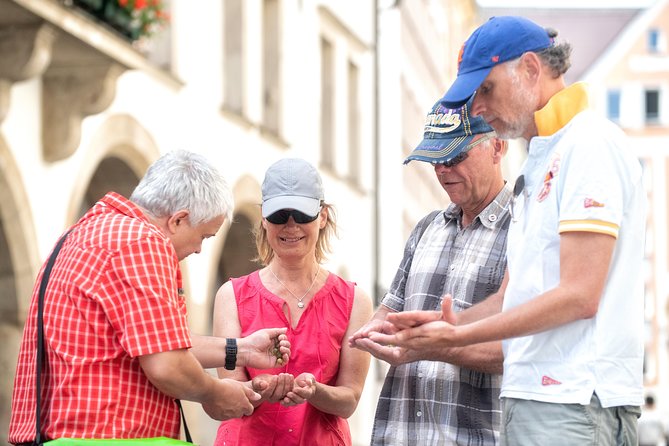
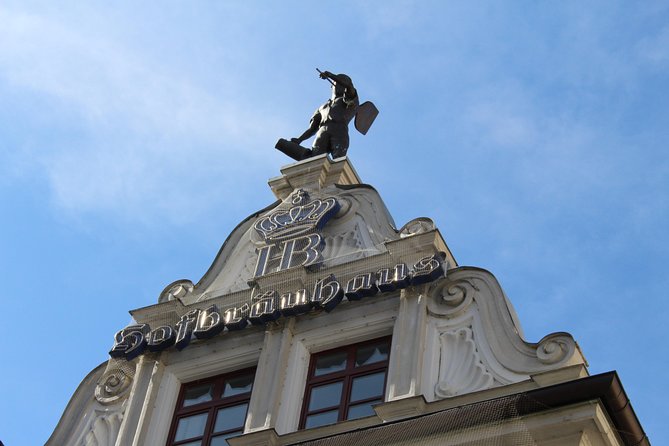
Here’s where the tour gets fun in a very Munich way. You’ll see famous beer halls, and the guide talks about beer culture beyond just ordering a pint. One of the advertised themes is when you should drink beer for breakfast, which is exactly the kind of detail that turns a tourist city into a lived-in one.
I like this part because it’s not just jokes. It’s the idea that beer is part of daily rhythms and local identity. You learn to read Munich differently: not as a city that drinks only at festivals, but one that has long-running traditions and habits.
What you should take from this section is timing and attitude. You don’t need to plan your whole day around beer, but you do want to understand how and when it appears in local life. That makes your later choices easier, whether you’re aiming for a relaxed morning stop or an evening dinner with a beer-hall vibe.
English Garden: The Huge Park Walk With Surfers 6 Hours From the Sea
Then the tour pivots into greenery: the English Garden. This is a standout moment, because the English Garden is larger than New York’s Central Park, and it feels like you’re stepping into a different pace. Along the way, you’ll walk among oak and maple trees, with that classic park feeling—space, shade, and room to breathe.
The most surprising detail is that you can see surfers. The fact that this is happening despite being about 6 hours from the nearest sea is the kind of Munich weirdness that makes the city memorable.
Even if you’re not a park person, this stop is worth it because it balances the day. The old town stories and royal-era buildings can be heavy. The English Garden is a reset button, and it gives you a new landmark to anchor your mental map.
If you’re short on time in Munich, this tour does a smart thing: it gives you both the built history and one of the city’s biggest outdoor “third spaces” where people actually hang out.


The Route’s Real Value: You Get Context Without a Big Time Commitment
Two hours sounds short because it is. But this tour squeezes a lot into that time by linking sights to stories instead of treating them like checkboxes.
You start with the city’s center of gravity at Marienplatz, then you hit major religious and architectural icons like the Frauenkirche. After that, you move into the royal-world layer near the Munich Residenz. Finally, you finish with beer culture and the English Garden. That arc—civic square, faith, power, everyday culture, then nature—gives you a well-rounded first impression.
This matters on a practical level. On day one, it’s easy to feel like Munich is “just pretty.” After a tour like this, you’ll walk around after the fact with more confidence. You’ll know what to look for and why it matters, and you’ll also have better instinct for where you might want to spend more time on your own.
Also, the walk is described as comfortable and not hard. You’re not spending the whole time huffing uphill stairs. The pace is set to keep the group moving while still allowing the guide to tell stories and answer questions.
Guides Matter Here: Clear Explanations and Good Pacing
A lot of guided tours promise stories. This one stands or falls on the guide, and you can see a pattern in the feedback. Guides are repeatedly praised for being easy to understand, patient with questions, and good at keeping a comfortable tempo.
Names that show up often include Martina Helfer, Sam, Emanuela, Michael, Emmanuela, Willfried, Steven L, Danielle, Noel, Barbara, Claudia, Florian Muller-Galbory, Chris, Ulrike, and Thomas. Across those guides, the common thread is simple: they make the places feel alive with funny anecdotes and clear explanations, without turning it into a lecture.
If you care about getting more from your guide time—like extra small sights, signposting for what to do next, and thoughtful answers—this is the kind of tour that can deliver it. You’re also likely to appreciate the small-group feel, since private group options exist and off-season tours can end up with very few people.
Practical Tips for Getting the Most Out of Your 2 Hours
Because so much of this is walking through open squares and moving between landmarks, your best prep is basic comfort.
- Wear shoes that handle cobblestones and wet sidewalks.
- Bring a jacket that can handle snow or rain. Several experiences note unpleasant winter weather, but the tour still runs and still hits the main points.
- If you want photos at the big squares and churches, plan a few slow moments for standing still.
If you’re the kind of traveler who likes to ask questions, this is a good tour to do that. The format is short enough that you’ll stay engaged, and the guide tends to respond directly and clearly.
One more practical detail: the meeting point is Marienplatz, right in front of the Tourist Information Centre. Arrive a bit early so you’re not doing a frantic sprint while everyone else is already forming up.
Price and Value: Why $23 for Two Hours Can Make Sense
At $23 per person for a 2-hour walk, you’re paying for three things: orientation, storytelling, and efficiency.
Orientation: You’re getting a route that hits top landmarks quickly—Marienplatz, Frauenkirche, and key historic areas tied to the Munich Residenz.
Storytelling: You don’t just hear facts; you get legends, royal scandal chatter, and world-relevance context connected to the city’s history.
Efficiency: Instead of piecing together the city by guesswork, you’re building a mental map in one focused block of time.
For many visitors, that’s the real value. Munich is big enough to feel confusing on day one, but this tour keeps you from wandering in circles.
If you prefer to spend your time after the tour exploring on your own, the structure helps you decide where to go next. If you prefer a guided “first read” before going independent, this tour fits that style well.
Should You Book This Munich Old Town Walking Tour?
Book it if you want a compact, high-impact introduction to central Munich. This is a smart choice for first-time visitors, people with limited time, and anyone who likes learning through stories instead of a dry list of monuments.
Skip it if you hate outdoor walking or you’re only interested in a single landmark type—like only churches, only palaces, or only modern culture. With this tour, you’re getting a mix: civic square, royal-era sights, beer-hall talk, and the big green escape of the English Garden.
If you can handle a short stint outside and you want your Munich to feel understandable fast, I think this is a good use of two hours—and good value at the price.
FAQ
Where does the tour start?
Meet your tour group in Marienplatz, in front of the Tourist Information Centre.
How long is the walking tour?
The tour lasts 2 hours.
How much does it cost?
The price is $23 per person.
Is the tour in English?
Yes, the tour is conducted in English only.
Is the tour wheelchair accessible?
Yes, it’s listed as wheelchair accessible.
Is hotel pickup available?
Hotel pickup is optional. If selected, it’s provided on foot, and you should wait in the hotel lobby 10 minutes before the tour starting time.
What is the cancellation policy?
Free cancellation is available up to 24 hours in advance for a full refund.
Does it offer reserve now & pay later?
Yes. You can reserve now and pay later, keeping plans flexible.