REVIEW · DACHAU MEMORIAL TOURS
From Munich: Dachau Memorial Site Day Tour
Book on GetYourGuide →Operated by Munich Walk Tours · Bookable on GetYourGuide
Dachau is history that sits with you. This guided day tour from Munich takes you by train to the Dachau Memorial Site and keeps the focus where it matters: the layout of the camp, the lived reality of prisoners, and the broader Holocaust context. You’ll walk through places like the barracks and cells while your guide turns surviving evidence into clear, careful storytelling.
Two things I really like about this tour are the live English guide and the way the visit is structured around key locations, not just a quick pass-through. I also like that the tour includes public transport transfers, so you’re not wrestling with timetables while your brain is already processing heavy material. One drawback: this site draws school groups, and crowding can make photo stops and quiet reflection harder at certain times.
If you’re ready for a sobering day that’s also thoughtfully led, this is one of the most direct ways to see Dachau from Munich without missing the meaning.
In This Review
- Quick take: what makes this Dachau tour so effective
- Marienplatz meeting point, then the train out of Munich
- Why the guide changes the whole experience at Dachau
- Camp sites you’ll see: gas chambers, barracks, and cells
- The Dachau Memorial Museum: prisoner reports and everyday life
- The 5-hour rhythm: seeing the essentials without feeling yanked around
- Timing your departure: the 1:10 PM option for fewer groups
- Price and value: what $49 buys you (and what it doesn’t)
- Who should book this Dachau memorial day tour from Munich
- Should you book this Dachau Memorial Site day tour?
- FAQ
- How long is the Dachau Memorial Site day tour from Munich?
- What does the tour cost?
- Where do I meet the tour guide in Munich?
- What language is the tour guide?
- Is the tour wheelchair accessible?
- What should I bring?
- Are pets or smoking allowed?
- What time is best if I want fewer crowds?
Quick take: what makes this Dachau tour so effective
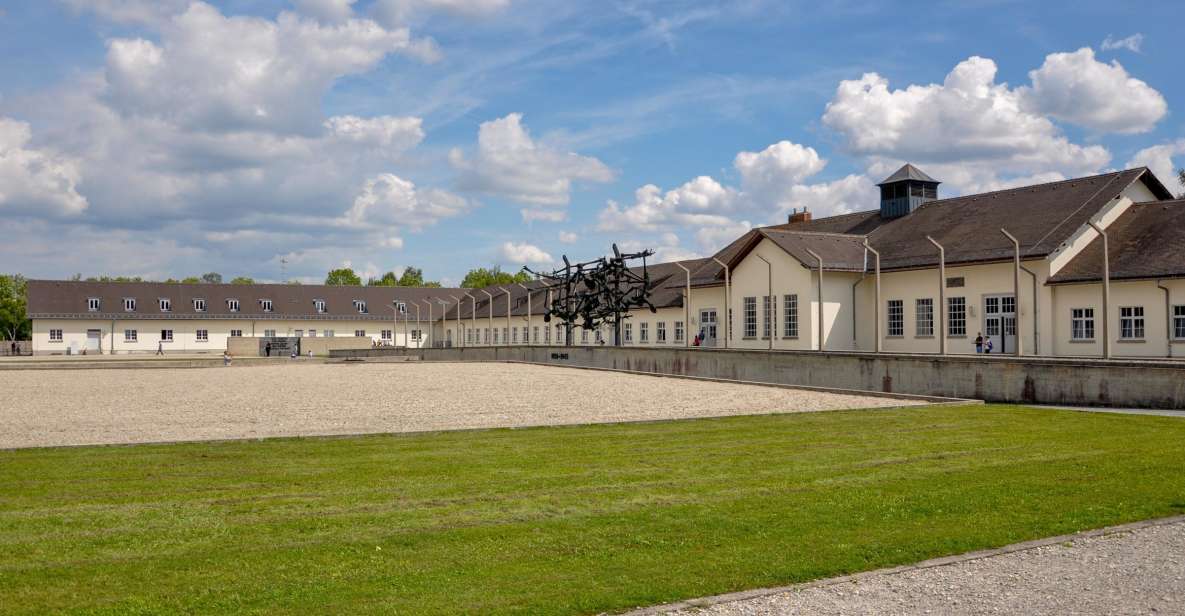
- A guided route through the camp’s most important areas (gas chambers, barracks, cells), with context that puts each place in order
- The Dachau Memorial Museum time for prisoner images and reports about everyday life, from early camp years to liberation
- Public train travel included from Munich, with a guide handling the direction so you can stay present
- Guides who balance facts with sensitivity, with names like Thomas, Jesse, Aileen, Alex, and Michael showing up again and again for their approach
- A smart timing option for smaller crowds: the 1:10 PM departure tends to have fewer school groups
- A respectful pace inside the memorial, with time managed so you still see the core sites in 5 hours
Marienplatz meeting point, then the train out of Munich
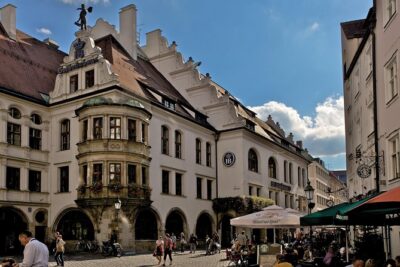
The day starts right in the center of Munich at Marienplatz, in front of the Tourist Information for the City of Munich at the Gothic Town Hall. Your guide will hold a yellow sign with Dachau Memorial Tour written in red letters, so it’s pretty hard to miss.
From there, you take the train on public transport. This matters more than it sounds: it keeps the day grounded and practical, and you get a real sense of heading out of the city rather than vanishing straight to a destination. You’ll also see countryside views as you travel, which gives your brain a moment to reset before the weight of Dachau.
You can also read our reviews of more tours and experiences in Munich.



Why the guide changes the whole experience at Dachau
Dachau isn’t a place where a self-guided audio loop always works. Even when signs are clear, you still need a human thread to connect what you’re seeing to what it meant, when it happened, and why it matters. That’s where this tour’s live English guide earns its keep.
The best feedback points toward a consistent skill: guides who explain history with respect and emotional awareness. You’ll see names like Thomas and Aileen praised for being warm and reflective while still covering hard material directly. Others like Alex and Michael get credit for staying professional and allowing questions, without turning the moment into a lecture that rushes past feelings.
Also, guides help you avoid the common trap of getting lost in too many details. Some visitors want everything; others just need the meaning. The guides seem to find a middle path—clear enough to learn, steady enough to handle the heaviness.
Camp sites you’ll see: gas chambers, barracks, and cells
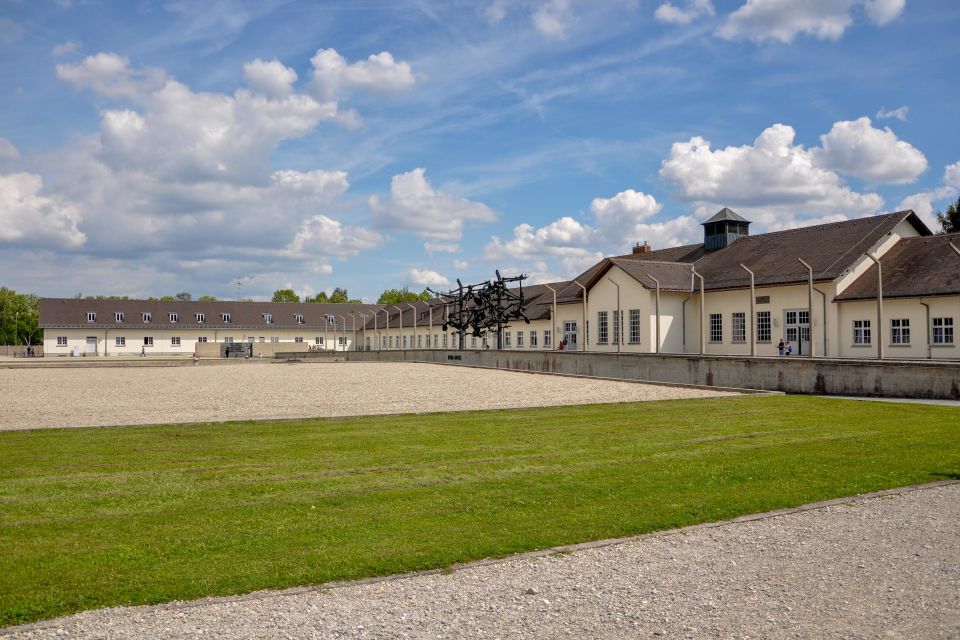
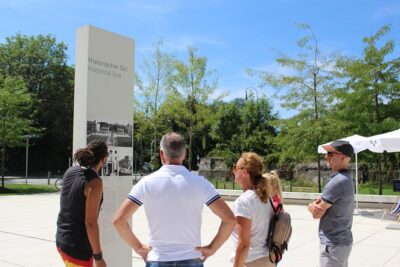
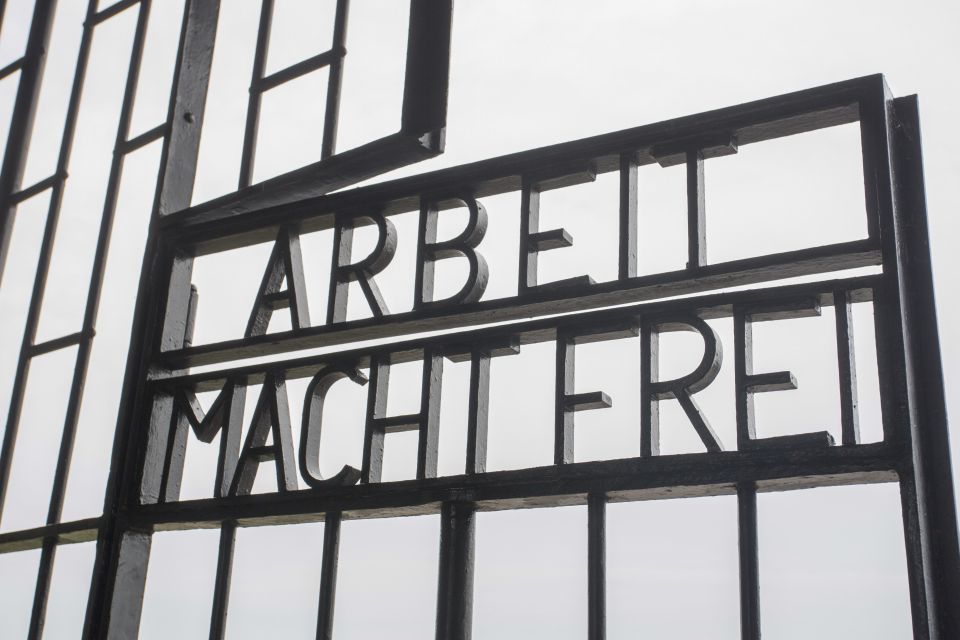
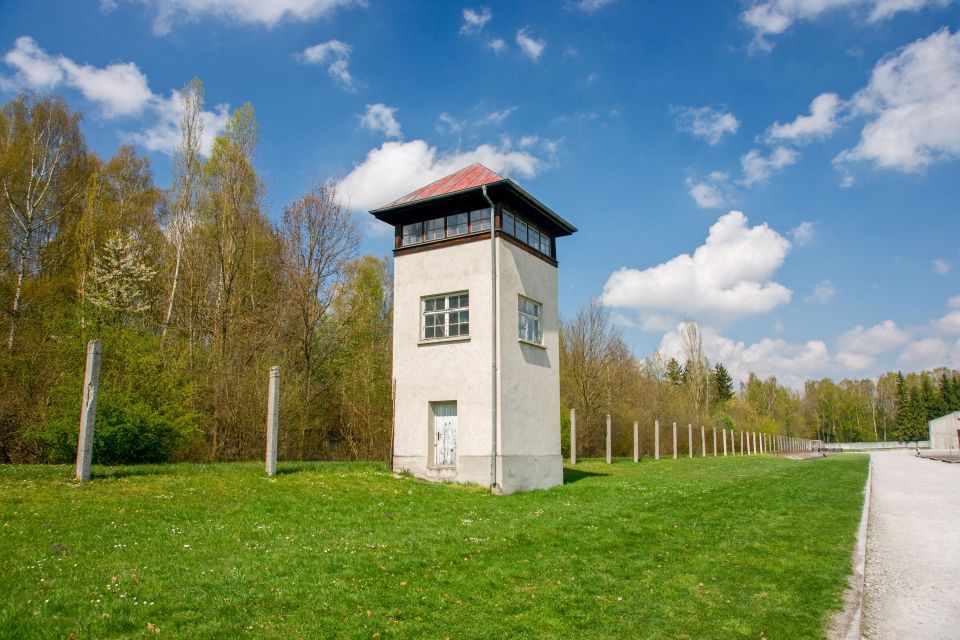
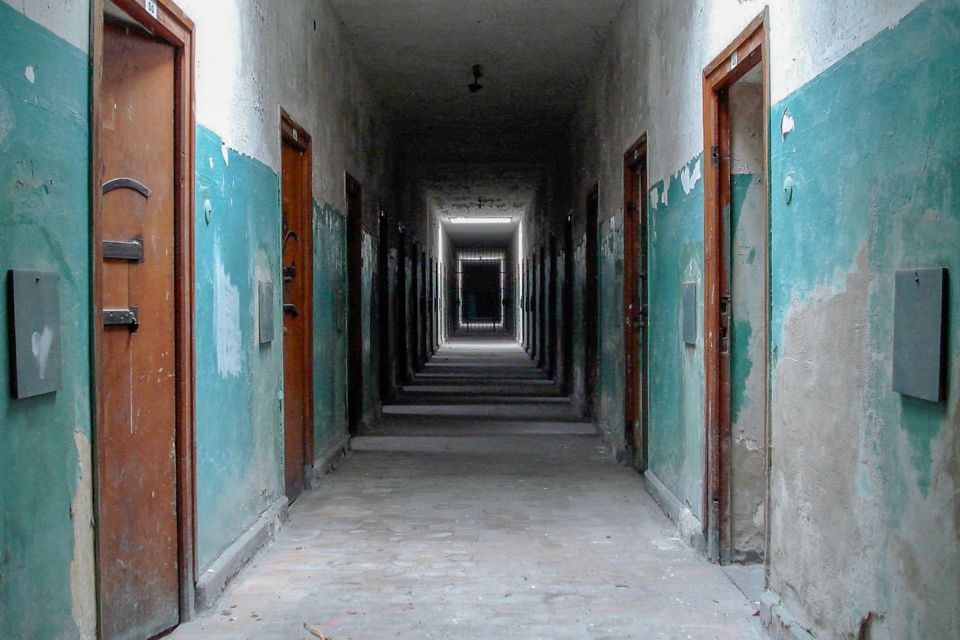
The core of the tour is walking the former concentration camp grounds with a guide who explains what you’re looking at. You’ll visit areas including the former gas chambers, barracks, and cells.
Each type of place hits differently. The gas chamber area is the site-level reminder of what the camp system was designed to do. The barracks and cells show the mechanics of confinement—where people were held, how space was structured, and how the camp operated day to day. The point isn’t shock for shock’s sake. It’s to help you connect the physical layout to human experience.
One detail that stands out in the tone of feedback: guides spend time on what the camp looked like in real life, not just what it symbolized. That approach helps you understand why Dachau is often taught as a starting point for broader Nazi concentration camp history—especially because Dachau opened in 1933, outside Munich, as the first German concentration camp.
And yes, it can feel intense. That’s normal here. Wear comfortable shoes and plan for slow, quiet steps. You’re not touring an old castle; you’re touring a memorial to suffering.
The Dachau Memorial Museum: prisoner reports and everyday life
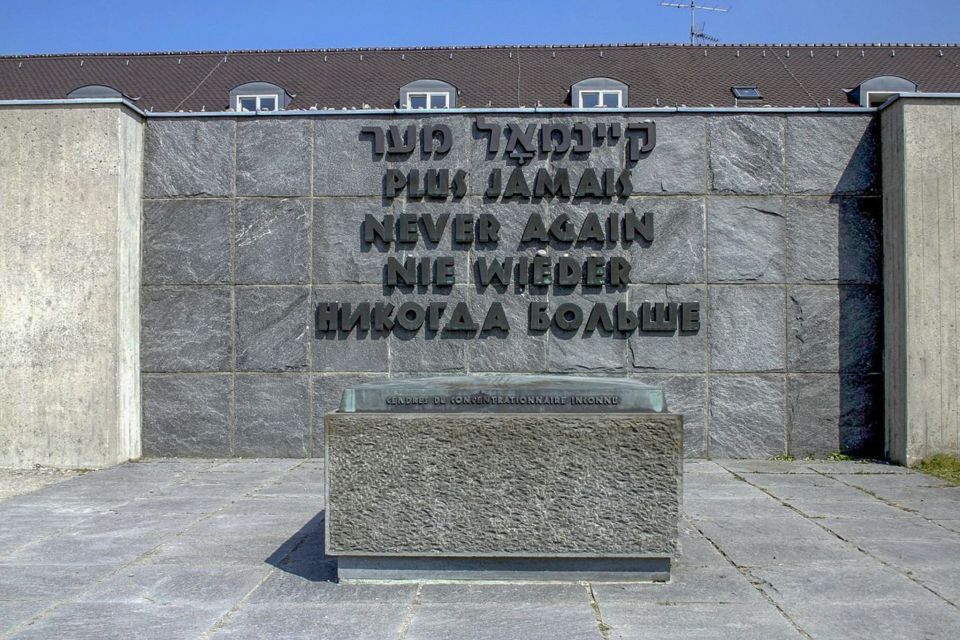
After the outdoor site walk, the tour includes time in the Dachau Memorial Museum. This is where the story gains depth beyond the buildings and outdoor layout.
You’ll see pictures and reports from prisoners describing everyday life in the camp, covering its beginnings and continuing through to liberation by the Allies in 1945. That timeline is key. Without it, you can end up viewing the camp as a single static horror instead of a system that evolved and persisted across years.
This is also where the memorial’s educational role becomes clear. Since 1965, the Dachau site has functioned as a memorial and a place of education. In practice, that means the museum materials aim to keep the lesson tied to real records and real people, not vague generalizations.
If you’re someone who likes to understand context, the museum time is often the portion you remember most afterward. It helps turn what you saw into something you can explain, not just something you witnessed.
The 5-hour rhythm: seeing the essentials without feeling yanked around
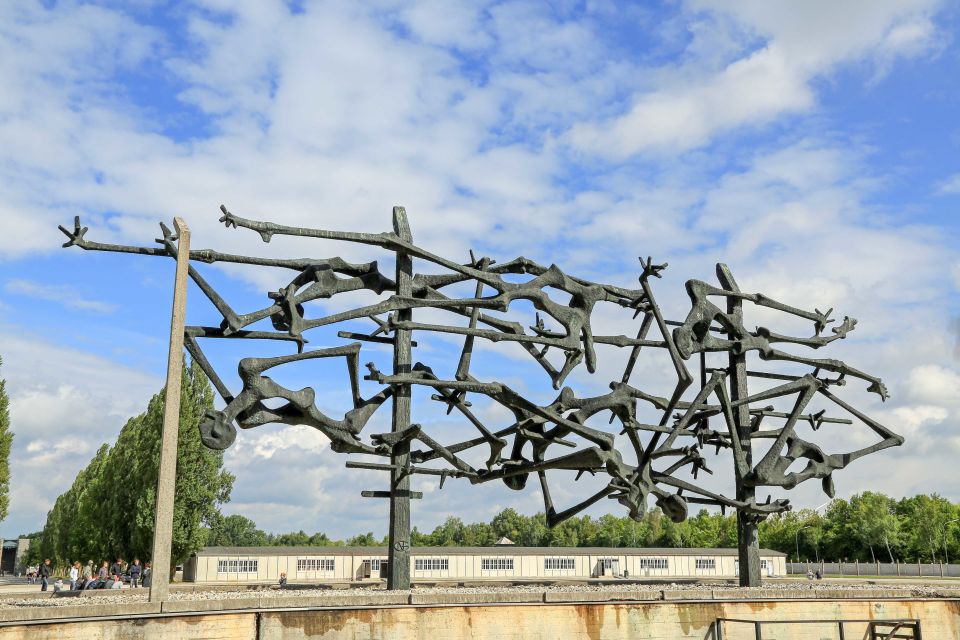
This is a 5-hour tour. That time box matters, because Dachau is big enough that it would be easy to try to do everything and end up doing nothing well.
The guides seem to manage the schedule to keep you moving through the key areas while still leaving room to absorb what you’re seeing. Several pieces of feedback mention that the experience never felt rushed once you arrived on site, even when the overall day had operational hiccups. Some guides also handle group logistics smoothly if public transport runs late, like adjusting plans and getting everyone to the right places.
Here’s your practical takeaway: bring water and comfortable shoes, and don’t plan a second big activity right after. Your brain will need time to settle. Also, if you tend to linger at every photo and display, know you may have less time for extras than you’d like. The tour prioritizes the most important areas.


Timing your departure: the 1:10 PM option for fewer groups
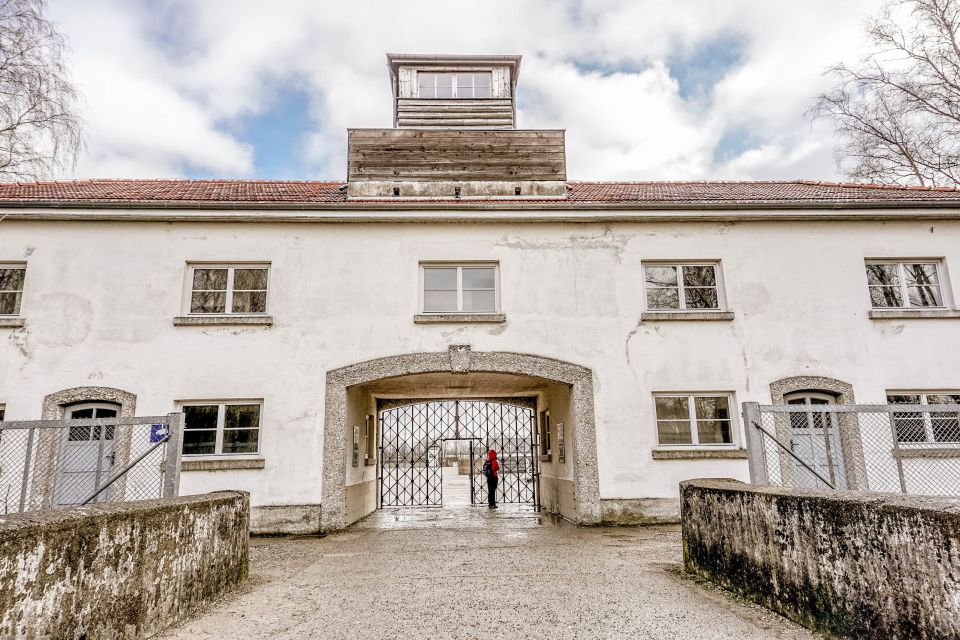
If you want a slightly calmer experience, this tour has a useful tip: the afternoon tour at 1:10 PM is often less crowded, because there tend to be fewer school classes and groups on site at that time.
That suggestion is worth taking seriously. Dachau is a place where quiet matters. Crowds aren’t disrespectful by default, but school group pacing can be disruptive when you’re trying to read details or simply sit with what you’re learning.
If you’re sensitive to noise and want more space to reflect, choosing the 1:10 PM departure can make your visit feel less interrupted. If you’re fine with some bustle and just want to get in, either departure works—you’re still seeing the same essential core of the memorial.
Price and value: what $49 buys you (and what it doesn’t)
At about $49 per person for a 5-hour day trip, the price makes sense if you look at what’s included: a guided tour, a public transport ticket, and transfers by public transport. You’re paying for one thing most people find hard to do alone—getting an organized, respectful guided route through a complex, emotionally heavy site.
What you should not expect this ticket to cover: meals, and anything personal you choose to buy or do on your own before or after the tour. The cost also doesn’t erase the fact that Dachau is heavy. It only makes the learning process easier and more coherent.
If you were planning to go independently, you’d still need to handle transport and navigation, then figure out how to make sense of what you’re seeing. Paying for the guide is what turns the visit into a learning experience rather than a checklist.
Who should book this Dachau memorial day tour from Munich
This tour is a strong fit if you want a structured visit with expert guidance and you’re ready for difficult subject matter. The guides’ approach—sensitive, clear, and question-friendly—shows up again and again in feedback tied to names like Conni, Eileen, Stephanie, and Jessie.
It can also be a good choice for older teens and adults who can handle history that isn’t comfortable. One review mentioned a 17-year-old participating well, which fits with the general idea: this is best for people who are mentally prepared and willing to listen.
If you need lots of time for quiet wandering, you might find the 5-hour structure limiting. But if you want to leave with real context and see the main sites, this format is hard to beat.
Should you book this Dachau Memorial Site day tour?
I think you should book it if you’re visiting Munich and you want Dachau to feel guided and meaningful rather than confusing or purely overwhelming. The combination of public transport included and a live English guide makes the day smoother, and the consistent praise for how guides handle the topic suggests you’ll be in careful hands.
Skip it only if you’re not ready for the emotional weight. Also skip it if you know you can’t handle any crowded museum or school-group energy at all. In that case, consider the 1:10 PM option or be prepared for a less quiet visit.
FAQ
How long is the Dachau Memorial Site day tour from Munich?
It runs for 5 hours.
What does the tour cost?
The price is $49 per person.
Where do I meet the tour guide in Munich?
Meet in front of the Tourist Information for the City of Munich at the Gothic Town Hall in Marienplatz. The guide holds a yellow sign with Dachau Memorial Tour written in red.
What language is the tour guide?
The tour is led in English.
Is the tour wheelchair accessible?
Yes, the tour is wheelchair accessible. If you have difficulty walking or use a wheelchair, you’ll need a carer and should arrive 10 minutes early so the group can use a different entrance for the platform and train.
What should I bring?
Bring comfortable shoes and water.
Are pets or smoking allowed?
No—pets are not allowed, and smoking is not allowed.
What time is best if I want fewer crowds?
If you want less crowding, the tour recommends the afternoon departure at 1:10 PM.