REVIEW · EVENING EXPERIENCES
Munich: Middle Ages Tour with Night Watchman
Book on GetYourGuide →Operated by schwarzgold.info - Wolfgang Brehm · Bookable on GetYourGuide
A lantern, a horn, and a guide in medieval gear in Marienplatz. This is a 90-minute night watchman walk that turns familiar sights into a story about medieval Munich’s everyday justice and public fear. I love the way Wolfram uses props like a lantern, halberd, and horn to make the past feel physical, not dusty.
Two things I really like: first, the tour mixes famous landmarks (like Frauenkirche and the old-town squares) with darker stops tied to punishment and interrogation; second, you’re walking at a human pace, so the details land instead of bouncing off. One possible drawback: this is not a light, family-movie kind of history—expect talk of executions, beheadings, and torture methods.
I’d plan on comfy shoes and a thick skin for the topic. If you want a purely cheerful highlights tour, this may feel too grim. But if you like your history with character, this one has a strong hook and stays focused on Munich—not vague Europe.
In This Review
- Key highlights you should care about
- Getting started at Marienplatz with Wolfram and his props
- What 1.5 hours feels like: a focused medieval loop, not a marathon
- St. Peter’s Church: incense, ancient remains, and the mood shift
- Viktualienmarkt and the old-town core: markets, rules, and bad bakers
- Old Town Hall, Alter Hof, Marienhof: civic power as a story engine
- Frauenkirche: the famous landmark gets a medieval-minded lens
- The 12th-century city wall and gates: where defense shapes the story
- Prisons, torture techniques, and the reality check you should expect
- Munich’s castle and gate finish: ending with “edges of power”
- Price and value: $21 for a performance-style history walk
- Practical tips to get the most out of it
- Should you book the Munich Middle Ages Tour with Night Watchman?
- FAQ
- FAQ
- How long is the Munich Middle Ages Tour with Night Watchman?
- Where is the meeting point?
- What language is the tour guide?
- Is the tour wheelchair accessible?
- Is this tour suitable for children?
- Are flash photography or video recording allowed?
Key highlights you should care about
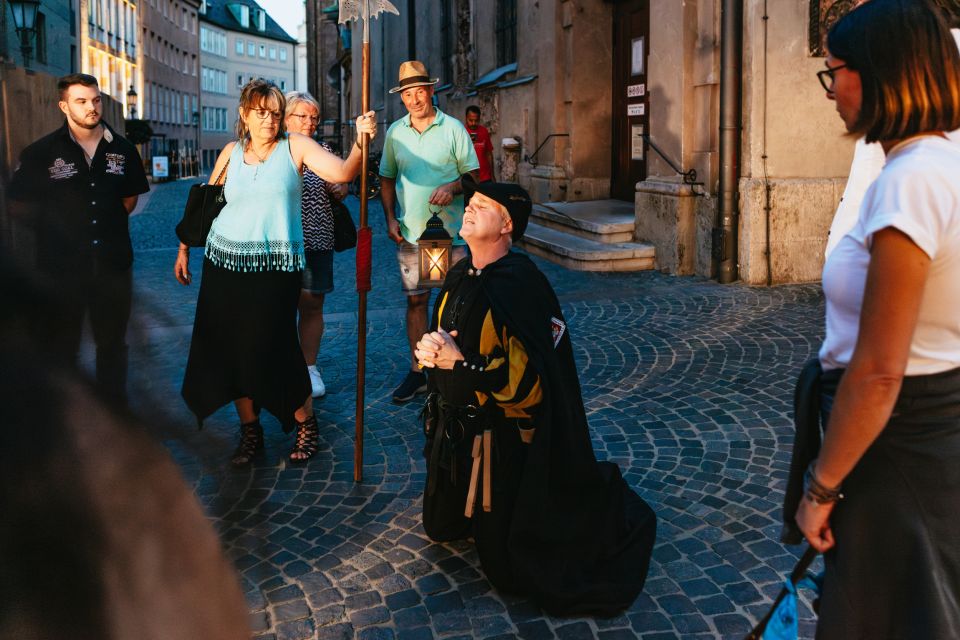
- Wolfram the night watchman: lantern, halberd, and horn storytelling for a real period mood
- 12th-century city wall walk: you see where Munich’s defenses shaped daily life
- Public punishment themes: executions, interrogations, and the rules people were expected to follow
- City gates in action: including the Talburg Gate closing moment and a halberd fight
- Old-town landmarks paired with story: Frauenkirche, Viktualienmarkt, and major squares you’ll recognize
Getting started at Marienplatz with Wolfram and his props
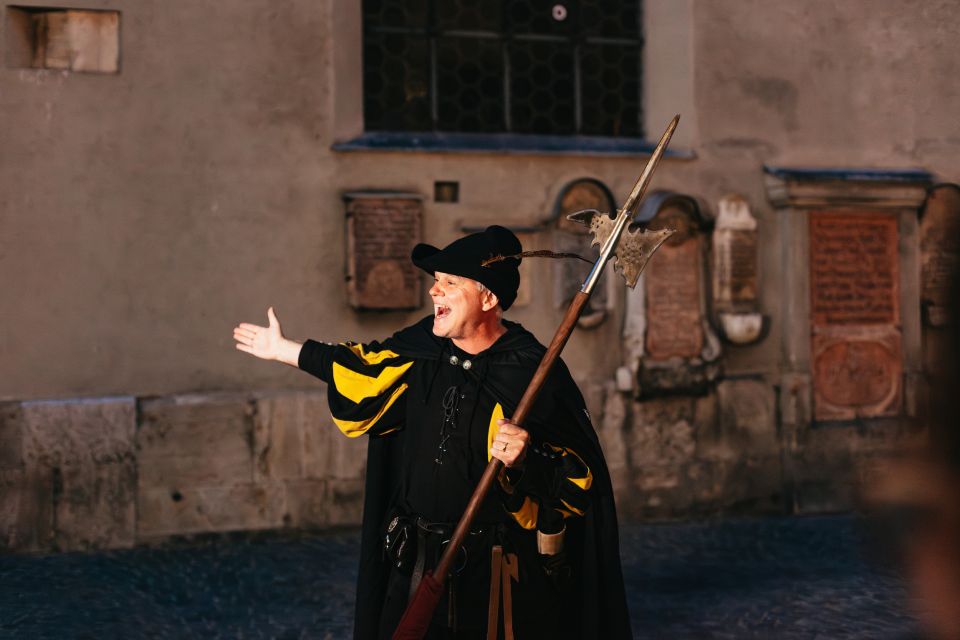
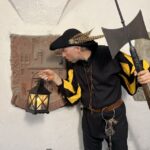
You’ll meet at Rathaus Apotheke am Marienplatz (about 25 meters left of number 8). Your guide will be wearing typical medieval clothing and carrying the kit that helps sell the whole bit: lantern, halberd, and horn. It’s a small thing, but it matters. When your guide looks the part, the narration feels less like a lecture and more like a street performance.
You’ll also want to think about timing. At only 1.5 hours, the tour doesn’t waste time. So arrive a bit early, take a quick scan of the square, and get your bearings fast. For GPS, you can use 48.13737, 11.57588 in Google Maps and you should pop right into the right neighborhood.
Language is German. If you don’t speak much German, you can still follow the visual story, but your enjoyment will be strongest if you’re at least comfortable catching key words. That said, the way this tour is taught seems built for understanding—people are clearly impressed by how lively and responsive Wolfram’s explanations are.
One more practical note: it runs rain or shine. Bring a rain jacket you can move in, not something that flaps around and turns every photo into a blur.
You can also read our reviews of more evening experiences in Munich

What 1.5 hours feels like: a focused medieval loop, not a marathon
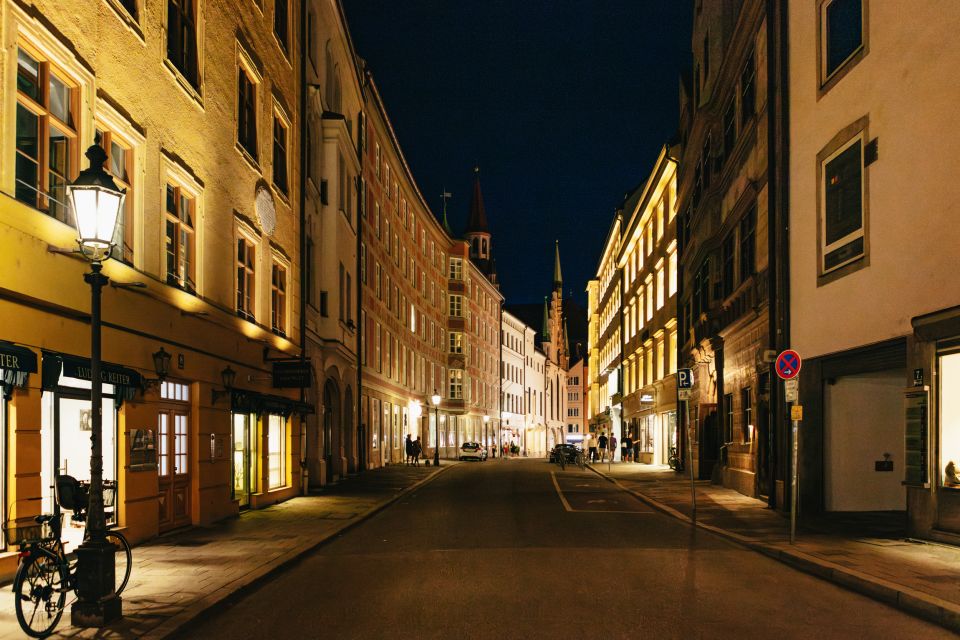
This isn’t a long day tour. It’s a tight walk that strings together medieval Munich themes with stops at recognizable landmarks. Expect short guided segments—often around 10 minutes each—so you get a steady stream of stories without standing still for ages.
Because the content includes interrogations, executions, and torture techniques, you may want to pace yourself mentally. The tour’s structure helps: you’re moving between points, and each stop is short enough that the darker parts don’t drag on. If you’re sensitive to grim topics, this is exactly the sort of experience where your tolerance level will decide whether it feels compelling or simply unpleasant.
St. Peter’s Church: incense, ancient remains, and the mood shift
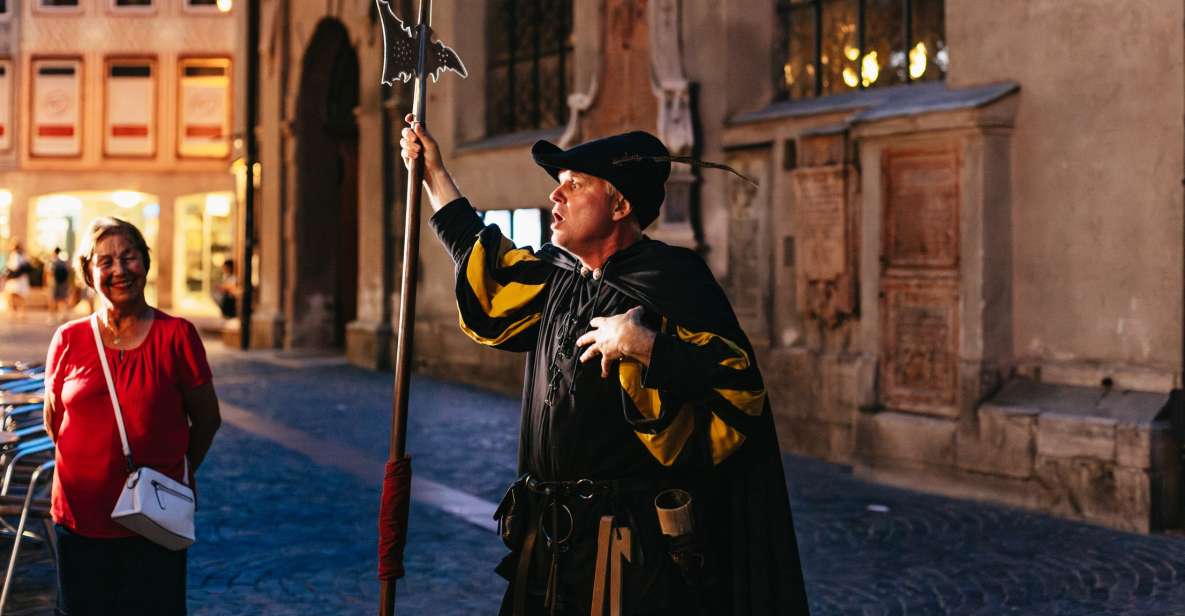
One of the first stops is St. Peter’s Church. You’ll get guided time there, and the tour emphasizes smell—incense in the ancient remains. That sensory detail is doing real work. It’s not just atmosphere for atmosphere’s sake; it helps you picture what these places felt like before modern street life took over.
This is also where the tour starts leaning into the “how Munich worked back then” theme. Instead of treating medieval life as purely architectural, the guide ties the setting to punishments and public order. If you like history that explains the social rules—who enforced them and how—you’ll probably lock in here.
A small caution: if you’re not comfortable with stories about punishment, this is a good time to decide if you’re in the right headspace for the rest of the walk. The tour doesn’t soften the topic later on.
Viktualienmarkt and the old-town core: markets, rules, and bad bakers
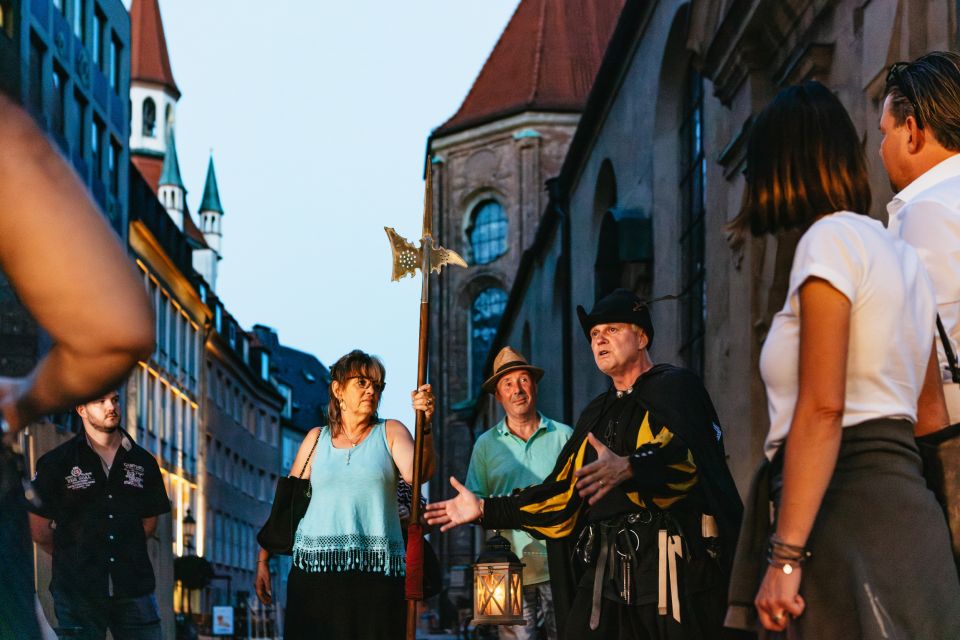
From St. Peter’s, you move through the center, including Viktualienmarkt. Markets are where daily life met authority. You’ll learn about punishments tied to trade—especially the punishments for bad bakers at Metzgerzeile. The idea is straightforward: medieval cities took food standards seriously, and enforcement could be brutal.
This portion is valuable because it makes medieval justice feel grounded. You’re not hearing only about knights and kings; you’re hearing about regulations that affected normal people buying bread and food. When a tour connects the dots between a place you can still see and the rules that shaped behavior, the story sticks.
If you’re planning to eat soon after, I’d keep expectations in check. This walk is not designed to inspire cravings—it’s designed to explain why certain punishments happened in the first place.
Old Town Hall, Alter Hof, Marienhof: civic power as a story engine
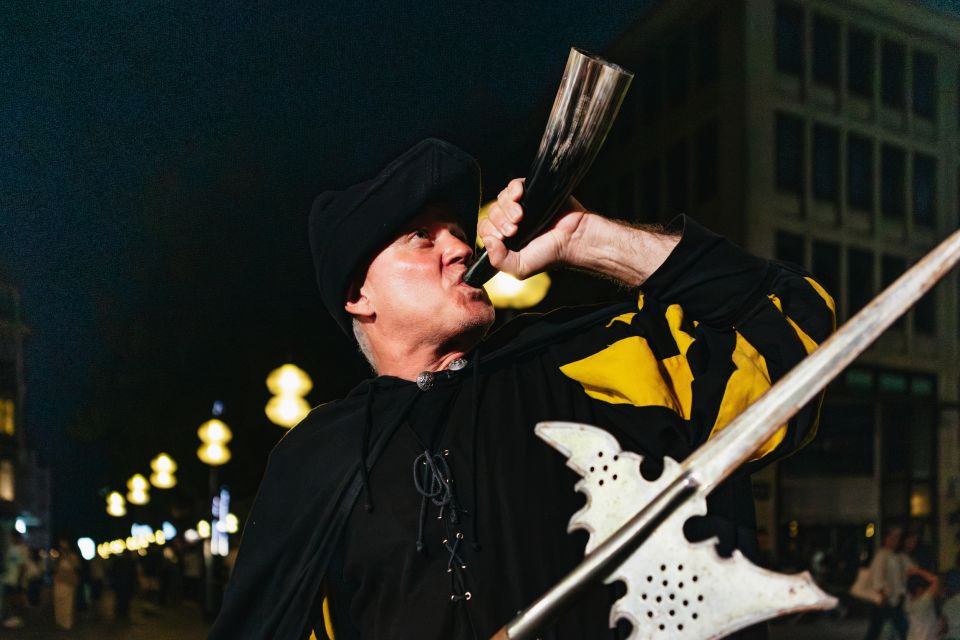
The tour then threads through multiple important civic spaces: Old Town Hall, Alter Hof, and Marienhof. These names sound like postcard labels, but in this tour they function like punctuation marks. They signal where authority lived and how public life was organized.
In medieval Europe, civic and political power often sat close to symbolic places. So when you’re standing near halls and courtyards, the guide’s job is to connect what you see now to how people would have experienced power then. Expect the narration to keep returning to interrogations, punishments, and how the city maintained order.
Here’s what I think is smart about this approach: it doesn’t force you to memorize a timeline. Instead it uses place to teach cause-and-effect. You stand somewhere important, the guide explains how justice and enforcement played out, and suddenly the architecture has a job.





Frauenkirche: the famous landmark gets a medieval-minded lens
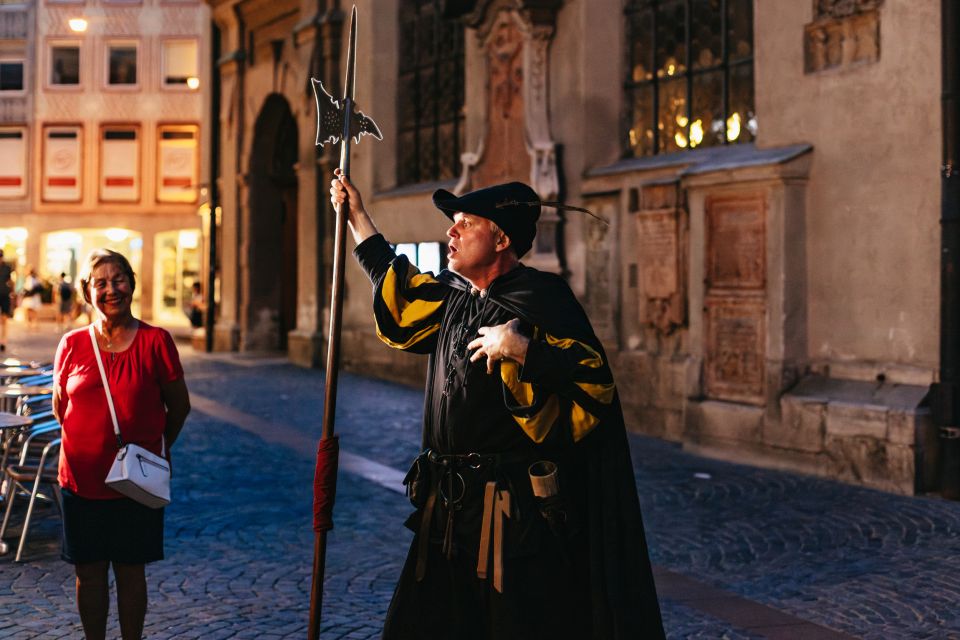
You’ll also have a guided segment at Munich Frauenkirche. The church is iconic today, but this tour uses it as part of a broader pattern: religion, public order, and the daily rhythm of medieval life.
This stop is a good mental reset. The earlier segments build tension with punishment themes; the church segment helps you connect those themes back to the wider culture. If you want “dark history” without losing the bigger context of medieval society, this stop helps.
Just don’t expect a long architectural lecture. The tour is built for short, story-driven time with each place.
The 12th-century city wall and gates: where defense shapes the story
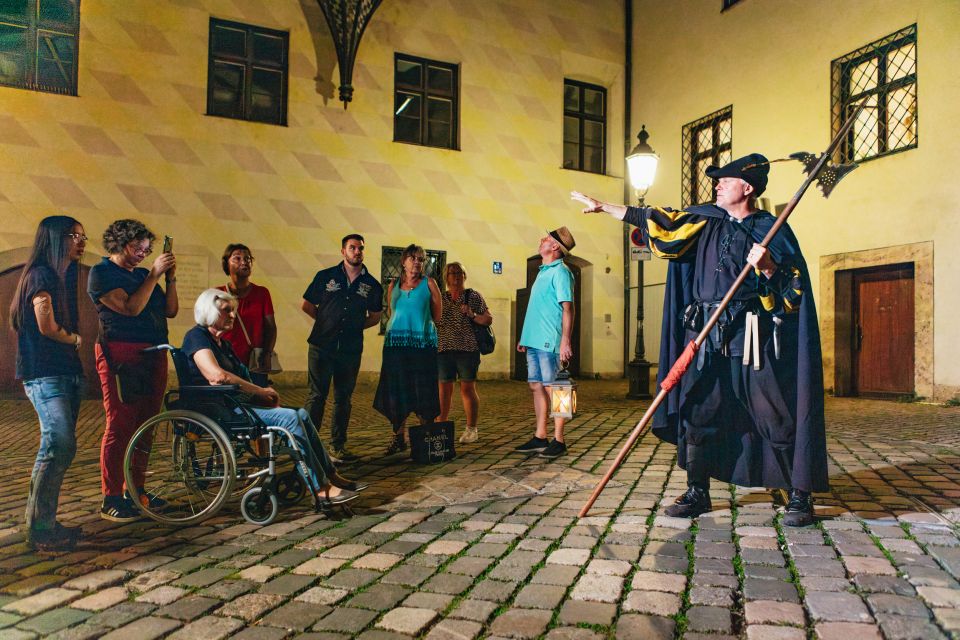
One of the standout sections is the walk toward Munich’s 12th-century city wall. City walls aren’t only for defense—they’re for psychology. When a city can lock itself behind stone, it can also control movement, restrict escape, and manage public fear. That’s the kind of angle this tour leans into.
Along the route, you’ll see major points like Talburg Gate and the Schwabinger Gate. Gates make great story settings because they’re obvious in both directions: you can picture entry, exit, control, and consequences.
The Talburg Gate portion includes a theatrical moment: the guide covers a “closing” of the gate and includes a halberd fight. That’s where the night-watchman character really pays off. It’s also where the tour feels most like a living scene, not a slideshow.
If you’re the type who likes history with dramatic reenactment, you’ll probably enjoy this chunk a lot. If you prefer strict quiet facts only, this may feel a little theatrical—but it’s still tied to the city’s structure and control.
Prisons, torture techniques, and the reality check you should expect
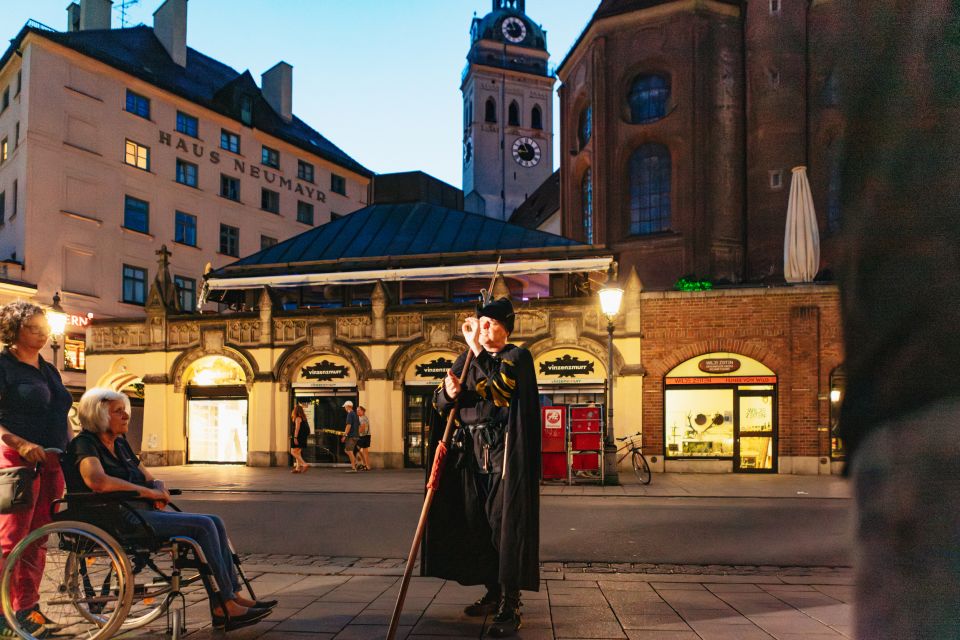
The tour also covers terrifying torture techniques used in medieval prisons. It’s not presented as horror-movie entertainment; it’s presented as part of how medieval justice functioned. Still, you should go in knowing the topic is intentionally grim.
This is the main consideration I’d flag. Don’t treat it as background noise. If you’re someone who gets bothered by graphic descriptions, or if you know you don’t handle execution-related stories well, this may not be your best match.
On the other hand, if you’re curious about how power was enforced—and why crowds sometimes accepted brutality as “order” rather than chaos—this is exactly the kind of learning that makes a city tour feel real.
Munich’s castle and gate finish: ending with “edges of power”
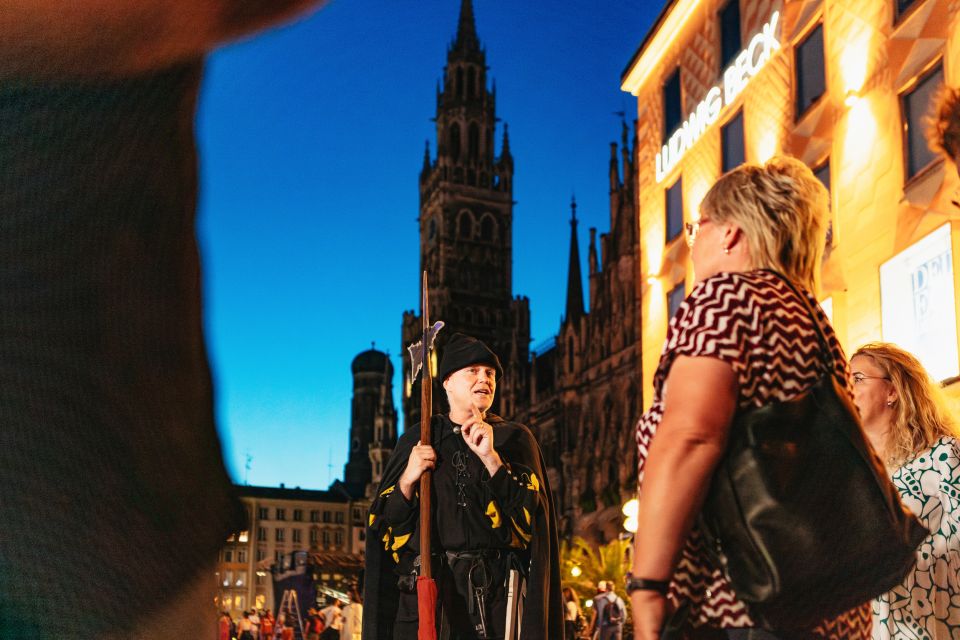
Later, you’ll explore the city’s castle area and continue toward the Schwabinger Gate. The way the tour finishes matters. Instead of stopping at a landmark and calling it done, it keeps guiding you to the boundaries where authority and defense converge.
That end-game is good for your mental map. You don’t just learn where buildings are; you learn how Munich’s layout would have helped shape movement and control. Walls and gates teach you the city in a way straight sightseeing can’t.
And because the tour is only 1.5 hours, you leave with a coherent impression rather than a pile of disconnected facts.
Price and value: $21 for a performance-style history walk
At $21 per person for 1.5 hours, the value is solid—especially because the tour includes the guide and medieval garb. You’re not paying for a museum ticket or a long bus ride. You’re paying for a character-led street experience built around multiple central landmarks, a city wall walk, and story-heavy content.
The real value here is the combination:
- recognizable Munich sights
- plus a guided narrative focused on medieval justice and public fear
- delivered in character with props, not just from behind a brochure
If you love walking tours and you like your history slightly darker, this cost feels fair. If you only want light sightseeing, you might prefer something else in the same area.
Practical tips to get the most out of it
- Wear shoes you can handle on cobblestones and uneven old-town streets.
- Bring a rain layer since it runs rain or shine.
- Avoid flash photography and don’t plan on video recording; those are not allowed.
- If German is limited for you, focus on the guide’s gestures and the props—they’re part of the story.
- Since it’s not suitable for children under 12, choose this for adults or older teens who can handle grim topics.
Should you book the Munich Middle Ages Tour with Night Watchman?
Book it if you want a story-driven walking tour that connects iconic Munich landmarks to medieval city life—especially the uncomfortable parts like executions, prisons, and public punishment. The strongest reason to go is Wolfram’s night-watchman presentation, with lantern, halberd, and horn, plus the walk that includes walls and gates.
Skip it if dark justice details will spoil your evening, or if you want a purely scenic highlights tour. The content isn’t optional in this one, and the guide doesn’t pretend medieval life was neat and tidy.
FAQ
FAQ
How long is the Munich Middle Ages Tour with Night Watchman?
The tour lasts 1.5 hours.
Where is the meeting point?
Meet your guide in front of Rathaus Apotheke am Marienplatz, about 25 meters left of number 8. GPS: 48.13737, 11.57588.
What language is the tour guide?
The live tour guide speaks German.
Is the tour wheelchair accessible?
Yes, the tour is listed as wheelchair accessible.
Is this tour suitable for children?
It’s not suitable for children under 12.
Are flash photography or video recording allowed?
Flash photography and video recording are not allowed.
If you tell me your comfort level with dark history (fine vs. not fine), I can help you decide quickly whether this is the right kind of Munich night for you.