REVIEW · DACHAU MEMORIAL TOURS
From Munich: Dachau Memorial Site Half-Day Trip
Book on GetYourGuide →Operated by Radius Tours GmbH · Bookable on GetYourGuide
Dachau is not an easy morning. This half-day trip from Munich is interesting because you get surviving camp buildings plus an English documentary screening, all guided by people trained to handle the material with dignity. I especially like the way the tour connects what you’re seeing on-site to what prisoners actually faced, and how the guide keeps the tone serious without going for shock value. The main drawback is that the visit is emotionally heavy and a lot of it is outdoors, so you’ll need patience, quiet focus, and weather-appropriate clothing.
In practical terms, you spend about five hours total, with roughly three hours inside the Dachau Memorial area. You’ll travel by train and bus from Munich, meet at the Radius Tours office, and come back the same way—meaning you can focus on the experience instead of figuring out transit on the fly.
In This Review
- Key things you’ll notice on this Dachau Memorial half-day
- A Sombre Half-Day From Munich to Dachau Memorial
- Price and Value: What the $62 Includes (and what it doesn’t)
- How the Train-and-Bus Route Works From Munich
- 3 Hours on the Grounds: Surviving Camp Buildings You Can Actually See
- The Museum Exhibition Center and the English Documentary Screening
- Guide Style, Group Pace, and Why It Feels Thoughtful
- What to Bring and How to Dress for Exposed Outdoor Time
- Who This Dachau Half-Day Tour Suits (and Who Might Rethink It)
- Should You Book This Dachau Half-Day Tour?
- FAQ
- How long is the Dachau Memorial Site half-day trip from Munich?
- What is included in the tour price?
- Is food available at the Dachau Memorial Site?
- What language is the tour conducted in?
- Where do I meet for the tour?
- Is hotel pickup included?
- Is the tour suitable for children?
- Can I get a refund if my plans change?
- Is it possible to reserve without paying right away?
Key things you’ll notice on this Dachau Memorial half-day
- Memorial-trained guides use a respectful approach for hard history, not sensational storytelling
- Surviving buildings and key camp areas give you a clearer sense of how the place functioned
- An English documentary in the cinema helps connect the sites to lived reality
- Modern exhibition space adds context and helps you understand the timeline and purpose
- You’ll be walking outdoors in exposed conditions, so dress for cold and wind
A Sombre Half-Day From Munich to Dachau Memorial
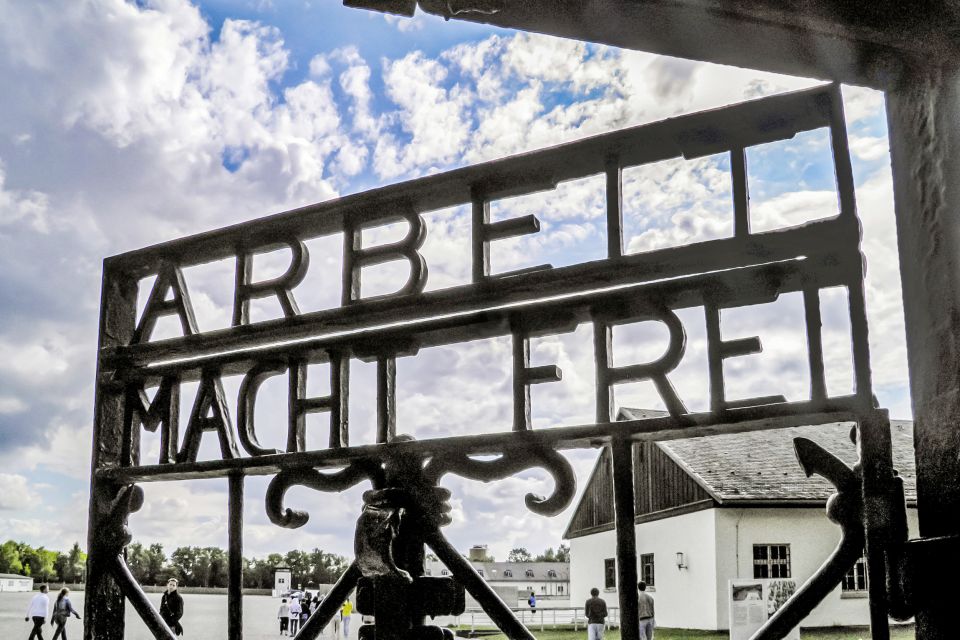
If your Munich trip includes a side of World War II history, Dachau is one of the most important stops you can make. Just be ready: this isn’t a facts-only museum outing. The memorial is designed for remembrance and education, and the atmosphere asks for restraint. When the guide sets expectations at the start, it matters—because you’re going to see spaces that still carry weight.
I like how this half-day format respects your time without trying to cram everything into one marathon day. You get guided structure first, then you’re allowed to process. That pacing comes through in the way many guides handle the tour: they explain enough to orient you, then give you room to look, think, and keep your bearings on your own.
Emotionally, it can land hard. One practical way to prepare yourself is to plan low-key time before and after. Think early start, quieter evening back in Munich, and no rushing off to another major “must-see” right after.
You can also read our reviews of more tours and experiences in Munich


Price and Value: What the $62 Includes (and what it doesn’t)
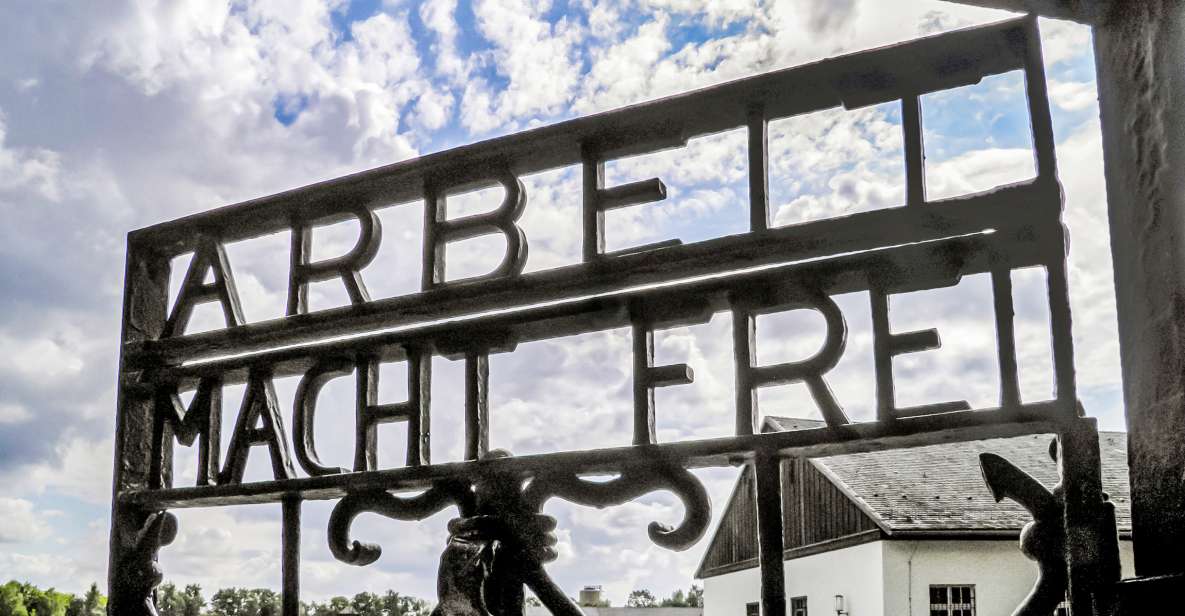
At around $62 per person for a five-hour outing, the biggest value is that the tour bundles three things that are hard to line up when you’re traveling solo: (1) authorized guidance, (2) transportation from Munich, and (3) a built-in visit structure for the memorial grounds and museum spaces.
What’s included is straightforward: a live guide and transportation by bus and train. What’s not included: food and drinks, plus hotel pickup and drop-off. That means you’re not buying convenience at every step—you’re mainly buying a guided visit that’s shaped for this specific memorial site.
Is it worth it? Usually, yes—especially if you’re on a tight schedule. If you have time to spare and you prefer complete self-navigation and reading at your own speed, you might feel the cost more sharply. Even so, the memorial-style guidance is a big part of what you’re paying for here.
How the Train-and-Bus Route Works From Munich
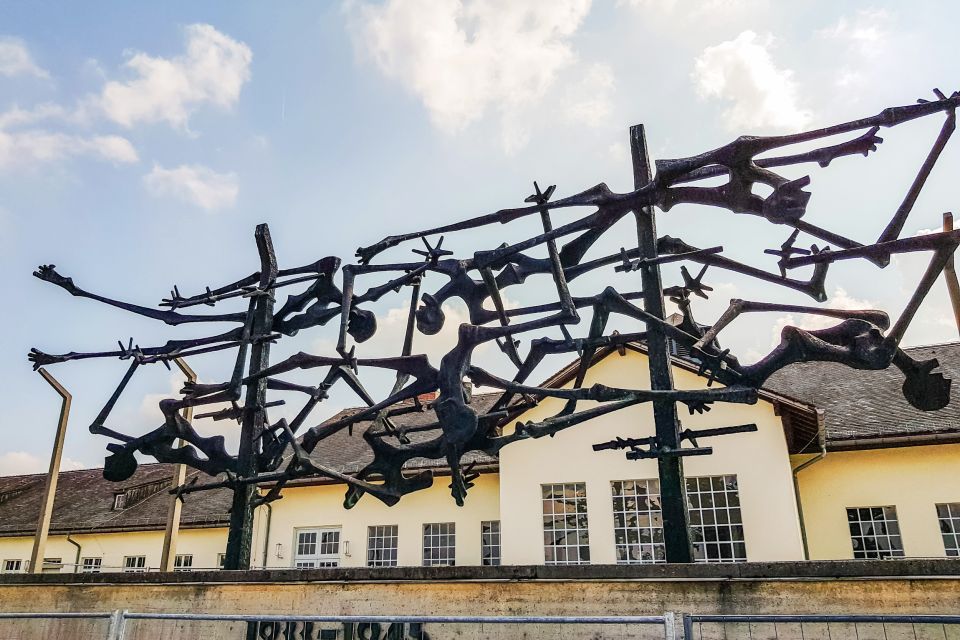
The day starts with a clear meeting point: you meet at the activity provider’s Radius Tours office. From there, you’ll take a train ride of about 30 minutes to the Dachau area, then use local transport to reach the memorial site. The total time on the road is short enough to keep the whole trip feeling like a true half-day, not an all-day commute.
A few practical notes from real-world experience: public transit in Germany is generally reliable, but group travel is different from solo travel. You’ll be moving as a unit, so staying close to the guide matters—especially at busy stations where people can drift toward different platforms. When I travel this way, I always pick a strategy: keep your spot near the front or the middle of the group, and stay aware of where you’re supposed to gather.
Also keep in mind the comfort trade-off. One booking mentioned the bus being crowded. That’s not unusual for popular half-day tours, and it’s more reason to wear layers and bring a bottle of water if you can. (And yes, you can bring refreshments—more on that below.)
3 Hours on the Grounds: Surviving Camp Buildings You Can Actually See
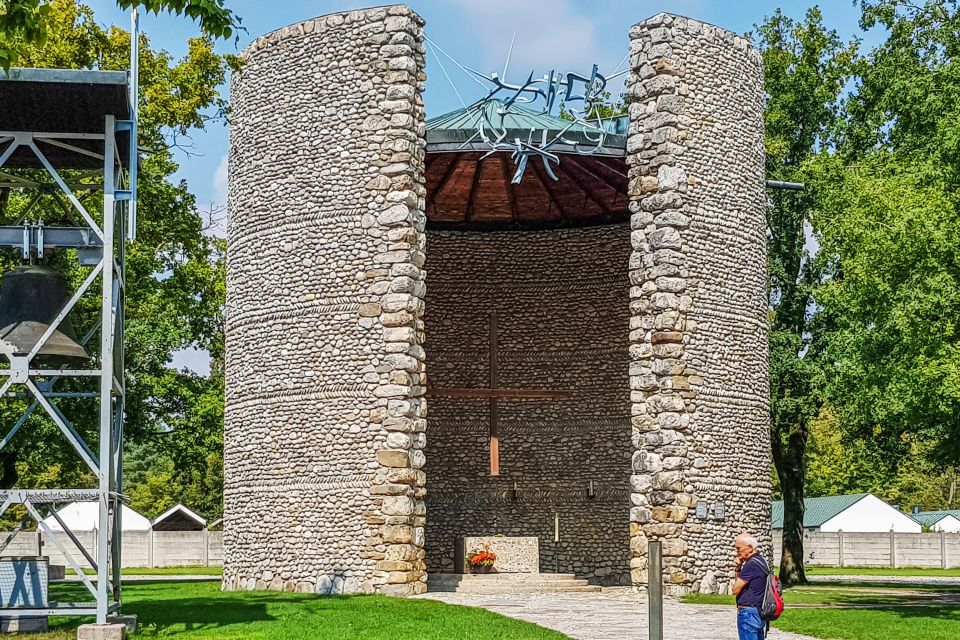
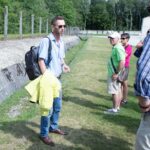
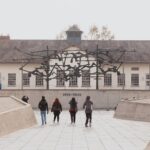
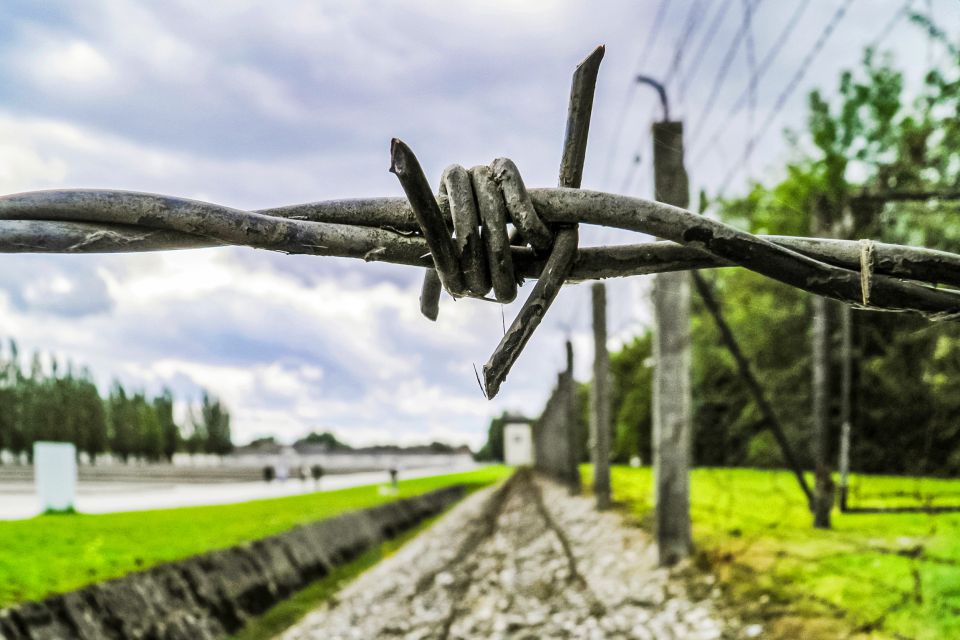
Once you’re at the Dachau Memorial Site, the heart of the experience is about three hours of guided walking through the surviving original areas. This is where the tour earns its seriousness. The memorial keeps certain structures intact on purpose, so you can make sense of what you’re seeing rather than imagining it.
You’ll visit key surviving camp locations, including areas often associated with barracks and imprisonment spaces, along with the museum circuit that runs through the site. The guide’s job here isn’t just to describe events. It’s to help you understand how the camp operated—how prisoners were processed, where suffering was concentrated, and how the system was built to dehumanize.
One reason I value this kind of guidance is pacing. A sensitive guide doesn’t overwhelm you with graphic detail. Instead, they explain context, point out what’s important in each area, and keep the group moving without rushing you through everything.
You may also notice that guides sometimes adjust the tempo. Some provide more time for reflection and independent exploring near the end, while others keep a tighter schedule. If you’re the type who needs extra minutes to read, take photos thoughtfully, and sit with what you’re seeing, I recommend planning your expectations around that. This is a memorial visit, not a sprint.
The Museum Exhibition Center and the English Documentary Screening
After the outdoor grounds segment, the tour adds two important context builders: the modern museum exhibition area and a cinema showing an English documentary about life in the camp.
This part matters because buildings alone can be hard to interpret. The exhibition helps you connect the physical layout to the larger history—what Dachau represented, why it functioned as it did, and how the situation evolved over time. The documentary then translates some of that context into a clearer narrative, which can be a relief when you’re already emotionally worn from walking through the site.
In practice, I find this combo works well for different learning styles. If you’re more visual, the documentary can help anchor what the guide is pointing out. If you prefer reading and details, the museum spaces give you a structured way to absorb information after you’ve seen the grounds.
One more thing: keep an eye on emotional intensity. A cinema screening in a memorial setting can feel even heavier than walking outside, simply because it asks you to slow down and watch. If you need a breather, don’t feel guilty stepping away briefly if the tour setup allows it.
You can also read our reviews of more tours and experiences in Munich



Guide Style, Group Pace, and Why It Feels Thoughtful
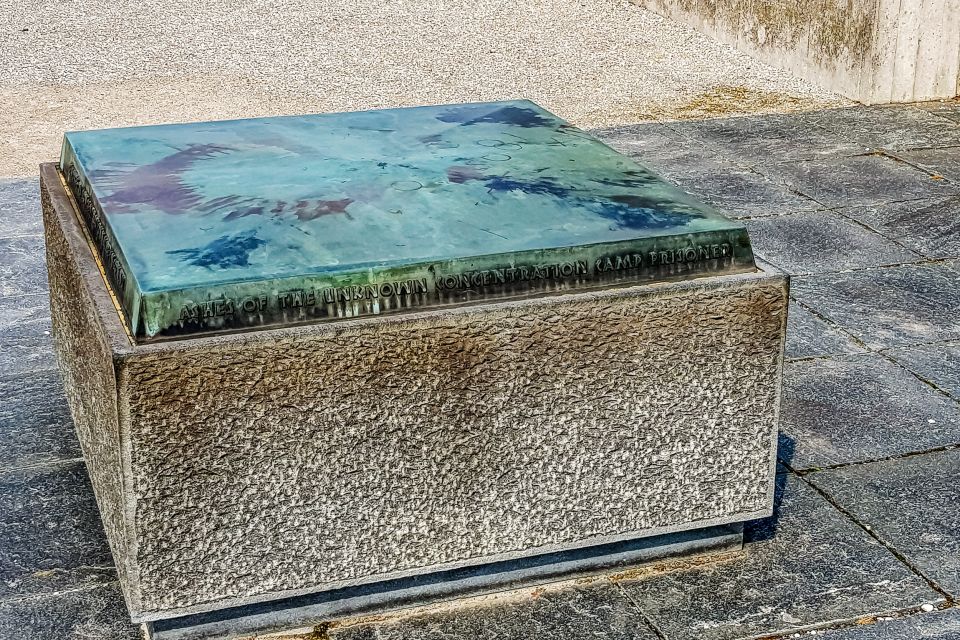
The quality of this tour often comes down to one person: the live guide. These guides are trained and authorized by the memorial site, and that shows in their tone. Many guides on this program are praised for handling disturbing material with care, explaining without sensationalism, and balancing facts with space for reflection.
You might be led by guides such as Iain, Matt, Keith, Patricia, Nick, Emmet, Sam, Scott, Jake, Connie, Eric, Ian, or Achim—names that have appeared in recent guide feedback. While no guide is identical, the common thread is the approach: clear structure, respectful language, and enough guidance to help you understand without turning the experience into a lecture.
That said, group travel can change the feel. A couple of practical concerns show up in the real-world experience: some bookings mention the group being large, which can make it harder to keep up, and one booking noted a communication issue when a guide’s English seemed limited. Those cases appear as exceptions, but they’re worth factoring in if you’re very sensitive to language nuances.
If you want to maximize what you get from the tour, treat the guide as your filter. Ask questions at appropriate moments, listen for the explanations tied to the buildings you’re standing in front of, and don’t try to absorb everything at once. Dachau is the kind of place where your mind needs repetition.
What to Bring and How to Dress for Exposed Outdoor Time
Here’s the simple reality: most of the tour happens outdoors in an open, exposed environment. That means weather matters. If you’re going in winter, wind and cold can be brutal. Wear layers. Bring gloves if you run cold. And consider a hat or hood if rain or snow is in the forecast.
Food and drinks are also a key planning point. The tour notes that no food or drink may be purchased within the grounds, so you need to bring your own refreshments. The tour itself doesn’t include food. That’s not just a convenience note—it’s a survival note. Pack something easy to eat and drink so you don’t end up stressed about finding options you can’t access.
A small tip: if you’re bringing a snack, choose something you can handle quietly. This is a memorial setting, so you’ll feel better if you can eat without turning your moment into a distraction.
Some bookings mention a solid walking day. One person estimated about 6,000–7,000 steps and noted it was mostly flat. Even if that number isn’t your exact total, plan for walking time and time standing. Comfortable shoes aren’t optional.
Who This Dachau Half-Day Tour Suits (and Who Might Rethink It)
This is best for you if you want a guided, respectful overview without committing to a full day. It’s also a good fit if you like structure—someone else handles the route and the order of sites, while you focus on learning and remembering.
It’s also a good bridge stop if you’re planning further dark-history travel in Germany. One booking described it as a prelude to Auschwitz for travelers who wanted a first look at how concentration camps operated in Nazi Germany. Even if your itinerary differs, Dachau gives you context that helps other sites make more sense.
There are also clear limits. The tour is not suitable for children under 13. And because some information and visuals may require parental discretion, families should consider that carefully.
If you’re someone who needs maximum self-paced time—extra reading, extra sitting, extra wandering—this half-day format might feel tight. Some people asked for more free roam time. That doesn’t mean the tour is wrong. It just means you should be honest about your preferred pace.
Should You Book This Dachau Half-Day Tour?
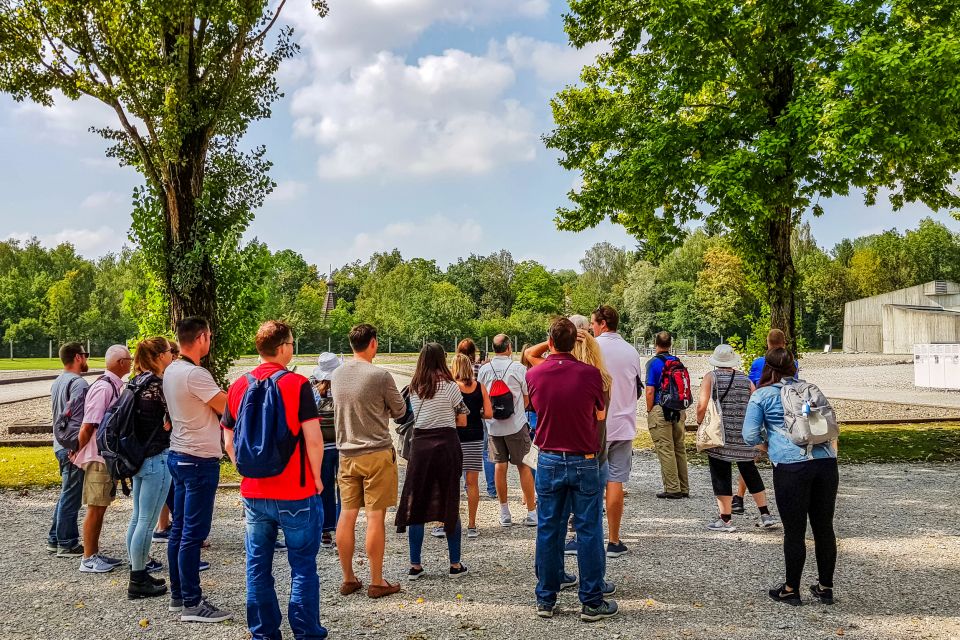
Book this tour if you want an organized, respectful introduction to Dachau with authorized guidance, built-in transport from Munich, and support for understanding through both the museum exhibition area and an English documentary screening. At roughly five hours total, it’s a workable commitment that doesn’t leave you exhausted from transit planning.
Pass on it or look for a different format if you know you struggle with emotionally intense memorial settings, you’re hoping for long stretches of independent exploration, or you’re traveling with accessibility needs that require more flexible accommodations than this structure provides. Also, if you’re very weather sensitive, plan for exposed outdoor time with proper clothing.
If you decide to go, go with the mindset of remembering first, learning second, and rushing last. This is one of those rare tours where the goal isn’t ticking a box—it’s understanding what happened and letting the place do its work.
FAQ
How long is the Dachau Memorial Site half-day trip from Munich?
The tour is listed as 5 hours total, including transportation time.
What is included in the tour price?
You get a guided tour with a live guide, plus transportation by bus and train.
Is food available at the Dachau Memorial Site?
No. The tour information says no food or drink may be purchased within the grounds, so you should bring your own.
What language is the tour conducted in?
The tour is in English with a live tour guide.
Where do I meet for the tour?
You meet at the activity provider’s office (Radius Tours).
Is hotel pickup included?
No. Hotel pickup and drop-off are not included.
Is the tour suitable for children?
It is not suitable for children under 13.
Can I get a refund if my plans change?
There is free cancellation up to 24 hours in advance for a full refund.
Is it possible to reserve without paying right away?
Yes. The listing offers Reserve now & pay later, so you can book and pay nothing today.