REVIEW · GHOST & TRUE CRIME TOURS
The Original True Crime Walking Tour of Munich
Book on Viator →Operated by BlackBook Tours · Bookable on Viator
Munich has a darker side, and this tour walks it. I like the way the stories are tied to specific city landmarks instead of random ghost tales, and I especially like the expert guide format that keeps you oriented while you hear crime details that move from old-world to modern scares. It’s built for an easy city-center stroll, with each stop staying short and focused.
One thing to consider: the content leans into murder, kidnapping, cannibalism, and other ugly crimes. If you’re easily bothered by violent crime stories, you may want to sit this one out—or at least go in with your expectations set.
In This Review
- Key Points at a Glance
- What This Munich True Crime Walk Really Is
- Marienplatz: The Start Point That Feels Like a Story Clock
- Frauenplatz to Promenadeplatz: Shadow Stories and Visible Clues
- Alter Hof: Medieval Streets and the Worst Kind of Passion
- Platzl: Happy Tourist Energy With Dark Footnotes
- Viktualienmarkt: Munich’s Rules and What Happens When They Break
- How the Guide Makes or Breaks This Kind of Tour
- Duration, Pacing, and What the 2 to 2.5 Hours Feels Like
- Price and Value: Why $42.33 Can Make Sense
- Who Should Book (and Who Might Prefer Something Else)
- Should You Book This Munich True Crime Walking Tour?
- FAQ
- How long is the Munich true crime walking tour?
- What language is the tour offered in?
- How much does the tour cost?
- Where do I meet the guide?
- Does the tour include admission tickets for the stops?
- Is a mobile ticket provided?
- How big is the group?
- Are service animals allowed?
- What is the cancellation window?
Key Points at a Glance
- Small group size (max 20) helps the guide keep things personal and question-friendly
- English-only tour with an expert guide who can adapt if the area is noisy
- No paid admissions at stops (the tour includes what you need, and each stop is admission-free)
- Central Munich route around major squares so you’re sightseeing while you learn
- Mobile ticket makes it simpler than hunting for paper tickets
What This Munich True Crime Walk Really Is
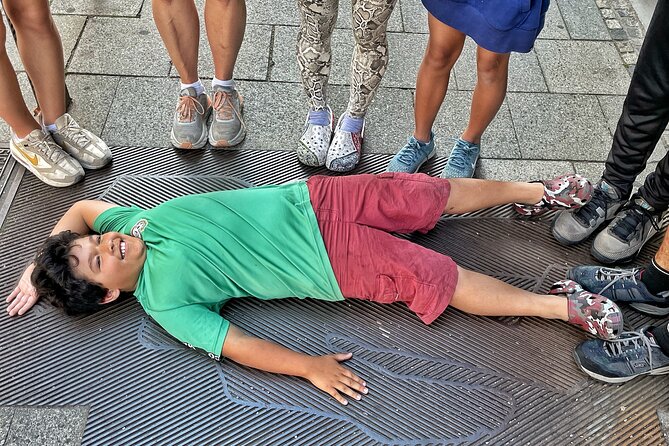
This is a 2 to 2.5 hour English walking tour focused on true crime in Munich—told through locations in the center of town where the guide connects the dots between landmark and story. Think of it like a guided version of reading a mystery book, except you’re outside, you’re looking at the real streets, and you get the context that makes the details land.
The value is that you’re not just hearing one broad theme. You get a sequence of short stops that covers different eras and tones. One moment you’re in a big open square tied to centuries of criminal lore; the next you’re in the shadow of Munich’s cathedral with a story pointed at a notorious 20th-century killer. The tour keeps the pace brisk, with quick transitions that help you stay engaged without feeling like you’re trapped in a lecture.
Also, the “someone else handles navigation” part matters more than people think. Munich’s center is walkable, but it’s still easy to zigzag the wrong way when you’re hunting photos or trying to remember street names. With a guide leading, you can focus on the stories and the atmosphere instead of constantly checking where you are.
You can also read our reviews of more walking tours in Munich



Marienplatz: The Start Point That Feels Like a Story Clock
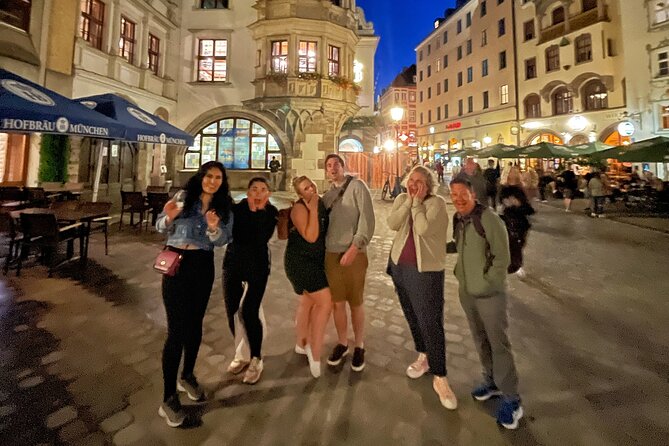
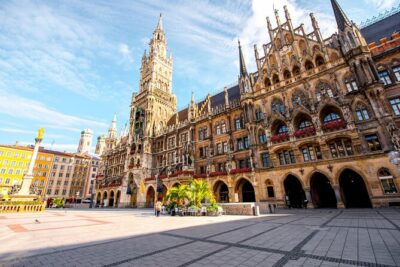
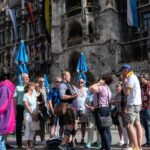
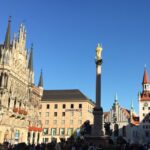
Your tour meets at LUDWIG BECK – Kaufhaus der Sinne, Marienplatz 11. From there, the route anchors itself to Marienplatz, the kind of place where you can look around and feel how much has changed over time.
At the first stop, the guide sets the stage with crimes spanning from the dark ages to modern times. That opening does two jobs. First, it gives you a baseline for what the guide means by crime in Munich—old tensions, power struggles, and darker human behavior that never really went away. Second, it frames the rest of the walk so later stories don’t feel random. You’re not just collecting spooky facts; you’re learning how the city becomes a stage.
You return to Marienplatz to end the tour, where the guide delivers a final horror story designed to linger. Ending at the same landmark also helps your brain. You finish where you started, so you can orient yourself easily afterward and keep exploring without the “Now where are we?” feeling.
Frauenplatz to Promenadeplatz: Shadow Stories and Visible Clues
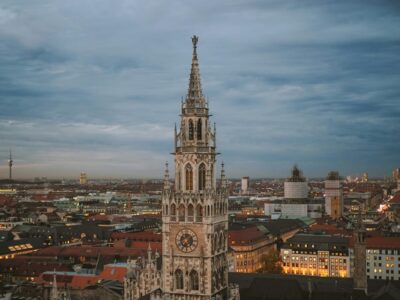
After Marienplatz, you head to Frauenplatz—right by Munich’s towering cathedral. Here, the tour leans into a story about an infamous 20th-century serial killer, told through the guide’s narration and the physical setting around you.
This stop works best if you’re the type of traveler who likes when history becomes human-scale. The cathedral is huge and impressive, but the story the guide connects to it brings the focus back to people—victims, fear, and how crime leaves patterns in a city. Even if you already know a little about Munich crime, the power of this stop is in how the guide ties the narrative to where you stand.
Then you move to Promenadeplatz, where the guide points out reminders of gruesome crimes across centuries hiding in plain sight. This is one of those stops that changes your eye. You start noticing details you’d normally walk past: street layout, building edges, and the general vibe of a place. It’s not about hunting for a monster under every streetlamp. It’s about learning how stories cling to certain corners, even when the city looks normal on the surface.
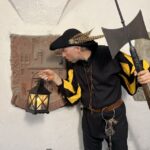
A bonus detail from past guests: guides may carry pictures to support the stories, which helps when you’re trying to follow a timeline or track how a plot unfolded in different eras. If you care about clarity, this matters.
Alter Hof: Medieval Streets and the Worst Kind of Passion
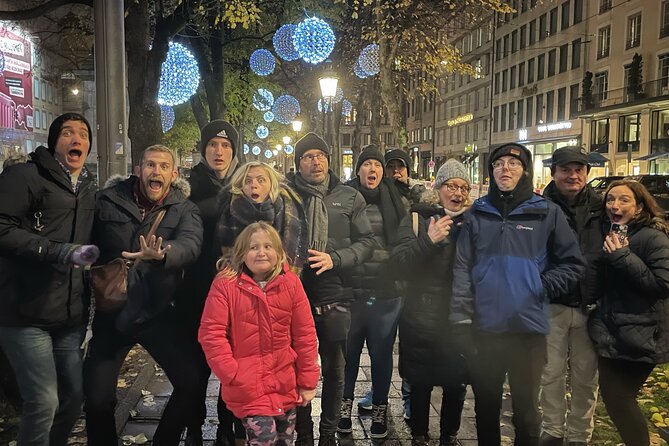
Next is Alter Hof, the medieval castle area. This stop shifts the tone toward crimes of passion—and includes tales the guide describes as going so far as cannibalism.
Whether you find that part shocking or just grimly fascinating, the underlying travel value is the setting. Medieval Munich didn’t have traffic, streetlights, or the kinds of safety nets modern life takes for granted. When the guide describes motives and brutal acts, the medieval stone and layout help you picture how people lived and how crimes could unfold without modern systems stopping them.
One consideration here: this stop is short, but it’s also intense. The guide’s job is to keep the balance between story detail and walking pace. If you’re traveling with teens or someone who likes mysteries, this is often the “wow” section. If you’re sensitive to violent crime themes, mentally prepare for it.
Platzl: Happy Tourist Energy With Dark Footnotes
Platzl is famous for being a lively area. The tour leans into the contrast: you’ll hear true crime tales that sit just off the main tourist flow.
This is where the stories shift into more modern-style scares. The guide connects themes like love gone wrong in the age of dating apps and also a notorious kidnapping for ransom. Even if you don’t know the specific facts going in, the way this stop is framed helps you connect everyday modern life with older patterns of manipulation and fear.
I like the way this stop helps you understand how crime branding changes. In earlier centuries, the “story hook” might be power, betrayal, or social standing. In the Platzl section, it’s the way people meet, mislead each other, and get pulled into danger. The city becomes a mirror for human behavior—no matter the era.
Past guests also noted that the guide can use a microphone and speaker, which is helpful if the area is noisy. That’s a practical detail. When you want to hear the story clearly, you don’t want to keep asking What did they say?



Viktualienmarkt: Munich’s Rules and What Happens When They Break
The tour then lands at Viktualienmarkt for a different flavor of darkness: not just murder, but laws and consequences. The guide explains that Munich has a strong love for rules, and you’ll hear about how some “craziest laws” came to be—and what happened when people broke them.
This stop is valuable because it adds context. Crime doesn’t exist in a vacuum. Laws, punishment, and public behavior shape crime patterns. When the guide connects odd or strict rules to outcomes, you start understanding why crime stories can feel so baked into a city’s identity.
It also gives you a breather from the most graphic narrative beats. You’re still in a darker storyline, but it’s framed around governance and enforcement—less about one specific incident and more about how society responded.
How the Guide Makes or Breaks This Kind of Tour
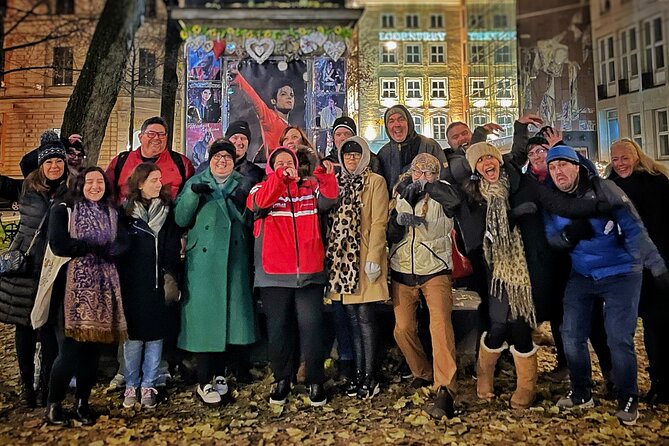
This tour is led by an expert guide, and the tone across guide performances tends to be energetic and story-driven. Two names show up in praise: Katrina and Sophie. Both get called out for being fun, knowledgeable, and able to answer questions.
Why that matters: with true crime, it’s easy for a walking tour to become either too stiff or too sensational. A good guide keeps things readable. They use visuals when helpful, keep the group moving, and make sure you’re learning something beyond Shock Fact Bingo.
The tour also runs with a maximum of 20 travelers, which is a sweet spot. Big enough for a lively group, small enough that you’re not lost in the crowd. If you like asking questions, this size helps.
And because the route is based around major public places with lots of foot traffic, sound quality is important. A microphone and speaker are a smart touch, especially if you visit during festive periods or when the area is louder than expected.
Duration, Pacing, and What the 2 to 2.5 Hours Feels Like
The whole tour is listed at about 2 to 2.5 hours, with short stop times along the way. The structure matters. You’re not stuck for long stretches at any one corner, and each location gets enough time for the guide to tell the relevant story without making you feel like the walk never ends.
Expect a moderate walking pace. The tour calls for moderate physical fitness, which is normal for a city-center route with multiple stops. If you can handle a couple hours of walking and standing, you’ll be fine. If you struggle with longer spells on your feet, you might want to plan your day so you’re not also running around for museums afterward.
Weather is always a variable. One guest specifically mentioned making the best of rainy weather, which is a good sign that the experience doesn’t depend on perfect sun. Dress for the conditions, and you’ll enjoy the stories more when you’re comfortable.
Price and Value: Why $42.33 Can Make Sense
The price is $42.33 per person for a guided, English-language walking tour that includes an expert guide. You also don’t have to buy separate admissions at the stops—each stop is marked as free to enter.
Value here comes from three places:
- You’re paying for storytelling plus route guidance. The guide handles where you go and how you connect the dots.
- You get a multi-era theme instead of a single incident tour. You move from older crime references to 20th-century serial killer framing and then to more modern themes like kidnapping and dating-era dangers.
- You’re seeing the central city anyway. This tour overlaps with major squares and landmarks you’d likely visit during a normal sightseeing day.
If you like true crime, puzzles, or just learning a different side of a city, this feels like a solid use of a half-day block.
Who Should Book (and Who Might Prefer Something Else)
This tour is a great fit for:
- True crime fans who want stories tied to real places
- Mystery lovers who like timelines and clues
- People who want an easy way to explore central Munich while staying oriented
- Teens and families who like guided story formats (this topic can be a hit for younger mystery readers if the group is comfortable with the subject matter)
You might pass if:
- Violent crime topics would really bother you
- You dislike dark themes and prefer light, purely cultural tours
One more practical point: the tour is near public transportation and allows service animals. That’s helpful if you’re using transit to manage your day.
Should You Book This Munich True Crime Walking Tour?
If you want a Munich experience that goes beyond beer halls and postcard views, this is a strong choice. The biggest reason to book is the structure: short stops at known central landmarks, guided context that connects eras, and a format that keeps you moving without losing the thread. The guide component matters here, and the tour’s praised guides—Katrina and Sophie—are specifically called out for keeping things fun and easy to follow.
My rule of thumb: if you can handle crime stories and you want your walking time to feel like an active, guided narrative, book it. If you prefer your sightseeing strictly uplifting, you’ll likely enjoy something lighter.
FAQ
How long is the Munich true crime walking tour?
It runs about 2 hours to 2 hours 30 minutes.
What language is the tour offered in?
The tour is offered in English.
How much does the tour cost?
The price is $42.33 per person.
Where do I meet the guide?
The meeting point is LUDWIG BECK – Kaufhaus der Sinne, Marienplatz 11, 80331 München, Germany.
Does the tour include admission tickets for the stops?
No paid admissions are listed for the stops; admission tickets are free.
Is a mobile ticket provided?
Yes, it’s a mobile ticket.
How big is the group?
The tour has a maximum of 20 travelers.
Are service animals allowed?
Yes, service animals are allowed.
What is the cancellation window?
Free cancellation is available up to 24 hours in advance for a full refund.