REVIEW · GHOST & TRUE CRIME TOURS
Munich: Spooky Tour of Old Town in German
Book on GetYourGuide →Operated by DIE STADTSPÜRER® · Bookable on GetYourGuide
Munich has a darker side, and this tour leans into it. In just 105 minutes, you’ll walk the southern old town and hear spooky street stories tied to places like Frauenkirche and Sendlinger Tor. I especially like how the tour focuses on human characters from the edges—hangmen, witches, and other uncomfortable figures—and how it keeps moving, so you’re never stuck staring at one spot.
Two things I really like: you get guided German storytelling from a local, and you visit specific districts and squares (Kreuzviertel, Promenade Square, Angerviertel, and the Hackenviertel around Hofstatt). One drawback to plan around: it’s not recommended for kids under 12, and if you don’t follow German well, you’ll likely miss a lot of the fun.
In This Review
- Key Things to Know Before You Go
- Entering Munich’s Spooky Side at Frauenkirche
- German Storytelling You’ll Want to Follow Closely
- Kreuzviertel and Promenade Square: When the Neat Parts Get Uncomfortable
- Angerviertel and the Hackenviertel With Hofstatt
- The Tracks of Devils, Demons, Heretics, and the Doomed
- Cursed Places, Executioners, and Warnings for Nighttime
- Price and Value: Is This $26 Spooky Walk Worth It?
- Weather, Comfort, and How to Make the Walk Pleasant
- Who This Tour Fits Best (and Who Should Skip It)
- Should You Book This Spooky Old Town Munich Tour?
- FAQ
- What is the duration of the Munich Spooky Tour in Old Town?
- Where do I meet for the tour?
- How much does the tour cost?
- Is the tour offered in English?
- Is the tour suitable for children?
- What is included in the tour?
- Can I cancel for a refund?
- Is the tour wheelchair accessible?
Key Things to Know Before You Go
- Start at Frauenkirche: directly in front of the main entrance between the two towers at Frauenplatz
- 105 minutes, walking pace: designed to cover Frauenkirche toward Sendlinger Tor across the southern old town
- German-only tour: the guide’s explanations are part of the act, including spooky names and themes
- Real neighborhood stops: Kreuzviertel, Promenade Square, Angerviertel, and the Hackenviertel around Hofstatt
- Spooky topics, adult tone: devils, demons, heretics, executioners, witches, and a grave-digger’s tools
- Small gift included: you’ll get a keepsake at the end
Entering Munich’s Spooky Side at Frauenkirche
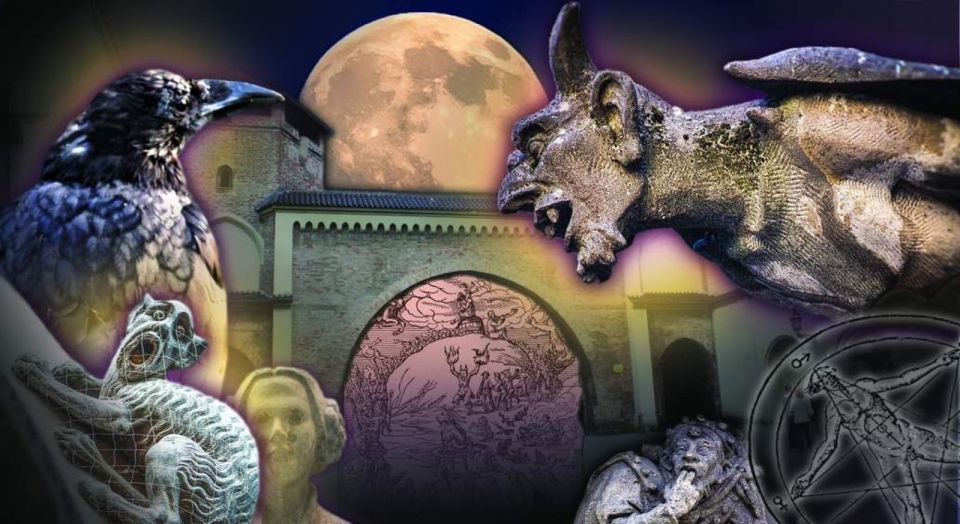
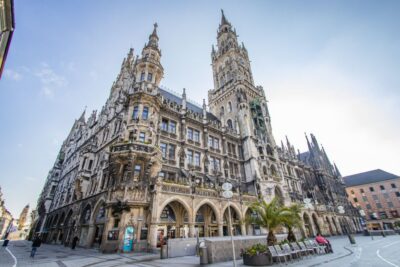
The tour kicks off at Frauenkirche—right in front of the main entrance between the two towers at Frauenplatz. That matters more than it sounds. You’re starting at one of Munich’s most recognizable anchors, so even if the route gets grim and story-driven, you’re still rooted in the actual city you came to see.
From there, the walk threads through Munich’s southern old town with a clear goal: show you how death and fear used to be part of everyday life. You’ll cross between atmospheres—posher-looking corners and rougher districts—so the spooky parts feel like they belong where you’re standing, not like a Halloween show stapled onto town.
Also, this isn’t a “sit and watch” tour. Expect real walking and frequent turns. It lasts about 105 minutes, which is long enough to build a mood, but short enough that you can still fit something else into your day.
You can also read our reviews of more tours and experiences in Munich.


German Storytelling You’ll Want to Follow Closely
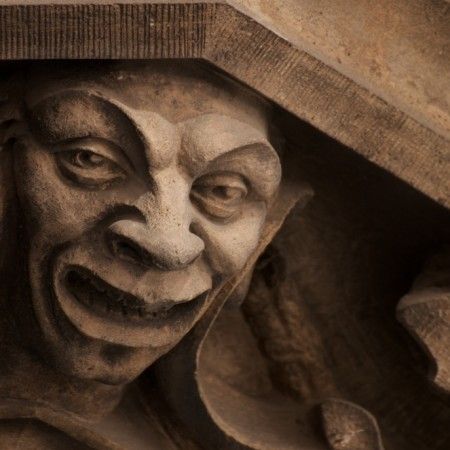
This is a German tour, and that’s a big part of the value. Spooky tours live or die by delivery—timing, phrasing, and the guide’s ability to make old characters sound alive. If you read a little German but don’t follow spoken language, you might catch the locations while missing the plot.
One guide name came up in feedback: Uwe. People praised his focus and how he kept things fun and lively even in ugly weather, including strong snowfall and cold. That’s a good sign for anyone who’s worried that dark, wintery Munich will make a walking tour feel miserable.
You also get an experienced local guide, which helps because the tour isn’t just naming scary figures. It connects them to neighborhoods and street corners—where the vibe is different, and the story changes as you move.
Kreuzviertel and Promenade Square: When the Neat Parts Get Uncomfortable
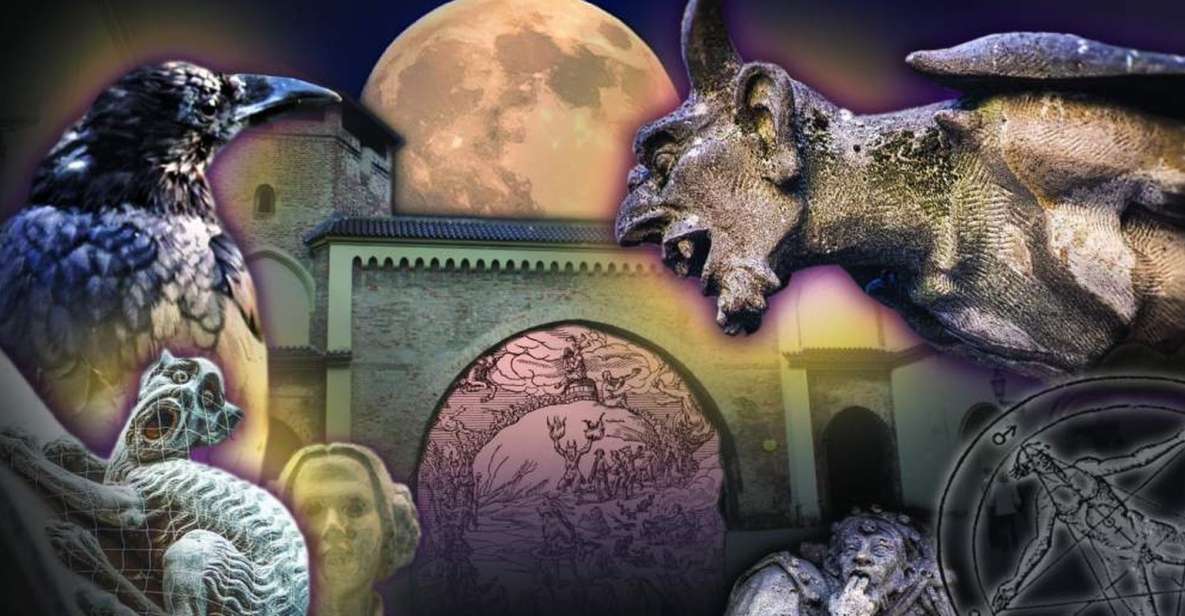
Early on, you’ll work through the Kreuzviertel district and pass places like Promenade Square. These are “southern old town” areas, but they don’t all feel equally grim. That contrast is the point.
In the posher-feeling parts of old Munich, the tour leans into a simple idea: the city’s darker characters still existed, even if respectable society preferred not to talk about them. You’ll hear about dishonest figures who kept to the fringes of everyday life—those who stayed on the edges when the good citizens retired for the night.
Why I think this section is smart for visitors: it prevents the tour from feeling like generic spooky theater. You’re learning how fear and social rules shaped real streets—who belonged, who didn’t, and what people feared when night fell.
A small consideration: if you’re expecting jump-scares and horror movie stuff, you’ll get something closer to city folklore and grim civic life. It’s story-first, not gore-first.
Angerviertel and the Hackenviertel With Hofstatt
Next comes a more “street-level” part of Munich’s old town: the Angerviertel and especially the Hackenviertel area around Hofstatt. This is where the tour’s characters start to feel less like names and more like a pattern.
You’ll meet shady figures tied to the city’s uncomfortable jobs and punishments—think hangmen and other grim roles. You’ll also get stories about witches and how rumors and fear spread. The tour doesn’t just list personalities. It explains where the fear lived and why it mattered to people living near those places.
Hofstatt is especially useful for understanding the setting. Rather than only hitting “big sights,” you’re learning about how neighborhoods were organized around work, daily routines, and the darker side of civic order. That’s often what people want from a walking tour in Munich: not only what’s beautiful, but what used to make the city feel unsafe or tense.
One more reason this section works: the route is built to keep you moving across districts. That means you’re constantly re-framing what you saw a few minutes ago, and the spooky theme stays fresh.
The Tracks of Devils, Demons, Heretics, and the Doomed
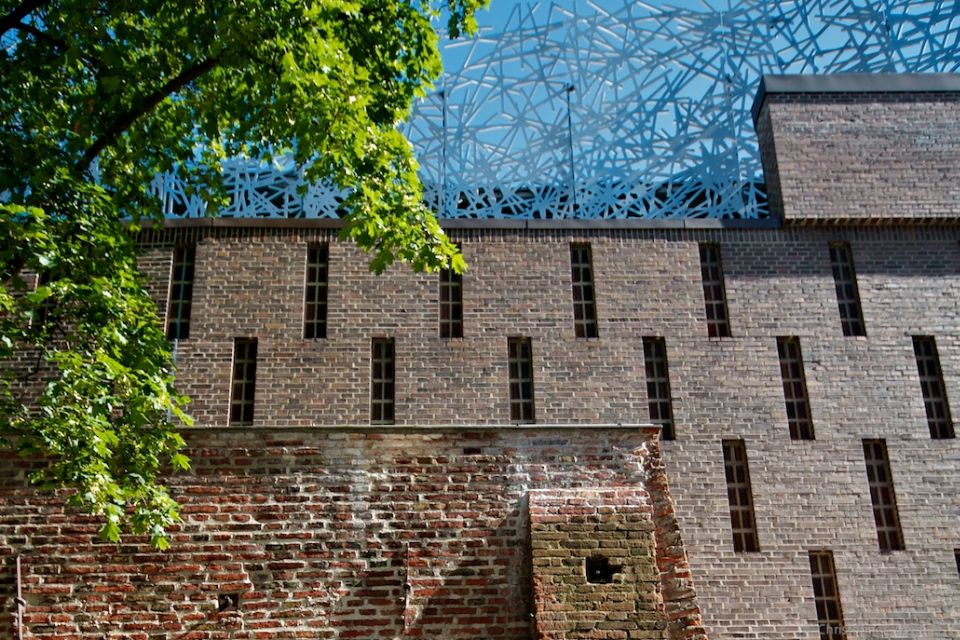
The tour’s theme language is bold—devils, demons, heretics, and the doomed—and you’ll hear it used as a way to guide you through the city’s feared corners. This part of the experience is less about any single “cursed object” and more about how beliefs, blame, and punishment shaped what people talked about.
You’ll also learn about specific spooky “everyday” details from the era, including:
- where a grave-digger shouldered his spade
- ravens circling overhead in the story’s imagery
- executioners and how their work was described, including whipped hatchets
Even if you’ve seen other “dark tours” in Europe, Munich’s approach feels grounded in the mechanics of fear: who carried out harsh justice, who got blamed, and how death became routine rather than rare.
That’s valuable for you because it turns the spooky mood into something historical-sounding without becoming a lecture. You’ll leave with a clearer mental map of how terror and authority moved through streets.


Cursed Places, Executioners, and Warnings for Nighttime
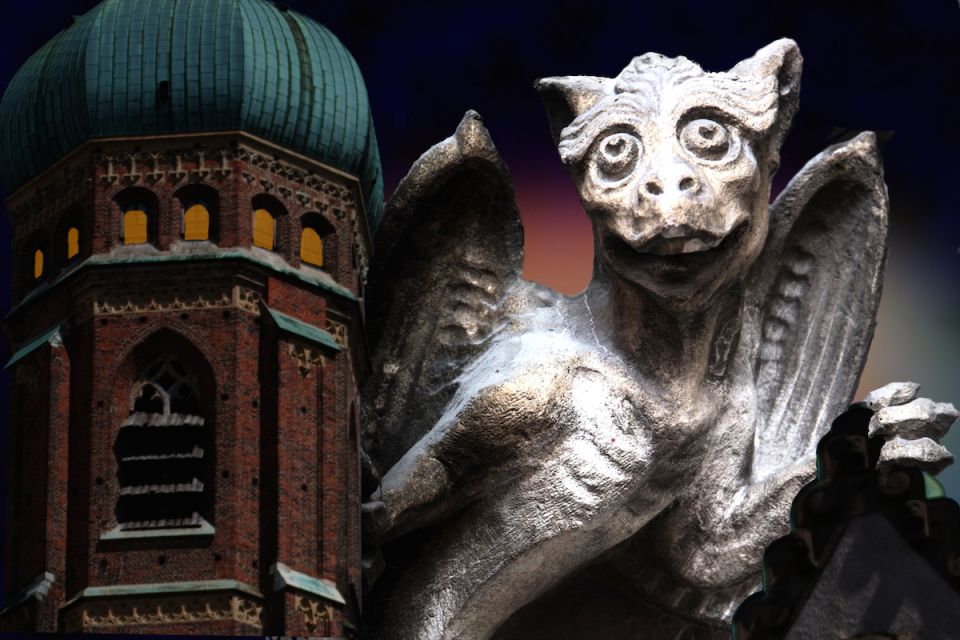
As the walk continues, the tour goes from specific figures to “places where scary events took place.” You’ll hear about the rogue groups that made streets unsafe and what happened when the good citizens stopped going out.
This is where the tour’s tone really tightens. The city becomes a kind of stage: certain streets and squares stop being just scenery, and start sounding like warnings. If you like your sightseeing with atmosphere—like you’re collecting mood, not just photos—this is the section that delivers.
Just keep expectations realistic. This is a walking tour about stories and legends, not a recorded reenactment. The value comes from how the guide ties the theme to what you can still see today.
Also, the pace stays brisk enough that you should wear shoes you can trust. The route crosses from Frauenkirche toward Sendlinger Tor, and the “criss-cross” route through older neighborhoods means you’ll be on your feet for the whole 105 minutes.
Price and Value: Is This $26 Spooky Walk Worth It?
At $26 per person for about 105 minutes, this tour sits in the budget-friendly range for a guided, story-driven experience in a major city. Here’s why that price can make sense for you:
- You’re paying for a real local guide who carries the show in German, not just for a self-guided app.
- You’re getting a focused route across multiple districts—Kreuzviertel, Promenade Square, Angerviertel, and the Hackenviertel—without having to plan the connections yourself.
- A small gift is included, which is minor but nice when you’re comparing costs against tours that only offer a receipt and a link.
And the bigger value: the tour gives you a different angle on Munich. If you’ve already seen the big church façades and want something more human and unsettling, this is exactly the kind of guided experience that turns “sights” into a story you can remember.
If you’re short on time or don’t want to spend half a day, the 105-minute format is also a plus. You still have room for regular Munich time—coffee, shops, and normal sightseeing—after you’ve seen the city’s spooky lens.
Weather, Comfort, and How to Make the Walk Pleasant
The tour is a walk, so comfort is practical. One piece of feedback highlighted that the guide kept people in good spirits despite strong snowfall and cold. That suggests two things you should plan for:
- dress like it’s going to be chilly (bring layers you can move in)
- expect the tour to continue in real weather because the route is the product
If you’re visiting in cooler months, you’ll enjoy this more if you keep your hands warm and your feet dry. And if you’re sensitive to dark, gloomy themes, keep that in mind: this is focused on death, fear, and execution-themed characters, not gentle “ghost stories for kids.”
Who This Tour Fits Best (and Who Should Skip It)
This tour is a great fit if you:
- enjoy walking tours with a clear theme
- like dark folklore without turning it into a campy prank
- want to see lesser-discussed districts like the Hackenviertel and Hofstatt area
- can follow the guide in German (or are comfortable with spoken German)
It’s not a great fit if:
- you need a kids-friendly version (it’s not recommended for children under 12)
- you only want a light, family-style experience
- you can’t follow German at all—you’ll miss the storytelling, which is the core of the value
One more match check: if you love big landmarks, you’ll still start at Frauenkirche, but the tour’s payoff comes from how the guide links streets to grim characters and feared places.
Should You Book This Spooky Old Town Munich Tour?
Book it if you want Munich with texture—streets that come with warnings, jobs that sound frightening, and neighborhoods described through the lens of fear. The 105-minute length is practical, the guide-driven German storytelling is the heart of it, and the route connects several specific old-town areas in one go.
Skip it if you’re traveling with kids under 12, you dislike dark themes, or you can’t follow German. In those cases, you’ll likely spend the tour trying to translate instead of enjoying the atmosphere.
If you’re on the fence, look at the overall rating: it holds a 4.6 with 1112 ratings, which is a strong signal that this isn’t just a gimmick.
FAQ
What is the duration of the Munich Spooky Tour in Old Town?
The tour lasts about 105 minutes.
Where do I meet for the tour?
Meet at Frauenkirche, directly in front of the main entrance between the two towers at Frauenplatz, Munich.
How much does the tour cost?
The price is $26 per person.
Is the tour offered in English?
No. The tour is only available in German.
Is the tour suitable for children?
It is not recommended for children under 12.
What is included in the tour?
Included are a tour in German with an experienced local tour guide, plus a small gift from the tour.
Can I cancel for a refund?
Yes. Free cancellation is available up to 24 hours in advance for a full refund.
Is the tour wheelchair accessible?
Yes, the tour is described as wheelchair accessible.