REVIEW · HISTORICAL TOURS
Munich: Resistance against Hitler – Historical Walking Tour
Book on GetYourGuide →Operated by Munich Stories · Bookable on GetYourGuide
Munich has another face, and this walk shows it. This 2-hour historical walking tour turns the streets around Ludwig-Maximilians-Universität (LMU) into a clear, human story about Germans who resisted Hitler—sometimes at huge personal risk. You’ll follow the trail through major resistance movements, with a guide who knows how to make serious history feel understandable.
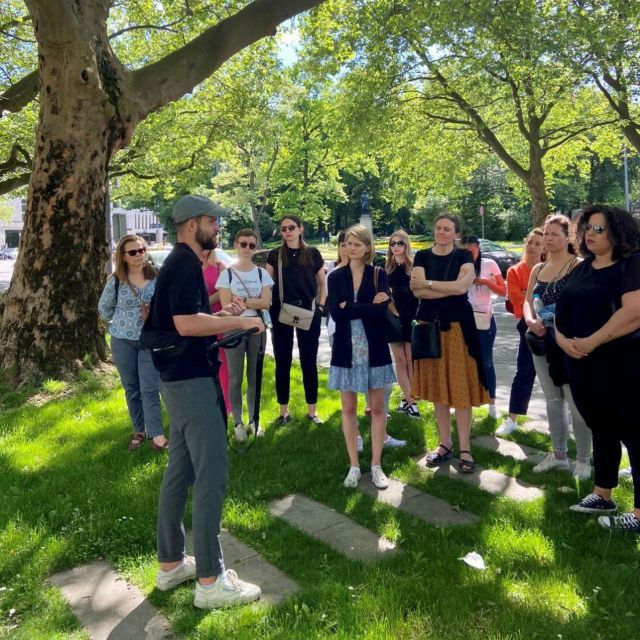
I really liked Alex’s approach: he’s a Munich local with real energy for the subject, and he tells the material in a way that stays approachable even when the topic is grim. I also appreciated how the tour covers both famous and less-known resistance efforts, so you don’t just hear one headline like White Rose—you see how different people tried to push back.
One thing to consider: it’s rain or shine, so plan for wet sidewalks and wear comfortable shoes. If you’re expecting a laid-back sightseeing stroll, this is more like a focused history walk with stops that carry weight.
In This Review
- Key things you’ll notice on this walk
- Starting at LMU: where Munich’s Nazi story becomes walkable
- Alex the guide: local focus, clear answers, and visuals that help
- The White Rose: famous resistance, explained through a city lens
- From propaganda to courage: resistance beyond the headlines
- A lonely man and a bomb plot: the danger behind “just thoughts”
- The military coup site: when power tried to grab the city
- Munich’s youth as resistance: courage when silence was safer
- Finishing at Odeonsplatz: the city square that holds reminders
- Price and what you really get for $28
- Should you book this Resistance against Hitler tour?
- FAQ
- Where does the tour start?
- How long is the tour?
- How much does it cost?
- What language is the tour guide?
- Is the tour wheelchair accessible?
- Do I need to worry about weather?
Key things you’ll notice on this walk
- Alex’s local storytelling that keeps the tone human instead of textbook
- White Rose coverage plus other resistance networks you may not know well
- Specific Nazi-era sites, including places tied to plots and military action
- Assassination and bombing plans connected to the goal of stopping Hitler
- Youth resistance themes, showing courage across generations
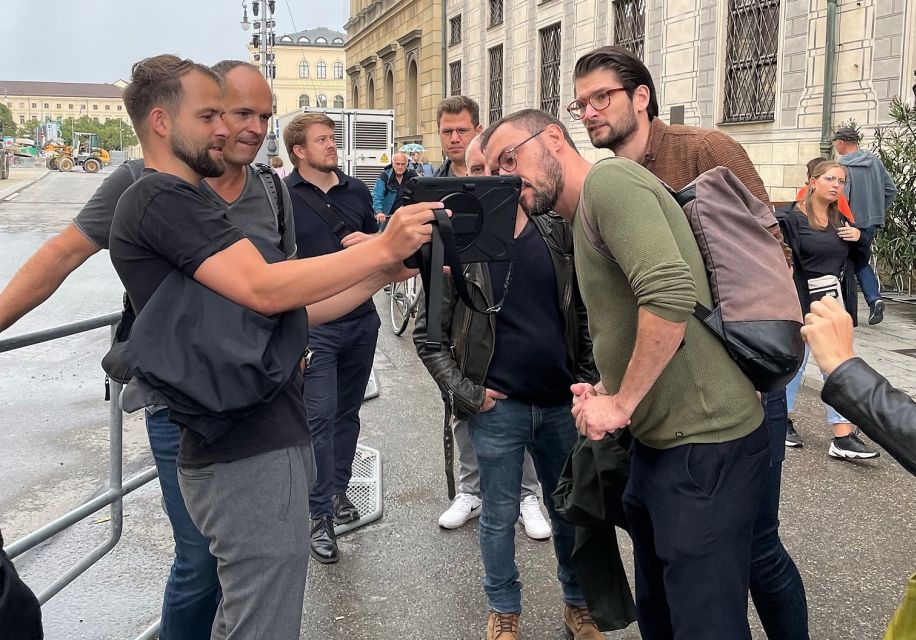
- Helpful visuals used to match what you’re standing in front of
Starting at LMU: where Munich’s Nazi story becomes walkable
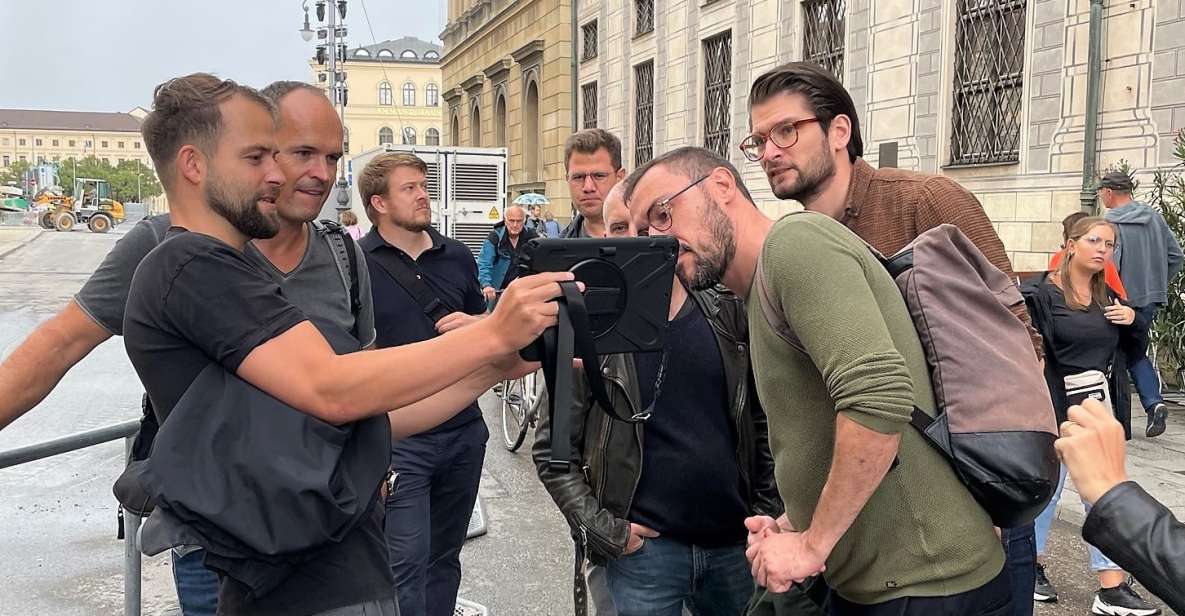
The tour begins at the big fountain in front of the main entrance of Munich University (LMU), at Geschwister-Scholl-Platz 1. That starting point matters more than you might think. Munich is often explained through big names and dates, but standing near LMU puts you in a part of the city that feels tied to education, debate, and youth—exactly the kind of setting where resistance ideas could spread, not just where propaganda echoed.
From the first minutes, the format is straightforward: you’re walking city blocks while your guide connects each location to a specific moment. In about two hours, you’ll cover enough ground to feel like you got an actual storyline, not a random pile of monuments.
And yes, this is history with serious subject matter. The value is that you’re not just reading about it later—you’re watching cause-and-effect unfold as you move.
You can also read our reviews of more walking tours in Munich


Alex the guide: local focus, clear answers, and visuals that help
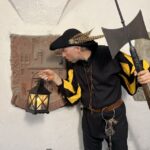
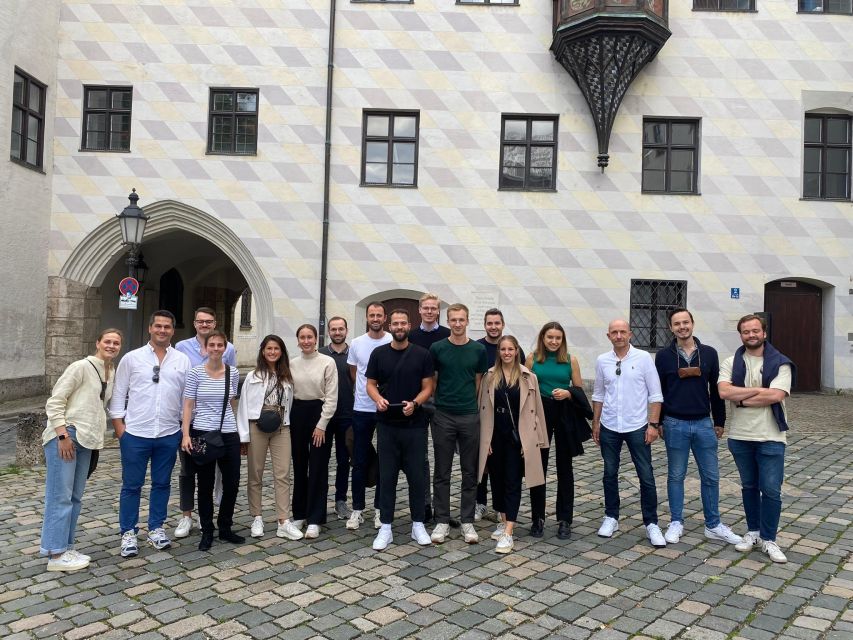
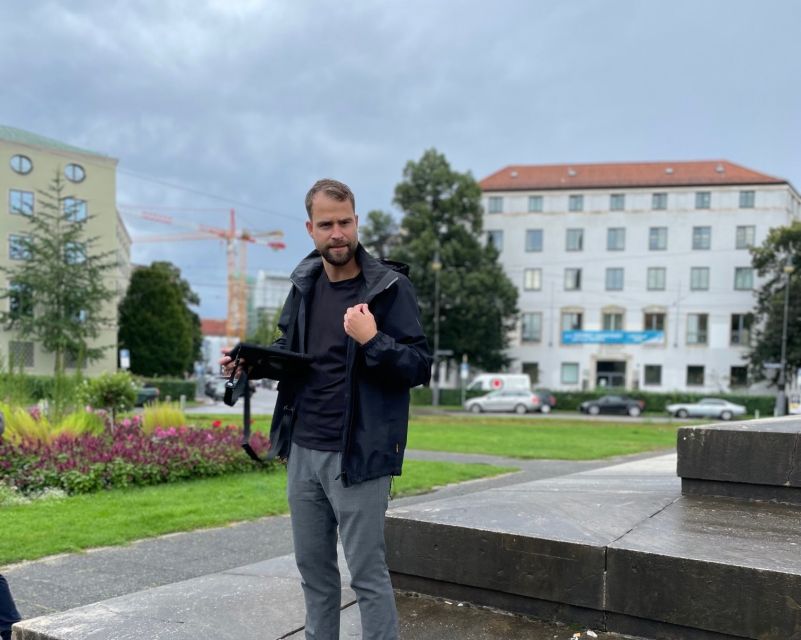
A big reason this tour works is Alex. You’re not getting a generic script. He’s described as a real Munich local with a passion for history, and it shows in how he paces things and handles questions. When the topic is difficult, that kind of calm clarity helps. You’re less likely to get lost in names and dates because the guide keeps returning to the “why” behind the actions.
What I also like is the use of supporting material while you’re at the sites. The tour includes unusual, site-matched images—the kind of visual that helps you connect what you’re seeing outside (a street, a building, a square) with what happened inside the historical events. It makes the stories easier to place.
You should also know the tour runs in German. If your German is solid, you’ll likely get more out of the nuance. If it’s not, you can still follow the core story, but you’ll want to be prepared for fewer details to land.
The White Rose: famous resistance, explained through a city lens
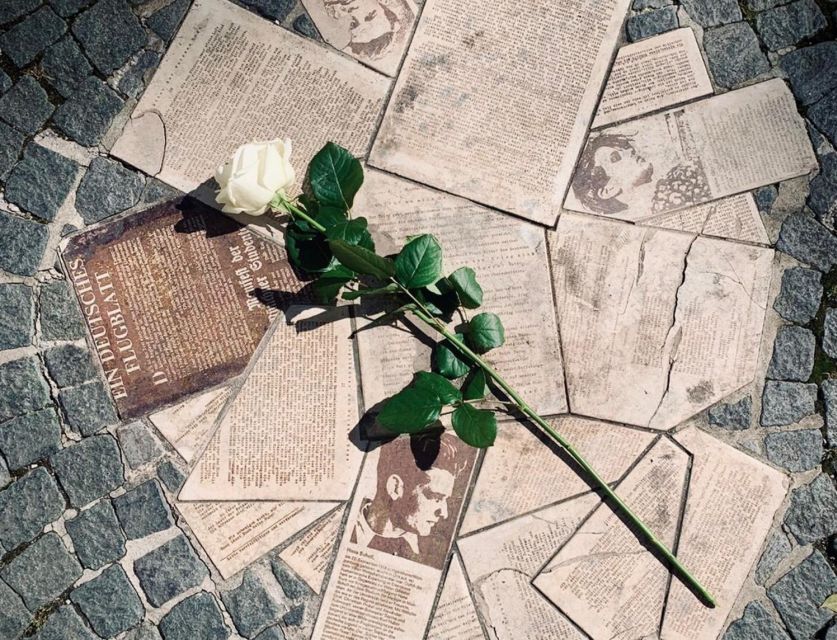
The White Rose is one of the best-known resistance groups from Nazi Germany, and this tour treats them as more than a name you’ve heard once. You learn where they fit in the wider picture of opposition in Munich, and you connect their actions to the atmosphere of the time—how a dictatorship functioned, and how people still found ways to push back.
The point isn’t to turn their courage into a museum piece. It’s to show the contrast between public silence and private risk. Standing in Munich—Hitler’s rise city—makes that tension feel sharp. You can better understand why resistance wasn’t just “good people did good things.” It was dangerous work carried out under real threat.
If your goal is to leave with a clearer sense of what resistance looked like in practice, not just in posters or pamphlets, this section is a highlight.
From propaganda to courage: resistance beyond the headlines
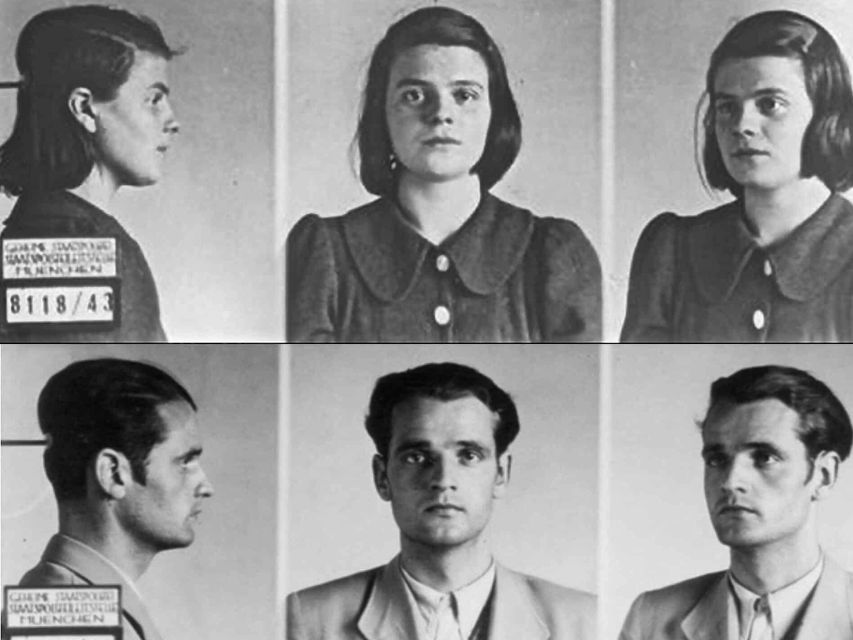
Munich was the birthplace of National Socialism, and that context hangs over the entire walk. In the Nazi years, the city served as a stage for early speeches, party founding energy, and propaganda that continued until the end.
What I found useful is that the tour doesn’t stop at one kind of resistance. Some efforts are well known, but others are almost forgotten. That balance is practical: you get a broader map of opposition—people who tried to inform, people who tried to sabotage, and people who were willing to risk themselves when staying quiet would have been easier.
This also helps you avoid a common trap: thinking resistance was one single movement with one single outcome. Instead, you see it as a web of people making different choices for different reasons, even when the odds were stacked.
A lonely man and a bomb plot: the danger behind “just thoughts”
One of the more striking parts of the walk is the story about a lonely man building a bomb with the aim to kill Hitler. Even if you already know the general idea, the way the tour connects this to specific places makes the story feel concrete.
Here’s why that matters for you: assassination plots can sound like abstract drama from a distance. On foot in Munich, it becomes about method, timing, and the terrifying reality that one person’s plan can’t rely on a soft landing. Resistance here isn’t described as heroic fantasy. It’s shown as a high-risk attempt to change the course of history when normal paths were blocked.
This section also reinforces the wider theme of the tour: bravery doesn’t always look like a crowd. Sometimes it’s a single decision in a system that punishes doubt.
You can also read our reviews of more historical tours in Munich


The military coup site: when power tried to grab the city
The tour also takes you to an original sight tied to a dramatic military coup against the Nazis. That’s important context because Nazi power didn’t only spread through slow cultural control. It also relied on confrontations and attempts to seize authority.
Walking to a site connected with that kind of moment helps you understand how quickly politics can turn violent—and how the line between “movement” and “regime” can blur. It’s one thing to know the Nazis rose. It’s another to stand where their rise and challenges to their rise played out in physical space.
Just keep your expectations realistic: this is not a casual history lecture. It’s a walk where you’re asked to think about the stakes in each location.
Munich’s youth as resistance: courage when silence was safer
Another valuable angle is how the tour treats the role of youth. You’re told that Munich’s younger people were prepared to resist—and at a time when many older people deliberately looked the other way.
That theme hits hard for a reason: it pushes against the simplistic narrative that “everyone just complied.” It suggests something more complicated and more uncomfortable—some people used their age, status, or comfort to avoid involvement, while others chose risk instead.
For you as a traveler, this matters because it turns the walk into something you can relate to. Even today, people debate when to speak up, when to stay quiet, and when to act. This tour gives you a historical mirror without making it preachy.
Finishing at Odeonsplatz: the city square that holds reminders
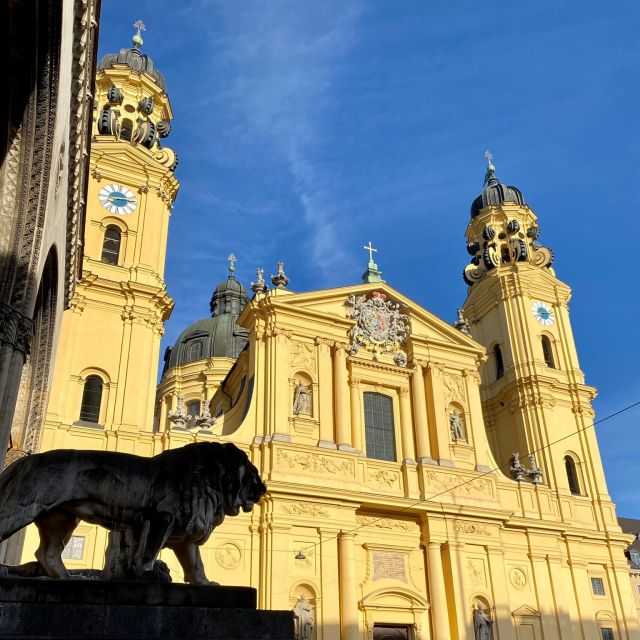
The final stop is Odeonsplatz, a beautiful Munich square where the mood shifts in an interesting way. After two hours of heavy stories, standing in a place known for grandeur forces you to notice contrast: beauty and power can share the same city blocks.
It’s a good place to pause. Your brain has been busy tracking resistance groups, plots, and turning points. Odeonsplatz gives you a natural moment to absorb what you learned and let it settle.
If you want to keep learning after the walk, this is also where you can take stock of direction. You’ll likely have a clearer sense of where to continue in Munich with purpose rather than wandering.
Price and what you really get for $28
At $28 per person for a 2-hour guided walk, the value is mostly about depth per minute. This isn’t an all-day pass. You’re paying for a concentrated route focused on resistance and key sites, led by a guide who brings local knowledge and supporting visuals.
You also get practical extras: the tour includes personal recommendations to explore Munich like a local. That’s not just a throwaway line. In a city where history can feel overwhelming, having a local point you can follow later is genuinely useful.
Compared to spending the same money on an hour of generic sightseeing, this feels more intentional. You leave with context, not just photos.
Should you book this Resistance against Hitler tour?
Book it if you want Munich history that focuses on resistance, not only on Nazi power. The combination of Alex’s local, clear guidance, the coverage of White Rose, and the inclusion of lesser-known opposition efforts makes it feel like you learn more than a single storyline.
Skip it (or choose carefully) if you’re uncomfortable with serious, heavy topics or if you need a purely relaxed walking tour with minimal discussion. This is rain or shine, and the emphasis is on events and consequences.
If you have basic German, you’ll probably enjoy it even more. And if your German isn’t strong, still consider it—just go in knowing the main guide explanations are delivered in German.
Either way, wear comfortable shoes and plan to walk with focus. This is the kind of experience where Munich looks different afterward, not because you saw more streets, but because you understood what happened in them.
FAQ
Where does the tour start?
The meeting point is at the big fountain in front of the main entrance of the University of Munich (LMU), Geschwister-Scholl-Platz 1.
How long is the tour?
The tour lasts about 2 hours.
How much does it cost?
The price is $28 per person.
What language is the tour guide?
The tour is a live guided tour in German.
Is the tour wheelchair accessible?
Yes, it’s listed as wheelchair accessible.
Do I need to worry about weather?
The tour takes place rain or shine, so bring the right clothing and wear comfortable shoes.