REVIEW · HISTORICAL TOURS
Munich: Historical Walking Tour Maxvorstadt with GEO Epoche
Book on GetYourGuide →Operated by Eat the World GmbH · Bookable on GetYourGuide
Maxvorstadt tells Munich’s story in two tones. This 2-hour walk pairs an expert guide with a route through Maxvorstadt’s everyday streets and the showy Brienner Street, from Odeonsplatz toward today’s student district. I love how the tour mixes Ludwig I’s Athens-on-the-Isar dream with the reality of World War II, and I like that the facts come packaged with GEO Epoche’s historical framing. One catch: the tour is conducted in German only, so you’ll want at least a basic handle on the language.
You’ll meet outside Theatinerkirche and keep moving at a comfortable walking rhythm. Bring comfortable shoes, plus weather gear and water, since it runs rain or shine. If you prefer your history on real sidewalks (not just on a museum label), this one is made for you.
In This Review
- Key highlights to plan around
- Entering Maxvorstadt: Athens on the Isar and the WWII shadow
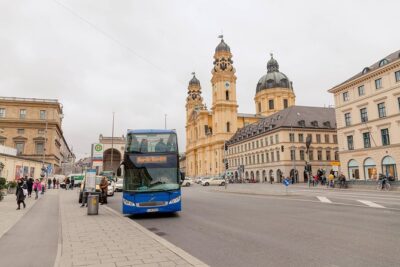
- Meeting outside Theatinerkirche: the start that keeps you focused
- Odeonsplatz toward Maxvorstadt: watching Munich change by walking
- Brienner Straße: Munich’s first boulevard, built for attention
- Ludwig I’s Athens-on-the-Isar dream: why the architecture theme sticks
- Italian flair and bohemian artists: the lighter side of Maxvorstadt
- World War II on the streets: the darker story that makes the walk matter
- GEO Epoche’s role: why this isn’t just a basic overview
- Price and time: what $29 buys you in Munich
- Practical comfort: rain or shine, shoes and water
- Language and accessibility: German-led, and not for everyone
- Who should book this Maxvorstadt tour (and who might skip)
- Should you book this Maxvorstadt historical walking tour?
- FAQ
- Where is the meeting point?
- How long is the tour?
- What does the tour cost?
- What language is the tour in?
- Is the tour canceled if it rains?
- What should I bring?
- Is this tour suitable for people with mobility impairments?
- Can I cancel for a refund?
Key highlights to plan around
- GEO Epoche partnership: you get historical context with an editorial-style approach, not just a random string of dates
- Brienner Straße as Munich’s first boulevard: the guide connects street design to royal ambition
- Odeonsplatz to Maxvorstadt: you watch the city shift from grandeur to a student-heavy neighborhood
- Glamour and the war story side by side: the tour doesn’t dodge the dark parts of WWII
- Axel’s guiding style: Axel has been noted as both competent and friendly, which matters on a story-heavy walk
Entering Maxvorstadt: Athens on the Isar and the WWII shadow
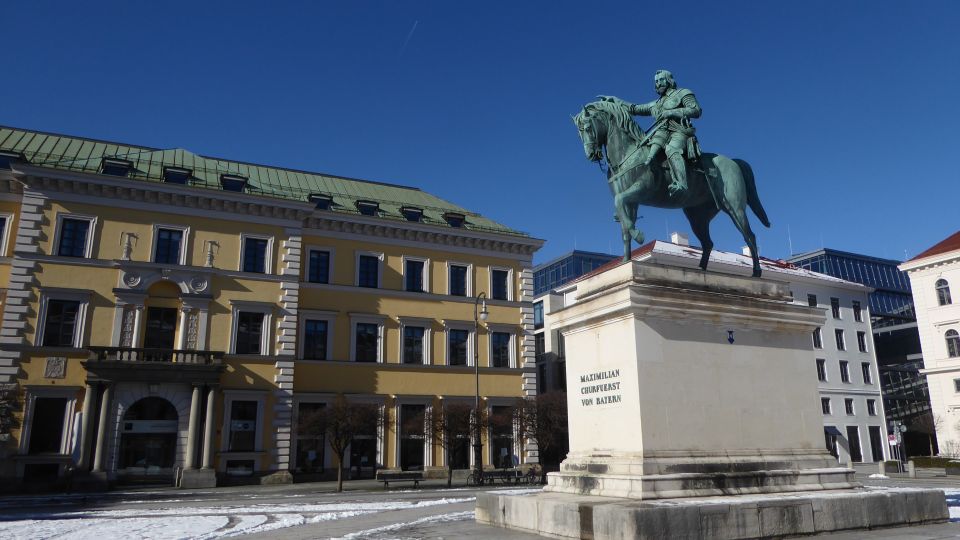
Maxvorstadt can look like a normal inner-city district until you know what to watch for. That’s the point of this tour: you learn how Munich’s planners and rulers tried to shape the city’s identity, then you see what war did to the same streets.
The big theme is Ludwig I, who dreamed Munich as the Athens on the Isar. The guide frames this idea with Mediterranean aesthetics and grandeur, so you start noticing how power wanted the city to look and feel. And then the tour flips the mood. You get the horror of war and Munich’s role in World War II, not as abstract “history somewhere else,” but as something that landed in this very neighborhood.
I like that the tour holds both realities at once: the glamorous era of palaces, concert halls, and café life, plus the darker truth that sits underneath it.
You can also read our reviews of more walking tours in Munich



Meeting outside Theatinerkirche: the start that keeps you focused
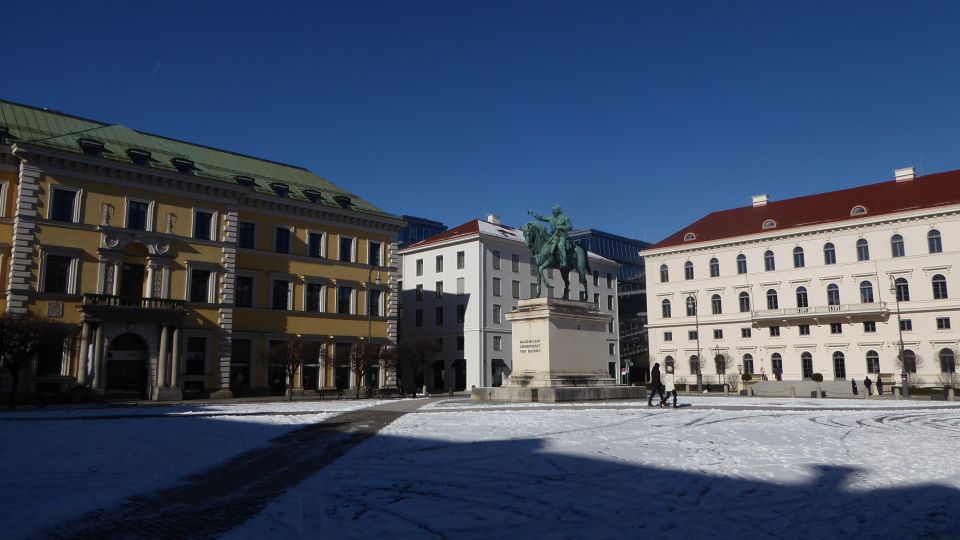
You meet your guide in front of Theatinerkirche, which is a clear, central landmark. From there, the walk heads into the direction of Odeonsplatz and onward toward Maxvorstadt.
This setup is practical for two reasons. First, you’re not hunting for a hidden side street. Second, you get “the story engine” running early: the guide starts giving you context right away, so every turn and street name means something.
You’ve got a two-hour window, so the pace is meant to keep you moving and thinking. If you’re the type who can get distracted by cafés, this tour still pulls you back into the why behind what you’re seeing.
Odeonsplatz toward Maxvorstadt: watching Munich change by walking
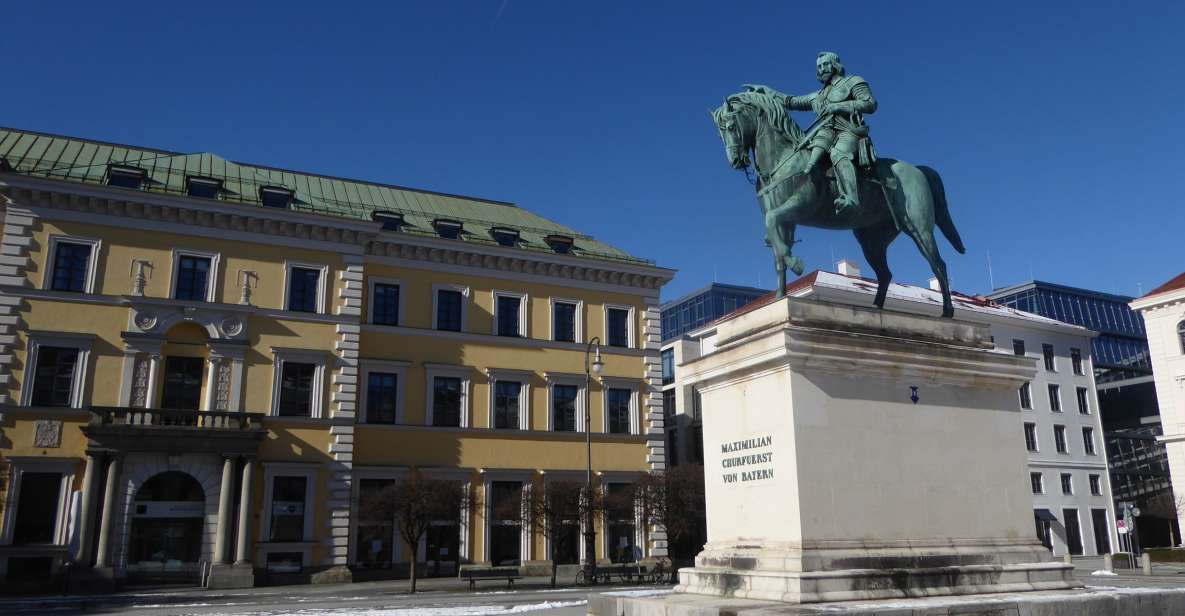
The walk connects Odeonsplatz to Maxvorstadt, and that stretch helps you understand how Munich’s character shifts across a relatively short distance. Odeonsplatz sits in the royal/grander atmosphere of the city. Maxvorstadt, today, is known as a student-oriented district with some of the youngest residents in Munich.
That contrast is more than demographics. It changes the way you experience the streets. In one zone, you’re primed to look for traces of courtly ambition and formal urban design. In the other, the day-to-day life feels lighter, more creative, and more like a place where ideas keep moving.
So as you go, you’re not only learning history. You’re also learning how a city reuses space over time. The guide helps you spot what stays readable through the centuries, and what changes into something new.
Brienner Straße: Munich’s first boulevard, built for attention
If you want one street name to remember from this tour, make it Brienner Straße. The guide points it out as Munich’s first boulevard and uses it as a timeline you can walk along.
This matters because a boulevard isn’t just a road. It’s a statement. When Ludwig I and his visionaries pushed a more Mediterranean, Athens-like look, streets like Brienner Straße became part of the performance. The tour helps you see the street as a “stage,” with buildings and cultural venues acting like props.
On this walk, you’ll learn where key landmarks from that period are located along the boulevard—especially the kind of places that signaled taste and status: palaces, concert halls, and glamorous cafés.
Practical note: Brienner Straße is a big visual corridor. It can feel wide and busy depending on the day. The guide’s job is to keep you from just “looking at pretty buildings” and instead understanding what those buildings were trying to do.
Ludwig I’s Athens-on-the-Isar dream: why the architecture theme sticks
Ludwig I’s big idea is the tour’s backbone. He wanted Munich to feel like Athens on the Isar—Mediterranean in mood, grand in tone, and confident in its cultural ambition.
Once you hear the story this way, it becomes easier to interpret what you’re seeing. You start noticing the difference between structures meant for everyday function versus structures meant to broadcast power and identity. And you begin to understand why certain streets and buildings were aligned and emphasized.
The guide doesn’t treat it like mythology for its own sake. The point is to show how urban planning and cultural messaging work together. Ludwig didn’t just dream of a city; he helped steer what the city would look like.
If you’re into “how cities got their personality,” you’ll appreciate this section. It gives you a lens you can reuse long after the tour ends.
You can also read our reviews of more historical tours in Munich



Italian flair and bohemian artists: the lighter side of Maxvorstadt
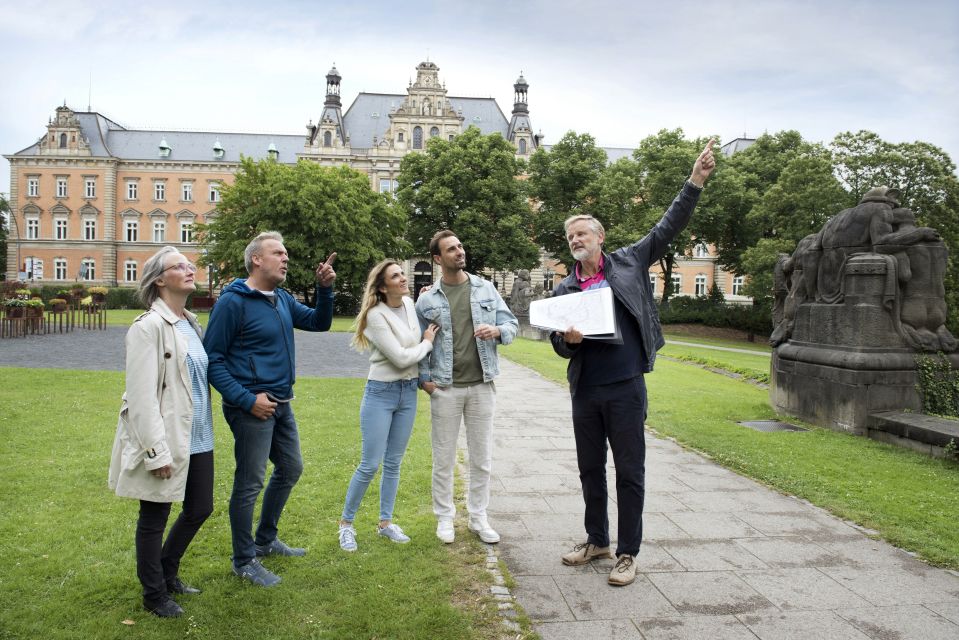
The tour also leans into the neighborhood’s reputation for Italian flair and bohemian energy. That doesn’t mean you’ll get a food crawl or a list of cafés to try. It means the guide uses stories from Munich’s past to explain why Maxvorstadt feels a bit artistic and non-bureaucratic compared to some other areas.
This is where the walk can feel more human. Instead of only royal vision and war damage, you get the sense of people moving through the city with taste, style, and creative ambition. And today’s student presence reinforces that feeling—Maxvorstadt isn’t frozen in one era.
For you, this section is useful because it prevents the tour from becoming one long gravity-heavy lesson. Even when the story turns dark later, you’ll have the lighter, cultural atmosphere to compare it against.
World War II on the streets: the darker story that makes the walk matter
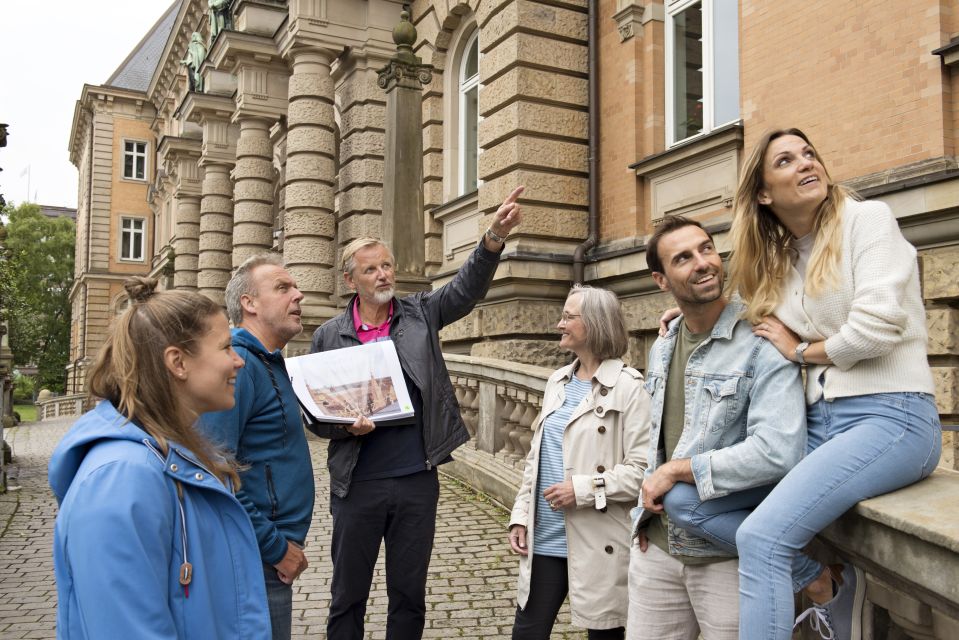
The tour doesn’t skip the hard part: Munich’s role in World War II and the horror of war. What I value here is the balance. The guide highlights glamorous areas from the same broader neighborhood, and then helps you understand what war changed.
You’re not just hearing that WWII happened. You’re learning how the neighborhood carried consequences, and how the physical city can keep memory in plain sight. That’s a different kind of learning than a museum panel. On the street, history feels more immediate and more difficult to shrug off.
This is also where your mindset helps. If you’re sensitive to heavy topics, give yourself permission to take a breath during the story changes. The guide’s job is to connect the facts to the places, not to sensationalize them.
GEO Epoche’s role: why this isn’t just a basic overview
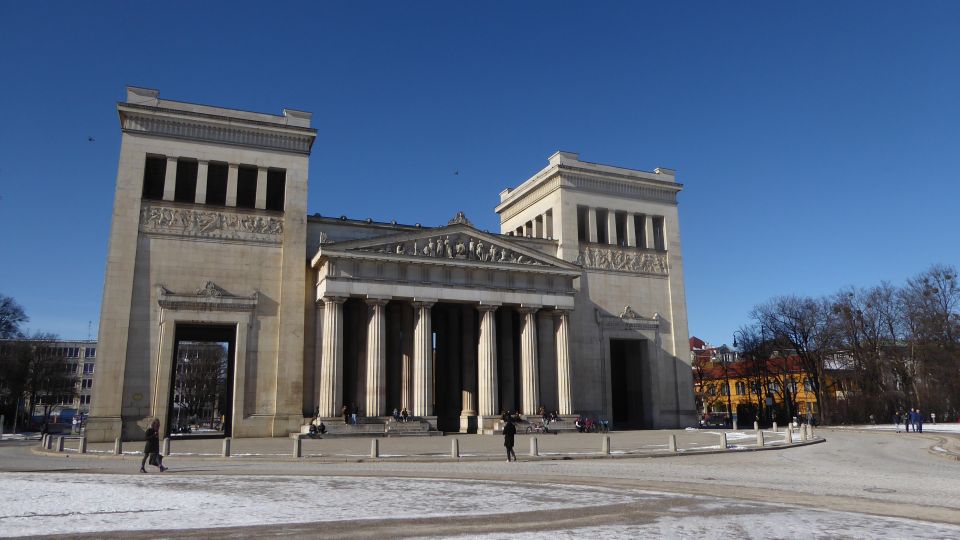
A big selling point is that the tour was developed together with GEO Epoche, a history-focused magazine. That partnership shows up in how the tour is structured: you get an expert framing for what you’re seeing as you walk.
It also helps explain why the tour works well in just two hours. The story isn’t random. It’s organized around themes you can remember: Ludwig I’s city-shaping vision, the street symbolism of Brienner Straße, and the way WWII darkens what once looked glamorous.
You also receive a tour brochure, which gives you something to hold onto during the walk and reference afterward.
If you like tours that feel like they were built by people who know what readers care about, this GEO Epoche collaboration is a real advantage.
Price and time: what $29 buys you in Munich
At $29 per person for 2 hours, this is a strong value format for Munich. You’re paying for three things you’d otherwise have to do on your own: a guided route, an expert storyteller, and the thematic structure that makes the city understandable fast.
Self-guided walking is possible, but you’ll miss the connecting tissue—the “why this matters” details that turn street names into a timeline. For the price, you’re basically buying access to a guide’s context for a couple hours, plus a brochure to reinforce the key points.
It’s also a good match if you’re short on time. Two hours is long enough to feel like you learned something substantial, but short enough to still enjoy the rest of your day in Munich.
Practical comfort: rain or shine, shoes and water
This tour runs rain or shine, so plan like a local. Wear comfortable shoes first, because this is a walking experience where your feet do the talking.
Dress for the weather and bring water. Weather gear matters more here than usual because you’re outside for the full experience. If you try to “power through” in uncomfortable shoes, you’ll feel it during the more emotional WWII parts, and that’s not the day you want pain competing with your attention.
Also: pets aren’t allowed.
Language and accessibility: German-led, and not for everyone
The live tour guide speaks German. If you don’t understand German, you may find it difficult to follow the stories clearly, even if the street visuals are straightforward.
Accessibility is another factor. This tour is not suitable for people with mobility impairments, so if that affects you, look for an alternative format that’s designed for reduced mobility.
Who should book this Maxvorstadt tour (and who might skip)
I think this tour fits best if you want:
- a guided, story-focused walk through Maxvorstadt
- emphasis on big themes like Ludwig I’s vision and Munich’s WWII role
- a street-level understanding of Brienner Straße and the city’s planning ideas
You might skip it if:
- you’re not comfortable with German narration
- mobility limitations make a walking-only tour unrealistic
If you’re visiting Munich for the first time and you like getting oriented through history rather than only landmarks, this is a smart way to spend your time.
Should you book this Maxvorstadt historical walking tour?
Yes, if you want a compact, theme-driven history walk that explains how Munich built its image—and how war changed the story afterward. The combination of Brienner Straße, Ludwig I’s Athens-on-the-Isar dream, and the WWII perspective gives you something more useful than a standard “point and photo” route.
Book it especially if you:
- like expert narration and appreciate having a brochure to back up what you learned
- want to understand Maxvorstadt as it is now—a student district—while still seeing the forces that shaped it
Skip it if German-only storytelling is a deal-breaker for you, or if mobility needs make a walking tour unsafe.
If you’re good with those tradeoffs, this is the kind of Munich experience that leaves the city feeling more legible.
FAQ
Where is the meeting point?
The guide is waiting for you in front of Theatinerkirche.
How long is the tour?
The duration is 2 hours.
What does the tour cost?
The price is $29 per person.
What language is the tour in?
The tour is conducted in German.
Is the tour canceled if it rains?
No. The tour takes place rain or shine.
What should I bring?
Bring comfortable shoes, weather-appropriate clothing, and water.
Is this tour suitable for people with mobility impairments?
No. This activity is not suitable for people with mobility impairments.
Can I cancel for a refund?
Yes. You can cancel up to 24 hours in advance for a full refund.