REVIEW · SCOOTER RENTALS
3-H Munich: Top Sights E-Scooter Tour with Local Guide
Book on GetYourGuide →Operated by Firewheels Tour GmbH · Bookable on GetYourGuide
Munich on an e-scooter beats slow sightseeing. In just 3 hours, you’ll glide through major sights with live guide commentary and plenty of time to absorb how the city’s royal past and modern energy sit side by side. You get that satisfying mix of movement and meaning, especially around landmark areas like the English Garden and the grand royal core.
I especially like two parts. First, the tour helps you get confident fast, with a practical start on a Segway/e-scooter setup so you’re not stressed about balance while trying to enjoy the views. Second, the guide story flow sounds made for the streets of Munich—Bavarian kings, landmark context, and entertaining explanations as you roll between stops.
One consideration: this is not for everyone. It isn’t suitable for children under 14 or for pregnant women, and you’ll want to be comfortable riding a small vehicle for a full 3-hour tour.
In This Review
- Key things I’d plan around
- Munich’s highlights, powered by wind-in-your-hair energy
- Getting comfortable: Segway practice before the real ride
- The route’s “why”: royal power meets street-level Munich
- Maximilianeum and the Hofgarten: elegant, civic Munich
- Odeonsplatz and Ludwigstrasse: where the city looks like a storybook
- Residenz and the Oper area: Munich’s royal and cultural core
- Siegestor and Odeonsplatz-to-park transitions: the city in motion
- Friedensengel to the English Garden: the most “Munich” moment
- How the tour feels day-to-day: commentary, pace, and real usability
- Price and value: why $94 can make sense here
- Who this tour suits best (and who should skip)
- What to watch for before you book
- Should you book this Munich e-scooter tour?
- FAQ
- How long is the 3-H Munich e-scooter tour?
- What sights are included on the tour?
- How much does the tour cost?
- What’s included in the price?
- Do I need to know how to ride beforehand?
- What languages are the live guides available in?
- Is the tour suitable for children?
- Is the tour suitable for pregnant women?
- Can I get a refund if plans change?
- Is there a pay-later option?
Key things I’d plan around
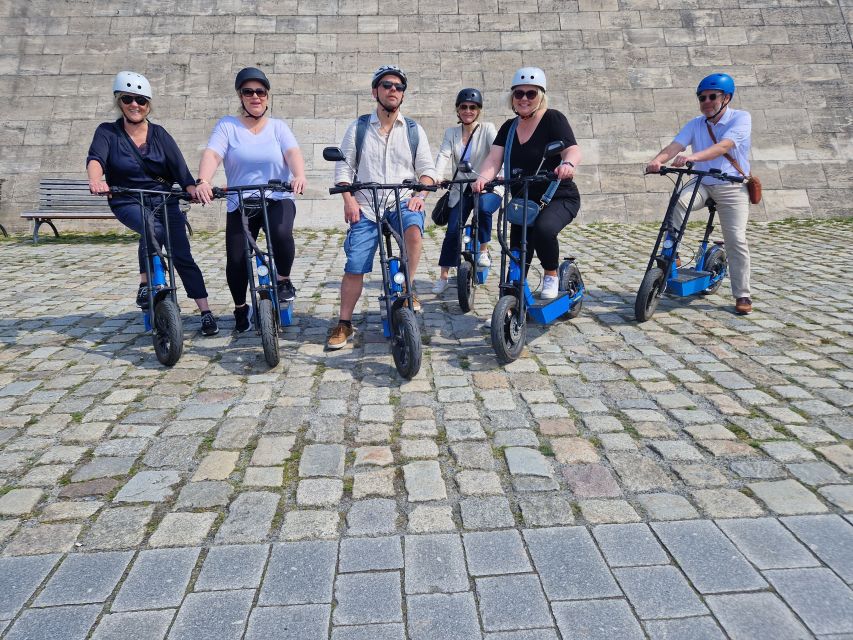
- Safe start on a Segway/e-scooter before you head into traffic-heavy areas
- Local guide storytelling tied to the landmarks you actually see
- English Garden + Eisbachsurfer scenery that feels instantly Munich
- Royal-sights route hitting Odeonsplatz, Hofgarten, and Residenz area landmarks
- Short duration, big coverage without turning the day into a long slog
Munich’s highlights, powered by wind-in-your-hair energy
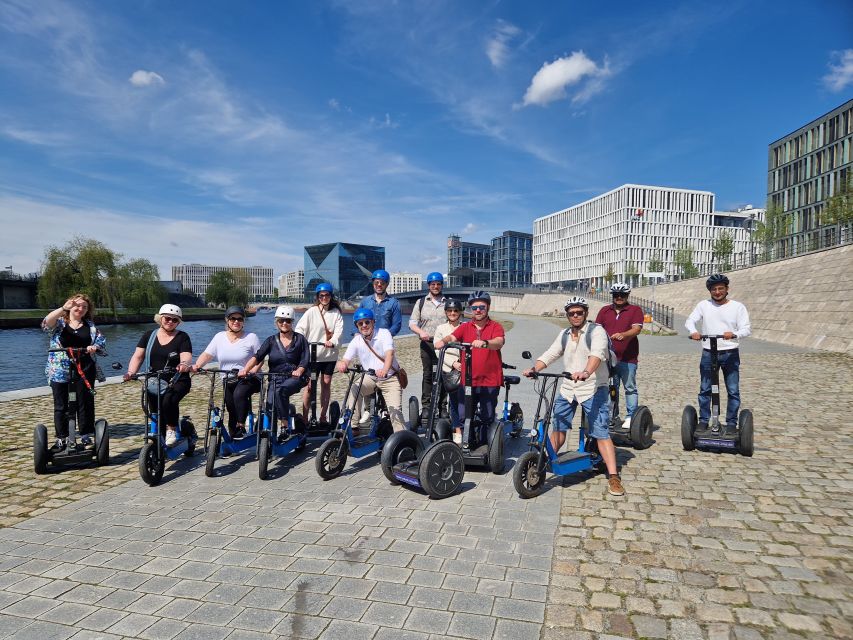
Munich can be done two ways: slow and detailed, or fast and efficient. This tour goes fast—on purpose. In 3 hours, you’re not just looking at postcard buildings. You’re moving through the city’s rhythm, taking in the big squares and the calmer green spaces, all while a live guide connects what you’re seeing to what it meant historically.
You’ll get that physical “I’m here” feeling in a way walking tours often can’t match. There’s something about gliding along streets—passing architecture at street level, not from far-off sidewalks—that makes the city feel more real. And since you’re not stuck in one spot for long, you can cover far more than you would on foot in the same time.
The tour’s value also comes from its pacing. You’re not paying to sit through a lecture. You’re paying for momentum plus context—so you leave with both photos and a clearer story of why Munich’s landmarks look the way they do.
You can also read our reviews of more guided tours in Munich



Getting comfortable: Segway practice before the real ride
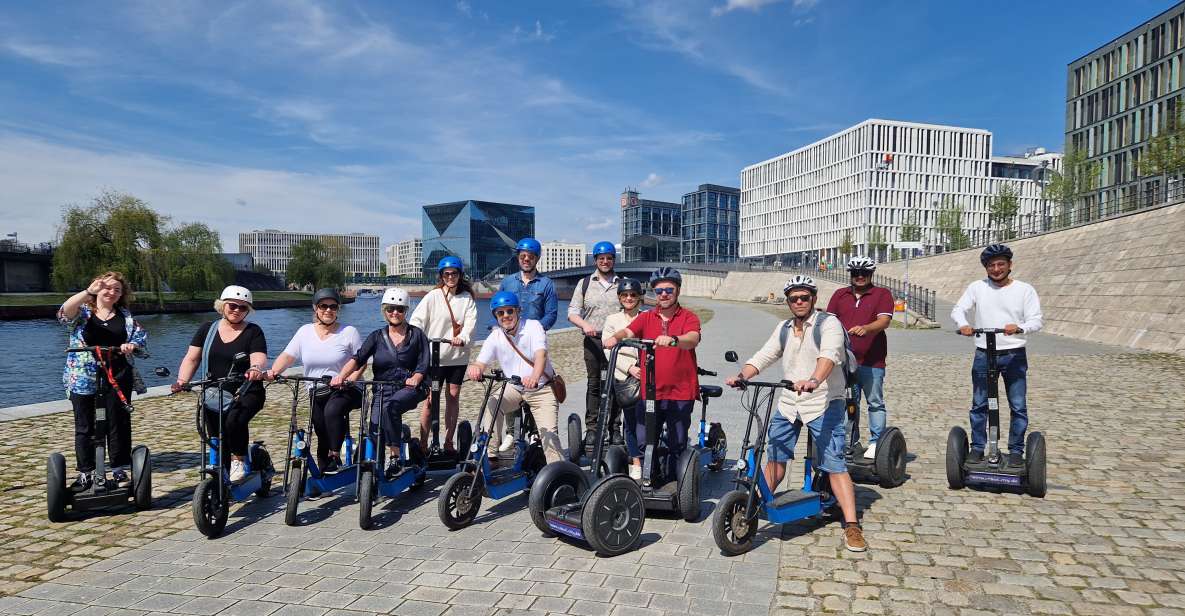
Before you race off to the famous spots, you’ll learn how to ride safely and start by getting comfortable on the Segway (and then you’re out on the e-scooter). This matters more than it sounds. Munich has plenty of areas where you’ll be sharing space with other people and vehicles, so the “practice first” approach helps you enjoy the tour instead of wrestling the controls.
The reviews back up that the instruction is practical. One guide, Nazareth, is specifically praised for first showing how to use both the seagway and e-scooters, plus giving clear explanations of the places you’d see. Another rider mentioned Anton and highlighted the upbeat atmosphere during the ride. In plain terms: you’re more likely to feel guided and confident, not left to figure it out on your own.
If you’re nervous about new tech, this is a good kind of tour to try. You’re learning while still close to the start point, then moving outward once you’ve got the basics down.
The route’s “why”: royal power meets street-level Munich
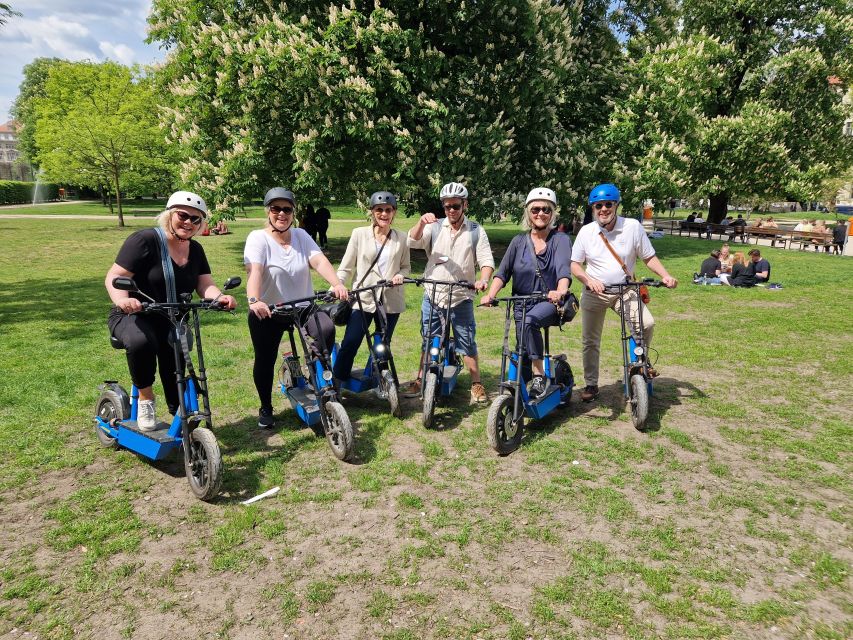
The lineup of sights is what makes this tour click. You’re not sampling random attractions. You’re bouncing between key zones that helped shape Munich’s public life—royal spaces, ceremonial squares, and cultural streets—then transitioning into the city’s most recognizable outdoor identity: the English Garden.
A big part of your learning is the contrast. Munich’s center can feel formal and monumental. Then the route sweeps you toward areas where locals relax, hang out, and play. You get both moods in one booking, which is exactly what you want if you’re short on time or simply tired of planning.
Maximilianeum and the Hofgarten: elegant, civic Munich
One of the first landmark stops on this style of route is Maximilianeum. Even without a deep dive into dates, you’ll feel the “official Munich” vibe right away. It’s the kind of building that reinforces why the city’s identity is tied to power, governance, and national importance—especially when your guide starts connecting the dots behind Bavarian history.
Then you move toward the Hofgarten. Hofgarten is one of those places where the architecture and the layout do a lot of the storytelling for you. You’re likely to notice the contrast between grand buildings and the calmer, park-like feel. That combination is part of why Munich is so easy to love: the city can be both ceremonial and livable.
What I like about including these areas on a scooter tour: you get to stay in motion while still appreciating spaces that are meant for slow walking. You’re essentially compressing an “old-world Munich stroll” into a time frame that works for real travel schedules.
Potential drawback: parks and gardens can include paths and smoother or rougher ground depending on where you go. If you’re sensitive to bumps or uneven surfaces, keep that in mind and listen to your guide’s ride advice.
Odeonsplatz and Ludwigstrasse: where the city looks like a storybook
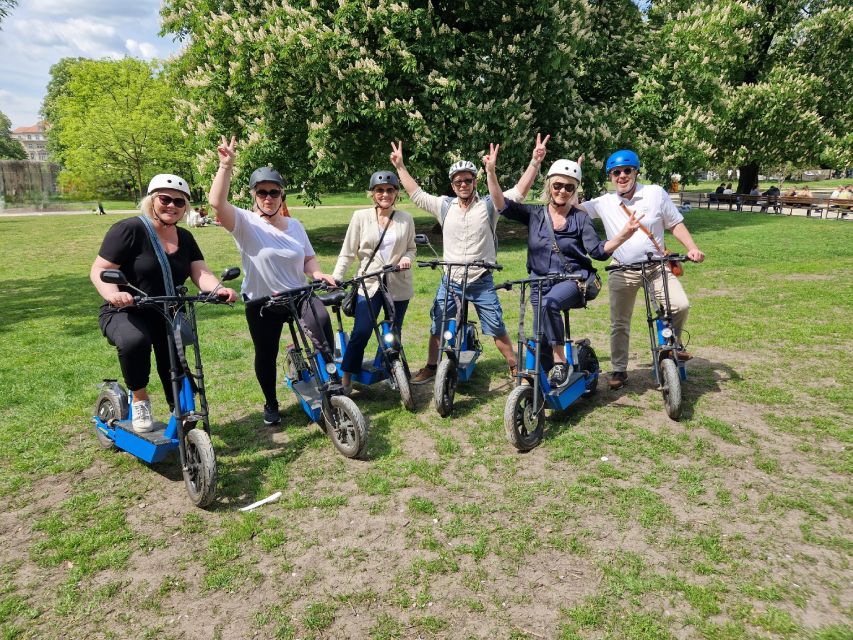
You’ll also pass through Odeonsplatz and along Ludwigstrasse, which are major “look at me” zones. These are the areas where Munich’s monumental design language becomes obvious—long sightlines, grand facades, and the kind of streets that feel built for public ceremony.
This is where the live guide really earns their pay. The commentary about Bavarian kings and historical context helps you interpret what your eyes see. Otherwise, you can end up with photos that look impressive but don’t connect to a bigger understanding. With a good guide, the buildings become evidence—clues to political change, cultural priorities, and the city’s evolving identity.
A practical tip: plan to slow down mentally at these spots. Even though you’re moving, give yourself a few seconds to look up and register proportions—towers, rooflines, and how the street shape guides your attention. That’s how you get more from the stop than just snapping pictures.
You can also read our reviews of more tours and experiences in Munich


Residenz and the Oper area: Munich’s royal and cultural core
On this tour you’ll also reach the Residenz area and the Oper zone. This is classic central Munich: power and culture in the same geographic neighborhood. The Residenz connection ties into why Munich grew into something more than a regional city. The Oper area adds a different layer—how the arts became part of the city’s prestige.
Again, the value isn’t only what you see, but how you process it. When your guide explains the historical background behind landmarks you pass—Bavarian rulers, royal ambitions, and shifts in meaning—you start noticing details you might otherwise gloss over. You’ll also feel the difference between streets built for crowds and streets designed for movement.
If you want a deeper “museum-level” understanding, you might still do a separate stop later. But for first-time orientation, this is an efficient way to understand the core before you decide where to spend more time.
Siegestor and Odeonsplatz-to-park transitions: the city in motion
Stops like Siegestor fit into the tour’s bigger purpose: showing you Munich as a connected system, not a list of isolated attractions. These landmarks help you keep orientation. When you later walk around on your own, you’ll recognize the city more quickly.
And you get to feel the transition from formal architecture to more everyday Munich energy as you move between the royal sights and the greener parts of town. That shift is the reason this tour doesn’t feel like a fast blur of buildings. It keeps changing your visual world.
Friedensengel to the English Garden: the most “Munich” moment
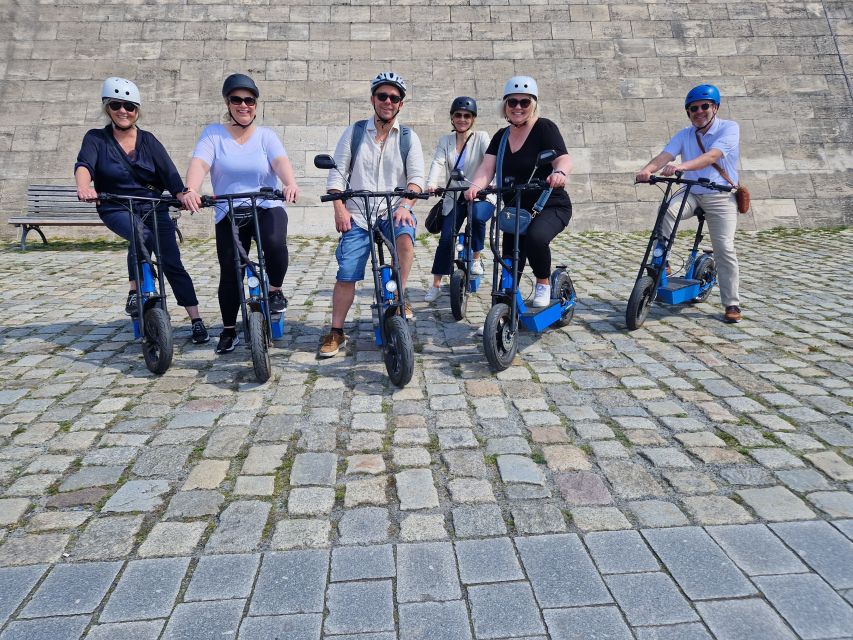
The tour’s “this is why I came” segment often lands around Friedensengel and then flows into the English Garden. This is where Munich goes from impressive to emotionally familiar. Even if you don’t know all the historical background yet, the atmosphere helps: open space, people out enjoying the day, and that distinct sense of local pride.
The inclusion of the Biergarten at the Chinesischen Turm area is a smart touch too. It reminds you that beer garden culture isn’t a side activity. It’s part of Munich’s daily life and social identity. You’re not just touring from viewpoint to viewpoint—you’re getting a sense of how residents actually use these spaces.
And then you hit the standout attraction for many visitors: the Eisbachsurfer area. Watching surfers in a city park sounds surreal until you’re there. It’s a perfect example of Munich mixing tradition with everyday creativity. The guide can help you place it in context, but even on your own, it’s the kind of scene that makes the city feel alive.
How the tour feels day-to-day: commentary, pace, and real usability
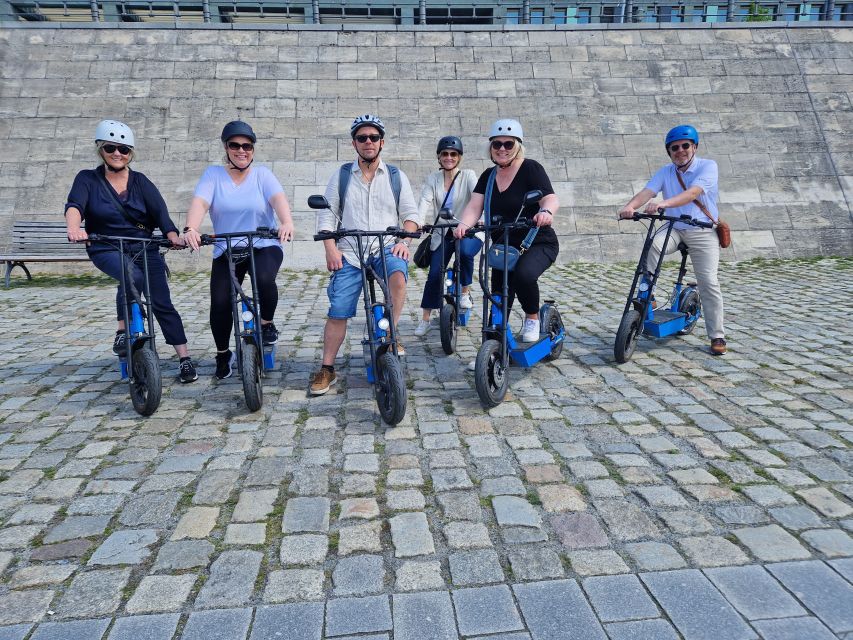
You’ll be with a guide throughout, and the tour is designed so you’re learning as you ride—not after. Two reviews in particular highlight this kind of experience:
- Anton is praised for creating a friendly atmosphere and a memorable surprise during the ride.
- Nazareth is praised for clear instruction on the vehicles and good explanations of the places you visit.
That combo—good instruction plus meaningful commentary—is what makes the difference between a “ride past sights” activity and a genuinely useful introduction to Munich.
Group size isn’t specified in the details you provided, so I can’t promise how crowded it’ll feel. Still, the duration is short enough (3 hours) that it’s usually a manageable commitment for a half-day window. If you’re on a tight schedule, this is a practical way to get the big hits without planning a dozen separate stops.
Price and value: why $94 can make sense here
At $94 per person for 3 hours, this isn’t the cheapest way to see Munich. But it also isn’t only paying for motion—you’re paying for:
- a guide with live commentary,
- time saved versus piecing together transport and walking routes,
- and the included training so you can comfortably handle the vehicle.
If you’re trying to maximize the first day in town, that value math often works out. A scooter tour with a skilled guide can replace multiple separate planning efforts. And because you’re covering major landmarks like Odeonsplatz, Hofgarten, Residenz area, and English Garden, you’re getting broad orientation—something walking-only tours often struggle to deliver in a short time.
If you’re the type who already knows the city well and just wants photos, you might decide you don’t need this. But if you want structure, context, and speed in one package, it’s a strong deal.
Who this tour suits best (and who should skip)
This tour is a good match if you:
- want a first-time Munich orientation that still includes the English Garden highlight,
- like history explained in an approachable way while moving around,
- prefer active sightseeing over slow walking,
- and want a guide-led route that covers major landmarks efficiently.
It’s not a match if you:
- are looking for a child-friendly outing (it’s not suitable for children under 14),
- are pregnant (not suitable),
- or you’d rather avoid riding a vehicle for a sustained 3-hour window.
What to watch for before you book
Since the tour includes vehicle riding and safety coaching, the biggest practical question is simple: are you comfortable learning and riding for 3 hours? If you can handle that, you’ll likely enjoy the energy of the experience.
Also, Munich’s best moments on this route include both formal landmarks and the English Garden. If you’re hoping for only one vibe—say, only palaces or only parks—this mixed route might feel broad. But if you want the full Munich personality, it fits.
Should you book this Munich e-scooter tour?
If your goal is to see major Munich highlights in a short, structured window with a guide who explains what matters, I’d book it. The combination of vehicle training, live commentary, and the route’s focus on Odeonsplatz, Hofgarten, Residenz area landmarks, and the English Garden (including Eisbachsurfer) makes this an efficient and fun way to start your trip.
I’d skip it if you need a relaxed, low-activity day, or if the ride-based format won’t work for you. But for most visitors who want maximum “Munich per hour,” this is a solid, practical choice.
FAQ
How long is the 3-H Munich e-scooter tour?
The tour lasts 3 hours.
What sights are included on the tour?
You’ll see highlights such as Maximilianeum, Hofgarten, Odeonsplatz, Residenz, the Oper area, Ludwigstrasse, Siegestor, Friedensengel, the English Garden, and the Eisbachsurfer area, plus areas around the Biergarten am Chinesischen Turm.
How much does the tour cost?
The price is $94 per person.
What’s included in the price?
The tour includes the Segway tour and a guide.
Do I need to know how to ride beforehand?
You’ll start with instruction and get comfortable during the early part of the tour, with help learning how to ride safely.
What languages are the live guides available in?
The live guide is available in German and English.
Is the tour suitable for children?
No. It is not suitable for children under 14.
Is the tour suitable for pregnant women?
No. It is not suitable for pregnant women.
Can I get a refund if plans change?
Yes. It offers free cancellation up to 24 hours in advance for a full refund.
Is there a pay-later option?
Yes. You can reserve now and pay later.
If you want, tell me your travel dates and your comfort level with scooters/Segways, and I’ll suggest whether this is the best first-day activity or a better fit for later in your trip.