REVIEW · DACHAU MEMORIAL TOURS
Full-Day Dachau Concentration Camp Memorial Site Tour from Munich
Book on Viator →Operated by InMunich Tours · Bookable on Viator
Dachau hits fast, even before the gates. This full-day tour from Munich pairs smart Dachau Memorial guided context, so you understand why the camp started and how it changed over time.
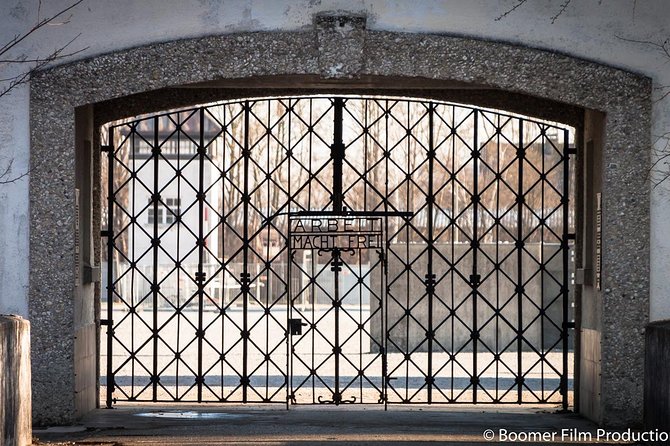
I especially like the train-and-bus route that mirrors how prisoners were moved, including a bus section that follows the forced-march path. I also like the way the guide marks the big landmarks for you—Jourhaus gateway, Appellplatz roll-call square, and even Barrack X—so you’re not just staring at stone and plaques.
One consideration: this is emotionally heavy, and the memorial site time is tightly scheduled, so if you want slow, quiet reading in every corner, you might wish you had more unstructured hours.
In This Review
- Key highlights to know before you go
- Munich to Dachau: how this tour actually works
- The Marienplatz meeting: start where it’s easy
- Bahnhof Dachau and the forced-march transfer
- The memorial site visit: what you’ll see in four focused hours
- Why the guide matters more than you think
- Food, pacing, and how to avoid the “I rushed past everything” feeling
- Weather and what to wear
- Group size, language, and who this suits best
- Price and value: why $48.98 can be a smart choice
- Should you book this Dachau tour from Munich?
- FAQ
- How long is the full-day Dachau tour from Munich?
- What’s the price per person?
- Is the tour offered in English?
- Does the tour include admission to the memorial site?
- Do they pick you up from your hotel?
- Are children allowed?
Key highlights to know before you go
- Meet at Marienplatz with the tour guide holding a white-and-blue umbrella in front of Ludwig Beck
- Round-trip train + bus from central Munich, keeping logistics simple
- A bus route tied to history: it follows the road used for forced marches from the train station area
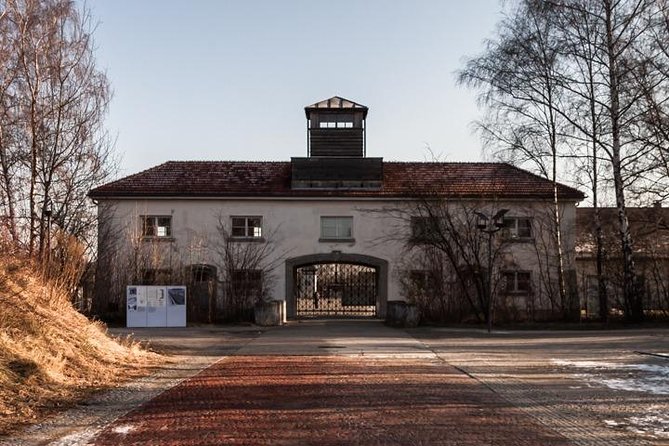
- Four hours at the memorial site to see the Jourhaus, Appellplatz, Barrack X, and more
- What you’ll learn on-site: camp purpose, SS training, prisoner categorization, and daily routine
- Small group size (max 30) which helps the guide keep everyone together
Munich to Dachau: how this tour actually works
This is a full-day trip built for one goal: getting you to Dachau with minimal hassle, then helping you make sense of what you’re seeing. You start in central Munich at Marienplatz (Marienplatz 11) outside Ludwig Beck, where the guide is easy to spot with a white-and-blue umbrella. It’s a nice touch because you’re not wandering around trying to find a random group.
The price is $48.98 per person for about 6 hours total, and you’re not on the hook for admission fees at the memorial site—tickets are included. I think that matters for value: you’re paying for guided interpretation plus round-trip shared transport, not just a bus ride that drops you off and forgets you.
Also, the tour uses a mobile ticket, and the group is capped at 30 travelers. That size is big enough for easy logistics, but small enough that the guide can keep people moving during transfers.
You can also read our reviews of more tours and experiences in Munich


The Marienplatz meeting: start where it’s easy
Your meeting point is the kind of place that makes sense even if you’re arriving from a tram or walking. Marienplatz is the central hub, and the tour begins right in that core area rather than at some remote pickup point.
The guide gives a short briefing before you head out. You’ll also want to pay attention to timing here, because your day runs on a schedule: train connections, then a bus to the site. If you’re the type who likes to be five minutes late, this is not the day to test it.
Practical tip: pack light. You can’t bring luggage on the tour and they can’t hold it, so plan for whatever you can comfortably carry. Also, the day involves walking, standing, and moving through memorial grounds with a moderate physical fitness level.
Bahnhof Dachau and the forced-march transfer
After you reach Bahnhof Dachau, the tour switches from train to bus. This part is more than just convenience. It’s meant to connect what happened to the physical geography.
The bus follows the route prisoners were forced to march, and the train station matters because many prisoners arrived there before being marched to the camp. That detail makes the transfer feel purposeful rather than purely logistical. You’re getting a “here’s what this place was used for” setup before you even enter the memorial grounds.
You’ll spend a short amount of time in this transfer phase. Don’t expect a long break. Think of it as a breather between chapters.
The memorial site visit: what you’ll see in four focused hours
Once you’re at the Dachau Concentration Camp Memorial Site, the guide leads you through the key features while explaining the story behind them. The core experience is about understanding the rise and fall of Germany’s Third Reich through one camp’s development—why it opened, who arrived first, and how the camp’s functions grew over time.
Expect a structured tour that still leaves room for you to absorb things on your own. With about four hours on-site, you’ll cover major areas without turning it into a rushed drive-by.
Here are some of the specific stops you can expect:
- Jourhaus and entrance gateway: the transition point from ordinary space into camp space
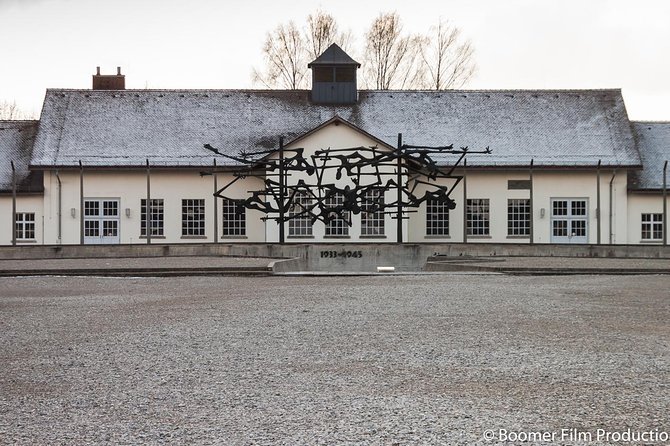
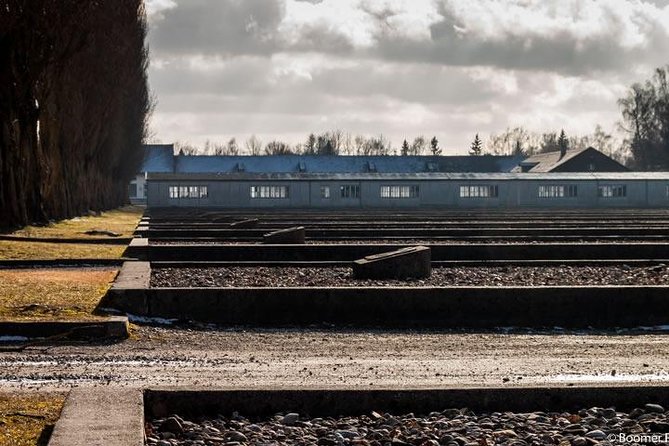
- Appellplatz (roll call square): where prisoners were assembled and counted
- Memorial Site Museum (in the former maintenance building): context that helps you understand what you’re seeing elsewhere
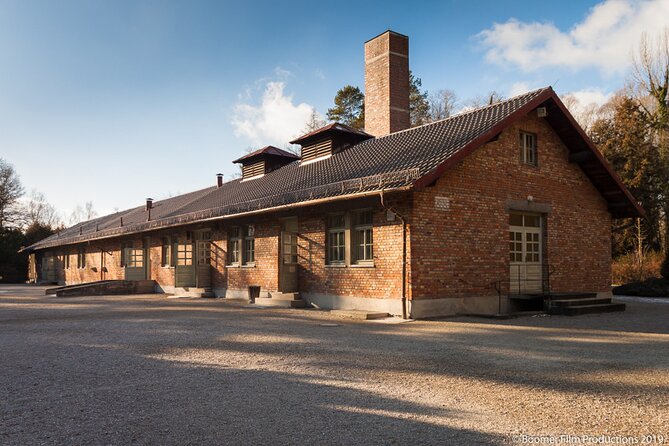
- Barracks and prisoner life: daily routine and how the system worked
- SS training facilities: what Dachau became for the regime
- Perimeter fence and guard towers: the camp as a controlled, sealed system
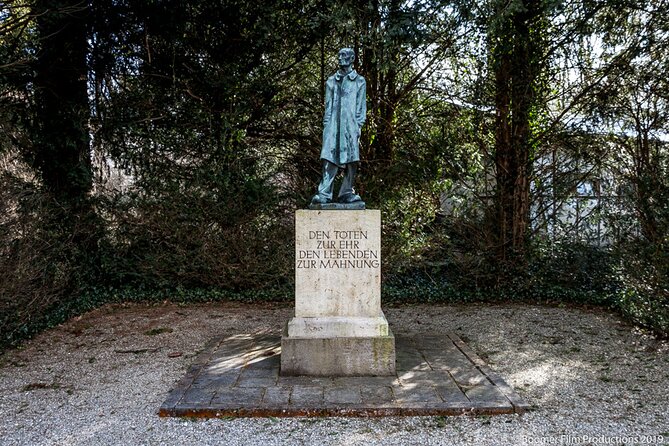
- International Memorial, religious memorials, and memorial sculpture: how remembrance is framed
- Barrack X: a particularly important area within the camp narrative
- Two crematoriums, mass graves, and the gas chamber: the grim end of the machinery
The tone is serious and respectful. This isn’t the kind of site where you want to treat it as a checklist. If you’ve ever visited museums and wanted the connections explained, that’s the main value of this guided approach.
Why the guide matters more than you think
It’s true: you can visit Dachau independently. But a guided tour changes how you read the site. The guide gives you a narrative thread—what’s happening, why it matters, and what specific features meant in daily camp life.
In particular, I like that the interpretation isn’t just about dates. It’s about systems: registration, categorization, and treatment of prisoners, plus how the camp evolved. That’s the difference between seeing locations and understanding the mechanism behind them.
Also, the guide’s job isn’t just storytelling. They keep the group moving across a large site, and they help you avoid the common trap of focusing only on the most obvious areas. Names you might hear leading groups include guides such as Aileen, Keith, Adam, Tom, Marcin, Hein, Scott, and Sam, who are all praised for handling heavy material with care and for answering questions without dodging the hard parts.




Food, pacing, and how to avoid the “I rushed past everything” feeling
Food and drinks are not included, and there are limited options near the memorial. I strongly recommend you bring a snack and a drink before you go, because hunger adds stress to an already intense day. If you rely on buying food on-site, you might end up spending your limited time searching for something that’s open.
Pacing is another big deal here. Even with four hours at the memorial, the site contains layers of information. One of the few drawbacks you’ll see in how people feel about this tour is that they want more unscheduled time—extra minutes to read every exhibit panel or revisit memorial areas without the group moving on.
So go in with a plan:
- Take the guided route first for context.
- Then use your own time to slow down at the places that hit you hardest.
And yes, wear comfortable walking shoes. You’ll be on your feet through stone paths, uneven ground, and standing time during key explanations. This is not a day for fashion footwear.
Weather and what to wear
The tour operates in all weather conditions, so dress for rain, wind, and cold as needed. Dachau doesn’t feel like a sunny postcard kind of place, even when the sky cooperates. A warm layer and a rain jacket are a sensible move.
If you tend to get distracted by cold fingers or wet sleeves, you’ll miss details. This is the rare day where comfort directly affects your ability to pay attention.
Group size, language, and who this suits best
The tour runs in English and is designed for adults 14–99. Children 14 and younger are not permitted, and the memorial site rules require proof of age if asked, so keep an ID handy.
The group is limited to max 30, which helps your experience feel controlled rather than chaotic. If you hate herd behavior, you’ll still be part of a group—but the structure is there so you don’t wander off at the wrong moment.
This tour is a strong fit for you if:
- you want guided historical context while you walk the grounds
- you’re okay with a sobering, intense experience
- you prefer public-transport logistics over renting a car
- you like learning facts with human context, not just surface-level facts
If you’re the type who wants total freedom to set your own pace at every exhibit, you might prefer a self-guided visit. But if you want clarity and direction, this setup is a good match.
Price and value: why $48.98 can be a smart choice
At $48.98, you’re paying for two things that are hard to DIY well in one day: interpretation and transport. The tour includes round-trip shared transfer from central Munich and brings you to Dachau by train plus bus, including that historically meaningful route from the station area.
Admission ticket costs are covered as well, so you’re not juggling multiple line items. For many people, the real value is the guide’s ability to explain what you’re seeing—especially the less obvious elements like registration systems, prisoner categorization, and how the camp developed.
This isn’t cheap for “just a day trip,” but it’s fair for what you get: structured time in a major memorial site, plus transport that runs on a schedule.
Should you book this Dachau tour from Munich?
If you’re deciding between doing Dachau alone versus going with a guide, I’d lean toward booking this one if you want context fast and you care about understanding the system behind the site, not just walking the ground.
Book it if:
- you want guided explanation at the major locations
- you prefer an easy train-and-bus day plan from Munich
- you can handle a heavy experience respectfully
- you’re traveling as an adult or older teen (since 14+ is required)
Skip it (or plan a different approach) if you’re likely to struggle with intense material or if you strongly need long blocks of quiet, self-paced museum reading. You can still visit on your own later, but this tour is built to fit a full narrative into a single day.
FAQ
How long is the full-day Dachau tour from Munich?
It runs for about 6 hours total, including the shared round-trip train and bus transfers, plus time at the memorial site.
What’s the price per person?
The tour costs $48.98 per person.
Is the tour offered in English?
Yes, it’s offered in English.
Does the tour include admission to the memorial site?
Yes. Admission tickets are included (listed as free/covered for the relevant parts of the tour).
Do they pick you up from your hotel?
No. There is no hotel pickup and drop-off. You meet at Marienplatz 11 in front of Ludwig Beck.
Are children allowed?
Children 14 years or younger are not permitted, based on the Dachau Memorial Site regulation. Proof of age may be requested.
If you want, tell me your travel month and whether you’re hoping for lots of quiet time vs. max historical context, and I’ll suggest the best way to structure the rest of your day in Munich around this visit.