REVIEW · NUREMBERG DAY TRIPS
From Munich: Nuremberg Day Trip by Train
Book on GetYourGuide →Operated by Radius Tours GmbH · Bookable on GetYourGuide
Nuremberg hits hard, then teaches you why. This day trip is a smart mix of medieval city sights and a fully guided look at the Nazi rally grounds, with an English-speaking guide keeping the story clear instead of chaotic. From the train ride to the walking route, it’s built for seeing a lot without you having to map every turn.
I like that you get two different Nurembergs in one day: one is fortified, gothic, and very real, and the other explains how the Third Reich staged power in public. My only real caution is comfort: the pace is brisk, with lots of walking and standing, and if the train runs full or late, it can cut into your patience fast.
In This Review
- Key things that make this day trip work
- Munich to Nuremberg by train: easy on paper, crowded in real life
- The day flow: how 9 hours gets you both old town and rally grounds
- Historic Nuremberg old town: fortifications, gothic churches, and postcard streets
- Imperial Nuremberg: why this city mattered long before the 20th century
- Nazi Party rally grounds with a guide: learning what you’re really seeing
- Guide styles that keep the story human (and the group organized)
- Timing, walking, and where lunch fits (so you don’t rush through everything)
- Price and value: what $93 includes—and what you still need to pay for
- Who this day trip suits best—and who might want a slower plan
- Should you book the Munich to Nuremberg day trip?
- FAQ
- How long is the Nuremberg day trip from Munich?
- What does the tour include?
- Is lunch included?
- Where do I meet for the tour in Munich?
- What language is the tour offered in?
- Is cancellation possible, and how far in advance?
Key things that make this day trip work
- A two-part guided route: old-town Nuremberg first, then the Nazi rally grounds with context
- English-guided storytelling you can ask questions about, with guides like Paul, Elizabeth, Achim, and Suzanne earning repeat praise
- Medieval fortifications and church stops designed for quick orientation without wasting your day
- A guided march-through of the rally grounds that explains what you’re looking at, not just where to stand
- Train-first logistics: no driving, but seating can be tight and delays can happen
Munich to Nuremberg by train: easy on paper, crowded in real life
The whole trip is built around rail, with about a 2-hour ride each way. That’s a big plus in Bavaria, because trains remove most of the stress: no parking hunt, no navigating city centers, no arguing with GPS in German.
Still, real life shows up. One review notes the train to Nuremberg was very full, which is a reminder to travel with a flexible attitude—especially in peak seasons. If you’re sensitive to cramped seats, bring something to make the ride bearable (a snack, water, and something to do for 2 hours).
Also, Germany’s rail system is usually solid, but delays and cancellations do happen. A few reviews mention trains being late or cancelled, and the guide handled it with grace. Translation: you’ll want to keep expectations reasonable and stay ready to adjust.
You can also read our reviews of more tours and experiences in Munich
The day flow: how 9 hours gets you both old town and rally grounds
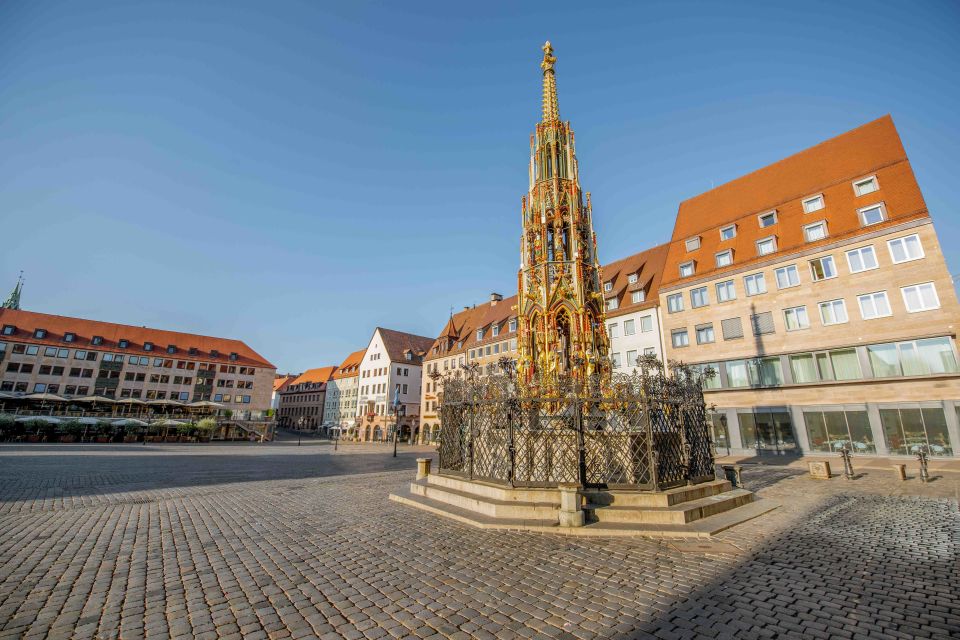
Your day is about 9 hours total. The rhythm is simple: train to Nuremberg, 4 hours of guided touring, then the return train back to Munich.
You meet at the operator’s office at Dachauer Straße 4, 80335 Munich. From there, your guide handles the timing and keeps the group together. That matters because this is one of those days where you can easily lose time if you’re on your own—Nuremberg has a lot of layers.
Lunch is not included, but you’ll still get opportunities for food breaks and snacks. One review even mentions a lunch stop with a local feel. My practical advice: eat light for the ride, then plan a proper lunch once you’re settled in town. It’s the easiest way to keep the walking day from turning into a grumpy day.
Historic Nuremberg old town: fortifications, gothic churches, and postcard streets
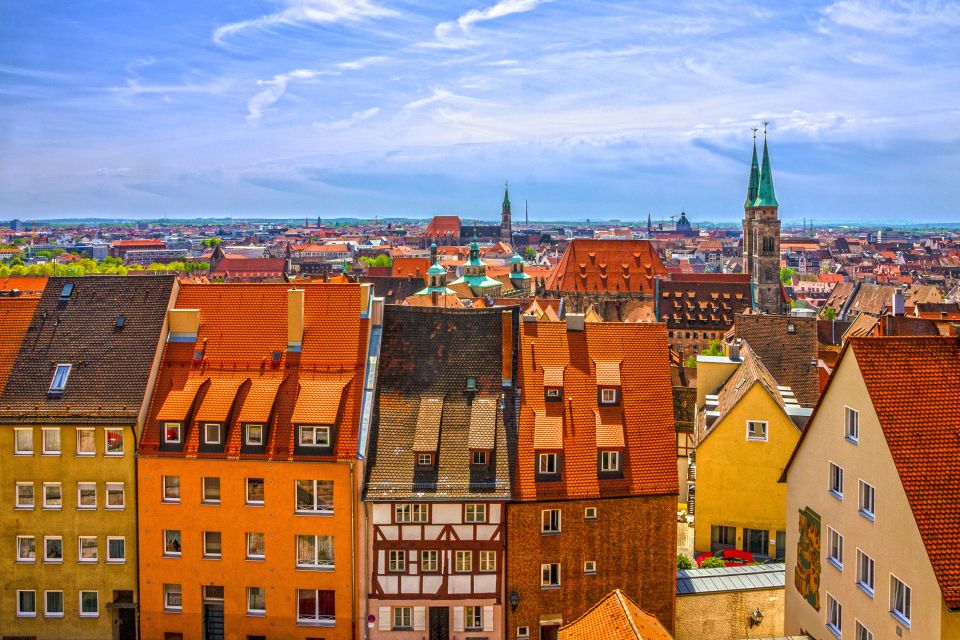
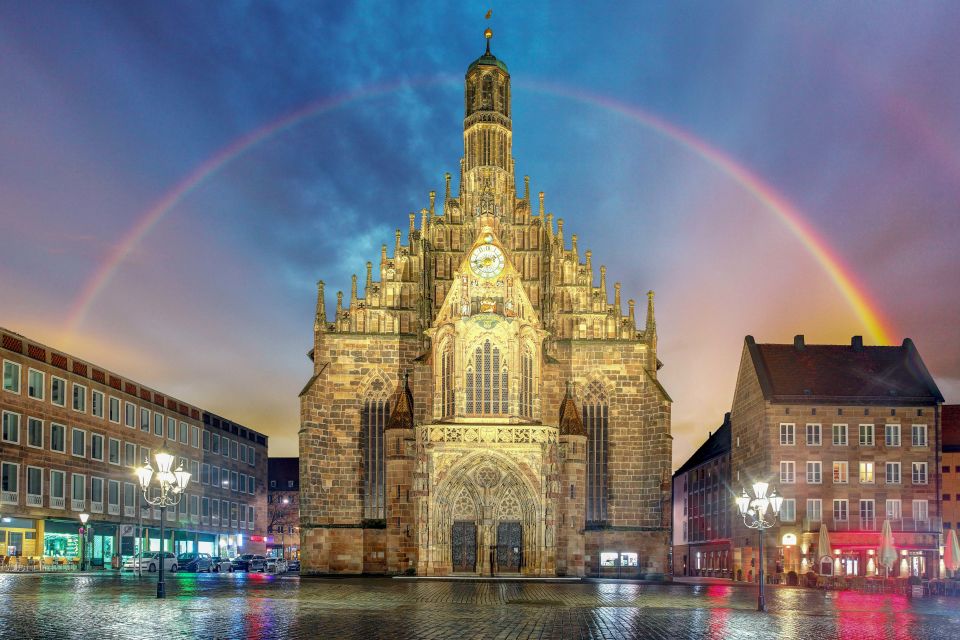
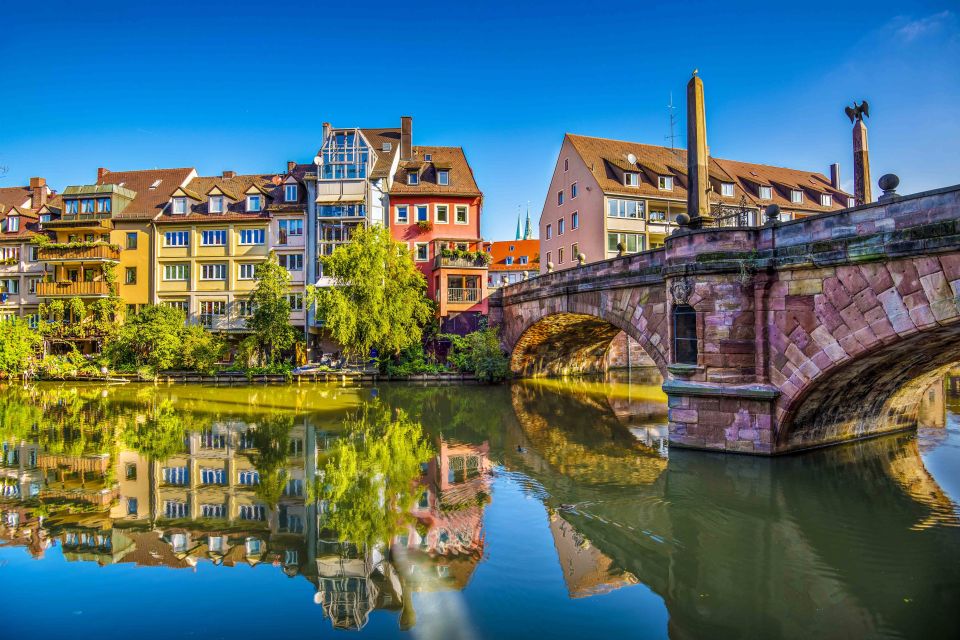
This is the part of Nuremberg you’ll remember even if you didn’t know much history going in. You’ll see the city’s massive medieval fortifications, a reminder that this place was built to defend itself long before modern borders existed.
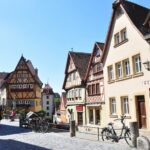
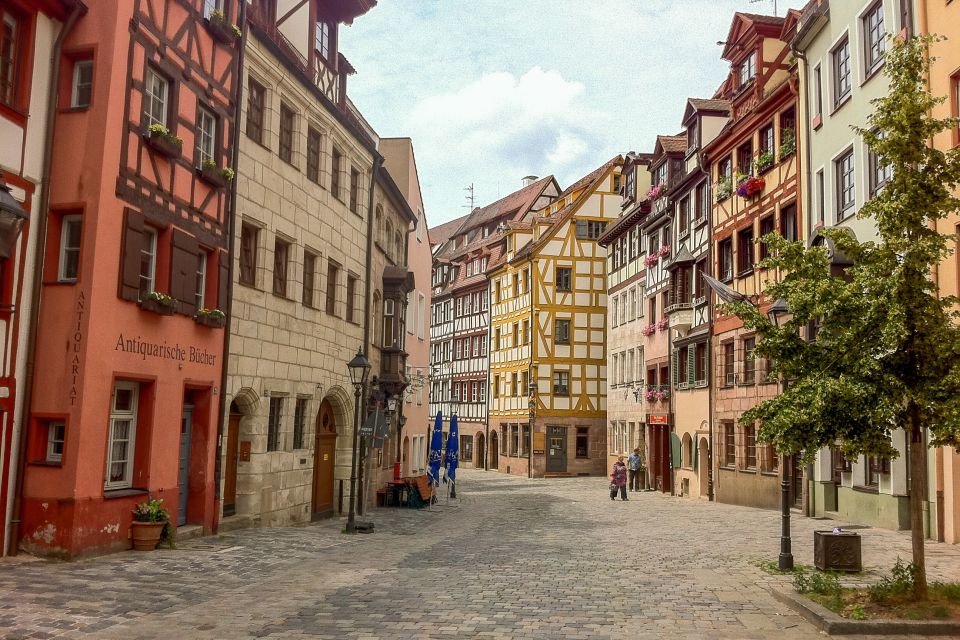
Expect a guided wander through the historic old town, with stops that highlight architecture and street life. You’ll also get gothic churches and colorful marketplaces—the kind of details you can’t reliably find by accident in a single day.
And yes, there’s a hilltop castle vibe: Nuremberg is an old imperial city, and the city’s elevation and structure make that visible. One review even described it like a medieval movie—bridges, churches, and traditional buildings working together into a coherent picture.
The drawback? You’re mostly outside and moving. If rain shows up, your feet will still get their workout. A light layer and good shoes matter more than trying to look stylish for photos.
Imperial Nuremberg: why this city mattered long before the 20th century
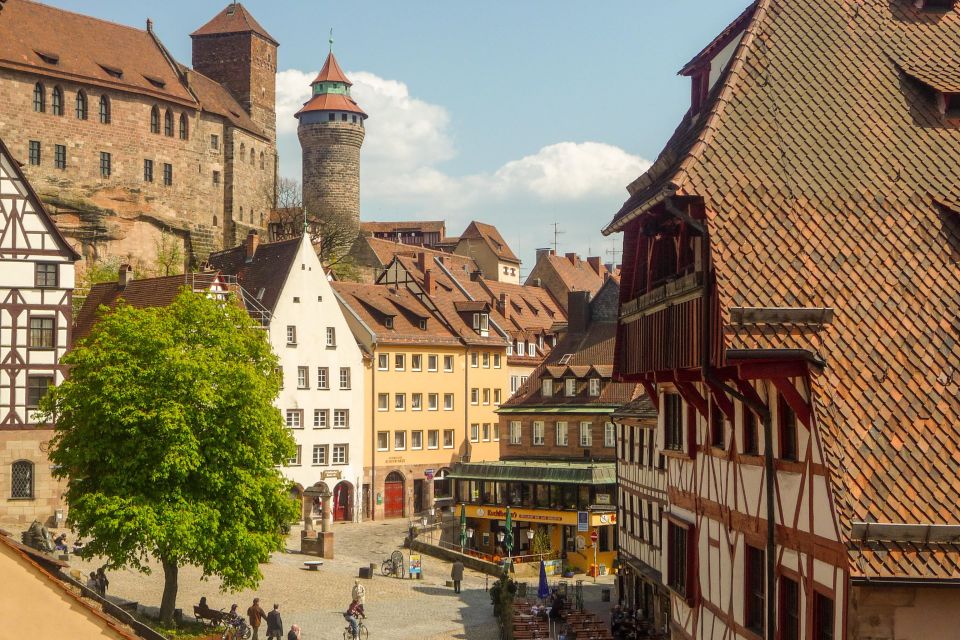
One of the best things the guide adds is perspective. Nuremberg wasn’t only a later-history headline; it was important in earlier centuries too.
You’ll learn how Nuremberg served as the unofficial capital of the First Germanic Empire, with major imperial meetings hosted here (including the Imperial Diet of the Holy Roman Empire). That explains why so much civic pride and grand building energy went into the city.
There’s also a cultural angle that helps you see Nuremberg as a living intellectual crossroads. The trip points out Nuremberg’s role at the intersection of major trade routes, plus its connections to the Reformation and to the printing and scientific revolutions that helped shape the modern world.
If you like history that’s not only dates and names, this is where the day gets more interesting. You start noticing clues in the architecture and street layout—why people invested in walls, churches, and institutions in the first place.
Nazi Party rally grounds with a guide: learning what you’re really seeing
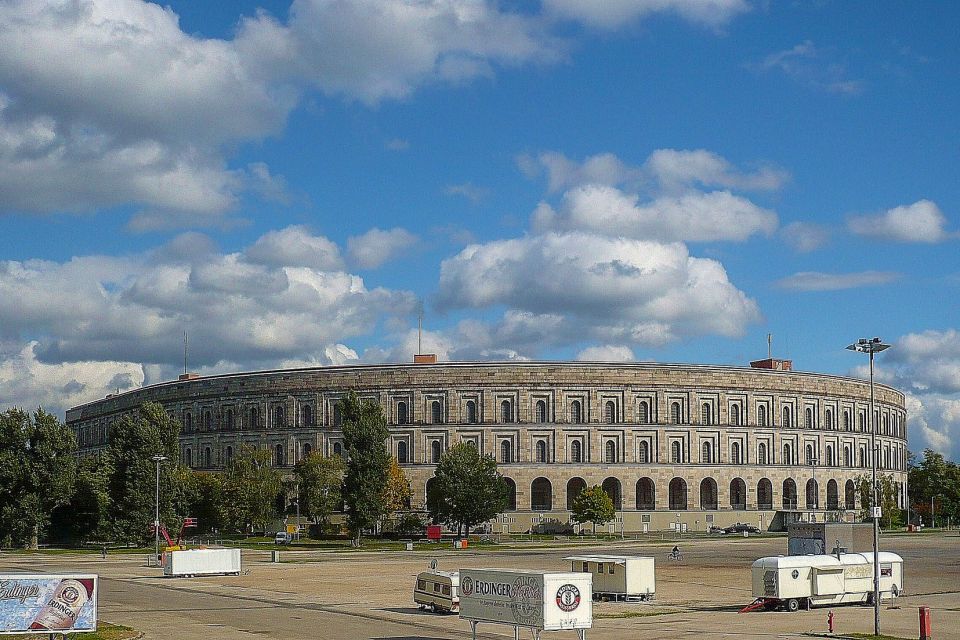
The second part of the day is heavier. The Third Reich used these spaces for grand public staging, and walking through them with a guide helps you understand the design and purpose.
What I appreciate here is the interpretive approach: your guide doesn’t just point out buildings or monuments. You get the “what it was built for” story, and also the “what happened afterward” accountability angle—years later, an international war crimes tribunal held Nazi leadership responsible.
That pairing matters. Without it, the rally grounds could turn into a cold sightseeing checklist. With a real guide, the site becomes part of a broader moral lesson about propaganda, power, and consequences.
One practical note: this portion can feel emotionally intense. If you’re someone who needs a few minutes to reset, you may want to do it quietly during transitions. The tour is structured, so don’t plan on long stops, but short breathing space is usually possible.



Guide styles that keep the story human (and the group organized)
A day trip like this lives or dies by the guide’s delivery. The good news: the experience is repeatedly praised for guides who know how to teach without making it boring.
Paul is mentioned for having local ties and for sounding genuinely proud while sharing the city. Elizabeth gets praise for being very knowledgeable, with answers that keep coming even when people ask follow-ups. Achim is highlighted with an anecdote that includes a local food recommendation—one review mentions three sausages in a bun. Suzanne also shows up as friendly and informative.
Some guides bring extra tools, too. One review describes Josh carrying around a massive amount of photo/reference material—about 60 pounds—and using it to make history click.
There’s one caution from reviews: in at least one case, it was hard to hear because the guide stood with their back to part of the group. That’s not your control, but it’s why it helps to stand closer when possible, and position yourself so you can see and hear without craning.
Timing, walking, and where lunch fits (so you don’t rush through everything)
This trip is built for efficiency, which means you’ll spend plenty of time walking and standing. One review mentions there’s very little personal time, and another notes toilet options are limited. That’s important.
So, plan your liquids and timing. Don’t chug water right before long stretches, and use restroom breaks when you get them rather than waiting for the next obvious moment. If you hate waiting, you’ll appreciate doing small steps early rather than late.
Lunch isn’t included, but you’ll likely get a chance to eat. Some guides also offer suggestions for snacks along the way. My advice: don’t assume you’ll find a perfect meal at the exact moment hunger hits. Bring a backup snack (bars are boring but reliable).
Weather matters more than you’d think. In cold or rainy conditions, every outdoor minute feels longer. Bring a small umbrella if you’re traveling seasonally when storms are common, and keep a hat or hood handy.
Price and value: what $93 includes—and what you still need to pay for
At about $93 per person, you’re paying for more than just a train ticket. You’re also getting an English-speaking guide and a fully guided tour that covers both the historic city center and the Nazi Party rally grounds.
That’s usually the value sweet spot if you’re short on time and you want someone to translate the meaning of what you’re seeing. Nuremberg can be visited independently, sure—but a guide helps you avoid the common trap: walking past important places without understanding why they mattered.
What’s not included is lunch, plus there’s no hotel pickup/drop-off listed. So you’ll need to get yourself to the meeting point at Dachauer Straße 4, and you’ll want a budget for food.
Also, remember the biggest hidden cost here isn’t money. It’s energy. If you’re not comfortable walking for a large chunk of the day, you might feel like you’re “buying” a lot of effort. If you’re up for it, you’ll get a full day’s worth of sights and a lot of context.
Who this day trip suits best—and who might want a slower plan
This tour fits you if you want a structured, time-efficient Nuremberg with a guide to connect the dots. It’s also a strong choice if you’re traveling from Munich and don’t want to coordinate trains, meetups, and routing on your own.
You’ll probably enjoy it even more if you care about both eras: medieval imperial power in the morning and the brutal 20th-century history in the second half. The contrast is part of what makes Nuremberg so memorable.
If you need long breaks, lots of free time, or lots of restroom access, you may find the pace challenging. If you’re hoping to spend hours in museums or want a very deep stop at every major site, this schedule may feel tight—some people even express wishes for additional stops beyond what fits in a day.
Should you book the Munich to Nuremberg day trip?
If you want a guided, meaningful day out of Munich and you’re okay with walking and standing, I think this is an excellent use of time. The value is strongest because the tour is two-sided: medieval Nuremberg plus the rally grounds, explained in English by guides who have real skill at making the story understandable.
I’d only hesitate if you’re very sensitive to crowds and delays, or if you need lots of flexible downtime. Otherwise, this is one of those days where you leave with clear memories: streets and stone in the morning, and hard historical understanding by the afternoon.
FAQ
How long is the Nuremberg day trip from Munich?
The total duration is 9 hours, with train time of about 2 hours each way and a guided tour time in Nuremberg.
What does the tour include?
It includes an English-speaking guide, a fully guided tour of the historic city center and the Nazi Party rally grounds, and train transport from Munich to Nuremberg and back.
Is lunch included?
No, lunch is not included.
Where do I meet for the tour in Munich?
Meet at the local operator’s office at Dachauer Straße 4, 80335 Munich.
What language is the tour offered in?
The live tour guide provides the tour in English.
Is cancellation possible, and how far in advance?
You can cancel up to 24 hours in advance for a full refund.