REVIEW · BEER HALL & BREWERY TOURS
Munich: Guided Food Walking Tour with Beer Tasting
Book on GetYourGuide →Operated by Weis(s)er Stadtvogel GmbH · Bookable on GetYourGuide
Munich food tastes different when someone points out what matters. This guided Old Town walking tour turns beer tasting and traditional bites into a short, well-paced mission: you learn what you’re eating, then you actually eat it. I especially like the moderated beer tasting and the hands-on look at how Munich schmaltz pastries are made. The main drawback to plan around is that this isn’t wheelchair-friendly.
You also get more than just food. The route threads in the Old Town setting around Isartor and the medieval leftovers you pass on the way, so the tastings land in context instead of feeling random. You’ll finish hungry-proofed, since the tour is built around multiple tastings, not a single sample stop.
In This Review
- Key things you’ll notice on this Munich food-and-beer walk
- Starting at Isartor and that first cosmobiodynamic welcome drink
- Beer tasting like a sommelier: three pours and pretzels
- Obazda, pretzels, and veal sausage: the classic Munich trio
- Old Town bread from the last mill: why it’s more than a side
- Viktualienmarkt walk-through: medieval walls and market butchers
- Leberkäse roll and vegan help for vegetarians
- Schmalznudel at Café Frischhut: watching dough turn into dairy dumplings
- Timing, walking pace, and how not to overthink it
- Price and value: $672 per group up to 5, for real tastings
- Who should book this Munich tour (and who should skip it)
- Should you book this tour or not?
- FAQ
- Where does the tour start?
- How long is the Munich guided food walking tour with beer tasting?
- What beer tasting is included?
- What traditional foods will I try?
- Will there be pastry-making to watch?
- Is there a vegetarian option?
- What languages is the live guide available in?
- What’s the price and group size?
- Is the tour wheelchair-friendly?
Key things you’ll notice on this Munich food-and-beer walk

- Isartor welcome drink (refreshing or warming, depending on season)
- Pfennigmuggerl from Hofkunstmühle, a very local Bavarian specialty
- Beer tasting that’s moderated (3 × 0.1l) with pretzels
- Obazda plus pretzels and veal sausage for classic Munich flavor
- Viktualienmarkt focus, including medieval wall remains you can spot
- Live pastry making for Auszog´ne / Strizerl / Schmalznudel at Café Frischhut
Starting at Isartor and that first cosmobiodynamic welcome drink
The tour starts at Munich Isartor, right under the arch. It’s a good meeting point because it’s central and easy to orient around, and you begin in the part of town where walking feels natural.
Before you eat your way through Old Town, you get a cosmobiodynamic welcome drink. It’s described as refreshing or warming based on the season, so the first stop feels sensible rather than gimmicky. I like tours that manage the comfort factor early—two hours goes fast when you’re not already cold or wiped out.
You’ll also get your “what are we doing and why” framing right away. From the start, the tour treats beer and bakery items like part of the local culture, not just snack items.
You can also read our reviews of more walking tours in Munich
Beer tasting like a sommelier: three pours and pretzels
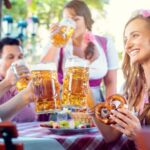
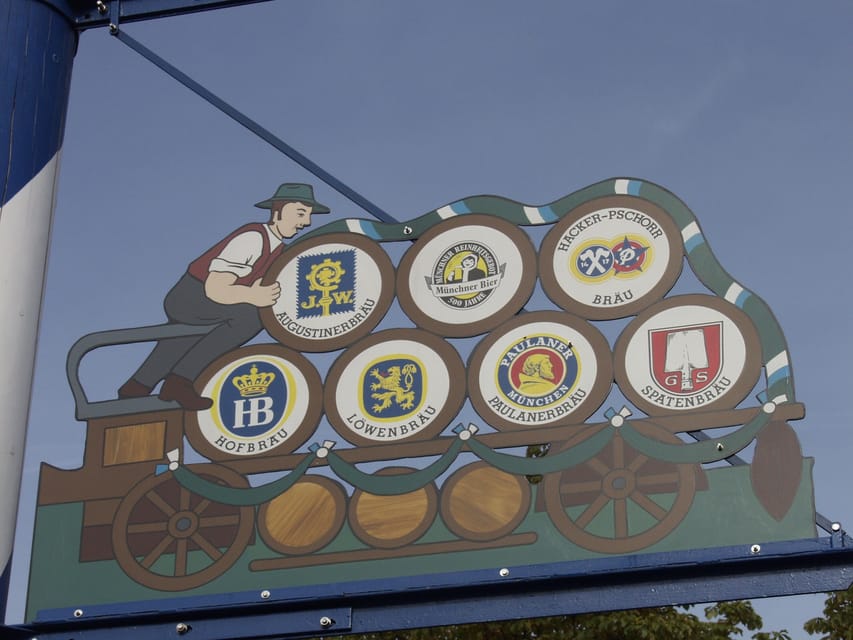
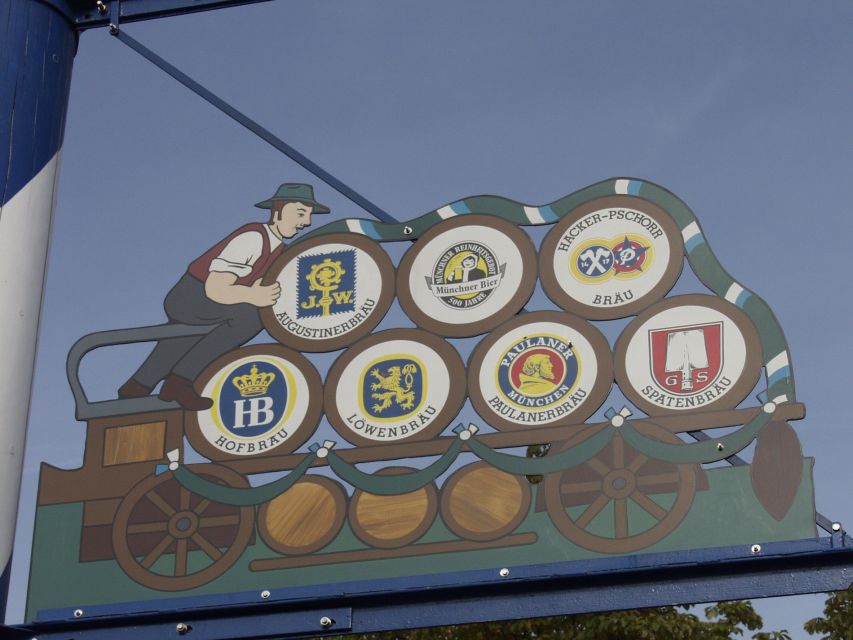
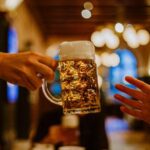
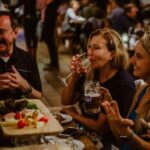
The beer tasting is moderated, and that matters more than it sounds. Instead of handing you a sample and moving on, you’ll get a guided experience that helps you notice differences in flavor and style. The tasting is 3 × 0.1l, so you can sample without feeling like you’re stuck in one long beer session.
You’ll also get crispy pretzels as part of the tasting. That’s practical: pretzels help reset your palate between sips, and they’re part of Munich’s everyday beer-time rhythm.
If you like beer but don’t want to pretend you’re an expert, this format is a sweet spot. You get enough structure to make your choices feel informed, and then you get to enjoy the taste instead of studying labels.
Obazda, pretzels, and veal sausage: the classic Munich trio
One of the biggest reasons this tour works is how it anchors you in core Munich flavors. You’ll try traditional items like Obadzda (the classic Bavarian cheese spread), pretzels, and veal sausage.
Obazda is one of those foods that can feel intimidating if you’ve only seen photos. Here, it’s served as a tour-stop centerpiece, so you can focus on how it’s meant to be eaten—rich, savory, and meant for beer pairing.
And the tour doesn’t stop at “one heavy bite.” You’ll keep moving through the Old Town food lineup, so each stop feels like a step forward, not a repeat.
Old Town bread from the last mill: why it’s more than a side
Bread is a quiet hero in Munich’s food culture, and this tour uses it in a smart way. You’ll get bread specialties connected to the last mill of Munich’s old town.
Even if you don’t know milling history, the point is clear while you’re eating: fresh bread changes everything. It gives you something substantial between tastings, and it helps balance the saltiness you’re likely to hit with cheese and sausages.
This is also one of those stops that’s easy to overlook on your own. On a guided walk, you get the “where it comes from” and “why it matters” in the time you already have.
Viktualienmarkt walk-through: medieval walls and market butchers
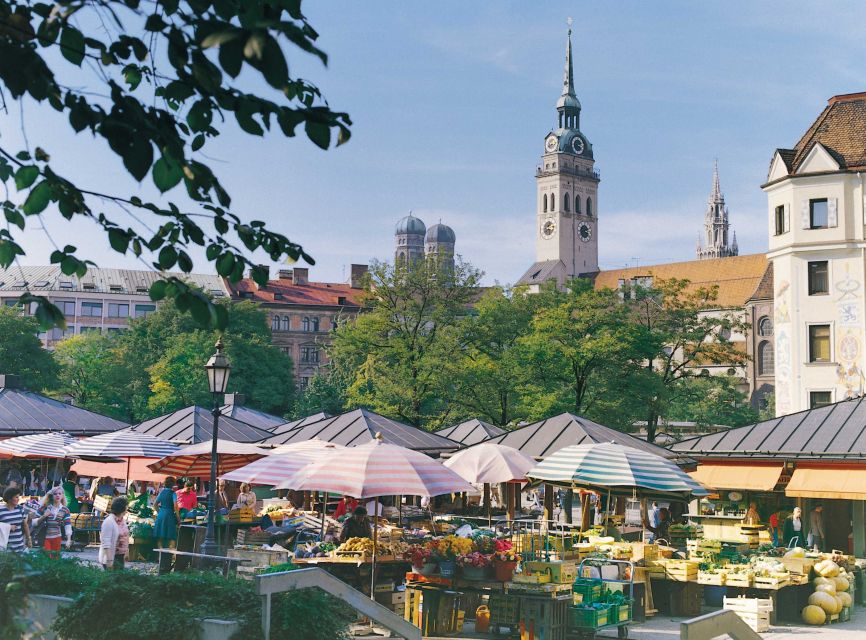
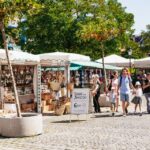
When the tour reaches the Viktualienmarkt, it becomes more than a food stop. You’ll learn about towers and remains of Middle Ages walls along the route, so the Old Town setting connects directly to what’s happening in the market.
At the market, you’ll also get a special treat offered by the market butchers. The exact item is described as a market-butchers stop highlight, and it’s placed right where you’d expect local food culture to show itself.
I like this sequencing: you get a sense of place first, then you eat. It’s a better memory hook than random sampling, and it makes the market feel alive rather than like a backdrop.
You can also read our reviews of more food & drink experiences in Munich
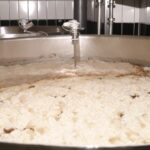
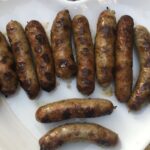
Leberkäse roll and vegan help for vegetarians
Next comes another Munich staple: Leberkäse roll from Metzgerzeile. This is a hearty, ready-to-go local classic—salty, filling, and perfect when you’re walking.
What I appreciate for your planning: the tour notes a vegetarian option with a vegan Leberkäse roll. That means you’re not stuck with generic bread-and-cheese substitutions. If you eat vegetarian, it helps you stay in the flow of the menu.
This stop also keeps the tour grounded in “real Munich food.” It’s not trying to be fancy; it’s trying to be true, and the roll format makes it easy to keep tasting as the walk continues.
Schmalznudel at Café Frischhut: watching dough turn into dairy dumplings
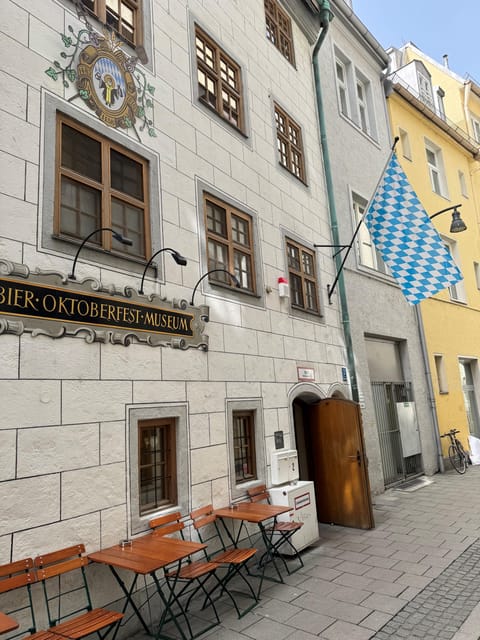
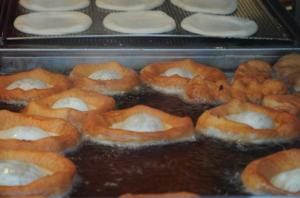
The final stretch is all about Schmalznudel—served freshly baked and linked to Café Frischhut. You’ll get the chance to watch how the pastries are made, including Auszog´ne, Strizerl, or Schmalznudeln (the tour offers these as options in the pastry-making segment).
This is one of the most satisfying parts of a food tour because it turns “what you ate” into “how it became food.” Dough work takes time, and seeing it done live adds texture to the experience—you notice the difference between a pastry you ate and a pastry someone made.
Schmalznudel is described as dairy dumplings, and that description is useful because it frames what you’re expecting: comforting and rich, not delicate.
If you’re the type who likes to understand craft, this is the portion you’ll remember most.
Timing, walking pace, and how not to overthink it
The tour runs for 2 hours. That’s long enough to cover several tastings and a pastry-making look, but short enough to keep the energy up—especially if you schedule it before dinner rather than after a full day of sightseeing.
It’s also set up so you can avoid the common mistake: arriving hungry like it’s only one small stop. The experience is built around multiple tastings, and the overall goal is to leave you pleasantly full rather than just snacky.
One more planning point: the tour is not suitable for wheelchair users. If mobility is a concern, you’ll want to choose a different format or check with the operator before booking.
Price and value: $672 per group up to 5, for real tastings
This is where the value question becomes interesting. The price is $672 per group up to 5, so you’re not paying per person the way some “walk and sample” tours do. For a small group—friends, couples, or even a family that travels light—this can make the cost feel fair, because your guide and tastings are shared across your group.
You’re getting:
- An expert local guide
- A generous culinary tasting
- Different Munich beers (including the 3 × 0.1l moderated tasting)
- Multiple traditional food stops plus freshly baked pastry you watch being made
So you’re paying for guided coordination and access to specific food counters and kitchens, not just random samples on the street. If you’re comparing to buying snacks one by one, you’re also saving time—time is money in Munich Old Town, and this route is designed to keep you moving without feeling rushed.
If you’re traveling solo, you may feel the cost more. In that case, it helps to compare it against the price of a private group tasting elsewhere, because this one stacks beer, market stops, and pastry-making into one compact window.
Who should book this Munich tour (and who should skip it)
Book this if you want a guided food walk that’s built around Munich classics and a real beer tasting, not just a list of things to eat. It’s a solid match for people who:
- Like beer pairing and want a short, guided tasting
- Enjoy traditional Bavarian comfort foods like Obazda, pretzels, and Leberkäse
- Want pastry-making as part of the fun, not just eating dessert at the end
Skip it if you want a light stroll or if you hate rich foods. This tour is designed for “feed me” energy. Even with good pacing, you’ll be eating multiple items over two hours.
Also, if you need step-free access, remember it’s not suitable for wheelchair users.
Should you book this tour or not?
If you’re deciding between wandering on your own and taking a guided route, I’d lean toward booking—especially if it’s for a small group. The best reason is that the tour ties food + beer + Old Town context together: you start at Isartor, hit the Viktualienmarkt area, and end with fresh pastry-making at Café Frischhut.
The only reason to hesitate is cost if you’re solo, plus the fact that the experience is not wheelchair-friendly. If those two points fit your situation, this is an efficient way to get deep into Munich flavors without spending the whole trip figuring out what to order.
FAQ
Where does the tour start?
You meet at Munich Isartor, under the arch.
How long is the Munich guided food walking tour with beer tasting?
The tour lasts 2 hours.
What beer tasting is included?
You get a moderated beer tasting with 3 × 0.1l beer samples, along with crispy pretzels.
What traditional foods will I try?
The tour includes Munich staples such as Obadzda, pretzels, veal sausage, Leberkäse roll (with a vegan option for vegetarians), and freshly baked Schmalznudel (dairy dumplings).
Will there be pastry-making to watch?
Yes. You’ll see typical Munich schmaltz pastries being made, including Auszog´ne, Strizerl, or Schmalznudeln, and then enjoy what you helped get made.
Is there a vegetarian option?
Yes. For Leberkäse roll, the tour lists a vegan Leberkäse roll option for vegetarians.
What languages is the live guide available in?
The guide offers German and English.
What’s the price and group size?
It’s $672 per group up to 5 people.
Is the tour wheelchair-friendly?
No, it’s listed as not suitable for wheelchair users.