REVIEW · DACHAU
Dachau Memorial Public Tour
Book on GetYourGuide →Operated by Travmonde OÜ · Bookable on GetYourGuide
Camp history hits hard, but it teaches. The Dachau Memorial Public Tour runs about 5 hours and uses an English live guide to explain how the Nazis turned a camp opened in 1933 into a machine for terror.
I like that the tour doesn’t stay at the level of dates and names. You get daily camp life in focus, with the roles of guards and prisoners, and you also hear about Roma prisoners and medical experiments carried out on helpless prisoners.
One drawback to plan around: meeting-time and guide instructions need extra attention. The meeting is at the Fish Fountain by Marienplatz in Munich, so I’d confirm your exact starting point and timing before you go.
In This Review
- Key highlights you’ll actually care about
- Dachau in one lesson: from political prison to forced labor system
- Your 5-hour visit: what the schedule feels like in real time
- Getting oriented: the value of a local professional guide
- Daily camp life: guards, prisoners, and how routine becomes control
- The medical experiments topic: why the tour’s focus matters
- Roma victims and survivor stories: keeping the human thread
- Price and value: what $126 buys in a guided memorial visit
- Who this tour fits best (and who may prefer a different approach)
- Practical tips for a respectful, low-stress day
- So, should you book? My decision rule
- FAQ
- Where does the Dachau Memorial Public Tour meet?
- How long is the tour?
- Is the tour offered in English?
- What’s included in the tour price?
- Is food included?
- How much does the tour cost?
- Can I cancel for a full refund?
- Is there an option to reserve without paying right away?
Key highlights you’ll actually care about
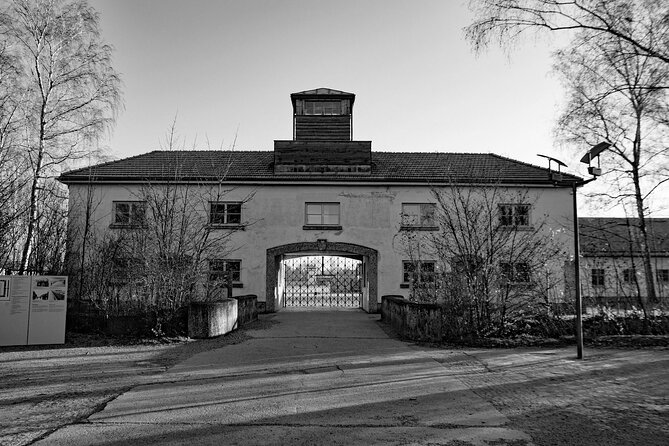
- First-camp context (1933): Dachau is framed as the Nazis’ first concentration camp, starting with political prisoners and later expanding into forced labor.
- Scale and scope: The tour places the camp’s size in perspective, with more than 200,000 inmates during its operation and around 40,000 deaths from 34 nations.
- Daily life explained: You’ll learn how camp routines worked—guards, prisoners, and the chilling order of the place.
- Medical experiments covered: The tour addresses gruesome experiments conducted on helpless prisoners, with a focus on what the cruelty meant.
- Roma remembrance included: Roma victims are specifically brought into the story, not treated as an afterthought.
- Survivor perspective: You’ll hear survivor accounts that shift the focus from systems to human survival.
Dachau in one lesson: from political prison to forced labor system
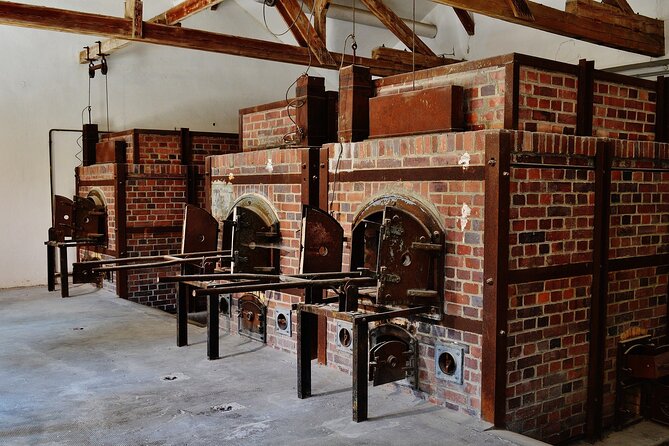
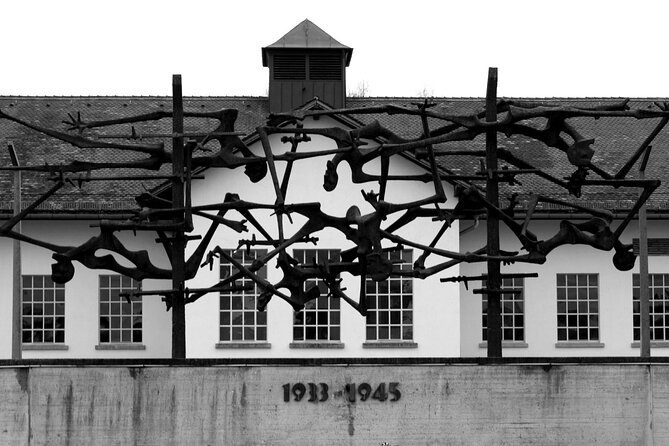
Dachau Memorial is not a place for casual sightseeing. The tour frames Dachau as the Nazis’ first concentration camp opened in 1933 in Germany, originally meant for political prisoners. Over time, it grew into a forced labor camp that held more than 200,000 inmates across about 12 years.
What I appreciate is that the tour treats this as a system, not just a single event. You learn how brutality was organized, sustained, and normalized—then you get the moment of liberation in 1945 by the American army. That structure helps you understand how something so horrific could keep running for years.
The tour also uses the term Academy of Terror to describe Dachau’s role as a training ground for brutality. If you want a clear takeaway, this framing is it: the camp wasn’t only a site of suffering; it was used to teach and replicate repression.
You can also read our reviews of more tours and experiences in Dachau.

Your 5-hour visit: what the schedule feels like in real time
This is a 5-hour public guided tour in English, operated by Travmonde OÜ. You’ll start at the Fish Fountain at Marienplatz (Marienplatz 8, 80331 München), and then you’ll spend the bulk of the time on the memorial site itself.
Because it’s a public tour, you’re sharing the experience with other people and moving at the group pace. That can be a good thing here: you’re guided through heavy material with a professional structure, instead of wandering and guessing. The downside is simple—if you’re the type who needs extra pause time between topics, you may feel rushed.
Also note that the tour doesn’t include food and beverage. In practice, that means you should plan for at least one break where you’re thinking about hydration and snacks, so you can stay present for the emotional weight of the content.
Getting oriented: the value of a local professional guide
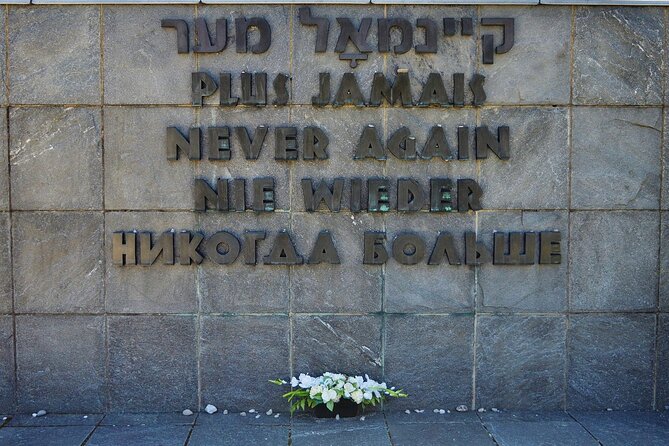
The tour includes a local professional guide and a ticket for public transport. That matters more than it sounds. Dachau is a memorial site where the explanations can help you avoid the common mistake of seeing only the most visible, and missing the bigger context behind what you’re standing near.
An English live guide is also a practical win. You’re not relying on plaques alone, and you’re not trying to piece together meaning while your attention is split between reading and absorbing. A guided format is often the difference between visiting a site and actually understanding it.
In my mind, the best guides here do two things at once: they explain the machinery of oppression, and they keep the focus on the people who suffered. Based on the tour’s emphasis—daily camp dynamics, medical experiments, Roma victims, and survivor stories—that’s exactly the approach this one signals.
Daily camp life: guards, prisoners, and how routine becomes control
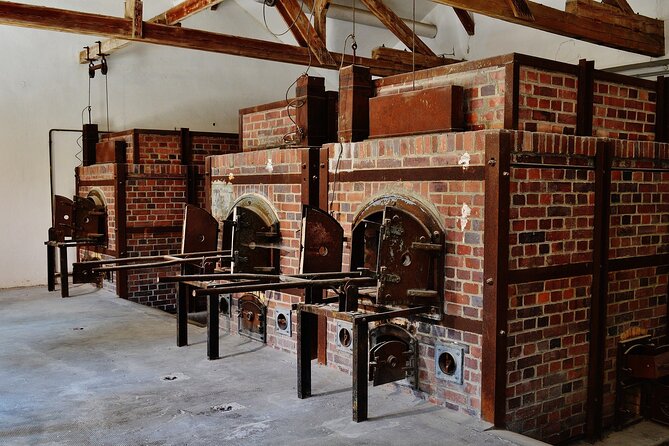
One of the strongest promises of the tour is that it shows you the chilling camp dynamics—not in vague terms, but through the daily life inside the camp. The tour highlights how guards and prisoners interacted, and how routines shaped the prisoners’ reality.
That part is important because concentration camps weren’t only chaos and violence. They were systems: rules, surveillance, forced labor, and a constant pressure meant to break people. When a guide explains daily patterns, you can better grasp how victims were deprived of normal time, normal choices, and normal human dignity.
You also learn how Dachau developed from an initial purpose for political prisoners into a broader forced labor system. That change helps you see how ideology and economics blended inside the camp.
If you’re visiting with someone who wants only the highlights, this is where you’ll want to slow down. Daily life explanations can feel unsettling, but they’re also what make the memorial’s lessons stick.
The medical experiments topic: why the tour’s focus matters
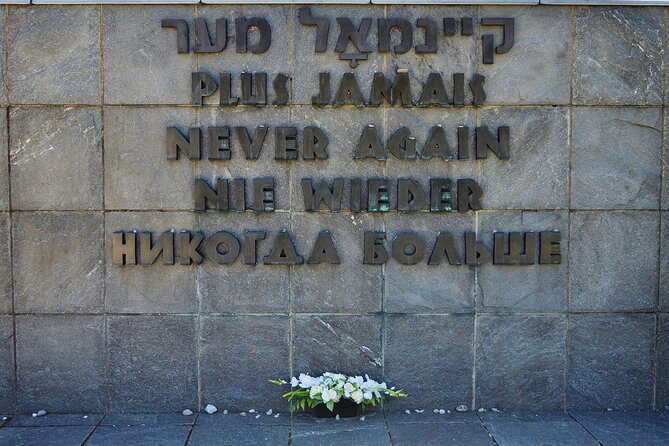
The tour includes a section on medical experiments carried out on helpless prisoners. This is the kind of subject where context can help you understand what you’re seeing and hearing.
What I like about including this topic as a core component is that it prevents the narrative from becoming one-dimensional. Concentration camp cruelty was not limited to forced labor or confinement. The inclusion of medical experimentation reminds you that people were treated as objects—targets for harm—under a false banner of science.
A helpful note for how to handle this as a visitor: let the guide’s framing do the heavy lifting. Don’t try to speed through it mentally. The material is described as gruesome for a reason, and the memorial’s intent is to keep you aware of what that cruelty was.
Roma victims and survivor stories: keeping the human thread
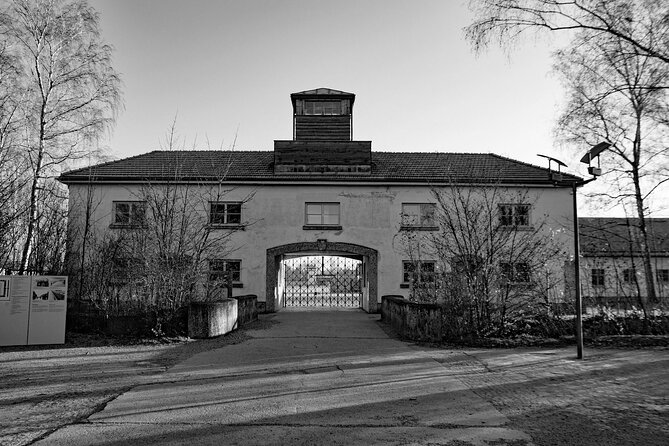
Some history tours focus on a handful of well-known victim groups and gloss over others. This one explicitly brings in the dreadful fate of Roma prisoners, which is a meaningful part of the overall education.
That inclusion matters because it broadens your understanding of who was targeted and how. It also helps prevent the story from being shaped only by what is most familiar in popular culture.
Then there are survivor tales. The tour highlights stories from survivors, and that shift—from systems to individual endurance—changes how the visit lands. It’s one thing to hear numbers, and another to understand survival as lived experience.
If you find yourself getting overwhelmed, that’s normal here. In my view, the right response is not to shut down, but to let the survivor perspective reset what you’re learning: you’re not just studying terror; you’re witnessing resilience in the face of it.
Price and value: what $126 buys in a guided memorial visit
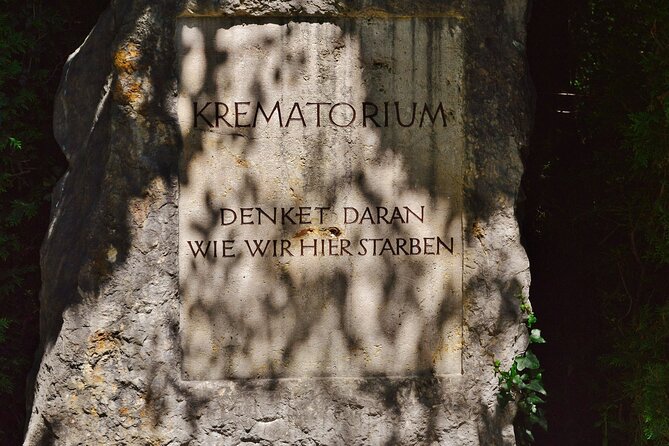
At $126 per person for a 5-hour public guided tour, the price sits in the mid-to-higher range for Munich day options. So the real question is whether it’s value for your time and energy.
Here’s what you’re paying for that’s not just “entry to a place”:
- A local professional guide in English
- A public transport ticket
- The tour format itself, which bundles heavy context into a timed visit
- An online payment processing fee (included in the listed price)
You’re not getting food and beverage, and you shouldn’t expect a relaxing outing. But when you compare cost to what’s included—especially the guide and transit support—the structure is designed to reduce guesswork. That can be worth it on a memorial visit where direction and explanation help you stay accurate and respectful.
Still, there’s one value-risk to acknowledge: if your meeting details aren’t clear, you can lose time and feel stuck. I’d treat your confirmation info like something you need ready at hand—screenshot it, check the meeting point location, and plan to arrive early enough to settle your nerves.
Who this tour fits best (and who may prefer a different approach)
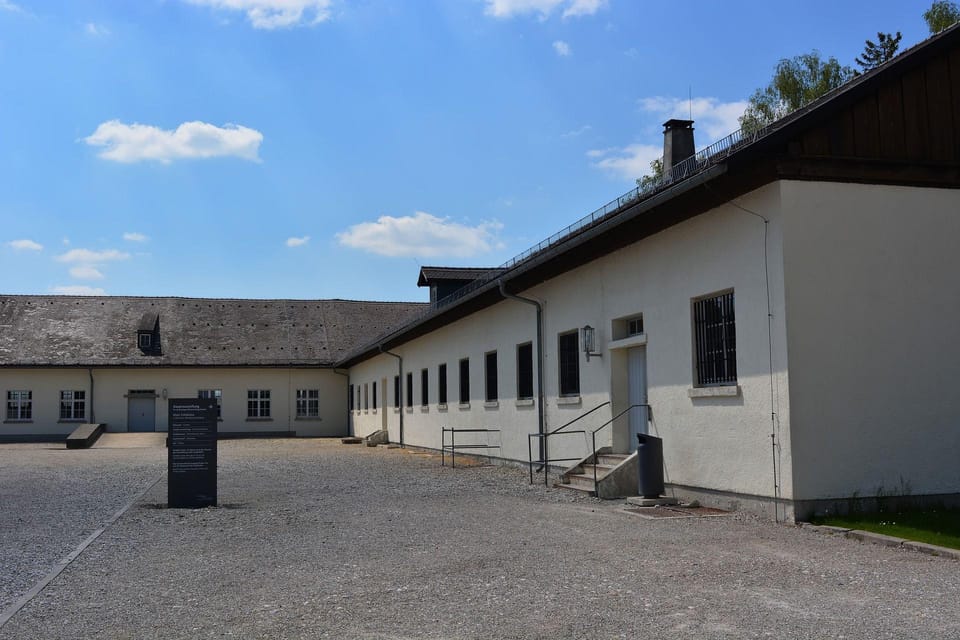
This Dachau memorial tour fits best if you:
- Want guided explanations rather than self-reading plaques
- Are okay with graphic, emotionally heavy topics (medical experiments are included)
- Care about learning the camp’s evolution—from its start in 1933 through forced labor and the liberation in 1945
- Prefer a format that includes survivor perspective and specific victim groups, including Roma prisoners
If you’re someone who needs a lighter, more casual day, this might feel too heavy for your current mood. Also, if you’re strict about punctuality and hate uncertainty, you’ll want to be especially organized about the meeting point at the Fish Fountain near Marienplatz.
Practical tips for a respectful, low-stress day
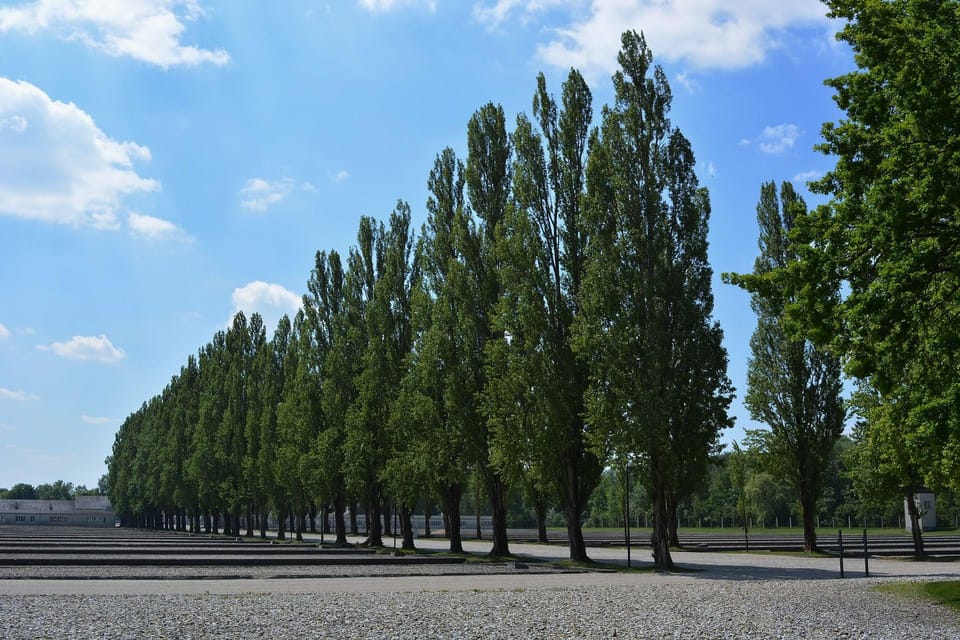
A memorial visit is physically and emotionally demanding. A few practical moves make it easier to stay present:
- Wear comfortable walking shoes. You’ll be on your feet, and the day isn’t built for flip-flops and optimism.
- Bring water and a snack since food and beverage aren’t included. Even a small bite can help you focus when things get difficult.
- Arrive early to the Fish Fountain meeting area so you’re not rushing. If meeting details feel unclear, time buffer turns a problem into a non-issue.
- Bring a pen or notes app. When the guide covers daily camp dynamics and experiments, you may want to capture key points while you still remember the wording.
Also, if you’re traveling with kids or anyone who struggles with intense history, think carefully about emotional readiness. This tour’s content is explicitly aimed at serious learning.
So, should you book? My decision rule
I’d book this tour if you want a structured, English-guided explanation of Dachau’s role as the Nazis’ first camp, including daily camp life, medical experiments, and specific remembrance of Roma prisoners plus survivor perspective. The inclusion of those components makes it more than a simple walk-through.
I would not book it without planning for one thing: meeting clarity. Because your start is at Marienplatz’s Fish Fountain and the experience depends on arriving with the group, double-check your timing and meeting instructions before you leave. If you like certainty and hate last-minute confusion, verify early.
If you’re ready for a hard, meaningful day—and you want someone to guide you through the difficult parts—this is a solid choice.
FAQ
Where does the Dachau Memorial Public Tour meet?
The meeting point is at the Fish Fountain, Marienplatz 8, 80331 München, Germany.
How long is the tour?
The tour duration is 5 hours.
Is the tour offered in English?
Yes. The live tour guide speaks English.
What’s included in the tour price?
The price includes a local professional guide for the public guided tour, a ticket for public transport, and an online payment processing fee.
Is food included?
No. Food and beverage are not included.
How much does the tour cost?
The price is listed at $126 per person.
Can I cancel for a full refund?
Yes. Free cancellation is available up to 24 hours in advance for a full refund.
Is there an option to reserve without paying right away?
Yes. You can reserve now and pay later, meaning you can book your spot and pay nothing today.