REVIEW · DACHAU
Munich: Dachau Concentration Camp Memorial Site Tour by Car
Book on GetYourGuide →Operated by Bayern Tourismus GmbH - Germany Travel · Bookable on GetYourGuide
Dachau is only a short ride away. This private, small-group tour pairs Munich pickup and car travel with a careful 3-hour guided walk through the Dachau Concentration Camp Memorial. You leave with a clearer sense of what happened here and how the camp fit into the Nazi system.
I like two things most. First, the guide-led format keeps the story straight, with places like the roll-call area, bunkers, barracks, camp street, and crematorium explained in context. Second, the group stays small, limited to 4 participants, so you can actually hear the guide and ask questions if something isn’t clear.
One consideration: this is a major emotional site, and most of the tour is an outdoor walking route. Also, children under 14 aren’t permitted, so it’s not a casual day out.
In This Review
- Key highlights worth your attention
- Munich to Dachau: why this trip feels different
- The drive from Munich: simple logistics, less friction
- Getting oriented at the Dachau Memorial Site
- The guided walk: key places you’ll understand better
- Roll-call and the machinery of control
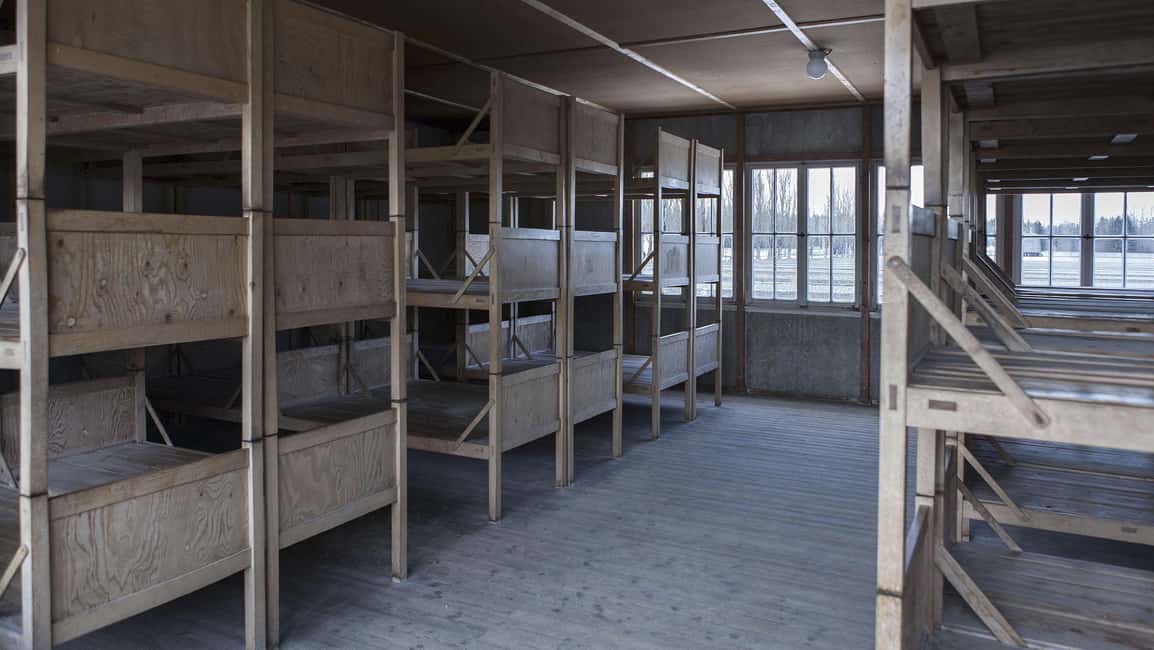
- Bunkers and barracks: living conditions as violence
- The camp street: the site as a working system
- Crematorium: the final stage of the camp’s brutality
- Dachau and the SS: the “school of violence” context
- The guide matters: what you can learn in a small group
- Important practical stuff: what to bring and how to plan your comfort
- What liberation means here: closing the loop of the story
- Price and value: is $371 per person worth it?
- Who this tour suits best (and who should skip it)
- A quick note on day-of reliability
- Should you book the Dachau Memorial site tour from Munich?
- FAQ
- How long is the Dachau tour from Munich?
- Is pickup and drop-off in Munich included?
- What will I do during the visit at the memorial?
- What languages are the guides available in?
- Is food available to buy at the memorial site?
- Do I need to bring anything?
- Is this tour suitable for children?
- Is free cancellation available?
Key highlights worth your attention
- Small group (max 4) means you get more time with the guide, not a crowded shuffle.
- 3-hour guided visit focuses on key structures like roll-call, crematorium, and barracks.
- Dachau’s role as a model camp is explained, including the SS training link called the school of violence.
- Careful, dignity-first guiding is built into how the tour is delivered.
- Car transport from Munich makes the trip straightforward and reduces stress on the day.
- Outdoor walking means the right shoes and weather gear matter.
Munich to Dachau: why this trip feels different
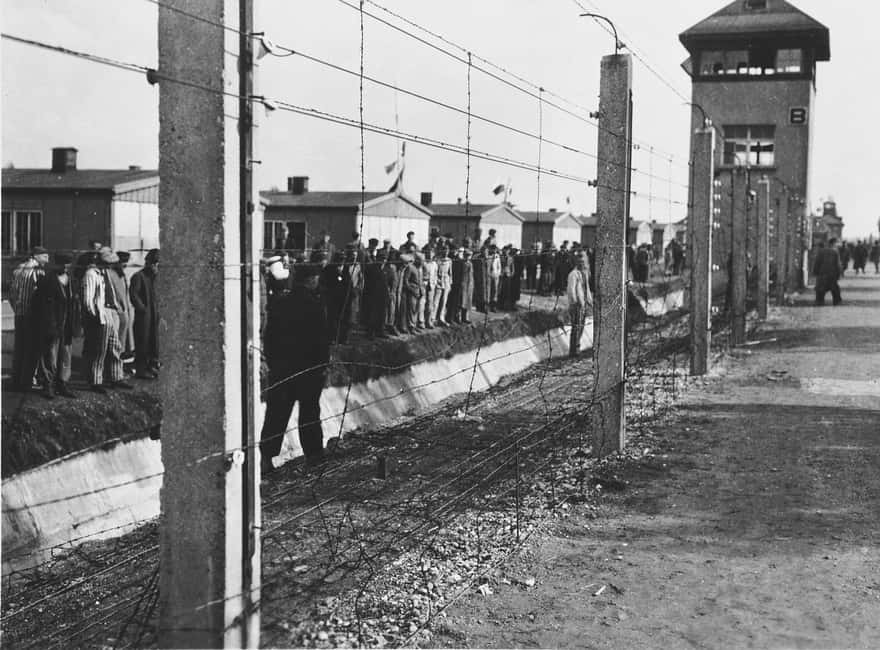
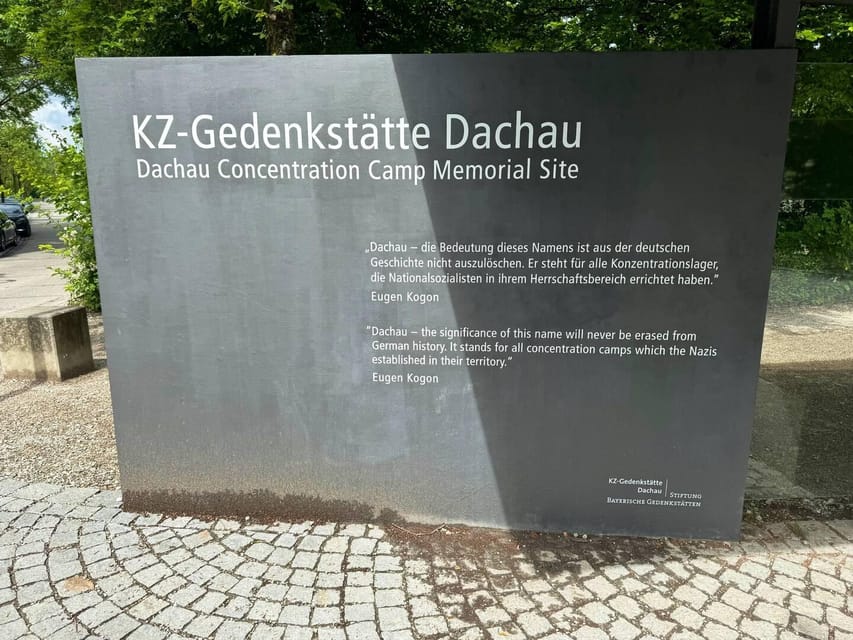
A lot of day trips from Munich are about scenery and stops. This one is about understanding a place that still carries weight. The ride is only about 30 minutes each way, but the subject is heavy: Dachau was opened in 1933 near Munich, shortly after Adolf Hitler became chancellor, and it became a template for later camps across the Nazi system.
What I appreciate is that the tour doesn’t treat this like a checkbox. Instead, it’s built around a guided walk through the memorial grounds, using remaining original buildings and reconstructions to help you grasp scale and routine. You’re also not left to guess what you’re looking at. The guides are specially trained to present the material with sensitivity and respect for the victims, which matters in a place like this.
And yes, you will walk. A good chunk of the time is outside, so plan for real weather. Bring your own water sense too—drinks and water are included, but you still should arrive ready to stay comfortable.
You can also read our reviews of more tours and experiences in Dachau.


The drive from Munich: simple logistics, less friction
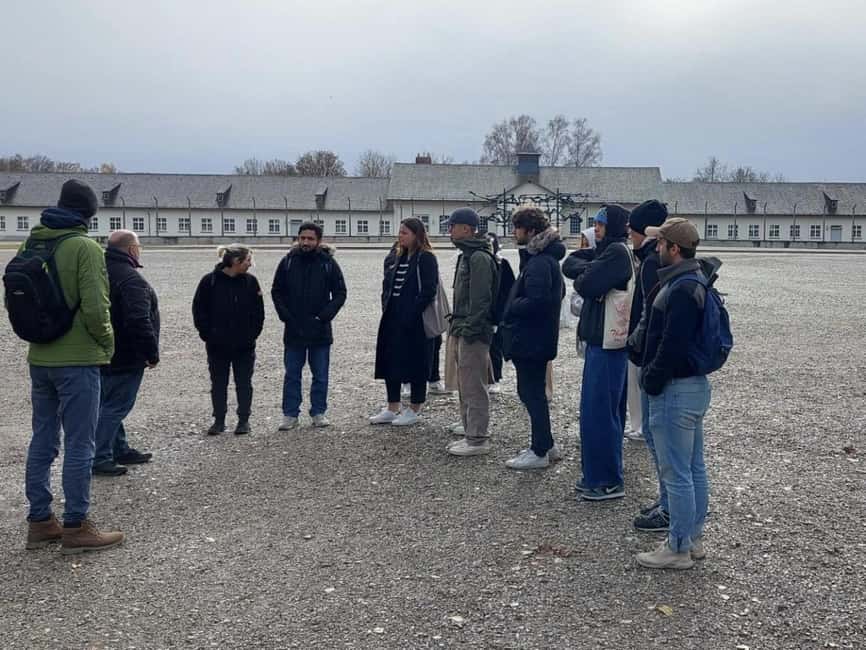
The day starts in central Munich with hotel pickup. You then go by Jeep/SUV private transportation—about 30 minutes to the memorial site. For many people, that’s the point: you spend less energy figuring out trains, connections, and schedules, and more energy on being present for the visit.
This private setup also pairs well with the memorial’s pacing. The tour includes a guided block and some self-guided time. When you’re not wrestling transport, you’re less likely to feel rushed, and you can keep your attention on what the guide is pointing out.
Getting oriented at the Dachau Memorial Site
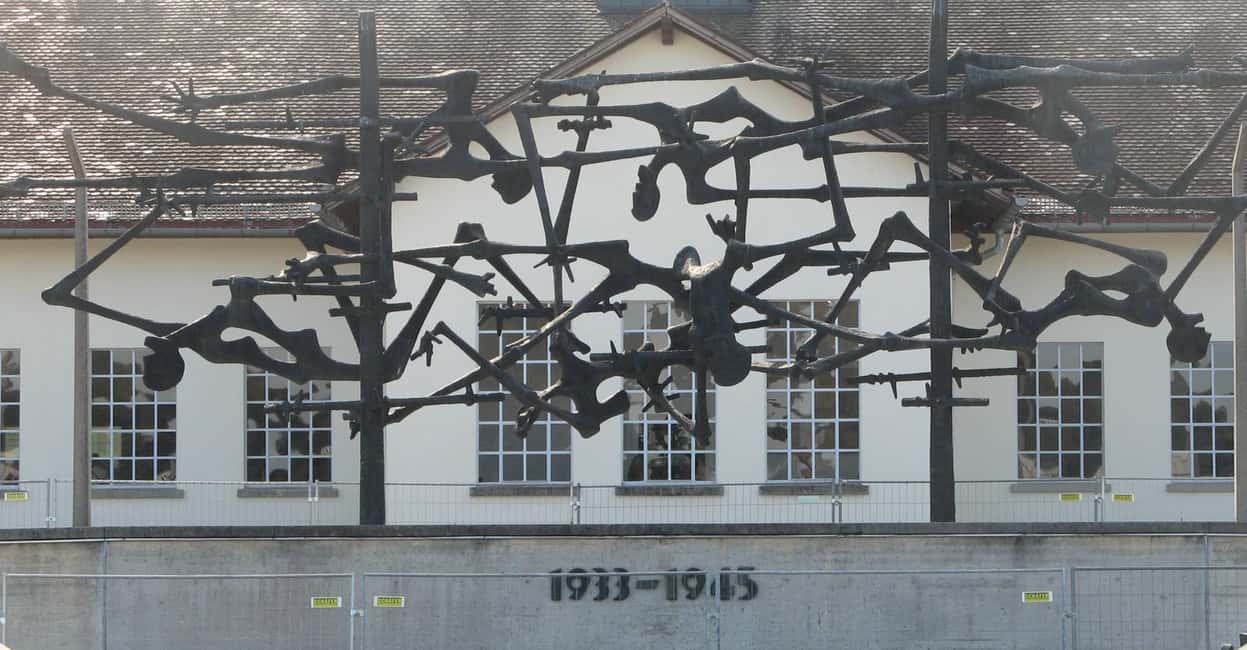
Once you arrive at the Dachau Concentration Camp Memorial, the experience shifts from travel mode into historical mode. You start with a guided portion that lasts 3 hours, plus additional time for self-guided sightseeing. The memorial grounds include areas where prisoners endured daily procedures, confinement, and brutality—and the tour helps you connect the layout to the human impact.
The history here is not vague. Dachau began in 1933 northeast of Dachau as a concentration camp intended for political prisoners. Over time it became part of a network with nearly 100 sub-camps. In its 12 years of operation, more than 200,000 people were imprisoned, and around 41,500 are estimated to have been killed.
The guide helps you translate that into what you see: how structures supported control, how routine became punishment, and how the Nazi regime’s cruelty worked at ground level—not as an abstract concept, but as a system.
The guided walk: key places you’ll understand better
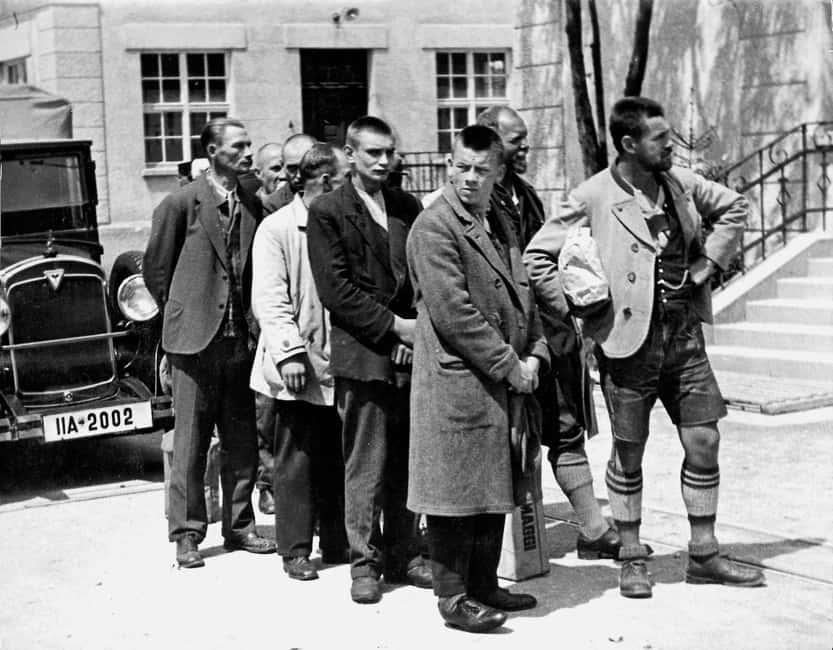
This is the part you’ll remember most clearly, because it connects the physical site to the story. Your guide leads you through the memorial areas and covers not just facts, but the purpose behind them. The focus includes torture and mass executions, and the tour also addresses human medical experiments conducted under the Nazi regime.
Here’s what to expect as you move through major points of the site:
Roll-call and the machinery of control
The roll-call area is one of the most important places to understand because it shows how the camp ran on discipline and forced obedience. You’ll hear about how daily procedures could be used to punish, starve, and break people down. Even if you’ve read about the camps before, this is where the meaning of the layout becomes real.
Bunkers and barracks: living conditions as violence
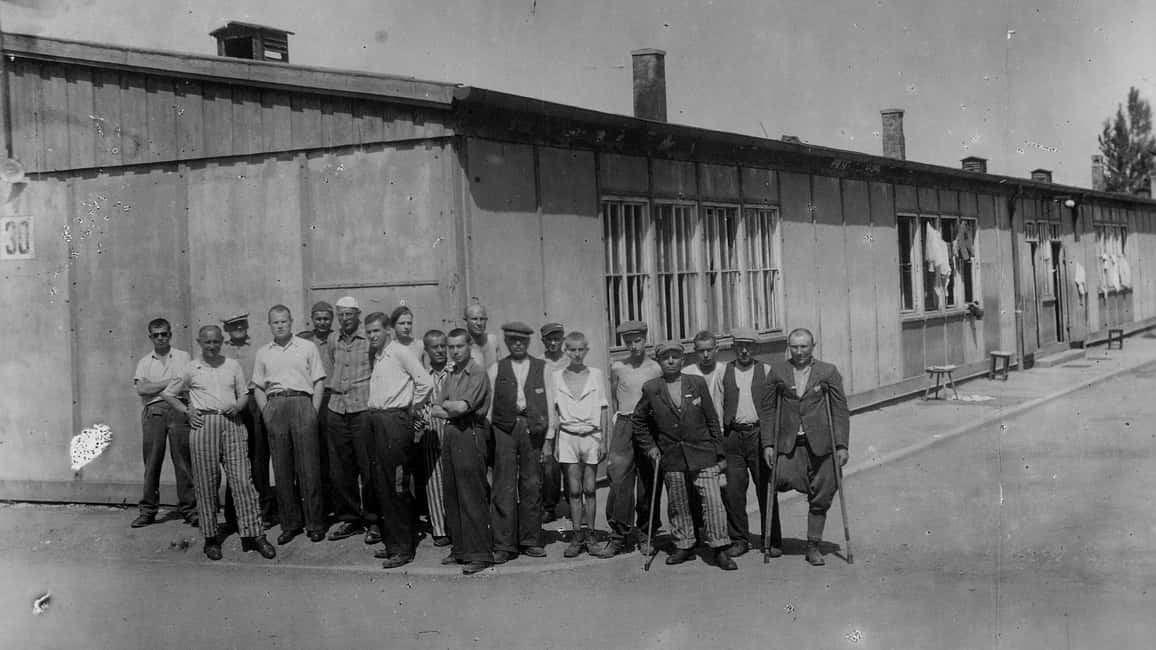
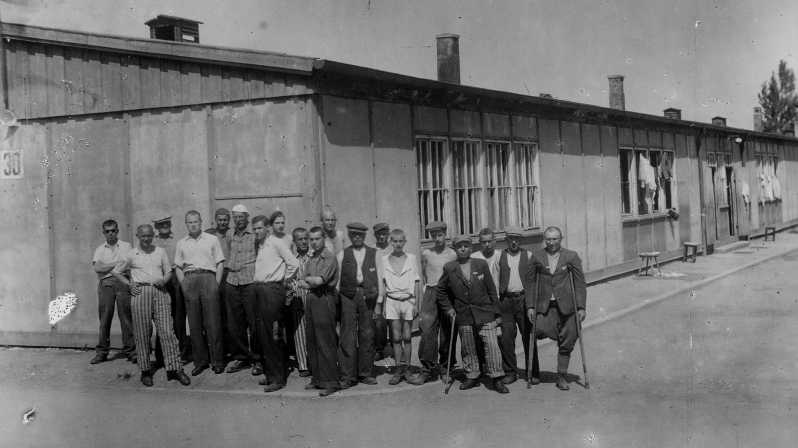
Dachau’s bunkers and barracks are key to understanding how the camp harmed people beyond executions. Prisoners suffered from malnutrition, disease, and overwork. Many died because of these conditions—or were executed. The guide helps connect those outcomes to what was built and how it was used.
You’ll also hear about who ended up here: Jews, including those who suffered terribly from starvation and disease; as well as artists, intellectuals, Romani people, and homosexual men. That mix matters because it shows how the Nazi system targeted many different groups for different reasons, using the same machinery of repression.
The camp street: the site as a working system
The camp street is where you can grasp the idea of a camp as an operating environment. It’s easier to see how people moved, how the camp’s functions were organized, and how the regime used space to maintain control. It’s also a helpful way to understand why the sub-camp network mattered: the main camp was a hub, and similar methods were repeated elsewhere.
Crematorium: the final stage of the camp’s brutality
The crematorium area is difficult, but it’s also essential. You’ll learn what happened here and why it was part of the camp’s violent logic. The tour doesn’t sensationalize; it explains with seriousness and restraint, so you can focus on meaning rather than shock.
I’ll be blunt: this isn’t entertainment. It’s a memorial experience, and the guide’s tone is designed to keep the moment respectful.
Dachau and the SS: the “school of violence” context
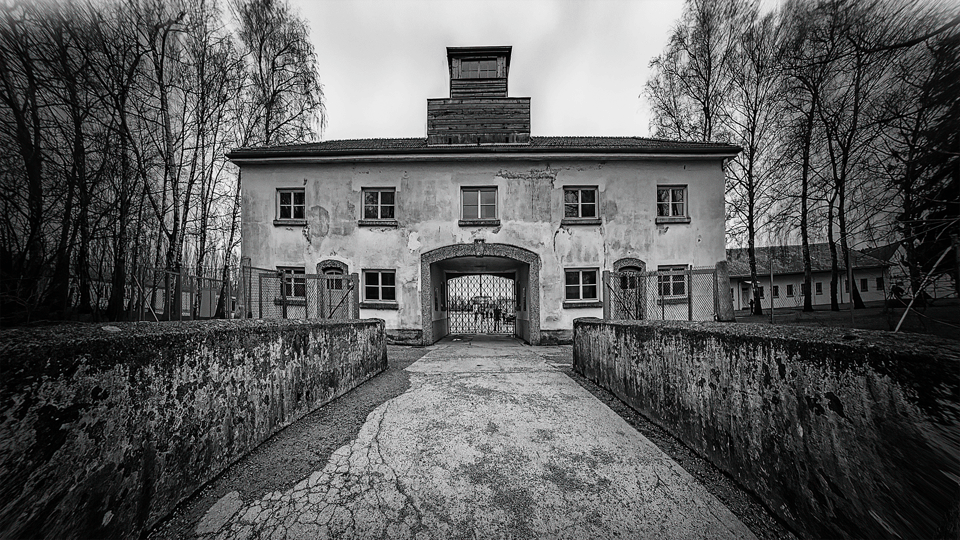
One unique thread that makes this tour feel more than just a walk through buildings is the explanation of Dachau’s wider role. Dachau also functioned as a training center for the SS, described as a “school of violence.”
That detail matters for your understanding. Instead of thinking of Dachau as only an isolated tragedy, you can see how the Nazi system exported methods of cruelty. The camp didn’t only imprison people—it also helped shape how perpetrators learned to apply violence as routine.
When you connect that to the camp’s growth into a network of nearly 100 sub-camps, the full scope starts to make sense.
The guide matters: what you can learn in a small group
I especially value the human factor in how this kind of tour is delivered. In this case, your guide leads the group through the exhibits and historical background with sensitivity. You’re not just hearing dates; you’re getting helped through complex material in a way that’s easier to hold in your head.
Names from the experience stand out. One guide, Markus, is noted for detailed explanations that helped a small group leave with a deeper understanding of Dachau’s history. Another important point: small group size helps the guide keep your attention. If you’re worried about drifting in a crowd, this format is one reason it can work better.
Also, an audio guide is available. That can help if you want to pause, re-check a segment, or keep your pace steady while the group moves.
Important practical stuff: what to bring and how to plan your comfort
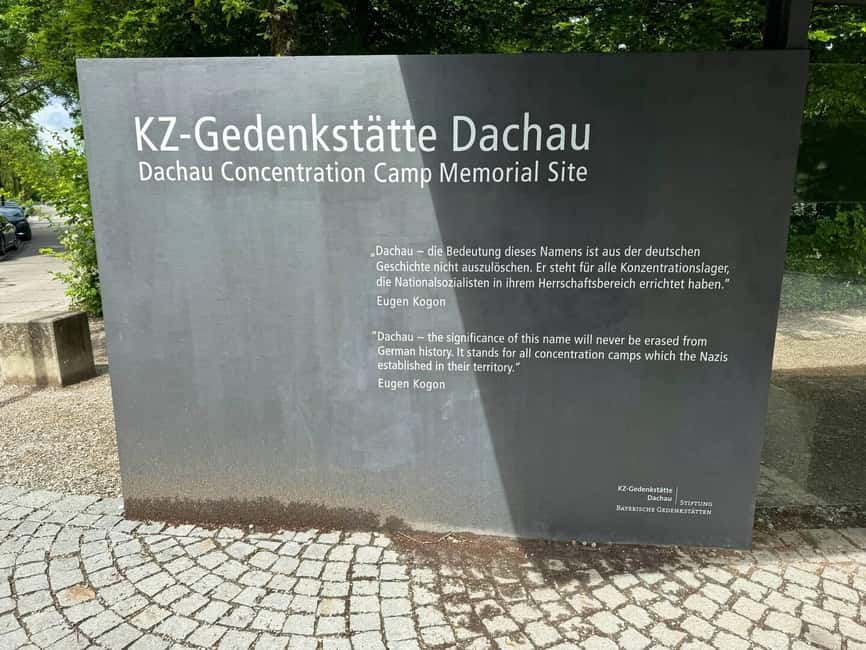
This tour runs about 5 hours total, but not all of that time is sitting. Most of it is outdoors, walking. That means your comfort choices affect the experience.
Bring:
- Water (drinks and water are included, but it’s still smart to be ready)
- Appropriate footwear with grip
- Weather-appropriate clothing
A key rule: food may not be purchased or consumed on the grounds of the memorial site. So don’t plan on grabbing snacks there. If you’re coming straight from Munich, I’d plan to eat before you go, or at least be ready that you won’t have typical food options during the visit.
Also, there’s guidance on tipping. Guides may accept tips if you’re satisfied, but you’re asked not to tip while within the grounds of the memorial site. Just keep that in mind so your “thank you” stays respectful.
What liberation means here: closing the loop of the story
After years of terror, Dachau’s chapter ends on April 29, 1945, when U.S. forces liberated the main concentration camp in Dachau. That event ended more than a decade of atrocities and brutality.
This matters because it gives you a clear boundary for the time period you’re learning about. The tour framing helps connect the past to the present memorial, rather than leaving you in endless tragedy without an endpoint. In 1965, on the initiative of concentration camp survivors, the memorial was constructed on the site. Today, close to 800,000 people visit each year.
That number can feel abstract until you’re standing there. It’s a reminder that the world has kept turning, but the memorial keeps the memory active.
Price and value: is $371 per person worth it?
At $371 per person, this isn’t the cheapest thing you can do from Munich. But it’s also not priced like a basic public-group bus tour. You’re paying for a private car transfer from your pickup location, plus a guided visit designed around interpretation of the site.
Here’s the value equation I see:
- You get hotel pickup and drop-off and private transportation by car, which saves time and stress.
- You get 3 hours of live guided touring, plus some self-guided time.
- The group limit of 4 participants increases the odds you’ll actually follow along and hear the guide.
- Drinks and water are included, which reduces small-day friction.
If your goal is to understand Dachau with structure and care, this format can be worth it. If your goal is only to see the memorial quickly, you might find cheaper ways to reach the site—but you would be accepting more uncertainty in pacing and explanation.
Who this tour suits best (and who should skip it)
This tour makes a lot of sense if you want:
- A guided, respectful, fact-based visit
- A small group setting
- Ease of transport from Munich by car
- Time to see the main camp areas in a guided narrative
It may not be the right fit if:
- You need a kid-friendly option (children under 14 aren’t permitted)
- You struggle with long outdoor walking or cold/rain days
- You’re looking for a light, casual day trip. This is emotionally intense by design.
A quick note on day-of reliability
One small caution I’d give you is to use the provided contact method and be proactive. The tour info includes a WhatsApp contact number (+4915157490411). I’d message or confirm ahead of time if you can, and keep the number handy on your phone.
That’s not about fear. It’s about preventing a day from derailing when you’re counting on pickup.
Should you book the Dachau Memorial site tour from Munich?
I’d book this tour if you want a structured, small-group visit with a trained guide and the convenience of private transport. The pacing, the focus on major sites like roll-call and the crematorium, and the extra context about Dachau’s role as a model camp and SS training ground make it more than a stop on a map.
I’d skip it if you’re not ready for heavy history, or if outdoor walking in typical weather is a deal-breaker. This isn’t a vacation day in the usual sense, but it can be a meaningful one if you show up prepared.
FAQ
How long is the Dachau tour from Munich?
The total duration is about 5 hours, including car time and a guided visit of about 3 hours at the memorial site.
Is pickup and drop-off in Munich included?
Yes. The tour includes hotel pickup and drop-off in Munich, plus private transportation by Jeep/SUV.
What will I do during the visit at the memorial?
You’ll have a guided tour at the Dachau Concentration Camp Memorial site and also some time for sightseeing and self-guided exploration.
What languages are the guides available in?
The live tour guide is available in English and Spanish. An audio guide is also available.
Is food available to buy at the memorial site?
No. Food may not be purchased or consumed on the grounds of the Memorial Site.
Do I need to bring anything?
You should bring water and wear appropriate footwear and weather-appropriate clothing, since much of the tour takes place outside.
Is this tour suitable for children?
No. Children under 14 years old are not permitted on this tour.
Is free cancellation available?
Yes. You can cancel up to 24 hours in advance for a full refund.