REVIEW · DACHAU
Private Dachau Memorial Site Tour from Munich
Book on GetYourGuide →Operated by Discover Munich Tours · Bookable on GetYourGuide
A sobering day starts just outside Munich. This private Dachau Memorial Site tour gives you officially licensed expert guidance and the historical context you need for a place that can feel overwhelming on your own. It’s also private, so the pacing stays human, not rushed.
I especially like the way the tour makes sense of major themes, not just dates and locations—think daily life, punishment, medical abuse, and religion-related persecution. With guides like Mat and Markus (both mentioned by name), you get explanations that feel clear and serious, plus space to ask questions and follow along without getting lost.
One possible drawback: Dachau is intensely emotional, and this experience isn’t set up for younger kids. There are also strict site rules (no large bags, no recording gear, no selfie sticks), so you’ll want to plan lightly.
In This Review
- Key Things You’ll Notice on This Dachau Tour
- Munich Pickup and the Straight Ride to Dachau
- Why Dachau Matters: From Early Nazi Prison to International Memorial
- The 3-Hour On-Site Walk: What You’ll Actually See and Hear
- Daily Life, Punishment, and the Machinery of Control
- Liberation and the Postwar Story You’ll Leave With
- Practical Rules That Affect Your Day (And How to Plan)
- Price and Value: Why $273 Can Make Sense for a Private Guide
- Who This Tour Fits Best
- Should You Book This Dachau Private Tour?
- FAQ
- How long is the Dachau memorial tour from Munich?
- What does the tour include?
- Is the tour wheelchair accessible?
- What language is the live guide?
- Are there restrictions on recording or bags?
- Can I cancel for a full refund?
Key Things You’ll Notice on This Dachau Tour
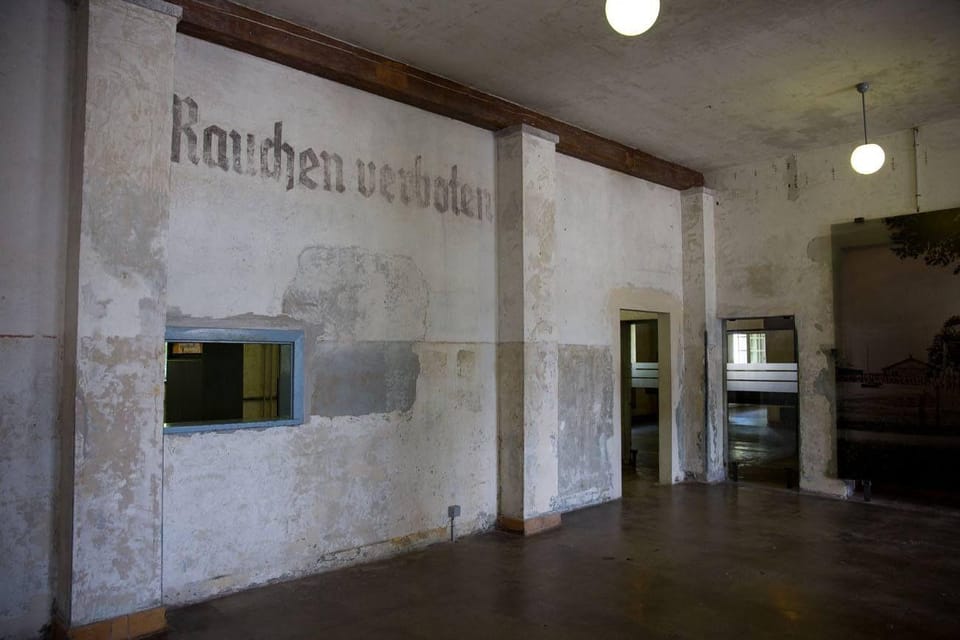
- Licensed, English-speaking expert guidance that keeps the story clear and respectful
- A smooth Munich-to-Dachau transit plan that limits stress on a difficult day
- About 3 hours on site focused on the camp’s main historical themes
- Coverage of medical experimentation and camp punishment with context, not shock value
- A full timeline viewpoint, from Nazi-era function to postwar use and remembrance
Munich Pickup and the Straight Ride to Dachau
The day starts in central Munich with a pickup when requested, assuming you’re staying in a centrally located hotel. The goal here is simple: get you moving fast, with fewer logistics headaches. From Munich, it takes no more than about 45 minutes to reach the memorial area once you account for the train and short coach transfers.
That matters more than it sounds. Dachau is not a “grab coffee and wander” kind of stop. The smoother the transit, the better you can focus on what you’re there to understand—how this system worked and how it expanded under Nazi rule.
The tour also includes public transportation tickets, which saves you the mental math of figuring out fares and routes that morning. You’re not stuck hunting for the right platform while the day already feels heavy.
You can also read our reviews of more tours and experiences in Dachau.


Why Dachau Matters: From Early Nazi Prison to International Memorial
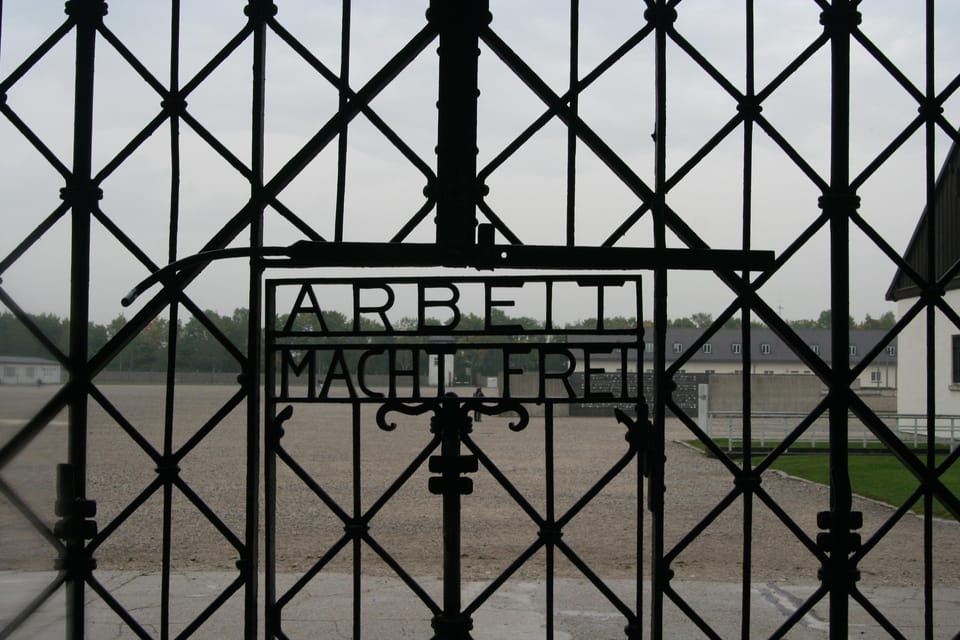
Dachau wasn’t just another camp. It was the first concentration camp to open in Germany, less than two months after Hitler came to power. It also kept operating for the full twelve years of Nazi tyranny—unlike many other camps whose operation changed over time.
A key point you’ll hear early on is that Dachau functioned as a kind of model camp for others and was sometimes called the school of terror, because the largest SS training facility in the Reich was based there. In other words, this place wasn’t only about imprisonment—it was also about training the machinery of repression and control.
The scale gives context. By the time U.S. liberators arrived on April 29, 1945, about 206,000 people from 34 nationalities were imprisoned there, and over 43,000 were murdered. That mix of nationalities is important: this wasn’t only a German story, and the persecution stretched across Europe.
Finally, Dachau became an international memorial in 1965. The tour’s framing reflects that purpose: it’s there to preserve memory and help you connect the historical dots between Nazi politics, the economy and social climate of the 1930s, and how ordinary life can be twisted into systematic cruelty.
The 3-Hour On-Site Walk: What You’ll Actually See and Hear
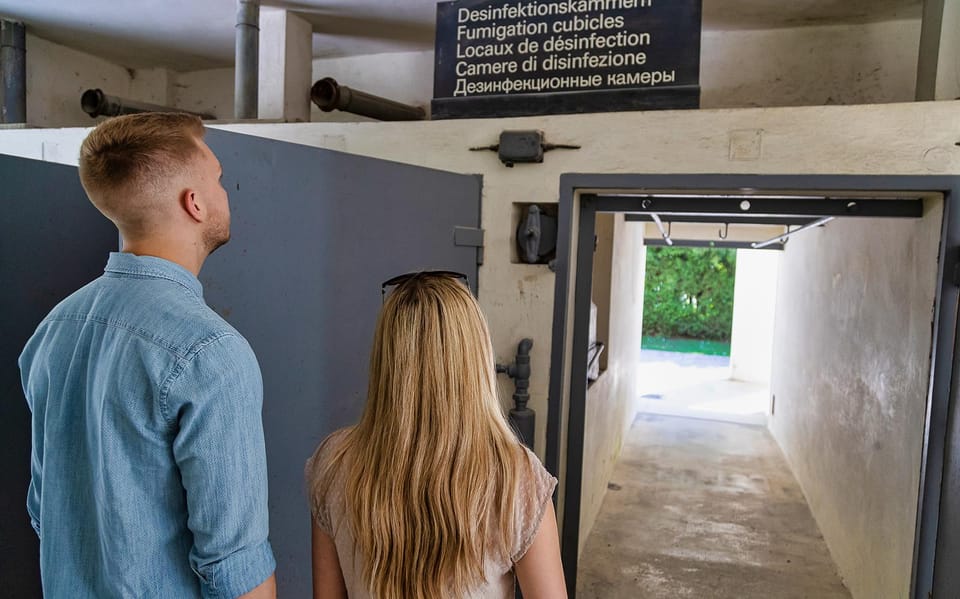
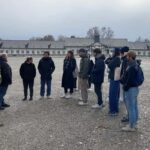
You’ll spend about three hours on site with your guide. That time length is a practical sweet spot: long enough to cover the major historical stages, not so long that you feel like you’re stuck in a nonstop emotional marathon.
The guide’s job is to help you put the camp into sequence. You’re not just looking at grounds and buildings—you’re following how Dachau functioned at different points in its history and how it was used after the war.
Expect the tour to cover:
- the development of Dachau across Nazi-era stages
- how the camp was used in the postwar years
- how the memorial role grew after liberation
This is one of the best parts of a guided experience here. On your own, it’s easy to end up with a pile of facts but not much of a narrative. With a good guide, you get a path through the complexity so your understanding becomes organized instead of fragmented.
Daily Life, Punishment, and the Machinery of Control
One of the strongest themes in the tour is daily life in the camp—what imprisonment meant moment to moment, and how the system worked to break people down. That’s crucial because concentration camps weren’t only about the worst headlines. They were built on routines of control and humiliation.
Your guide will also address punishment in the camp. You’ll be guided toward understanding punishment as a method, not a random assortment of abuses. The explanation helps you see how terror was managed, applied, and sustained.
Another hard section is medical experimentation. The tour doesn’t treat this as trivia or as a shocking story to collect. Instead, it positions what happened within the broader logic of Nazi ideology and the dehumanization that made such crimes possible. If you’re the kind of traveler who likes clear framing when emotions run high, this structure is especially helpful.
There’s also discussion of prisoner groups and religion-related persecution, including a religion camp component. Those topics connect the dots between why people were targeted and how the camp categorized and treated different groups.
Liberation and the Postwar Story You’ll Leave With
By April 29, 1945, U.S. liberators arrived and the camp’s end came fast. But the tour doesn’t stop at liberation day. It follows the story into the postwar years, because memory work is part of the history too.
This is where the experience feels most useful for real understanding. You’ll see how a place becomes a memorial and how the narrative is shaped by what survives, what’s documented, and what societies choose to preserve.
If you’ve ever worried that visiting Holocaust-related sites is only about seeing ruins, this tour is designed to give you more than that. You’ll come away with the sense that Dachau is a warning system: not only what people did, but how they organized a world where such actions could happen at scale.
Practical Rules That Affect Your Day (And How to Plan)
Dachau has strict rules, and they’re not meant to be annoying—they help protect the site and keep the visit respectful. On this tour, you should be ready for:
- no smoking
- no large luggage or bags
- no drones
- no intoxication, alcohol, or drugs
- no selfie sticks
- no video recording or audio recording
You can also expect the guide to keep you focused, because filming and extra distractions are banned. That helps the group stay quiet in spirit, even when you’re walking through areas that naturally invite staring.
One more practical tip: wear appropriate footwear. The ground can be uneven and you’ll likely do a lot of walking over the three hours on site. Pack for comfort, not for style—this is the day for shoes you can trust.
If you’re traveling with family, note this isn’t suitable for children under 12. For older teens, it can work well if they’re ready for the subject matter and the tone of remembrance.
Price and Value: Why $273 Can Make Sense for a Private Guide
At $273 per person, this tour isn’t a budget option. But it does offer a few things that add real value for a site like Dachau:
- An officially licensed expert guide
On a difficult site, interpretation is everything. A skilled guide helps you keep the story accurate, understandable, and respectful. That’s not something you can reliably replace with a phone app.
- A private group format
Private doesn’t mean you’ll talk nonstop—it means the guide can set the pace and respond to questions without shuffling around a large crowd.
- Included public transportation tickets and an easy Munich pickup (when requested)
You save time and decision fatigue. On a day when emotions run high, planning friction is the last thing you need.
In short: if you care about getting context and clarity—especially about how and why this camp operated—this price starts to feel reasonable. If you’d rather wander independently with general reading, you might decide this is more structured and guided than you want.
Who This Tour Fits Best
This private Dachau tour is ideal if:
- you want clear historical context for the major stages of Dachau
- you prefer a respectful, guided pace over self-guided wandering
- you’re traveling with family members who would benefit from answers and explanation
- you value having a guide who can handle sensitive questions and keep the tone appropriate
It’s also wheelchair accessible, which is a meaningful point if you need step-free options. The tour is private and designed for a group you can move with calmly.
Should You Book This Dachau Private Tour?
I’d book it if you want a structured, respectful visit where the history is explained in a way that helps you understand the “how” behind the horrors: the camp’s early role, its function as a model, how daily life and punishment worked, the crimes of medical experimentation, and what happened afterward as it became an international memorial.
I’d pause and reconsider if you’re looking for a casual sightseeing day, or if younger kids are coming along. Dachau is heavy. You should go when you can give it your full attention.
If your top priority is accuracy, clarity, and an expert guide who handles the subject with care—this is a strong choice.
FAQ
How long is the Dachau memorial tour from Munich?
The tour duration is about 5 hours.
What does the tour include?
It includes an officially licensed expert guide, hotel pickup when requested (for centrally located hotels), and public transportation tickets.
Is the tour wheelchair accessible?
Yes, it is wheelchair accessible.
What language is the live guide?
The live tour guide speaks English.
Are there restrictions on recording or bags?
Yes. Video recording and audio recording are not allowed, and luggage or large bags are also not allowed. Selfie sticks and drones are not allowed either.
Can I cancel for a full refund?
Yes. Free cancellation is available up to 24 hours in advance for a full refund.