REVIEW · DACHAU MEMORIAL TOURS
Dachau Concentration Camp Memorial Site And Third Reich Day Tour From Munich
Book on Viator →Operated by Alun Evans Personal Tour Guiding Munich · Bookable on Viator
Dachau hits hard, and this tour makes it count. You get a licensed guide who can explain what you’re seeing without losing the gravity, plus a tight plan that keeps the day from feeling chaotic. The possible drawback: it’s a long day with a lot of walking, and this topic is emotionally heavy.
I really like that the afternoon doesn’t stay stuck in the past. You’ll connect what happened at Dachau to the Nazi Party’s rise in Munich, including key locations tied to speeches and landmark events, guided with context so the places make sense. If you want a quiet, self-paced visit only, you may feel rushed—but the small-group setup helps.
In This Review
- Key Things I’d Plan Around
- Meeting at Marienplatz, Then a Quick Ride to Dachau
- Entering Dachau Memorial: Museum Time, Cell Blocks, and Hard Context
- The Questions Matter: Why Small-Group Q&A Changes Everything
- The Afternoon Switch: Munich’s Third Reich Walk Starts Making Links
- Stop by Stop: What Each Munich Location Explains
- Old Town Hall: The 1938 Pogrom Decision Point
- Hofbräuhaus Area: Hitler Speeches and Public Stagecraft
- Odeonsplatz: Beer Hall Coup Background
- Königsplatz: The Munich Agreement and Nazi Ceremonies
- Adding an Extra Museum Option About National Socialism
- Pace, Weather, and Comfort Tips for an 8-Hour Day
- Price and Value: Is $145.18 a Fair Deal?
- Who This Tour Is Best For (And Who Might Want Another Option)
- Bottom Line: Should You Book This Dachau and Third Reich Day Tour?
- FAQ
- How long is the Dachau and Third Reich day tour?
- What time does the tour start?
- Where do I meet the tour guide?
- How do you get to Dachau from Munich?
- Is this tour only for Dachau, or does it include Munich too?
- What will I see at Dachau during the guided portion?
- Is lunch included?
- How big is the group?
- Is it offered in English, and are children allowed?
Key Things I’d Plan Around
- Small group (max 15): easier questions and less crowding during stops
- Dachau with a licensed guide: better meaning from the photographs, documents, and rebuilt areas
- Time to see at your pace: the tour builds in room for museum viewing and independent exploration
- Munich sites tied to the Third Reich: Hitler, SS beginnings, Beer Hall Coup, 1938 decisions, and more
- Round-trip transport from central Munich: you save the stress of trains and timing
- English-speaking guidance: clear, respectful storytelling built for mixed interests
Meeting at Marienplatz, Then a Quick Ride to Dachau
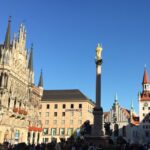
Your day starts in central Munich at Marienplatz at 9:00 am. From there, you take a train north for about 20 minutes to reach Dachau, which is a practical way to keep the morning efficient.
This is one of those tours where logistics matter because the subject matters. When you don’t have to figure out transit, you can focus on what your guide is setting up for you before you step into the memorial grounds.
Also note the format: this is designed as a day out, not a short stop. Plan for all-weather walking, and dress accordingly so you’re comfortable enough to pay attention. The tour notes a moderate fitness level, so if you tire easily, you’ll want good shoes and a slow-down mindset.
You can also read our reviews of more tours and experiences in Munich.
Entering Dachau Memorial: Museum Time, Cell Blocks, and Hard Context
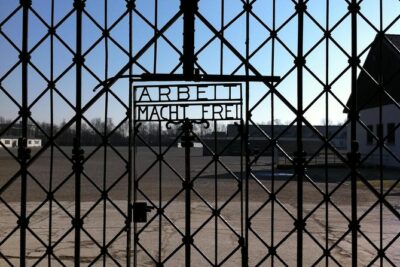
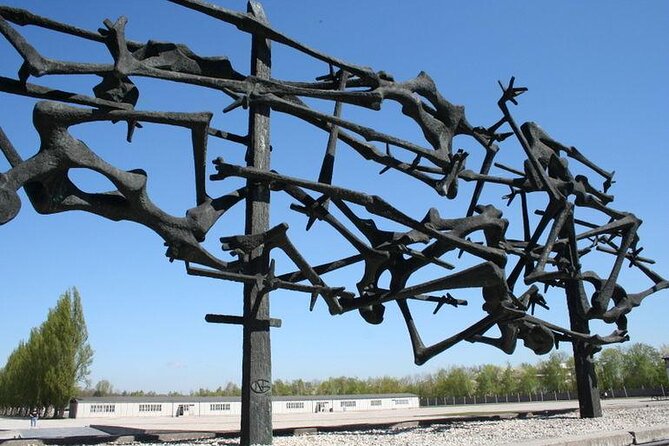
The heart of the day is the Dachau Concentration Camp Memorial Site, the first Nazi concentration camp in Germany during the Holocaust—and a model for later camps. Expect a guided walk through the memorial and museum areas, with your guide helping you connect what the physical site shows to the documented history.
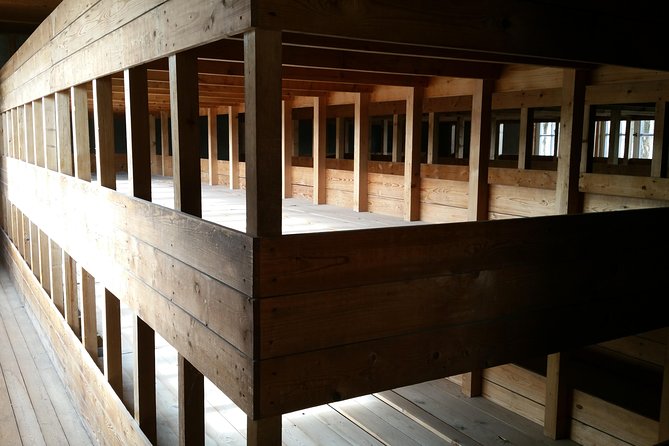
Here’s what you’ll be looking at as you move through: photographs, documents, reconstructed cell blocks, the crematorium, and the administration headquarters, among other parts of the grounds. The memorial isn’t presented as a puzzle to solve—it’s framed so you understand how the system worked and why it mattered.
What I especially appreciate in a tour like this is the balance between facts and emotional reality. This day isn’t trying to turn suffering into spectacle. With a licensed guide, you get a structured way to absorb what you’re seeing, and you’re not left trying to interpret everything alone.
A frequent standout from this type of experience is that you’re not just marched through. There’s allocated time for the museum exhibit, and you may also get some built-in freedom to explore memorial areas at your own pace. That kind of breathing space is crucial at Dachau, where you’ll likely need a moment to look, then a moment to process.
The Questions Matter: Why Small-Group Q&A Changes Everything
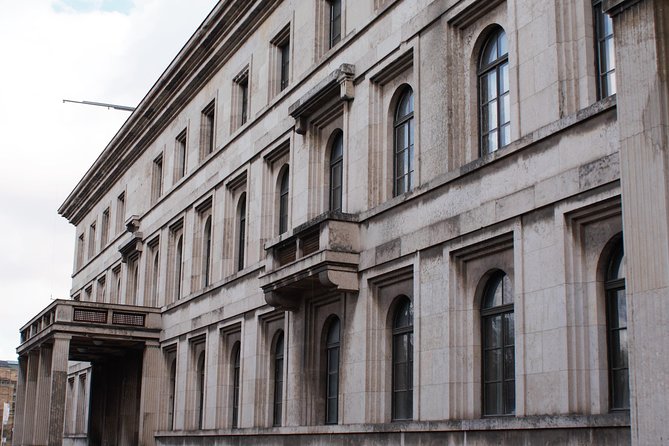
Dachau is not the place for a “pass and move on” tour. With a maximum of 15 travelers, you get a better chance to ask questions and get direct answers, without yelling over a crowd.
You’ll also notice a big difference when a guide handles sensitive material with care. The guide-led approach here is designed to keep the topic respectful—answering questions without getting graphic, and explaining how the camp’s role fit into Nazi policy and control.
In practical terms, the small group helps you hear the guide clearly while you’re walking through spaces that can feel overwhelming. You’re also less likely to end up separated, which matters when you’re seeing a site with many layers: museum materials, reconstructed areas, and the wider memorial landscape.
The Afternoon Switch: Munich’s Third Reich Walk Starts Making Links
After returning to the train station with your guide, the tour heads back toward Munich. Lunch is on your own, which is helpful because it lets you choose what’s comfortable for you—especially after a heavy morning where you might not want a pre-selected meal plan.
Then you do a Third Reich walking tour through Munich. This part is where the day becomes more than a single visit. It’s about place-making—showing where Nazi leaders, parties, and major public actions unfolded in the city.
The pacing here is still walk-heavy, but it’s structured around specific points of significance, so you’re not left guessing what you’re looking at.
Stop by Stop: What Each Munich Location Explains
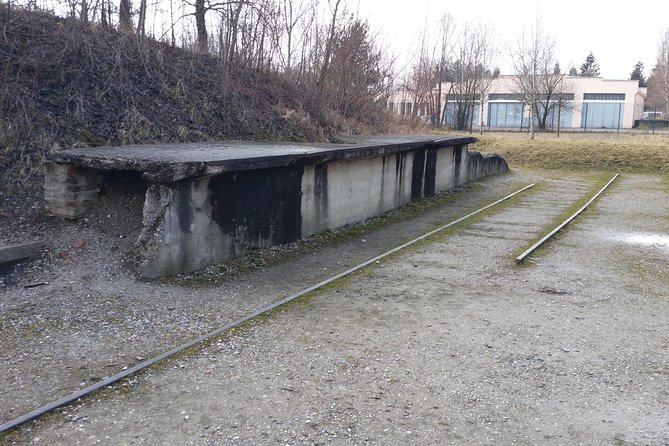
This walking portion is built around a set of stops that trace how Nazi power took shape in public life.
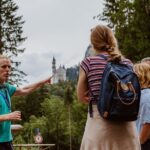
Old Town Hall: The 1938 Pogrom Decision Point
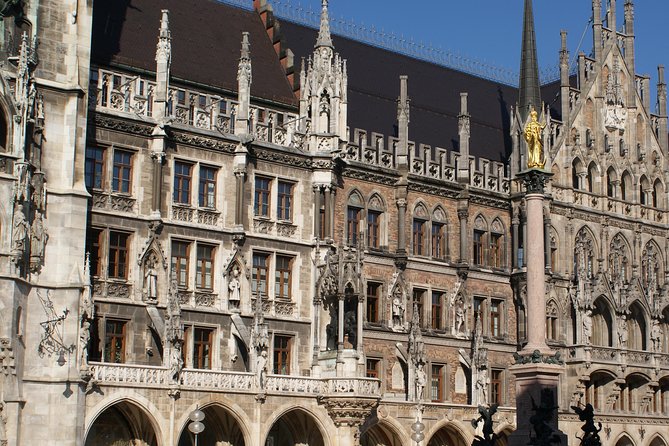
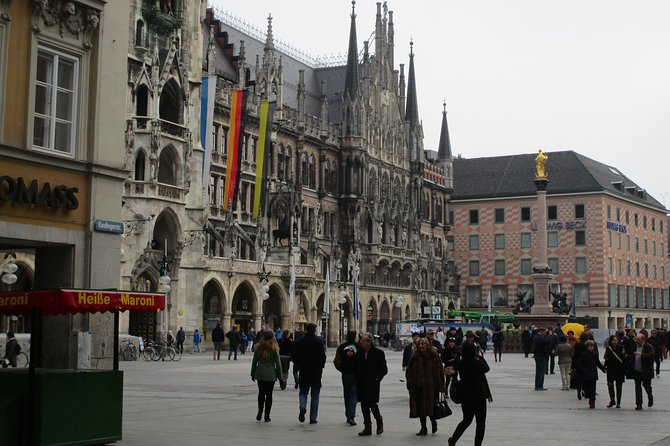
You’ll pass by the Old Town Hall, where a key decision was taken in 1938 to carry out a pogrom against the Jewish population of Germany. It’s a short stop, but it’s an important one because it connects ideology to government action.
This is the kind of moment where context really matters. A guided explanation helps you see how policy translated into violence, not just how it sounded in speeches.
Hofbräuhaus Area: Hitler Speeches and Public Stagecraft
Next up is a walk-past of Staatliches Hofbräuhaus, a place tied to the fact that Hitler regularly gave speeches there. It’s one thing to know the Nazis used propaganda; it’s another to stand in the city spaces where that kind of influence played out.
Your guide’s job here is to help you connect the public theater to the behind-the-scenes rise.
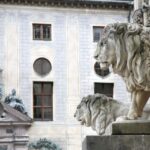
Odeonsplatz: Beer Hall Coup Background
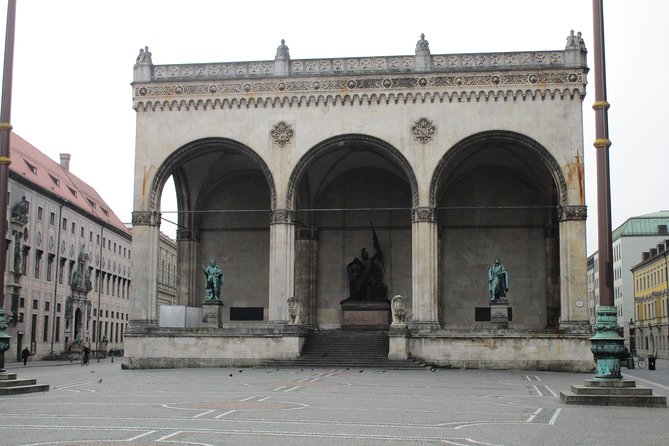
At Odeonsplatz, you’ll look at the location associated with the Beer Hall Coup of 1923. This stop helps explain how early Nazi efforts gained momentum and attention before they became the state.
Even if you don’t consider yourself a WWII history person, these landmarks give your brain handles. You start placing events onto real streets instead of leaving them in a textbook.
Königsplatz: The Munich Agreement and Nazi Ceremonies
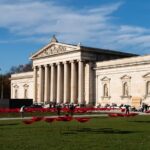
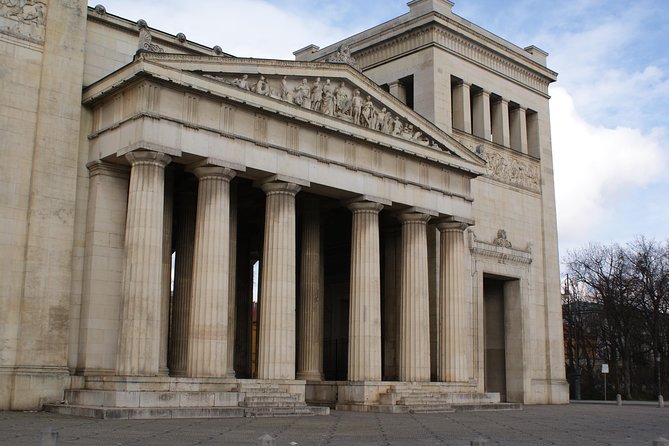
You’ll also visit Königsplatz, where the Munich agreement of 1938 took place, and where Nazi ceremonies were held. It’s a strong stop for seeing how political deals and spectacle worked together.
This location can feel calm at street level—so the guide’s historical framing is what turns it from scenery into meaning.
Adding an Extra Museum Option About National Socialism
At the end of the tour, you’ll have the option to go into an excellent museum exhibit about National Socialism. The tour description frames it as a choice, which is ideal because not everyone will want more museum time after Dachau.
If you do go, it’s a good way to reinforce what you learned in the morning and make the afternoon’s city links feel even more grounded.
Pace, Weather, and Comfort Tips for an 8-Hour Day
This is listed at about 8 hours total, with high walking involved. That doesn’t mean it’s nonstop pressure, but it does mean you should show up with good legs and better shoes.
The tour operates in all weather, so dress for conditions rather than optimism. Even a light drizzle can make surfaces slick, and you don’t want discomfort to steal attention from what matters.
One more practical point: children under 14 are not permitted. That keeps the tour focused on adults and older teens, and it also likely helps maintain the respectful tone needed for Dachau.
Price and Value: Is $145.18 a Fair Deal?
At $145.18 per person, this isn’t a bargain-basement tour. But it’s not just buying a seat either.
You’re paying for:
- a professional licensed guide
- round-trip transportation from central Munich
- a structured day that combines Dachau memorial with a guided Munich walk tied to Nazi history
You’re also likely benefiting from the small-group cap of 15 travelers, which tends to improve both learning and comfort. For a site like Dachau, that guide-driven interpretation is where the value shows up.
The tour details indicate admission is free for the stops listed, at least as presented in the tour information. If that’s accurate for your specific booking, it further strengthens the value: you aren’t facing surprise entry costs layered on top of the tour price.
Who This Tour Is Best For (And Who Might Want Another Option)
This tour fits best if you want structure. You’ll enjoy it if you like clear explanations, strong context, and a plan that helps you connect dots between Dachau and Munich’s Nazi rise.
It’s also a good match if you value questions and respectful discussion. The small-group format makes it easier to ask for clarification without feeling lost in a crowd.
You might reconsider if you:
- prefer fully independent museum wandering without guided prompts
- need a gentler pace after emotionally intense content
- struggle with walking and long stretches in changing weather
Bottom Line: Should You Book This Dachau and Third Reich Day Tour?
If you’re choosing between going to Dachau alone versus going with a guide, I’d pick a guide for this one. Dachau is heavy and detailed, and the guided interpretation helps you understand more than you would by scanning plaques and exhibits on your own.
I’d also book this specific format for the added Munich walk. Seeing where speeches happened, where key events played out, and where major 1938 decisions were made gives the day extra meaning. It turns a memorial visit into a fuller historical map.
Just go in expecting a somber day. Bring patience for the weight of the subject, and give yourself permission to slow down during key moments. If you do that, you’ll come away with understanding that actually lasts.
FAQ
How long is the Dachau and Third Reich day tour?
The tour is listed at about 8 hours total.
What time does the tour start?
The start time is 9:00 am.
Where do I meet the tour guide?
You meet at Marienplatz, 80331 Munich, Germany.
How do you get to Dachau from Munich?
After meeting at Marienplatz, you board a train and the ride is about 20 minutes north to Dachau.
Is this tour only for Dachau, or does it include Munich too?
It includes Dachau in the morning and a Third Reich walking tour in Munich in the afternoon.
What will I see at Dachau during the guided portion?
You’ll see areas and exhibit content including photographs, documents, reconstructed cell blocks, the crematorium, administration headquarters, and time in the museum exhibit.
Is lunch included?
Lunch is not included. The tour notes a break for lunch where you purchase your own food and drinks.
How big is the group?
The tour is capped at a maximum of 15 travelers.
Is it offered in English, and are children allowed?
The tour is offered in English. Children under 14 are not permitted. Service animals are allowed.