REVIEW · DACHAU MEMORIAL TOURS
Munich World War II Sites Including Dachau Concentration Camp
Book on Viator →Operated by Radius Tours GmbH · Bookable on Viator
Munich’s WWII sites hit different in person. This full-day combo links Dachau memorial with a Third Reich walking tour, so you can connect the machinery of oppression with the places in Munich where Nazi power took shape.
Two things I really like: you get a guided Dachau visit that moves through the places that define the camp story, and then you walk Munich’s Old Town to see how propaganda and power were staged in real locations. A heads-up: it’s a long day with a lot of standing and walking, and the topic is heavy—so pace and stamina matter.
In This Review
- Key Highlights You’ll Feel From Day One
- A Long Day of Munich’s WWII Reality Check
- From München Hauptbahnhof to Dachau: The Ride That Sets the Tone
- Dachau Concentration Camp Memorial Site: What You Actually See
- Why the guided format is worth it here
- After Dachau: The Break You’ll Be Thankful For
- The Munich Third Reich Walking Tour: Nazi Power on City Streets
- A note on surviving the walk: hearing, pace, and spacing
- Konigsplatz and Marienplatz Area: Where Propaganda Met Architecture
- Logistics That Affect Your Day (More Than You’d Think)
- Price and Value: Is $105.21 a Fair Deal?
- Who Should Book This Munich WWII Combo
- Should You Book This Tour
- FAQ
- How old do you need to be to join?
- What time does the tour start?
- How long is the full experience?
- Is the tour offered in English?
- Does the price include food?
- What’s included for the Dachau portion?
- How do you get to Dachau?
- How big is the group?
Key Highlights You’ll Feel From Day One
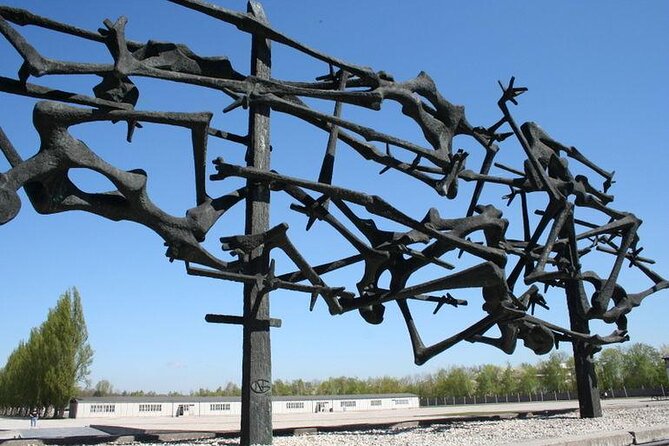
- Dachau memorial with a guided walk through photographs, documents, reconstructed cell blocks, the crematorium, and administration buildings
- A respectful, guide-led explanation of people and decisions tied to the camp, including Himmler’s role in founding it
- Third Reich Old Town walking tour that ties together Hitler’s early involvement, the Beer Hall Putsch in 1923, and the Gestapo headquarters
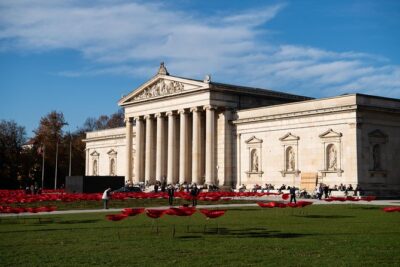
- Konigsplatz marching grounds for context on how public spectacle worked in Nazi Germany
- Small group size (max 25) and mobile tickets that keep things moving
- Realistic pacing choices: it’s thorough, but it’s also time-limited, so you won’t linger everywhere
A Long Day of Munich’s WWII Reality Check
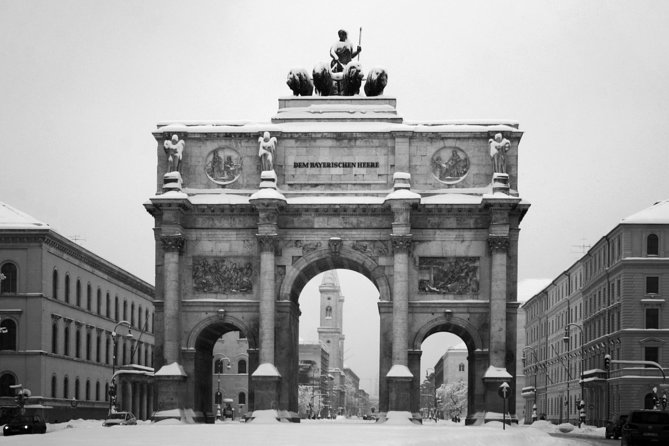
This is the kind of tour where the history isn’t stuck in a classroom. You start with Dachau, one of the first Nazi concentration camps in Germany during the Holocaust, and then you shift to Munich’s streets to see the Nazi era’s footprint in buildings and public spaces.
The day is structured to do two jobs at once. First, you get context for what the Nazi system did to human beings. Then you see how the movement built influence using symbols, locations, and staged events.
And yes, it’s a long day. Expect long standing stretches, and plan your energy for both the memorial and the city walk.
You can also read our reviews of more tours and experiences in Munich.
From München Hauptbahnhof to Dachau: The Ride That Sets the Tone
Your morning starts with a meet point at Radius Tours (Dachauer Str. 4), and then you connect through Munich’s transit hub. You’ll board a train at München Hauptbahnhof and ride north to the Dachau Concentration Camp Memorial Site.
This matters more than you might think. Moving together by train (and later, using the group transport approach) keeps the day organized and lowers decision stress—no trying to map the route while you’re already carrying a heavy subject in your head.
One practical consideration: public transport can get crowded on group days. If you know you get irritated in tight spaces, dress comfortably and mentally prepare for it.
Dachau Concentration Camp Memorial Site: What You Actually See
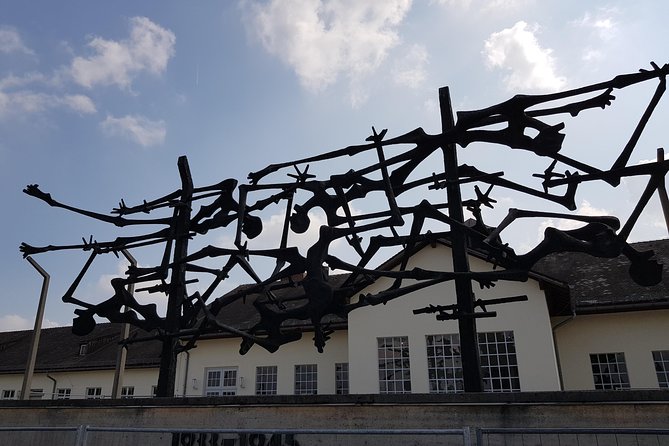
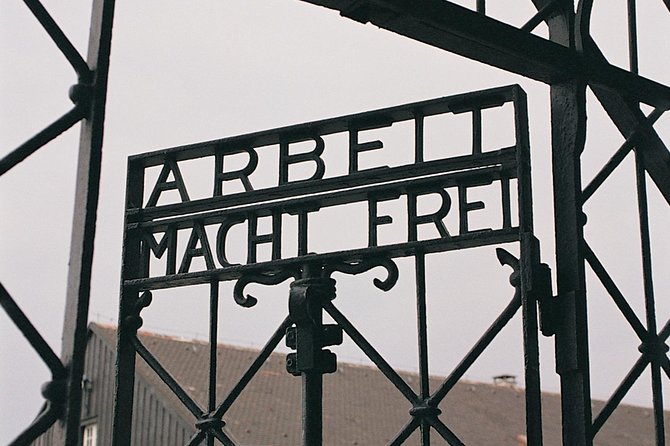
The Dachau portion runs about 2.5 to 3 hours on site, and that time is used for guided coverage rather than independent wandering. You’ll tour both the camp and the museum areas, with the guide pointing out key parts of the story as you move.
Here’s what you can expect to cover:
- Photographs and documents that help you place what happened in a wider system, not just isolated facts
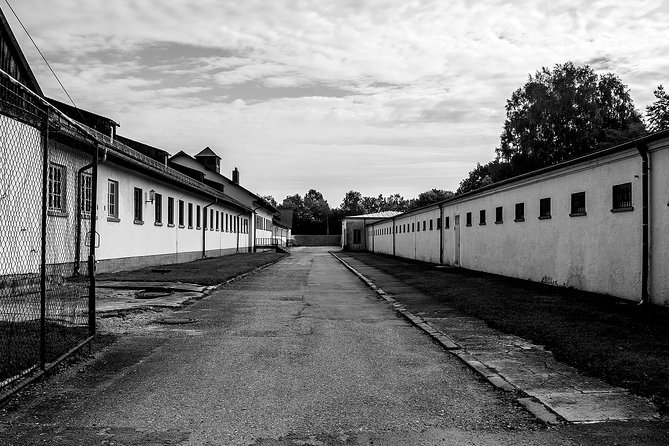
- Reconstructed cell blocks, which give you a clearer sense of space and routine
- The crematorium, a crucial piece of what the camp became responsible for
- Administration headquarters, which helps connect everyday prisoner life to the bureaucratic machinery behind it
This is also where the guide’s style matters. Guides such as Jake, Ian/Iain, Emmett, Achim, and Scott are repeatedly highlighted for explaining tough material in a way that keeps attention while staying respectful. You’ll want a guide who can hold the room—serious history, no jokes that undercut the gravity, and clear explanations you can follow.
Why the guided format is worth it here
With Dachau, it’s easy to feel lost. The site is meaningful, but it also includes many physical remnants and interpretive layers. A guided route helps you connect what you’re seeing to the larger story—why Dachau was significant, how it fit into the Nazi camp system, and what the details mean.
You might still want more quiet time to read everything slowly. That’s a real limitation of any time-limited group tour, and a few people have felt the Dachau segment could be longer. Still, for most first-timers, the guided pace lands well: it gives you structure without turning the experience into a checklist.
After Dachau: The Break You’ll Be Thankful For
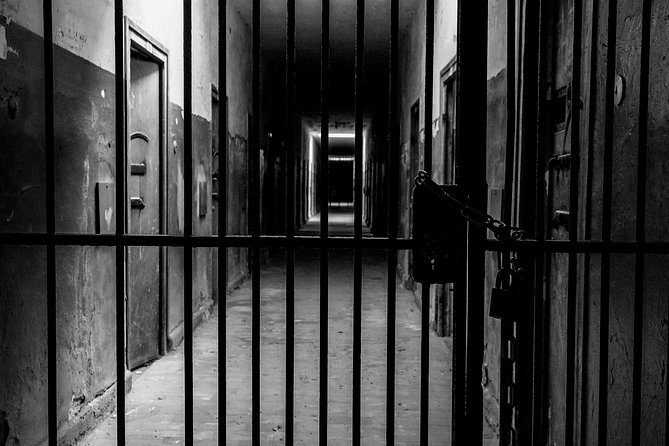
After the morning, you return to Munich by train and take a break before the walking tour. This break is your practical reset: water, restroom, and food nearby, since meals aren’t included in the tour price.
A lot of people underestimate how draining the memorial portion can be emotionally and physically. Having that breathing space before the city walk is a genuine help, not wasted time.

The Munich Third Reich Walking Tour: Nazi Power on City Streets
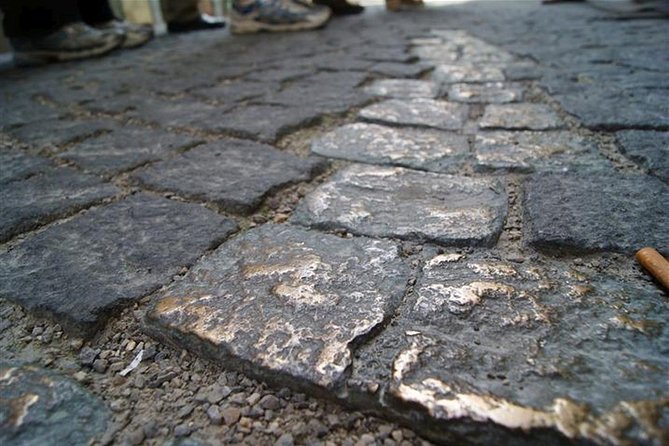
Once you regroup, you’ll begin the Munich walk focused on the Third Reich and key events. This section runs about 2.5 hours, and it stays inside central Munich.
The route is built to show the Nazi era as something that happened in real places, not just in textbooks. You’ll visit locations connected to the rise of Hitler and Nazi Germany, including:
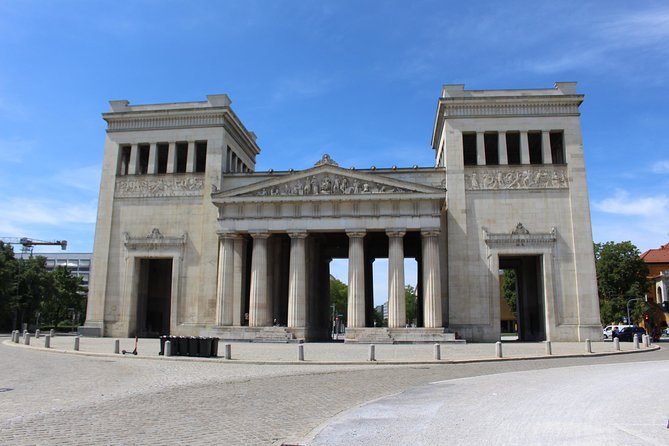
- Konigsplatz, tied to the marching grounds of the Nazi Party
- The building connected to where Hitler first joined the Nazi party
- The former headquarters of the Gestapo
- The site of the Beer Hall Putsch in 1923
What makes this part valuable is the cause-and-effect feeling. Dachau shows you the system at its most brutal. Munich’s sites show you the political branding, intimidation, and public staging that helped that system take hold.
A note on surviving the walk: hearing, pace, and spacing
This is walking plus standing in tight urban spaces. You’ll want to pay attention early, because at certain stops the city noise and echoes can make it harder to hear every word.
A good strategy: position yourself closer during the key explanations. If you’re easily distracted or you struggle with hearing in crowds, plan to get a spot where the guide’s voice carries.
Also, bring water. Even in cooler months you’ll be outside a lot, and the day’s length can surprise you.
Konigsplatz and Marienplatz Area: Where Propaganda Met Architecture
Konigsplatz isn’t just another square. It’s a stage. Seeing where Nazi mass gatherings and marches were rooted in space helps you understand how the movement used public settings to create intimidation and unity at scale.
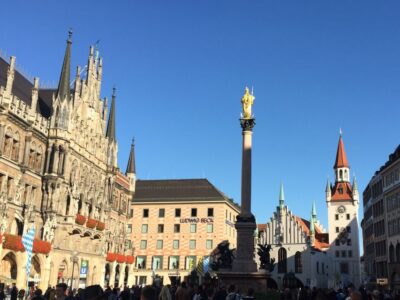
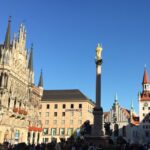
Then the walk connects through central landmarks like Marienplatz as part of the Old Town circuit. The idea is to move between places where ideology was marketed and places where state power was enforced.
You’ll also notice something guides often do in this kind of route: explain what’s still there and what’s been altered by bombing and time. Some guides use then-vs-now comparisons to show how the Nazi-era city looked compared to what you see today. That’s one of the best ways to handle reconstruction gaps without turning the story into guesswork.
Logistics That Affect Your Day (More Than You’d Think)
This tour is built for a group experience, capped at 25 travelers. You’ll have a local guide for the Dachau portion and another guide for the city walk, depending on the day.
You should also know what isn’t included. Food and drinks aren’t part of the price, so you’ll need to plan for lunch or snacks during the break.
The tour is offered in English, and you get a mobile ticket. Start time is 9:00 am, and the whole thing runs about 8 hours 30 minutes.
Two more practical points based on how the day works:
- You’ll move a lot. If you dislike long days on your feet, consider splitting the experiences.
- Weather can change comfort quickly. Dress for standing and walking outside for hours.
Price and Value: Is $105.21 a Fair Deal?
At $105.21 per person, this combo has one clear value advantage: it bundles two hard-to-organize experiences into one guided schedule.
You’re paying for more than a guide. The price also supports:
- Full guided coverage of Dachau memorial, including the camp and museum route
- A guided Third Reich Old Town walk through multiple key sites
- Local guides handling the pacing and the narrative thread
- Group transport logistics to Dachau, using public train and (as part of the route) city bus, handled for you
- A small group setting, which usually means less confusion at meeting points
What you’re not paying for is simple: meals, and no hotel pickup/drop-off. That’s normal for this format, but it affects total spending. If you plan to eat well during the break, budget accordingly.
Overall, the price feels most fair if you like guided context and want to see several major sites in one day without transit planning stress.
Who Should Book This Munich WWII Combo
This tour is a strong fit if you want:
- A structured, guide-led visit to Dachau Concentration Camp Memorial Site
- A second layer that explains how Nazi influence showed up in Munich’s streets and buildings
- A day that mixes emotional gravity with clear historical storytelling, from the Nazi era’s public staging to its enforcement mechanisms
It’s also a good choice for first-timers who want the “big picture” fast.
If you prefer to read slowly, linger, and sit with exhibits more deeply—especially at Dachau—then you might find the pace rushed. In that case, consider doing Dachau as a dedicated visit and saving the Munich walking sites for another day.
Should You Book This Tour
Book it if you want a guided, two-part overview that connects Dachau and Munich’s Third Reich sites into one coherent story. The guides highlighted in past trips—people like Jake, Ian/Iain, Emmett, Josh, Achim, and Scott—are repeatedly praised for respectful handling of a heavy topic and for keeping the day understandable.
Skip or split it if you need lots of quiet time for reading at the memorial or if long walking days drain you quickly. This is a physically full itinerary, and the topic isn’t light, so the pacing is a key part of the deal.
FAQ
How old do you need to be to join?
The tour is open to visitors aged 13 and older. Proof is required, and under age 13 is not permitted.
What time does the tour start?
It starts at 9:00 am.
How long is the full experience?
It runs about 8 hours 30 minutes, with Dachau taking roughly 2.5 to 3 hours and the Munich walking tour taking about 2.5 hours.
Is the tour offered in English?
Yes, it’s offered in English.
Does the price include food?
No. Food and drinks are not included.
What’s included for the Dachau portion?
You get a full guided tour of the Dachau Memorial Site, including the camp and museum areas.
How do you get to Dachau?
You travel with the group using public transportation, including a train from Munich’s main station and city bus as part of the route.
How big is the group?
The maximum group size is 25 travelers.