REVIEW · GHOST & TRUE CRIME TOURS
Munich – Illuminati & other Secret Societies, Tour in German
Book on GetYourGuide →Operated by DIE STADTSPÜRER® · Bookable on GetYourGuide
Secret societies sound like movie stuff, until you see the symbols on Munich walls. This 2-hour Illuminati & Secret Societies walk turns the city center into a kind of clue board, with your guide pointing out what most people miss.
What I love most is the way the story keeps getting grounded in specific places, not just vague conspiracy talk. I also really liked how the guide (Albert) handled questions, so the tour feels like a conversation instead of a lecture.
I’m a fan of tours that mix big ideas with street-level details, and this one does that well. You’ll trace links between the Freemasons and medieval building traditions, then connect them to Bavaria’s political story—exactly the kind of cause-and-effect framing that makes the weird stuff easier to hold onto.
One thing to consider: this is not a strict “every stop is only about Munich” format. If you’re expecting intensely local minutiae at every corner, some parts may feel a bit broader than you want.
In This Review
- Key highlights you can actually use
- Spotting the “secret” stuff in Munich’s public streets
- From Knights Templar to Illuminati: what you’re really hunting
- Stop 1: Karlplatz and Karlsgate under-the-arch energy
- Old Academy: where medieval craft meets modern mystery
- Michael’s Church and the symbol-reading mindset
- Frauenkirche and the Munich “power map”
- Promenade square: putting the puzzle pieces together
- The Bavarian Elector twist: how authorities respond to conspiracy
- What makes this tour great: Albert’s guide style
- Price and value for $29 in 2 hours
- Language and pacing: what can trip people up
- Should you book this Illuminati & Secret Societies tour?
- FAQ
- Is the tour in English?
- How long is the Munich Illuminati & Secret Societies tour?
- Where do I meet the guide?
- What’s included in the tour price?
- Is the tour wheelchair accessible?
- Can I cancel for a refund?
Key highlights you can actually use
- Start under Karlstor: You begin right by the arch at Karlstor, where the tour kicks off with symbols and context.
- Albert’s Q-and-A style: The guide answers follow-ups well, which makes the 2-hour timing feel more complete.
- Freemasons in medieval dombau huts: You’ll learn where the craft traditions came from and why they matter to the myth.
- Secret symbols on real buildings: You’ll scan the center of Munich for signs you’d normally walk past.
- Bavarian Elector angle: The tour includes the twist of how local power tried to end Illuminati/Freemason conspiracies.
- Order of the Golden Fleece sightings: You’ll encounter its insignia repeatedly, tied to Munich’s ruling-story.
Spotting the “secret” stuff in Munich’s public streets
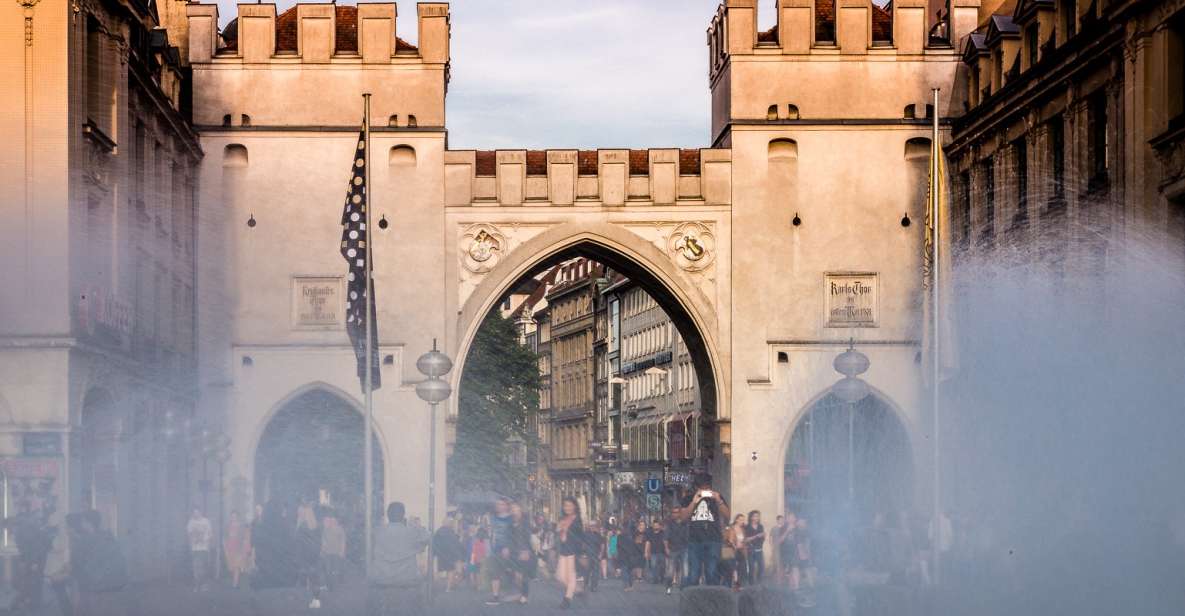
The meeting point is direct and easy: under the archway of Karlstor, Neuhauser Str. 47, 80331. From there, you’re not herded to a museum room. You stay outside, in the same walking rhythm as everyone else—except now you’re watching for meaning.
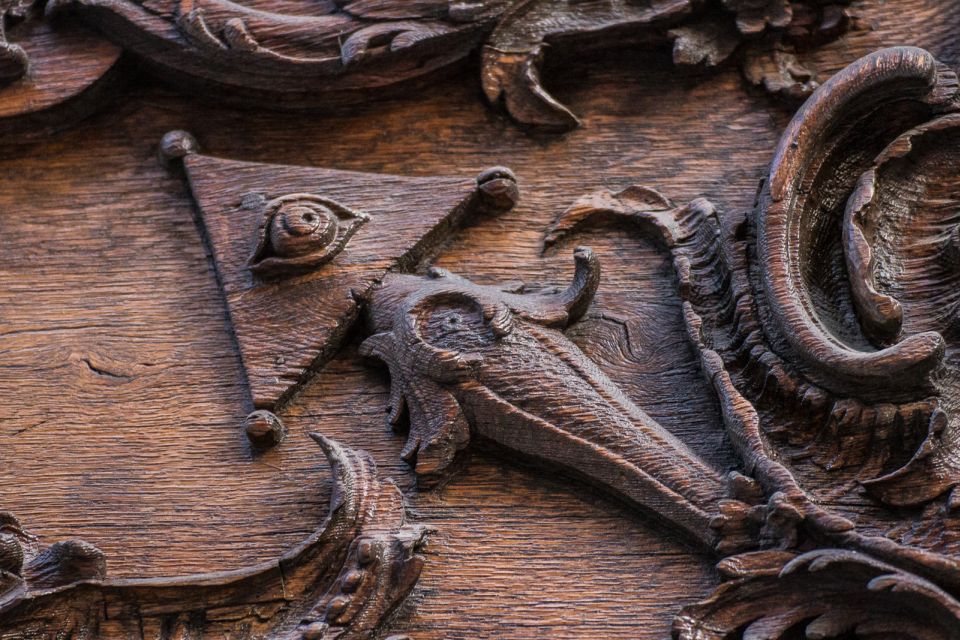
That’s the core trick of this tour. It takes symbols that people usually treat like party-favor mystery and turns them into something you can track visually. The guide points out details on buildings that you’d probably never notice on your own. And because the route is in the city center, you can keep your bearings and re-orient easily afterward.
In plain terms, you get the feeling of learning how to read the city. Not the tourist way—more like the local way, where meanings are layered into stone, arches, and facades.
If you like walking tours where the payoff is “I can look at this building differently now,” you’ll get it quickly.
You can also read our reviews of more tours and experiences in Munich.
From Knights Templar to Illuminati: what you’re really hunting
The tour’s theme is secret societies and hidden influence, but it doesn’t rely on scare tactics. The structure is: who they were, what people claimed about them, and why those claims stuck around in Munich.
You’ll move through a chain of names like Knights Templar, Freemasons, and Illuminati. The point isn’t to decide who was secretly in charge of the world. The point is to understand why these groups became magnets for power stories—religion, politics, trade guild identity, and elite networks all tangle here.
Here’s what makes it useful for you: the guide doesn’t treat “secret society” as one single thing. Instead, you learn that some groups were tied to improving the world, while others were framed as manipulating it. That contrast gives you a practical lens. You start noticing the difference between symbols used for craft/identity and symbols used for propaganda-style authority.
Also, the tour repeatedly circles back to Bavaria. That matters, because the setting changes the tone. Munich isn’t just a random European backdrop; it’s part of a regional story about rule, legitimacy, and social order.
Stop 1: Karlplatz and Karlsgate under-the-arch energy
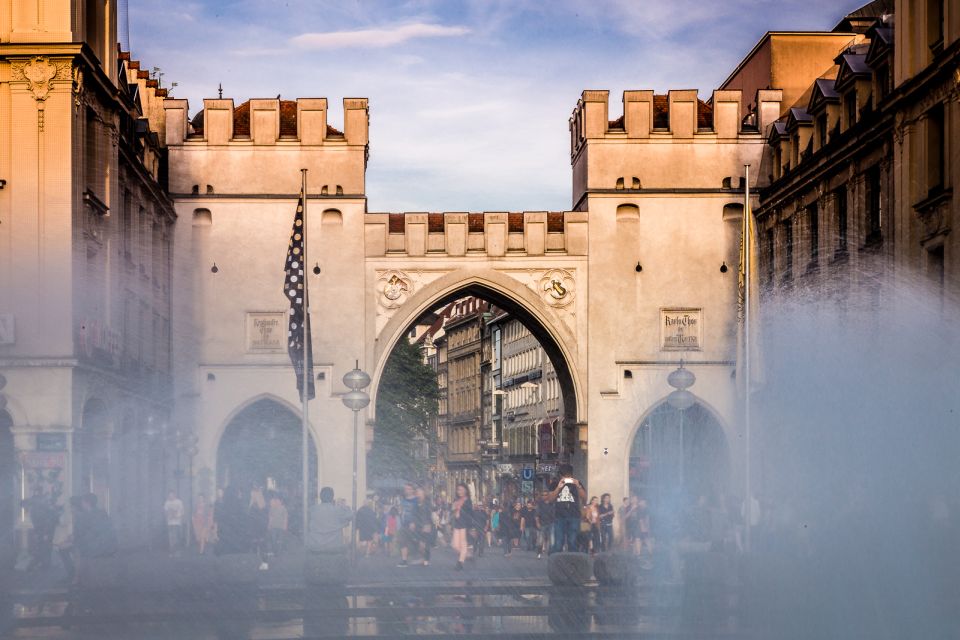
You start at Karlsplatz, directly under the arch of Karlsgate. That location isn’t accidental. Being under the gate/arch is like standing inside a frame. Visually, arches already suggest thresholds, permissions, passage. Symbol-minded tours like this often use that effect to help you “enter the story” fast.
Early on, the guide sets expectations with a theme: secret groups left marks across Munich. Some of those marks are literal symbols. Others are patterns in how power and institutions formed over time.
From the start, you should expect a guided scan. The guide will point at things you’d otherwise ignore—small emblems and shapes on the streetscape. You’re not expected to become an expert on minute craft marks in ten minutes. But you will start spotting the difference between decoration and emblem.
A quick tip: bring your phone camera, but use it only after you’ve heard what you’re looking at. Otherwise, you can end up photographing without learning.
Old Academy: where medieval craft meets modern mystery
One of the most interesting parts of this tour is the link between the Freemasons and the medieval world of building.
You’ll explore the origins of Freemasonry through the idea of medieval dombau huts—work spaces connected to cathedral and major building efforts. This is one of those “wait, that makes sense” moments. If you’ve ever wondered why certain symbols repeat in old European buildings, this type of craft-origin explanation helps you connect the dots.
The practical value here: you stop seeing the signs as pure fantasy. Instead, you see them as identity markers that grew out of organized skilled labor. When people later wrapped those traditions in secret meeting stories, the craft lineage became fuel for myths.
Old Academy is also a good place to calibrate your expectations. This isn’t a “look at this plaque and move on.” You’ll get narrative context for why symbol traditions survived into later centuries and why they keep getting associated with elite politics.
If you’re the kind of person who likes learning “how a myth gets built,” you’ll enjoy this stretch.
Michael’s Church and the symbol-reading mindset
Next you’ll go through Michael’s Church. Churches tend to be symbol magnets anyway, but on this tour you’re not just admiring architecture. You’re practicing a habit: noticing patterns and then hearing what the guide thinks those patterns meant in the context of secret-society lore.
This is where the tour becomes more than “word trivia.” Your guide helps you decipher symbols—so you’re not stuck with a list of strange claims. You’re taught a way of interpreting them.
That matters because secret-society stories often rely on symbolism without context. A guide who can translate the symbol language makes the difference between:
- cool images, and
- understanding what people believed those images were saying.
A small drawback here (and it’s a real one): if you want a strictly historical, source-heavy approach to every symbol claim, you might still feel you’re in story territory. The tour clearly leans into mystery and tradition. It’s still informative, but it keeps a narrative style.
Frauenkirche and the Munich “power map”
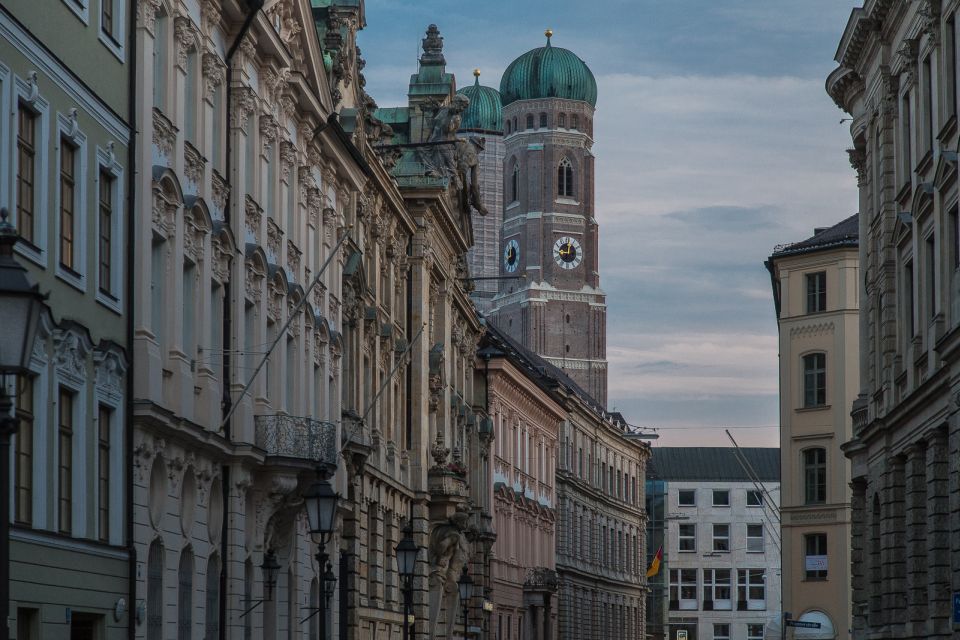
Then comes Frauenkirche. This stop helps you see how secret-society mythology overlaps with “who mattered” in the city.
Even if you already know Munich is full of power symbols—royal influence, church influence, guild influence—the tour connects those forces to the idea of secret societies as part of the social machinery.
This is the stretch that often clicks for people who think conspiracies are only modern. The story frames secret societies as something that can grow from medieval and early modern institutions, then later get reinterpreted by later generations hungry for meaning.
If you want a tour that makes you look at the city as a power map, this is a strong moment.
And yes, you’ll keep encountering emblem-type references tied to orders and insignia as you move through the center. It’s not just talk. The guide points you to what you can actually see.
Promenade square: putting the puzzle pieces together
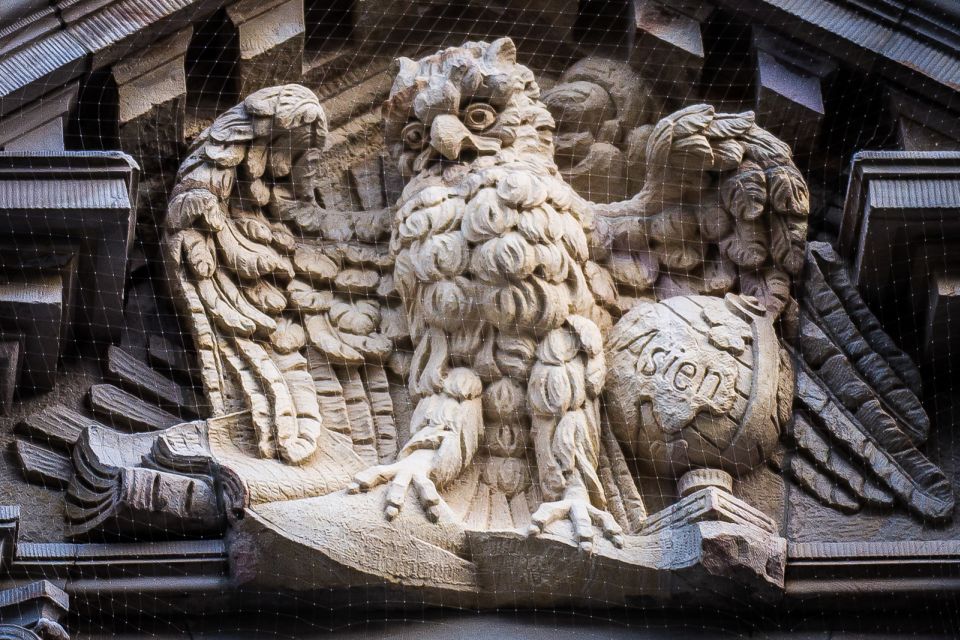
The tour ends at Promenade square. This is a good last stop because it lets you step back and see the route as a whole.
By this stage, you should be able to answer the tour’s big questions in your own mind, even if you don’t buy every claim as literal fact:
- Are these groups only Enlightenment-era radicals in the popular imagination?
- Or did they use influence in ways people couldn’t easily prove?
The guide also highlights specific threads you can carry with you, including the Order of the Golden Fleece and the fact that its insignia shows up in Munich repeatedly. That’s a useful takeaway because it gives you a “next time I’m here” mission. You’ll start noticing that order-related imagery on your own after the tour ends.
You’ll also hear about the Guglmen. That name alone is the kind of detail that makes the tour feel like it’s pointing at local lore you won’t find in a quick postcard guide.
And if you’re the type who likes to end a walking tour with a sense of closure, this finish does it. You’re not left with just “mystery.” You’re left with a working mental framework for spotting meaning.
The Bavarian Elector twist: how authorities respond to conspiracy
One of the most memorable elements is the focus on a Bavarian Elector and how he tried to end the conspiracies of the Illuminati and Freemasons.
That’s important because it shifts the story from “secret group exists” to “state reaction happens.” In other words, it shows you why secrecy becomes political. If local rulers felt threatened, that says something about how organized networks and reputation could matter.
This part of the tour also explains why you still find an aura of mystery around groups that no longer exist—at least officially. Even when the original organization is gone, the symbol trail can stay in the urban landscape. People then keep retelling it, because symbols are easier to remember than documented facts.
Is the tone conspiratorial? Sure, it’s a secret-society tour. But the Elector angle adds realism. It tells you that authorities didn’t treat these groups as harmless folklore.
What makes this tour great: Albert’s guide style
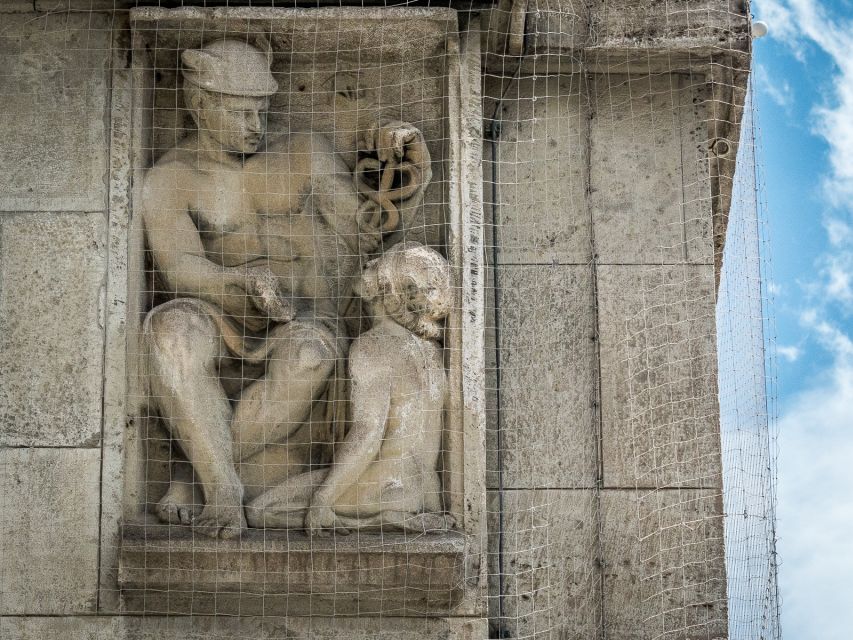
The standout praise is consistent: the guide (Albert) runs the tour in a way that feels structured, clear, and genuinely engaging. People liked that the tour is well designed and that the guide handles extra questions without shutting you down.
That matters for you because secret societies are a confusing topic. Names, symbols, and legends can blur if your guide is rigid. With Albert’s approach, you get the sense that your curiosity is allowed—and answers are part of the experience, not an afterthought.
You also get a tour format where the guide is actively pointing, explaining, and connecting. It’s not just a walk where you’re left to read signs alone.
If you speak German, you’re in luck. The tour is German-only (English is only available for a private tour). If German isn’t your thing, you might still enjoy it if you can follow the rhythm and visuals, but the real learning value depends on understanding the guide’s explanations.
Price and value for $29 in 2 hours
The price is $29 per person for a 2-hour live tour with a live guide and a small gift included. That’s strong value if you want a guided “symbol reading” experience without paying museum fees or committing half a day.
Here’s how to judge value for yourself:
- If you’re curious about symbols and European lore, you’ll get more than a typical “see the sights” walk because you’ll learn how to interpret what you’re seeing.
- If you only want hard, documented history with minimal speculation, you may feel the format is more narrative than academic. In that case, $29 might still be fair, but your satisfaction depends on your taste.
Also, because it’s 2 hours, it’s easy to fit into a Munich day. You’re not trapped in an all-day commitment.
One more practical note: the tour is wheelchair accessible, which makes it a more flexible option for mixed mobility groups.
Language and pacing: what can trip people up
This is a German tour. English is only available as a private tour. So if you’re planning based on language comfort, plan early.
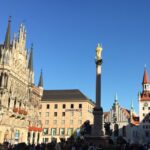
In terms of pace: it’s a city-center walk with multiple stops—Karlsplatz/Karlsgate, then key points around Michael’s Church, Frauenkirche, and Promenade square. That’s enough walking to feel like a real tour, but not so much that it’s exhausting for most people.
One consideration I’d flag: the tour covers multiple secret society threads, so it’s not purely Munich-only in focus. If you’re expecting every minute to be tightly laser-focused on Munich’s local history, be aware some parts may feel broader in theme.
Should you book this Illuminati & Secret Societies tour?
Book it if you want:
- a guided symbol hunt in Munich’s center,
- a story that connects Freemasonry origins to building traditions,
- clear explanations from a guide who handles questions well (Albert is the name to watch for),
- and a chance to see how power stories show up in real buildings.
Skip it if:
- you need a strictly historical, source-heavy approach with no storytelling flavor,
- or you only enjoy tours where every stop is intensely specific to one narrow local topic.
My take: for $29 and 2 hours, this is a fun, smart way to add meaning to places you’d already walk past. You won’t just see architecture. You’ll learn how to read it like it’s carrying messages.
FAQ
Is the tour in English?
The tour is in German. English is only available for a private tour.
How long is the Munich Illuminati & Secret Societies tour?
It lasts 2 hours.
Where do I meet the guide?
Meet directly under the archway of Karlstor, Neuhauser Str. 47, 80331.
What’s included in the tour price?
A small gift is included.
Is the tour wheelchair accessible?
Yes, the tour is wheelchair accessible.
Can I cancel for a refund?
Yes, you can cancel up to 24 hours in advance for a full refund.