REVIEW · MUNICH OLD TOWN WALKING TOURS
Paul’s Welcome Walking Tour in Old Town Munich
Book on Viator →Operated by Paul Riedel · Bookable on Viator
Munich can feel big on day one. This Old Town walking tour turns landmarks like Frauenkirche and Marienplatz into a story you can remember. I like how the guide connects beer, art, politics, and royalty into one easy route. I also like that you get a real takeaway: a Munich welcome book from the artist Paul Riedel. One consideration: the pace is quick, so if you want long interior time, you’ll probably need extra visits afterward.
The tour is built for first-time visitors who want direction fast. You’ll walk with a professional local guide in a small group (maximum 10 people included), and the whole experience runs about 1 hour 30 minutes. It’s the kind of overview that helps you plan your next days with confidence, not guesswork.
In This Review
- Key Points That Make This Tour a Smart First Step
- Why Munich’s Old Town Needs a Guided Start
- Meeting at Karlstor and the Munich Story Begins
- Karlstor to Augustinerbrau: Brewing Culture Comes First
- Michaelskirche and the Ludwig II Connection
- Alter Hof to Hofbräuhaus: Political Power Meets Beer Legends
- Frauenkirche and Marienplatz: From Devil Stories to City Founding
- Viktualienmarkt: Where the Food Scene Fits the History
- Finishing at Odeonsplatz: What You Can Do Next
- The Paul Riedel Welcome Book: A Real Use-Afterhand Gift
- Guides, Language, and the Odds You’ll Get a Great One
- Price and Value: $52.09 for an Orientation-Level Win
- Timing, Pace, and What to Wear
- Who This Tour Suits Best
- A Quick Look at Real Expectations at Each Stop
- Should You Book Paul’s Welcome Walking Tour in Old Town Munich?
- FAQ
- Where do you meet and where does the tour end?
- How long is Paul’s Welcome Walking Tour in Old Town Munich?
- How many people are in the group?
- Is the tour in English?
- What do I receive with my ticket?
- Can I cancel for a refund?
Key Points That Make This Tour a Smart First Step
- Small-group pace: keep it personal with a maximum of 10 in the included group, with the overall cap listed at 15
- Paul Riedel welcome book: one per booking, designed to help you keep going after the walk
- Beer history on real streets: stories tied to Augustinerbrau and the Staatliches Hofbrauhaus area
- Royalty and power, not just landmarks: Ludwig II and the Wittelsbach family come up
- Short stops with insider angles: each location is timed for orientation and quick context
Why Munich’s Old Town Needs a Guided Start
If your first hours in Munich feel like you’re looking at buildings without a map of meaning, this tour fixes that. You’re not just walking from point A to point B. You’re learning how Munich’s identity got shaped—through brewing culture, shifting power, and the arts—right where you’re standing.
You’ll cover the kind of sights that show up on every postcard, but the guide’s job is to make them feel human. Instead of treating famous places like museum labels, you get stories you can repeat to friends later. And because it’s a small group, you’re more likely to ask questions and get straight answers.
You can also read our reviews of more walking tours in Munich

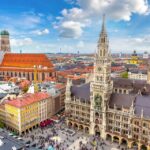
Meeting at Karlstor and the Munich Story Begins
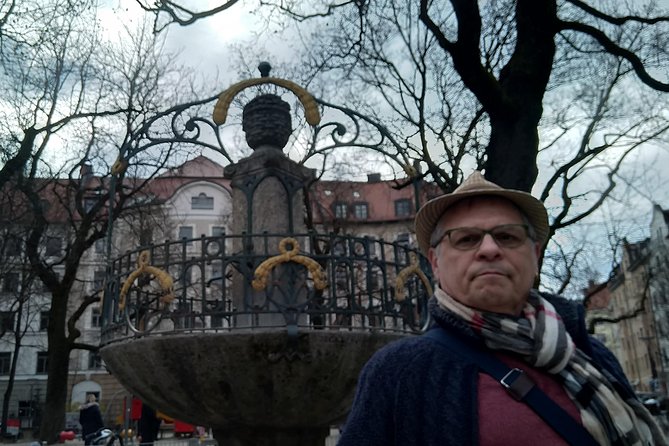
You start at Karlstor on Neuhauser Strasse. It’s a practical meeting spot and a classic “you’re in the city center now” feeling. From the first minutes, the tour sets expectations: you’ll be moving at a walkable rhythm, with frequent short moments to orient yourself.
This is one of the tour’s strengths—you learn the city layout without feeling rushed beyond the planned pace. If you’re the type who likes to know what you’re seeing before you commit to a longer visit later, you’ll appreciate the way the guide frames each stop. And if you’re traveling with questions—history, food, or even how Munich politics and royalty show up in everyday life—you’ll have room to ask.
Also, the tour runs in smart casual dress. That’s code for: comfortable walking shoes and nothing fancy needed.
Karlstor to Augustinerbrau: Brewing Culture Comes First
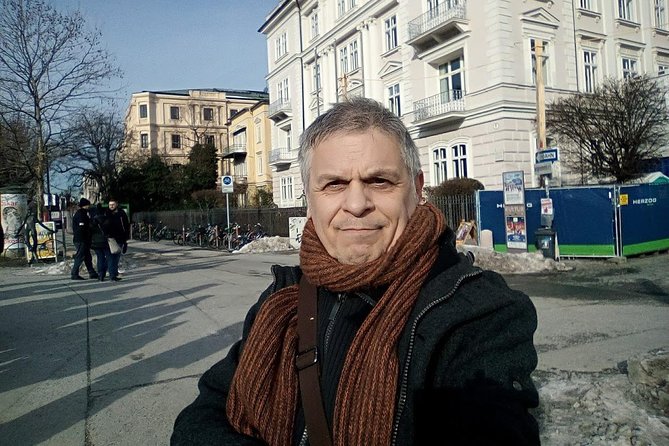
At the next stop, you spend time at Augustinerbrau, with the guide pointing you toward the story behind the place. The highlight here is the way the guide ties beer culture to Munich’s built environment. You’re not learning beer history as a separate topic—you’re learning it as part of the city’s architecture and pride.
This is a good early segment for two reasons. First, beer is one of Munich’s easiest entry points. Second, it gives you a theme you’ll keep hearing throughout the walk, so later stops land better.
If you’re thinking you might skip the “beer talk,” don’t. Even if you don’t drink much, the brewing references are how you understand local identity—who mattered, what traditions stuck, and why certain places became anchors.
Michaelskirche and the Ludwig II Connection
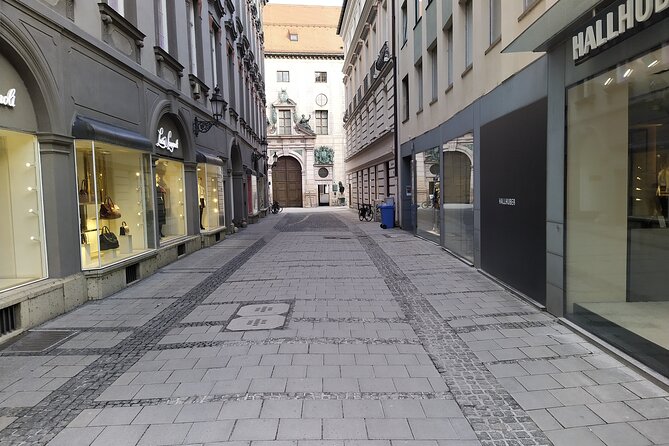
Next up is Michaelskirche. The tour includes a key possibility: you’ll try to visit the mausoleum of King Ludwig II if it’s possible. Even when you can’t go inside for every element, the framing still matters, because Ludwig II is one of the names that ties Munich to wider German history and the shift from medieval power to modern myth.
Here’s the practical angle: churches can be visually impressive, but without context they blur together. This stop gives you a thread to follow. You learn who Ludwig II is in the story of Munich, and you get the kind of detail that makes your later museum visits feel less random.
A small consideration: because it’s conditional whether you can visit the mausoleum, don’t plan your entire Ludwig II interest around getting that exact interior experience during this tour.
Alter Hof to Hofbräuhaus: Political Power Meets Beer Legends
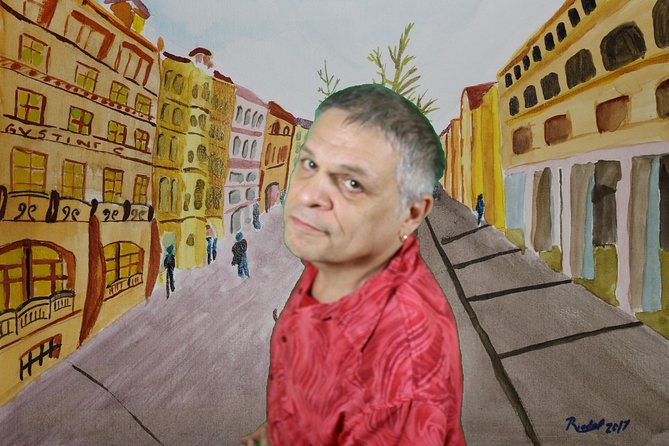
At Alter Hof, you’ll hear more beer stories and the mention of the Affenturm (the Monkey Tower). That detail is useful because it gives the tour a sense of place and personality. Munich isn’t all grand ceremony; it also has quirks that show up in architecture and street-level lore.
Then you move to the Staatliches Hofbrauhaus area. The tour keeps the beer theme going with stories tied to the hall and to Aloysius, a character the guide uses to bring the setting to life. This is where a guided walk really helps. Even famous buildings can feel intimidating when you’re unsure what to notice.
One tip: this portion of the walk is a good time to mentally map the route for later self-guided time. After the tour, you’ll know what’s worth returning to, and you’ll feel less like you’re hunting for the right streets.

Frauenkirche and Marienplatz: From Devil Stories to City Founding
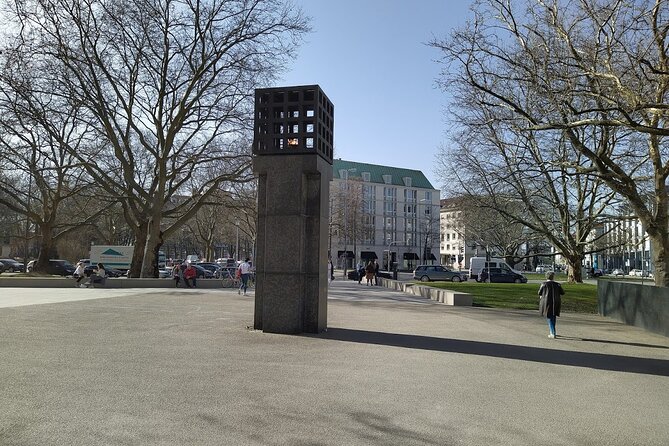
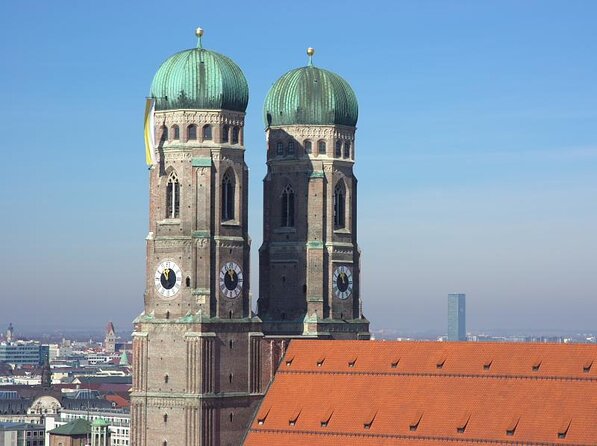
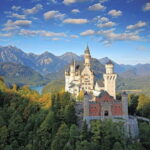
The tour reaches Frauenkirche, where you’ll hear about Meister Jörg Halspach and the Teufel (the devil). This is one of those stories that helps you see a landmark as part of local storytelling, not just an impressive skyline feature.
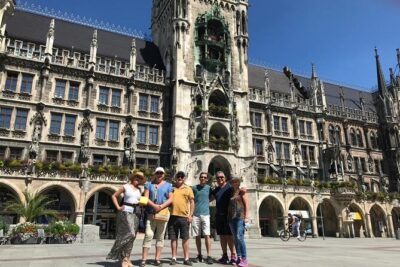
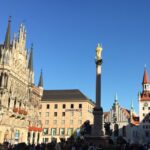
Then comes Munich Marienplatz, tied to the family Wittelsbach and the founding story of the city (as presented by the guide). This stop matters if you want to understand why Munich looks the way it does today. You’ll get historical context that connects the old ruling family to the places you’re standing in.
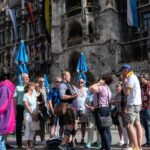
This is also where you’ll likely appreciate the group size. In a crowded square, it’s easier to follow directions and hear a guide when the group isn’t enormous. And because you’ll spend time at each key point rather than rushing straight through, your mental map starts to click.
Viktualienmarkt: Where the Food Scene Fits the History
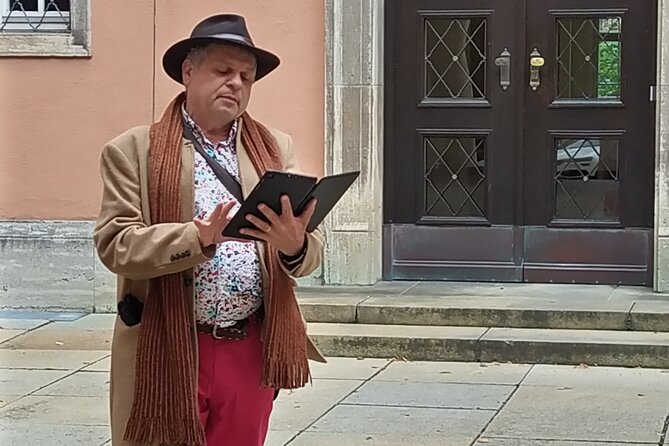
At Viktualienmarkt, the tour shifts from royalty and churches into something more lived-in: the local food and the Munich scene. You’ll hear about Sedlmeier, plus the bars of Heiliggeistgasse, and how this part of town connects to local nightlife and culture.
This stop is a strong payoff because it’s immediately useful. Once you understand what the guide considers important here, you’re better prepared to choose your own food and drink later. You’ll also have better language for asking for recommendations because you’ll know the areas and the vibe the guide is talking about.
If you like markets, you’ll probably want to keep walking through Viktualienmarkt after the tour ends—at your own pace this time. The guide’s job is orientation and context; your job is to turn it into your kind of day.
Finishing at Odeonsplatz: What You Can Do Next
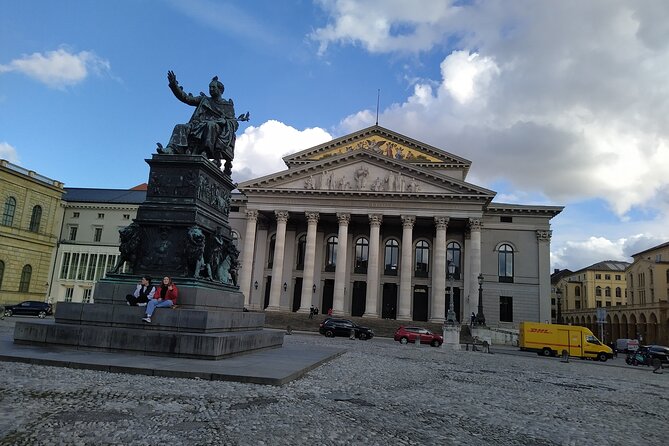
The tour ends at Odeonsplatz. That finish point is convenient because it leaves you in a central area where you can branch out. Even if you don’t have your full itinerary planned yet, you’ll now understand how the Old Town pieces connect.
I like ending routes like this because they don’t strand you somewhere odd. You get a clear finish, and you can decide what to do next based on what you found most interesting during the walk. If beer stories were your favorite parts, you’ll know which direction to go. If you cared more about royal names and church legends, you’ll know where to spend extra time.
The Paul Riedel Welcome Book: A Real Use-Afterhand Gift
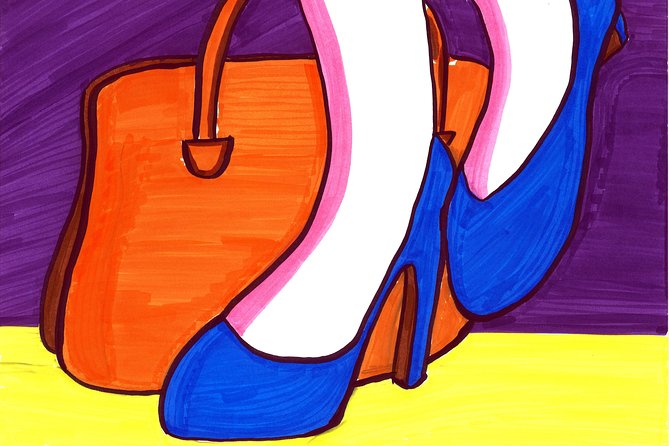
One of the best practical parts is the included gift: a Munich welcome book from the artist Paul Riedel (one per booking). This isn’t just a souvenir folder you toss later. It’s meant to help you continue exploring after the tour.
When you’re traveling, information fades quickly. A written guide you take with you makes it easier to remember what mattered. It also helps you avoid the tourist trap of re-asking the same questions in different forms. If the walk gave you a handful of story anchors—beer places, royal connections, key squares—your book helps you turn those anchors into decisions.
If you’re the type who likes to structure your travel days, this is a smart inclusion. If you prefer spontaneity, it still helps you choose less randomly.
Guides, Language, and the Odds You’ll Get a Great One
The experience is led by a professional local guide, and the tour may be operated by a multi-lingual guide. English is generally used.
In past runs, the guide has been described as Freya and also as Paul. That matters because both names show you this tour isn’t run by a faceless team. You’ll get someone who clearly enjoys the material and can answer questions across eras—from medieval references to the modern city.
That said, you’re still doing a guided overview. The tour is designed to be informative, not academic. You’ll get enough detail to understand the city, and enough stories to keep it interesting.
Price and Value: $52.09 for an Orientation-Level Win
At $52.09 per person, this is not a budget freebie. But it can be good value if you’re using it the way it’s meant to be used: as your first-day orientation.
Here’s why I think it’s worth considering. You’re paying for several things at once:
- a professional local guide (small group, maximum 10 included)
- a welcome book (one per booking)
- a route that covers the big Munich landmarks tied to themes you’ll care about later
If you’re the kind of traveler who hates wasting time walking around without direction, paying for a structured walk can save money in the long run. You spend less on random tickets and more on the visits you actually choose on purpose.
Timing, Pace, and What to Wear
The tour runs about 1 hour 30 minutes, with individual stops ranging roughly from 5 to 15 minutes. That short-stop structure is great for first-time visitors, but it also means you should not expect long time inside every site.
Dress is smart casual. I recommend wearing comfortable shoes even if you plan to look nice. Old Town surfaces can be uneven, and you’ll feel it more when you’re moving consistently for 90 minutes.
If you want photos, bring a fully charged phone/camera. You’ll hit the classic photo spots at a rhythm that works, but you won’t have endless time to pose.
Who This Tour Suits Best
This is a great fit if:
- you’re in Munich for a short visit and want fast orientation
- you want beer culture, but also politics, royalty, and art connections
- you like asking questions and getting local recommendations
- you prefer a small group over big bus-style sightseeing
It’s less ideal if:
- you want deep museum-level time inside churches every time you stop
- you’re highly sensitive to walking pace or prefer long stops at fewer locations
A Quick Look at Real Expectations at Each Stop
Here’s the “what it feels like” version of the route:
- Karlstor starts you in the right part of the city center
- Augustinerbrau brings in beer and architecture early
- Michaelskirche adds Ludwig II context, with a possible mausoleum visit
- Alter Hof connects stories to older power structures and quirky landmarks like the Affenturm
- Staatliches Hofbräuhaus keeps the brewing thread going with character-driven stories like Aloysius
- Frauenkirche adds legend and local lore around Halspach and the devil
- Marienplatz ties the city’s founding and Wittelsbach influence to what you see
- Viktualienmarkt translates everything into food and drinking area context, including Sedlmeier and Heiliggeistgasse bars
- Odeonsplatz ends the tour at a place that supports easy next steps
That structure is why the tour works. It doesn’t just list landmarks. It builds connections.
Should You Book Paul’s Welcome Walking Tour in Old Town Munich?
I’d book this if you want a guided framework for your Munich days. The route hits major sights—Frauenkirche, Marienplatz, and Viktualienmarkt—but the real value is the way the guide connects those stops to beer, royalty, and local storytelling. Add the Paul Riedel welcome book, and you get something practical to carry forward.
If you’re traveling with someone who gets bored by history lectures, this still works because the stories are tied to real places. If you’re a history lover, it also works because Ludwig II and the Wittelsbach family are not treated as name-drops.
One last check before you commit: if you hate walking on short schedules or you want long interior time at religious sites, you may find the stop lengths a bit tight. But for most first-timers, this is one of the cleanest ways to get your bearings fast.
FAQ
Where do you meet and where does the tour end?
You meet at Karlstor, Neuhauser Str., 80331 München and the tour ends at Odeonsplatz, Odeonspl., 80333 München.
How long is Paul’s Welcome Walking Tour in Old Town Munich?
The duration is about 1 hour 30 minutes.
How many people are in the group?
The experience includes a small group of maximum 10 people, and the tour is listed with a maximum of 15 travelers overall.
Is the tour in English?
Generally, the tour is conducted in English, but it may be operated by a multi-lingual guide.
What do I receive with my ticket?
You get a welcome book from the artist Paul Riedel (one per booking).
Can I cancel for a refund?
Yes. You can cancel up to 24 hours in advance for a full refund. If you cancel less than 24 hours before the start time, the amount paid will not be refunded.