REVIEW · GUIDED
Munich’s 500 Years of Architecture Guided Tour
Book on GetYourGuide →Operated by Philipp's Munich Tours · Bookable on GetYourGuide
Munich in 2 hours, with real stories. I love how the tour moves chronologically through styles you can actually spot on buildings, and I also like the stop at the Isar area where history slows down. One thing to consider: it’s a lot of walking in winter, so plan around comfortable shoes and cold weather.
The guide, Philipp, keeps the pace friendly but focused. You’ll get a guided look at Gothic, Renaissance, Baroque, Neo-Classicism, Historicism, and then jump to Jugendstil, with chances to step inside major landmarks and even mix in a medieval-style Christmas market along the way. If you want architecture explained in plain language, with legends and royal tales added to the bricks, this tour is a strong value for $36.
In This Review
- Key highlights you’ll feel during the walk
- Where Philipp starts: Frauenkirche meeting point and how to arrive
- The 500-year timeline: how Munich’s architecture makes sense in order
- Frauenkirche to St. Michael’s: Gothic to Renaissance, with real interior time
- Trinity Church, Theatine Church, and the royal flavor behind the stones
- Bavarian State Opera and Maximilianstraße: where Munich shows its big-city confidence
- St. Lukas and Müllersche Volksbad: lesser-noticed stops with meaning
- The tram to the Isar River: a break from Old Town energy
- Jugendstil, street art, and the Sudetendeutsches Museum ending
- What to bring and what to notice during a cold, fast-paced 2 hours
- Price and value: is $36 a fair deal for this much architecture?
- Who should book this tour with Philipp?
- Should you book this Munich architecture tour?
- FAQ
- How long is the Munich 500 Years of Architecture Guided Tour?
- Where do I meet the guide?
- What buildings and areas are included?
- Are there interior visits?
- Is the tour offered in English and German?
- Is this tour suitable for wheelchair users or mobility impairments?
Key highlights you’ll feel during the walk
- Frauenkirche start at Frauenplatz: a landmark-driven kickoff that sets the 500-year timeline fast
- Up to three inside visits: you get building access without the day-long museum grind
- Gothic to Jugendstil in one route: styles are shown in order, not in random blocks
- Tram ride to the Isar River: a built-in break from Old Town crowd energy
- Alte Utting along the river: a famous riverfront stop mentioned as a standout by The New York Times
- Sudetendeutsches Museum finish: the tour ends with a modern note, not just old stones
Where Philipp starts: Frauenkirche meeting point and how to arrive
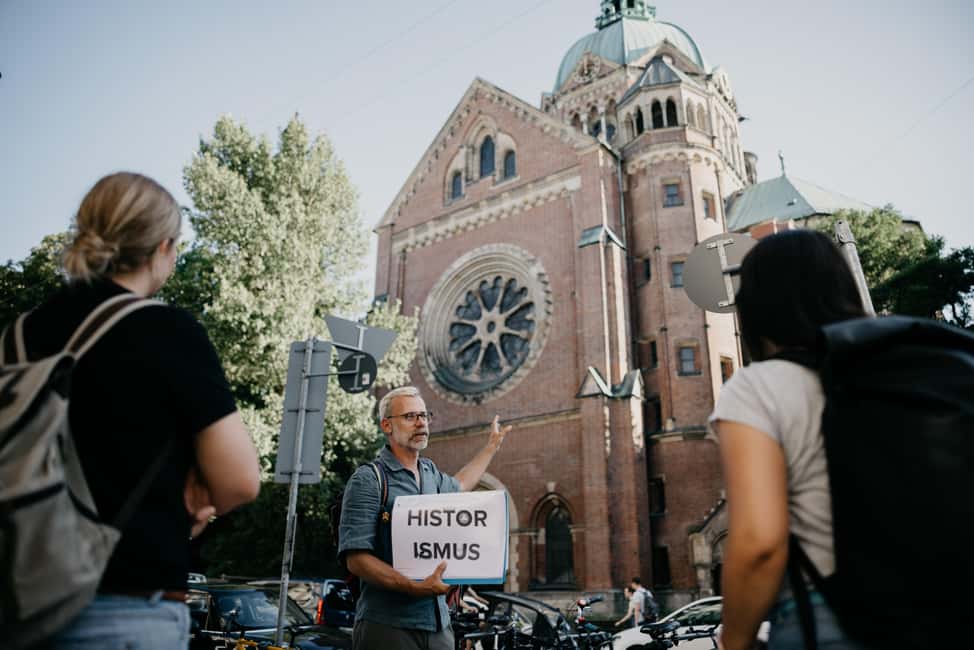
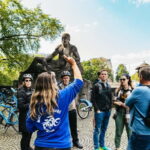
The tour begins outside Frauenkirche at Frauenplatz 1. Philipp is easy to spot: a yellow winter hat, a yellow backpack, and a large blue presentation folder. It’s the kind of meeting point that helps you get your bearings quickly, even if you’re new to the center.
Getting there is simple. If you use transit, aim for the U3/6 stop at Marienplatz and walk about five minutes. From Munich Hauptbahnhof, expect roughly a 15-minute walk. The route ends back at the same meeting area, so you’re not left hunting for a finish point through central Munich.
Two practical notes for a smooth start. First, this is a winter-friendly walk, so dress warm and bring a camera if you care about details on facades and interiors. Second, it’s not a slow stroller tour; it’s designed for people who don’t mind steady walking.
You can also read our reviews of more guided tours in Munich


The 500-year timeline: how Munich’s architecture makes sense in order
What makes this tour work is the structure. You’re not just bouncing between famous buildings. You move through Munich’s changes by era, starting in the late 1400s and stepping forward through each major style phase you can recognize in stonework, layout, and decoration.
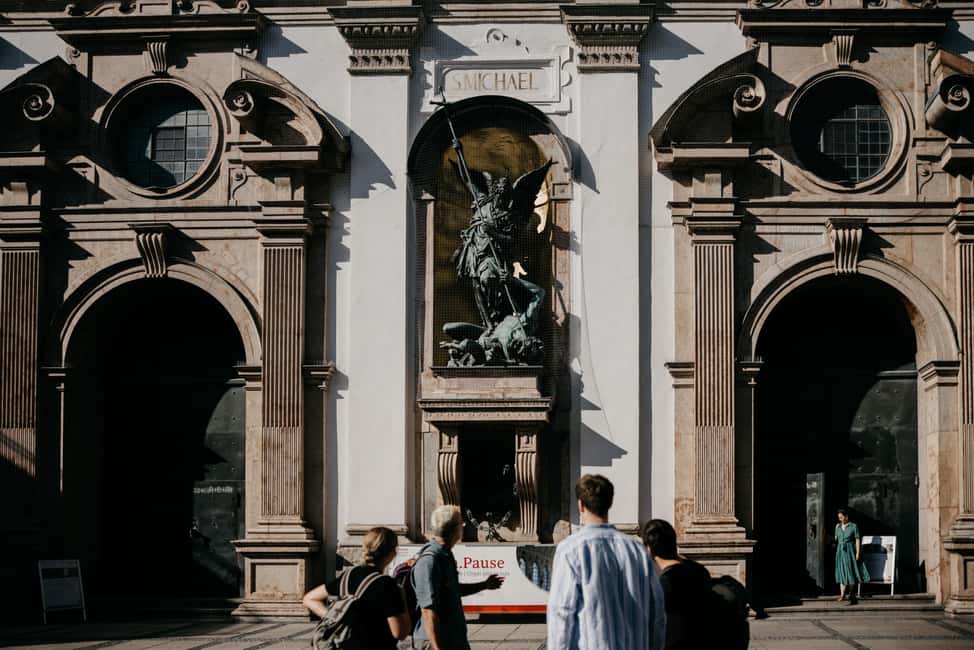
You begin with Gothic at the Frauenkirche. From there, the tour keeps you oriented as it shifts toward the Renaissance with St. Michael’s Church. Then you’ll move into Baroque splendor, Neo-Classicism elegance, and Historicism. Along the way, Philipp adds legends and royal-family stories so the buildings don’t feel like lecture slides.
Finally, you don’t end in the past. The route transitions to Jugendstil (Art Nouveau), plus street art and a modern museum finish. That matters because Munich didn’t stop at old churches. The city keeps changing, and the tour gives you that connection.
Frauenkirche to St. Michael’s: Gothic to Renaissance, with real interior time
The first big anchor is Frauenkirche, the Cathedral of Our Lady. This is where you start the story of Munich architecture, and you’ll see why it’s such a defining skyline point in the city center. The guide’s job here is to help you look beyond the obvious silhouette and understand what makes the Gothic feel different from what comes later.
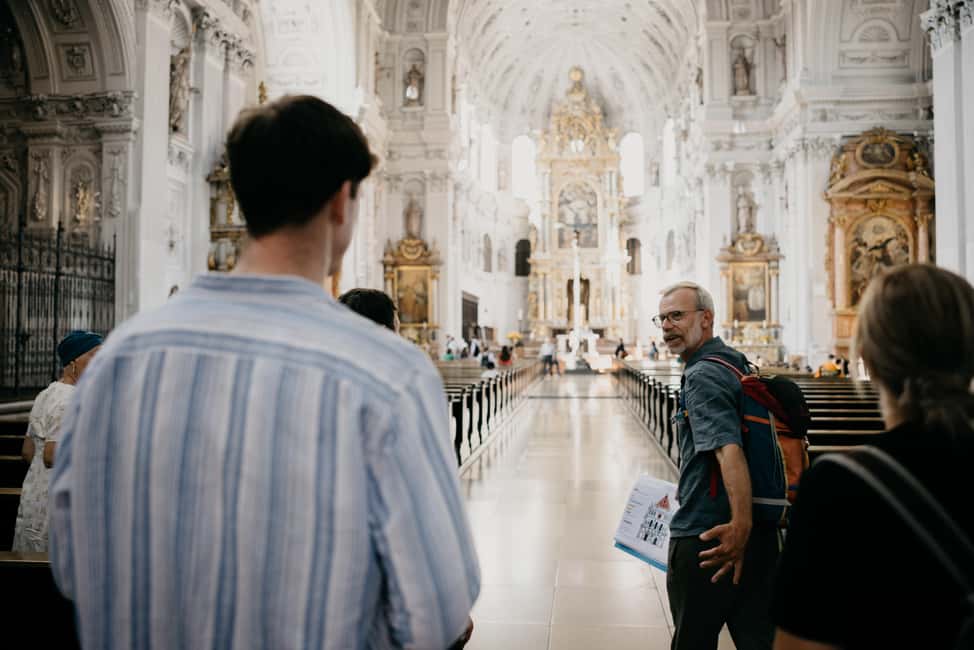
Next comes St. Michael’s Church, highlighted as the Renaissance masterpiece on the timeline. This is one of the best moments on the route because you can compare eras back-to-back. Gothic leans toward height and drama; Renaissance brings a different sense of order and proportion, and you feel it in how the church is put together.
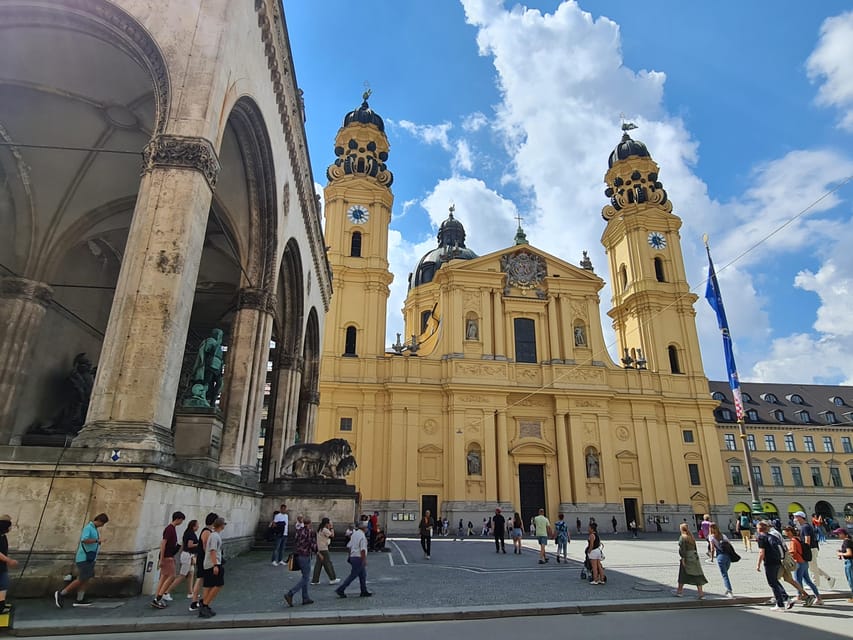
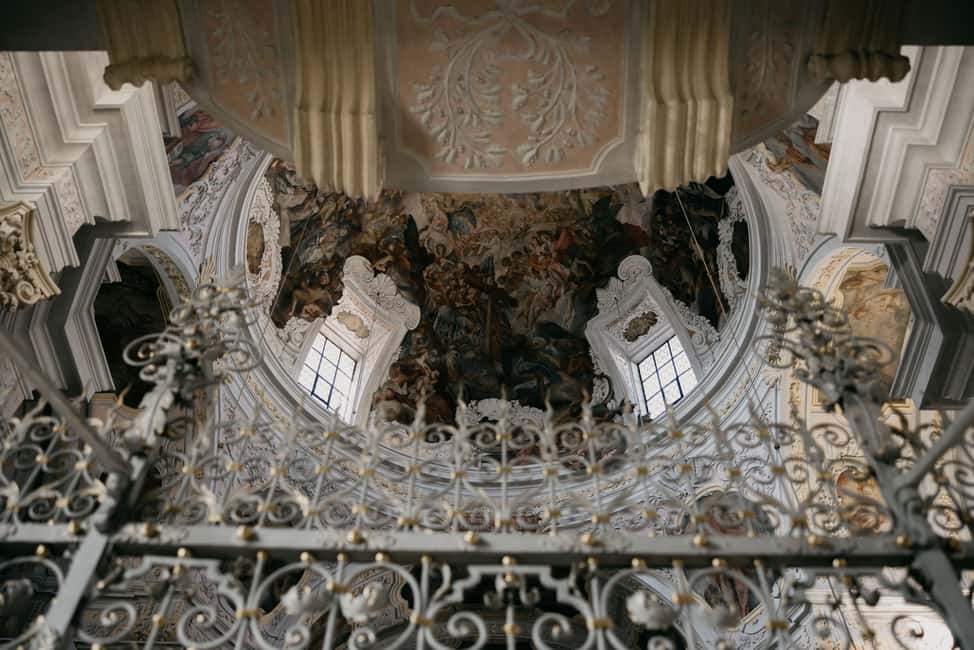
The tour also includes visits to Trinity Church and Theatine Church. Even if you’re not the kind of person who memorizes architectural terms, these stops are useful because you start spotting patterns: how ornament changes, how facades and interiors signal the period, and how the city’s religious architecture evolves as power and taste shift.
One small consideration: the tour includes a chance to visit up to three impressive buildings from the inside. Since you’re visiting several sites, you might not get interior access for every stop every time. The key is that the tour is designed to give you meaningful interior time rather than only exterior pictures.
Trinity Church, Theatine Church, and the royal flavor behind the stones
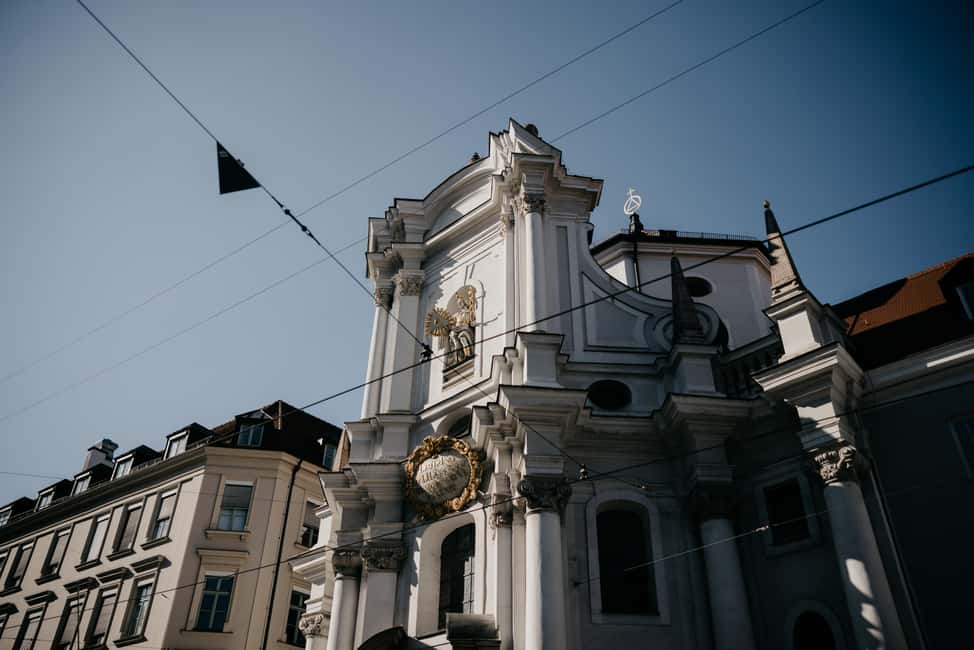
Trinity Church and Theatine Church aren’t just pretty stops. Philipp frames them with stories that connect architecture to people and power. You’ll hear royal tales and amusing legends, plus the darker chapters that sit behind any old European capital.
This kind of storytelling is practical. When you learn why a building mattered to rulers, it changes how you look at it. You stop thinking of churches only as religious landmarks and start seeing them as political statements, civic identity, and public art.
If you’re a visitor who likes structure in your sightseeing, this portion is a good fit. The tour doesn’t throw facts at you; it ties the stops together so each one feels like part of the same long conversation.
Bavarian State Opera and Maximilianstraße: where Munich shows its big-city confidence
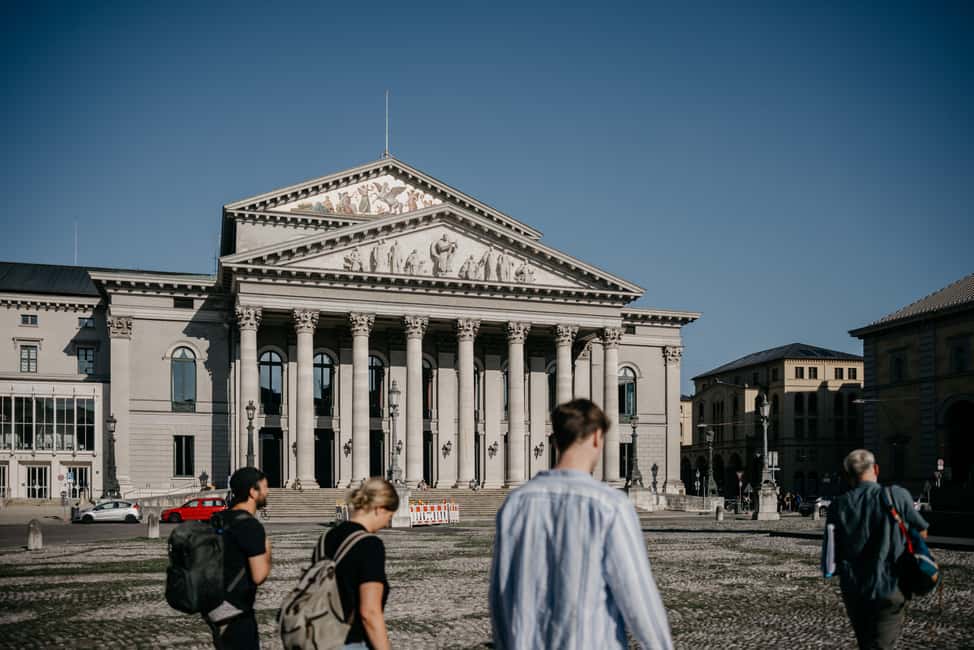
After the churches, the route shifts into grand civic space. You’ll visit the Bavarian State Opera, then walk with guided focus along Maximilianstraße. This is the part where Munich looks less medieval and more city-planning confident.
Maximilianstraße is useful because it teaches you how “style” isn’t only found on one building. It’s also in streets, alignments, and the way the city arranges itself for status and movement. Philipp’s guided talk here helps you connect the architecture to how people actually experience the city: where sightlines lead, how grand buildings shape the feeling of a neighborhood, and why certain areas feel more formal.
For photography lovers, this stretch is also practical. You get a mix of exterior detail and city-scale views, without needing extra tickets or a long detour.



St. Lukas and Müllersche Volksbad: lesser-noticed stops with meaning
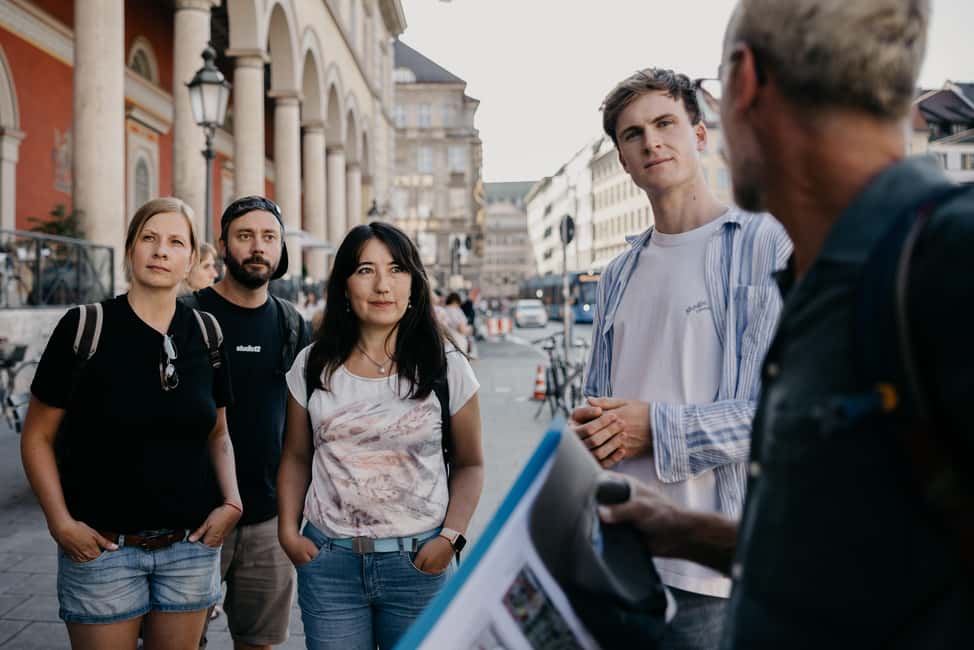
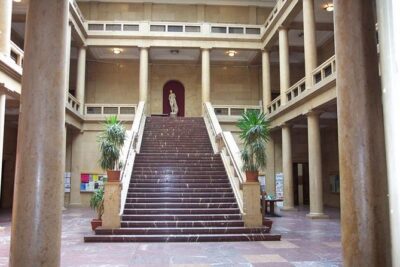
The tour doesn’t stop at only the postcard landmarks. You’ll get guided visits and stops at St. Lukas and Müllersche Volksbad. These spots matter because they widen your sense of what architecture can do in a city.
Places like Müllersche Volksbad help you remember that architecture isn’t only about royal power and churches. It also includes everyday civic life—public spaces meant for health, gathering, and community. St. Lukas adds another layer to the timeline, showing how religious architecture fits into Munich’s broader evolution.
If you’re trying to avoid the trap of only seeing the most famous two or three buildings, this is where the tour pays off. The guide keeps the story going, so these stops don’t feel like filler.
The tram to the Isar River: a break from Old Town energy
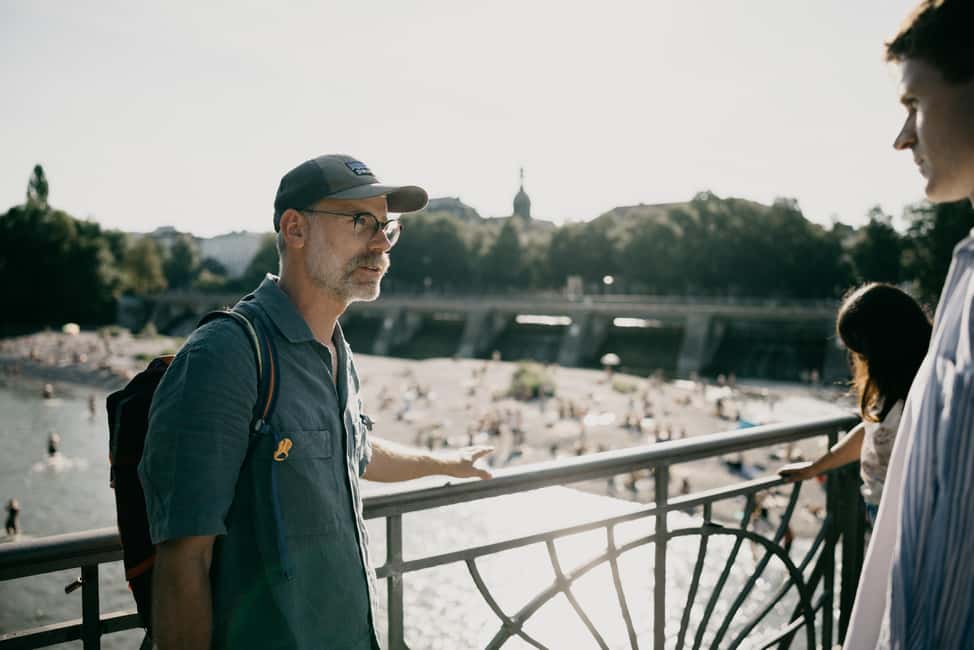
Then comes the smart reset: you hop on a tram to the Isar River. This is built into the tour plan to take you away from the busiest central streets and put you somewhere calmer.
Along the Isar, Philipp points out areas connected to “two world records” referenced in the tour theme. You don’t just get a scenic walk here. You get context that ties the river setting back to Munich’s quirky public identity and architectural landmarks.
One of the most talked-about points in the tour concept is the Alte Utting. It’s an iconic riverfront element, and it’s specifically praised by The New York Times. Even if you’ve never heard the name before, you’ll understand why it draws attention once the guide places it in the riverfront story.
I also like this segment because it changes your pace. After city-center buildings and concentrated sightseeing, you get fresh air, more open views, and a calmer rhythm before the tour’s final phase.
Jugendstil, street art, and the Sudetendeutsches Museum ending
After the river break, you move into the tour’s later creative chapter: Jugendstil (Art Nouveau). This is a good shift because it feels like Munich expressing itself in a new visual language rather than repeating older templates.
You’ll also see street art as part of the route, which helps the Art Nouveau theme feel less like a museum concept and more like a living city style. Philipp keeps the links clear, so it doesn’t feel random.
The tour finishes at the Sudetendeutsches Museum. Ending at a museum makes sense for this kind of architecture walk. You’re not only looking at buildings for two hours. You’re given a place to land the story, with a modern cultural stop after all the earlier eras.
If your goal is to come away with a sense of Munich’s full timeline—from Gothic to modern expression—this ending does the job.
What to bring and what to notice during a cold, fast-paced 2 hours
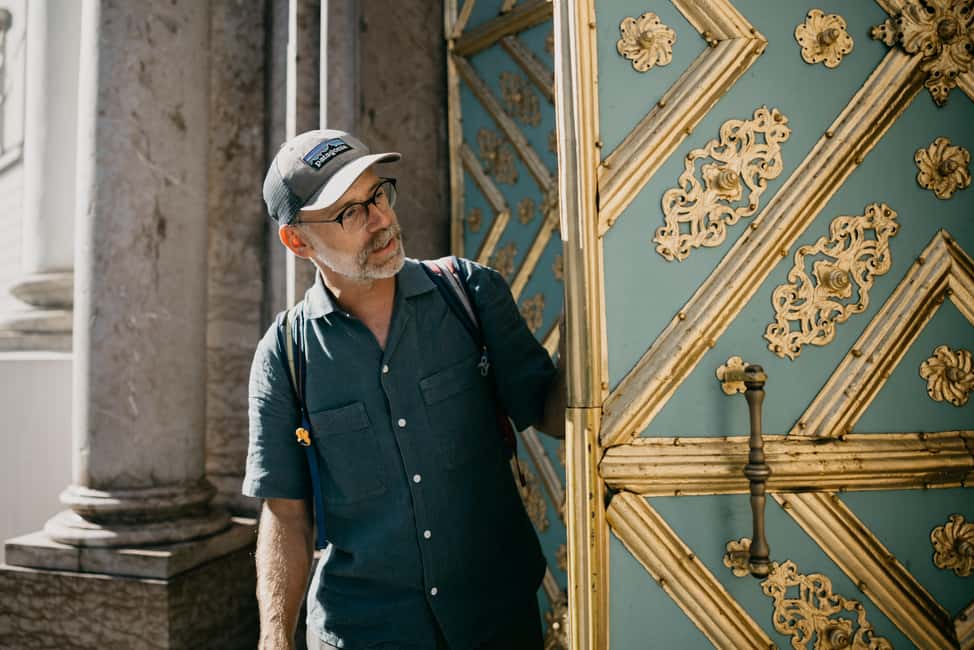
Bring comfortable walking shoes. The tour is short, but it’s a steady route through multiple neighborhoods and several major stops. Also bring warm clothing and a camera—many of the best details are on facades, church interiors, and riverfront structures.
For your eyes, focus on contrasts between eras. When you see Gothic, notice height and drama. When the tour moves toward Renaissance, notice proportion and a different sense of order. When Baroque comes in, watch for richer ornament and theatrical effect. And when Jugendstil appears, look for the more playful, decorative language.
Finally, show up ready to listen. Philipp’s style is friendly and present, and he keeps the facts connected to the place. That’s what turns a list of buildings into a story you’ll remember after the walk.
Price and value: is $36 a fair deal for this much architecture?
At $36 per person for a 2-hour guided route, this tour is priced like a focused walking experience rather than a big-ticket full-day excursion. The value comes from what you actually get in that time: a guided tour across eras, visits to major churches and civic buildings, a tram ride to the Isar, and chances to go inside up to three impressive buildings.
You’re also getting multiple Christmas markets included. That matters in winter, because markets can eat up time if you explore on your own without a plan. Here, the tour builds market time into the schedule while keeping the architecture story moving.
One trade-off: food and drinks are not included. So if you want a meal or mulled wine, you’ll need to budget separately. But that also means you’re not locked into a set menu or a group dining stop. You can grab something nearby on your own schedule.
If you like architecture but don’t want to spend the day navigating alone, this tour hits a sweet spot.
Who should book this tour with Philipp?
This is a great fit if you want architecture explained in a way that stays connected to real stories—royal legends, amusing anecdotes, and the darker side of old-city life—without getting stuck in a long lecture.
It also works well if you’re sightseeing with limited time. Two hours is enough to cover a lot of key eras and end with a modern museum stop, plus a tram ride to the Isar.
It’s not a great match if you have mobility limits. The tour is not suitable for wheelchair users or people with mobility impairments, and it isn’t designed for people over 95 years.
Should you book this Munich architecture tour?
I’d book it if you want an efficient, guided way to understand Munich’s architecture from Gothic to Jugendstil, with the Isar River as a real change of scenery. Philipp’s route structure helps you learn faster, because the eras are presented in order, and the stories give you a reason to care about what you’re seeing.
Skip it if you’re hoping for an easy, slow stroll with minimal walking or if you need strict accessibility support. Also skip it if you prefer long, quiet museum time and want zero outdoor winter exposure.
If your goal is one strong architecture experience in a short window, this tour is a smart choice.
FAQ
How long is the Munich 500 Years of Architecture Guided Tour?
The tour lasts 2 hours.
Where do I meet the guide?
Meet Philipp outside the main entrance to Frauenkirche at Frauenplatz 1.
What buildings and areas are included?
You’ll visit major landmarks including Munich Frauenkirche, St. Michael’s Church, Trinity Church, Theatine Church, the Bavarian State Opera, Maximilianstraße, St. Lukas, Müllersche Volksbad, and the Sudetendeutsches Museum. The route also includes the Old Town and the Isar River area, plus Christmas markets.
Are there interior visits?
The tour includes a chance to visit up to three impressive buildings from the inside.
Is the tour offered in English and German?
Yes. The live guide speaks English and German.
Is this tour suitable for wheelchair users or mobility impairments?
No. It is not suitable for wheelchair users or people with mobility impairments.