REVIEW · MUNICH
München: Stadtführung Henker, Huren, Hexen in GERMAN
Book on GetYourGuide →Operated by Weis(s)er Stadtvogel GmbH · Bookable on GetYourGuide
Dark stories in Munich turn into map directions fast. You’ll walk major landmarks while your guide connects them to executioners, prostitution, and witch hunts. It’s the kind of tour where the city’s prettiest facades hide some grim decisions.
I especially like the mix of big, recognizable sights with specific places you can point to right away, like St. Michael’s Church and the Frauenkirche. And I also like the guide’s storytelling approach: you get anecdotes, not just dates. One drawback to keep in mind: if you expect a consistently explicit focus on every topic every minute, you might feel the balance varies depending on how your guide handles the theme.
This is built for walking, on a set route, with a live German guide for about 2 hours. You’ll be outside in rain or shine, so comfortable shoes matter.
In This Review
- Key things to know
- Munich’s darker side: executioners, pimps, witches, and why you’ll care
- Finding your guide fast: the Neuhauser archway and the big blue bag
- Neuhauser Tor and the salt road: where sentences left the city
- St. Michael’s Church, Frauenkirche, and Alter Hof: pretty landmarks with hard questions
- The former Jesuit college: the witch-hunts segment you’ll remember
- The real theme: what executioners and prostitution had in common
- How the 2-hour format works (and why pace matters)
- Shared group or private tour: which style fits your travel personality
- Price and value: is $25 worth it for this Munich stop?
- Practical tips before you go: shoes, weather, and expectations
- Should you book the Henker, Huren, Hexen city tour?
- FAQ
- What is the duration of the tour?
- What language is the tour guide speaking?
- Where do I meet the guide?
- How much does it cost?
- What is included in the tour price?
- Are food and drinks included?
- Are entrance fees included?
- Does the tour include actors or reenactment?
- Is the tour suitable for wheelchair users?
Key things to know
- Neuhauser Tor is the tour’s first emotional anchor: it’s where delinquents were led out for execution.
- Frauenkirche and St. Michael’s Church frame the contrast between sacred architecture and municipal violence.
- Alter Hof adds a power-and-administration layer to what you’re hearing.
- The route follows the historic salt road toward the former Jesuit college for the witch-hunt segment.
- Your guide explains why the execution-related headquarters sat outside the city and why prostitution ended in the 1970s.
- You can choose a shared group or a private tour, depending on how personal you want the experience to feel.
Munich’s darker side: executioners, pimps, witches, and why you’ll care
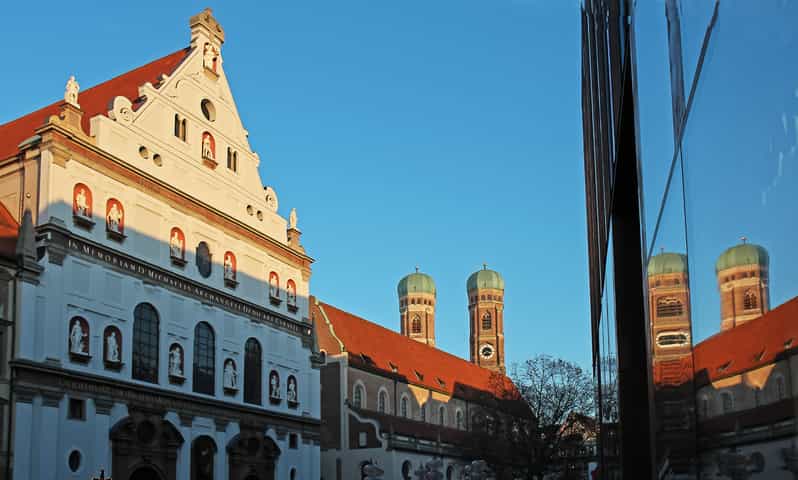
Some city walks just show you buildings. This one does something more useful: it shows you how power worked in Munich when people were punished, exploited, and controlled—and how those systems stayed close to everyday life.
The central idea is that executioners, prostitutes, and witches weren’t random “bad actors” floating through history. You’ll hear what they had in common as the guide ties together fear, authority, and profit. Expect a guided story line built around witch hunts, prostitution, torture, and executions—not reenactments, just explanation and context as you move through the city.
If you like walking tours where the route actually teaches you something practical—like how a city functioned, not just how it looked—you’ll likely enjoy this. It also helps that the tour points you to real, named places. When you leave, you’re not guessing. You know where the story “started” at Neuhauser Tor, where it shifted toward older power centers, and where it turned into the witch-hunt thread.
One note before you go: because the topics are heavy, keep your expectations aligned. This is a historical city tour, not comfort-history. If you’re sensitive to descriptions of coercion or punishment, you’ll want to mentally brace for that tone.
You can also read our reviews of more tours and experiences in Munich.



Finding your guide fast: the Neuhauser archway and the big blue bag
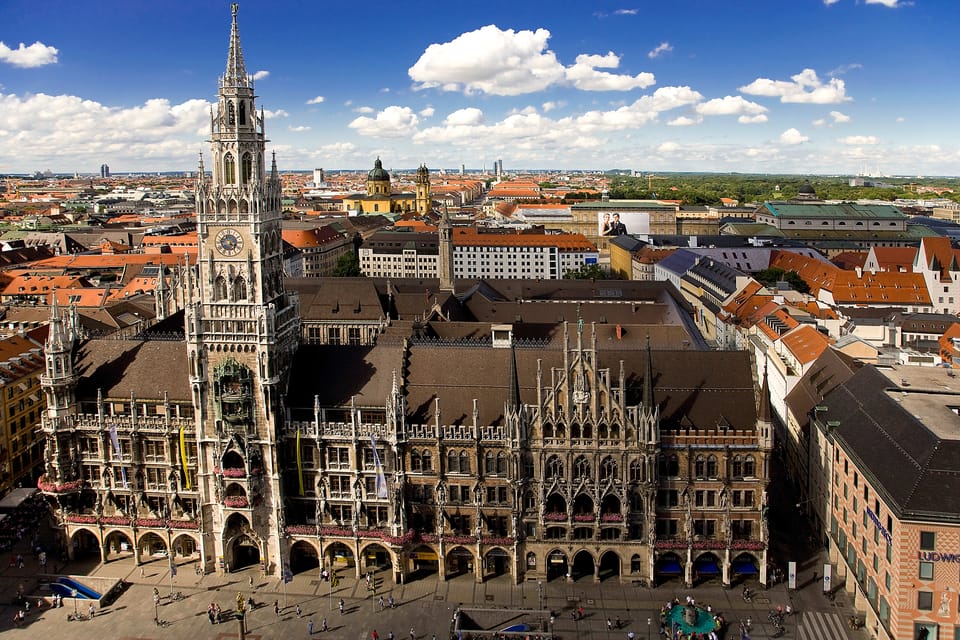
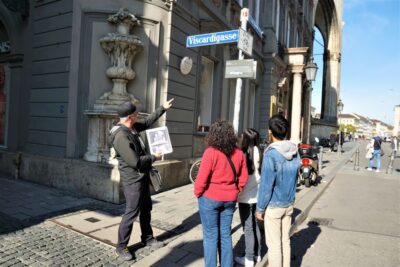
The tour starts under the Neuhauser archway. That sounds simple—until you’re standing in Munich’s pedestrian flow and trying not to miss your group.
Here’s the easy rule: look for the guide carrying a BIG BLUE BAG with the white words Weis(s)er Stadtvogel on it. That visual cue makes it much less stressful, especially if your German isn’t perfect. Since the tour language is German, having a guide who speaks clearly helps a lot, and the bag helps you get to the right person immediately.
You’ll also want to arrive early enough to get your bearings. The meeting spot is in the old-center area tied to the route’s historical starting points, so there’s a good chance you’ll pass other groups and get distracted by the big sights nearby.
Neuhauser Tor and the salt road: where sentences left the city
The tour’s emotional setup comes at Neuhauser Tor, the place where delinquents were led out of the city to be executed. This is the moment where the story stops being theoretical. You’re hearing how enforcement wasn’t an abstract concept—it had a physical location, and it affected real lives.
From there, you’ll move along the historic salt road. The salt road detail is more than a fun old-trail name. It’s how cities stayed connected through trade routes, and trade routes are often where authority, taxation, and control meet ordinary people. Your guide uses that path to keep the historical thread moving as you cross from one “meaning zone” to the next.
As you go, listen for the guide’s explanations of why the execution-related headquarters were kept outside the city. You won’t just get the location; you’ll get the reasoning. That matters because it changes how you picture Munich’s boundaries. The city wasn’t only walls and gates—it was also where certain activities were allowed, tolerated, or pushed just beyond the everyday crowd.
If you’re the type who likes to look up at buildings and suddenly understand what they were for, this section delivers. You’ll connect the walking path to the story rather than treating it like a transfer between sights.
St. Michael’s Church, Frauenkirche, and Alter Hof: pretty landmarks with hard questions
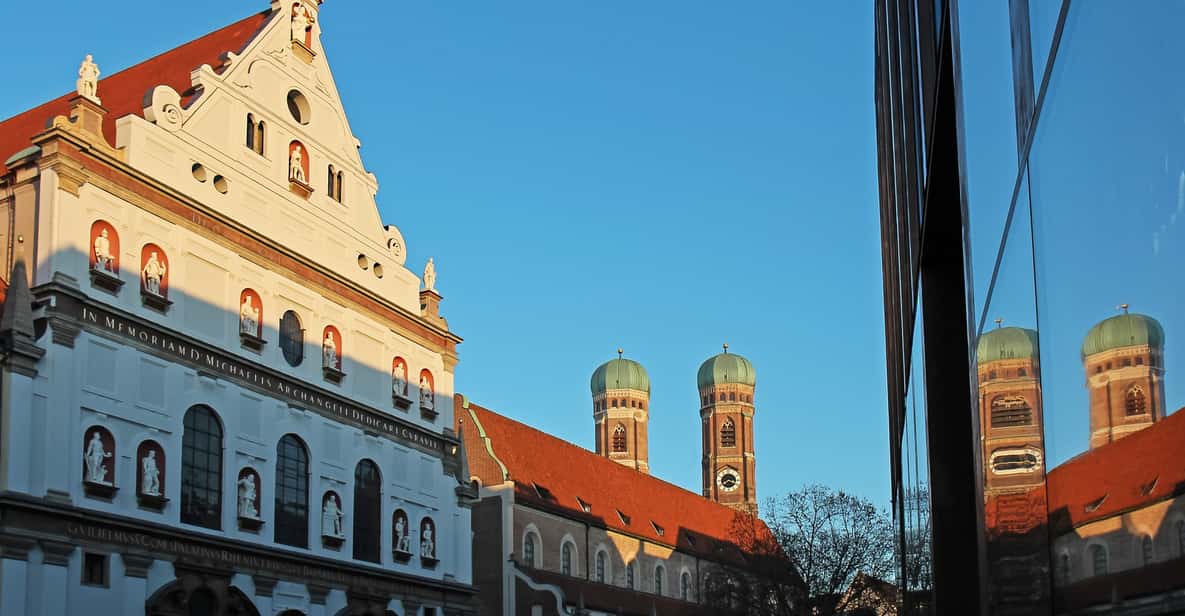
This tour takes you into Munich’s “postcard” space—then asks you to reinterpret it.
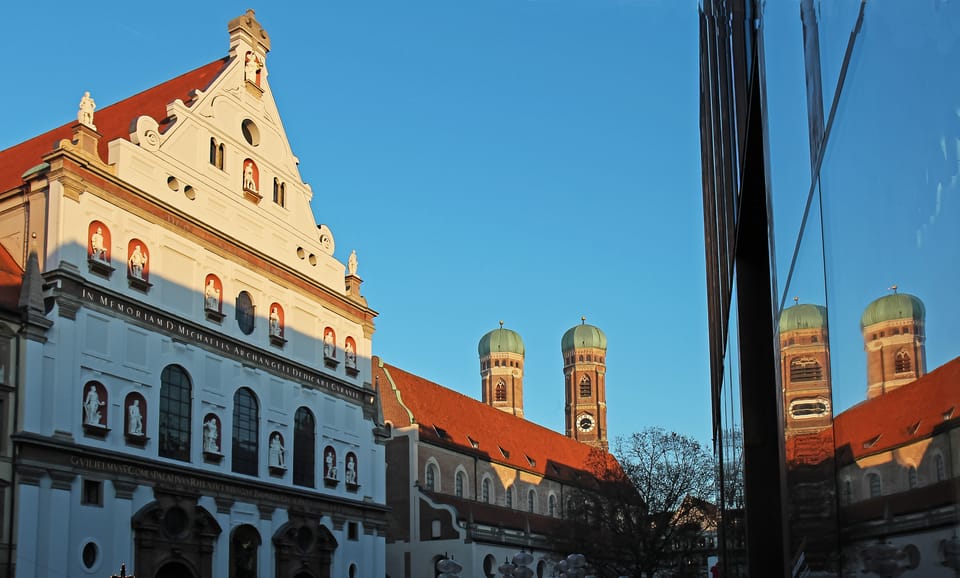
First, there’s St. Michael’s Church. Because the tour says you visit it, plan to spend a chunk of time there listening to what the guide points out. Even if you’re not a church expert, the setting gives the guide a strong backdrop for talking about how institutions and public order overlapped.
Next comes the Frauenkirche, one of Munich’s best-known landmarks. The guide’s goal here isn’t to do a general sightseeing lecture. It’s to place the city’s dark systems next to its most iconic visual identity. You’ll hear how the city’s authority and social discipline were understood in that era, and you’ll likely notice how the “official” and the “punitive” shared the same municipal space.
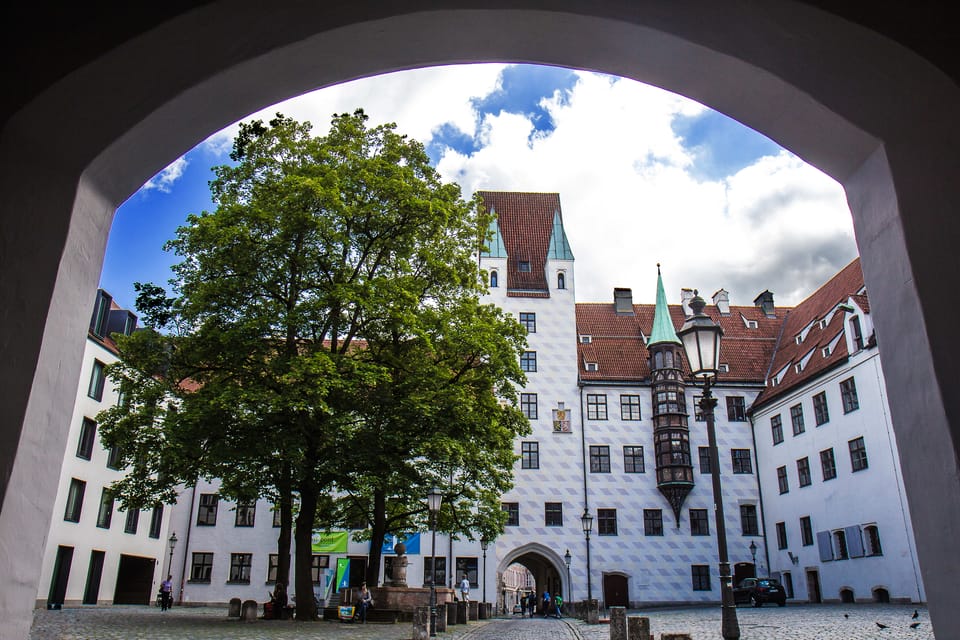
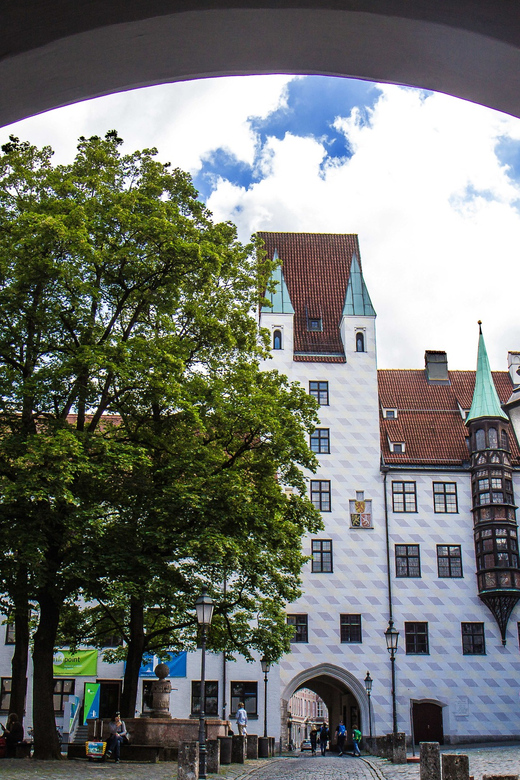
Along the way you’ll pass Alter Hof, the old court of Munich. That’s a valuable stop because courts and enforcement weren’t separate worlds. You’re getting a sense of how decision-making, punishment, and reputation moved through the city’s power structure.
Now, a practical consideration: the tour covers churches as part of the storytelling. That can be great if you want architecture plus history. But if you came for a highly topic-pure focus on executions/prostitution/witch hunts with minimal time on church stops, you might find the balance varies. The guide should tie it together, but your personal tolerance for “church time” will shape how satisfied you feel.
The former Jesuit college: the witch-hunts segment you’ll remember
After the salt-road walk, the story reaches the former Jesuit college, where you’ll hear about the witch hunts. This is one of the tour’s key narrative shifts, moving from the mechanics of punishment and enforcement toward fear-driven accusations and persecution.
What I like about this choice of location is that it signals education, authority, and social influence—exactly the ingredients you need to understand how witch-hunt logic spread. Even without special effects or actors, hearing how hunts were justified helps you understand why they could escalate so badly.
You’ll also hear facts that add a “why” layer rather than just describing what happened. For example, you’ll learn the reason why the headquarters were outside the city and other context the guide connects to these systems.
If you’re the kind of traveler who wants to leave with a clean mental model, this segment can do that. You’ll walk away understanding that witch hunts weren’t only superstition—they were tied to how authorities managed threats and controlled behavior.
Just remember: this isn’t a horror movie. It’s history told through the city’s real corners, and the tone depends on how your guide paces the explanations.

The real theme: what executioners and prostitution had in common
The tour’s hook is provocative on purpose: it frames Munich’s dark history around a shared thread connecting executioners, prostitution, and witches.
The guide’s explanation centers on an idea that executioners also acted as pimps. Even if that sounds unbelievable at first, your guide will connect the dots through how roles and profit could intertwine in historical settings. Whether you feel totally convinced by every link is a separate question—but the tour’s structure gives you the information to judge for yourself.
You’ll also hear why prostitution ended in the 1970s. That’s a modern anchor point that keeps the story from feeling like a museum exhibit. Ending it in the 1970s helps you see continuity: social systems change when laws, enforcement, and public attitudes shift.
A balanced way to prepare yourself: approach this tour like a guided lesson on power systems. You’re not going to see staged scenes. You’re going to get a guided narrative that uses the city’s architecture and street geography as evidence.
One more practical note: there can be variation in how clearly different topics get airtime, and your guide’s clarity matters. German tours rely on good pacing and audible delivery. If you have trouble hearing, ask the guide to repeat a key point rather than trying to guess.
How the 2-hour format works (and why pace matters)
This is a 2-hour walk, live guided in German. That time window is long enough for multiple “story stops” but short enough that the route stays focused. You’re going to move, listen, and connect the themes quickly.
Because it runs rain or shine, it’s smart to show up with layers and comfortable shoes. The tour is city walking between major points, including church areas and old-center gates.
Also, since the tour does not include actors or reenactment, the pace is mostly about speaking and walking timing. If your goal is to get a lot of context without being rushed, choose a private tour if that’s an option for you. A private format often helps with questions and clarification.
If you’re in a shared group, you can still have a great experience, but your listening may depend on where you stand and how crowded the surrounding areas are.
Shared group or private tour: which style fits your travel personality
You can choose between a shared group or a private tour. That choice isn’t just about comfort—it affects what kind of learning experience you’ll get.
A shared group can be good value if you’re social, okay with the guide setting the pace, and comfortable following along in German without lots of one-on-one pauses. It can also be fun if you like hearing how other people react to the dark themes.
A private tour is the better fit if you want:
- more time at the stops where you have questions
- a clearer focus on the tour’s theme and how it’s explained
- a better chance of hearing the guide in busy church squares
Given how topic-heavy this tour is, private can help you feel like you’re getting a tailored story rather than a fixed script.
Price and value: is $25 worth it for this Munich stop?
At $25 per person for a 2-hour guided experience, the pricing is aiming for a sweet spot: enough time to cover multiple key points without being overly expensive.
The value comes from the combination of:
- multiple named landmarks (including Frauenkirche and St. Michael’s Church)
- a thematic guide narrative around executioners, prostitution, and witch hunts
- no need to arrange independent tickets for the tour itself, since entrance fees are explicitly not included
Because entrance fees are not part of the price, decide ahead of time what you want. If you plan to go inside any sites beyond what the guide covers in the walk, you may need to budget separately. If your goal is the guided story with “see/visit/stop” moments rather than full attractions, $25 can feel like a fair deal.
Also, you get German-language interpretation, which is a bonus if you’re making an effort to engage with the local voice of the city.
Practical tips before you go: shoes, weather, and expectations
Here’s how to set yourself up for a smooth, satisfying tour.
Wear comfortable shoes. The route depends on walking between historic city points, and you’ll want stable footing near church areas and older streets.
Go mentally prepared for dark material. The topics include execution, torture, witch hunts, and prostitution. The tone is educational, but it’s still heavy.
Bring patience with language. The tour is in German. If your German is basic, focus on themes and place names. You can usually catch the core idea even if some details slip by.
Position yourself so you can hear the guide. In busy city squares, sound can get messy. If the guide is speaking near a landmark like the Frauenkirche area and the environment is loud, you’ll do better if you stay close and ask quick follow-ups when needed.
And one accessibility note you should not ignore: the tour is marked wheelchair accessible, but it also says it is not suitable for people with mobility impairments. If that affects you, it’s worth contacting the provider directly before you book so you don’t get stuck with a mismatch between what you need and what the route can offer.
Should you book the Henker, Huren, Hexen city tour?
If you’re in Munich for more than just architecture photos and you like history that explains how a city actually worked, I’d say yes—this tour is built for that. The route gives you both the iconic stops (Frauenkirche) and the story anchors (Neuhauser Tor, the salt-road path, the former Jesuit college). You’ll also leave with specific ideas, like why execution-related headquarters sat outside the city walls and how prostitution changed by the 1970s.
Book it if:
- you want a thematic walk that connects power, punishment, and social systems
- you like guided storytelling and place-based history
- you’re okay with dark subject matter
Skip or reconsider if:
- you need a very explicit, consistently equal focus on every topic the title suggests
- you’re worried about hearing clearly in public squares while it’s crowded
- you have mobility needs that might conflict with the route’s walking demands
FAQ
What is the duration of the tour?
The tour lasts 2 hours.
What language is the tour guide speaking?
The live tour guide speaks German.
Where do I meet the guide?
Meet your guide under the Neuhauser archway. The guide will be wearing a BIG BLUE BAG with the white words Weis(s)er Stadtvogel written on it.
How much does it cost?
The price is listed as $25 per person.
What is included in the tour price?
The tour includes a guided city tour with a city guide.
Are food and drinks included?
No. Food and drinks are not included.
Are entrance fees included?
No. Entrance fees are not included.
Does the tour include actors or reenactment?
No. The tour does not contain actors or reenactment.
Is the tour suitable for wheelchair users?
The activity is marked wheelchair accessible, but it also states it is not suitable for people with mobility impairments. If you have mobility concerns, it’s a good idea to check with the provider before booking.