REVIEW · MUSEUMS
Klassik im Museum
Book on GetYourGuide →Operated by Bavaria Klassik GmbH · Bookable on GetYourGuide
One hour. Music inside an art museum. Klassik im Museum pairs a top-notch concert by the Residence Soloists with entry to the Bavarian National Museum, including its famous European music-history displays and its world-known Nativity scene collection. I especially like the match-up of listening and looking, and the fact that the program can include Baroque, piano recitals, and familiar string sounds from composers like Vivaldi, Mozart, Beethoven, and Albéniz. One watch-out: the concert runs straight through for 60 minutes with no intermission.
This experience runs on Saturday afternoon timing and takes place in the Mars-Venus Hall, where the acoustics are the real star of the show. Tickets are handled right on-site about 30 minutes before the concert, and seating is unreserved, so your arrival time matters more than you might expect.
In This Review
- Key highlights you’ll care about
- A one-hour concert inside the Bavarian National Museum
- Residence Soloists: what the music program feels like
- Mars-Venus Hall acoustics and unreserved seating
- Getting museum time in: instruments, Nativity scenes, and European art
- Price and value: what you’re really paying for
- Who this fits best (and who might want a different plan)
- Should you book Klassik im Museum?
- FAQ
- How long is the concert?
- Is there an intermission during the concert?
- Does the ticket include museum admission?
- Where do I pick up my tickets, and when?
- Is seating reserved?
- Can I visit the museum before the concert?
- Is the venue wheelchair accessible?
Key highlights you’ll care about
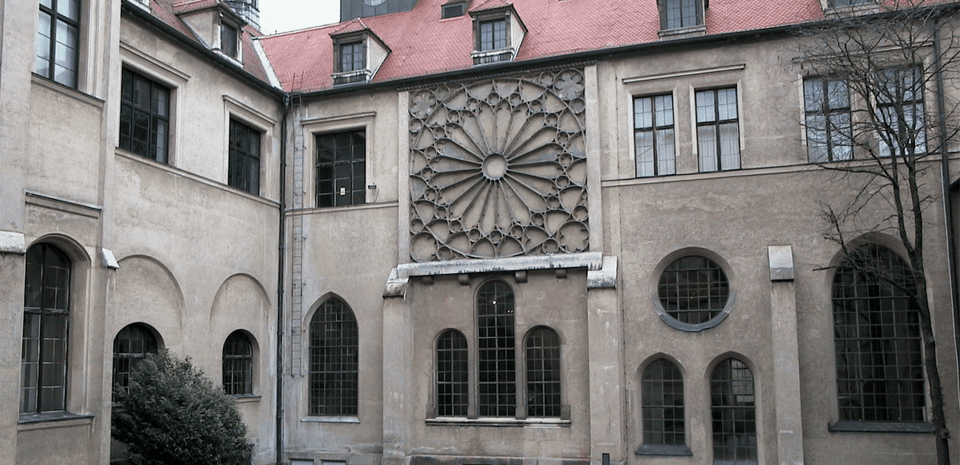
- Residence Soloists performance: a one-hour classical program with options that can include Baroque, piano recitals, and string classics
- Mars-Venus Hall acoustics: the hall is praised for superb sound, making even shorter sets feel complete
- No intermission: plan a quick bathroom stop before the music starts
- Unreserved seating: your spot is first-come at the room level, so get there on time
- Museum admission included: precious historic instruments and the Nativity scene collection add depth to your listening
- Wheelchair accessible: the venue is listed as wheelchair accessible
A one-hour concert inside the Bavarian National Museum

Klassik im Museum is built for people who want a satisfying cultural hit without committing to a full-day plan. You get a one-hour concert plus museum admission in one ticket, which changes the vibe from a typical performance. Instead of only arriving for music and leaving, you can also spend time in the galleries that surround the concert experience.
The museum side matters here. The Bavarian National Museum—often nicknamed the Treasure House on the Eisbach Wave—doesn’t just look like a museum with a few highlights. It presents European cultural history in a way that pairs naturally with classical music: you’re surrounded by objects that connect to the way people lived, celebrated, and performed across time. Two standout categories are the precious historical musical instruments and the world-famous Nativity scene collection. Even if you’re not a lifelong museum person, those two anchors make it easy to feel like you’re seeing something specific and memorable, not just walking through rooms.
The flip side is simple: you’re doing this on a tight clock. Since the concert has no intermission, it rewards people who like a focused set and don’t need breaks to reset.
You can also read our reviews of more museum experiences in Munich



Residence Soloists: what the music program feels like
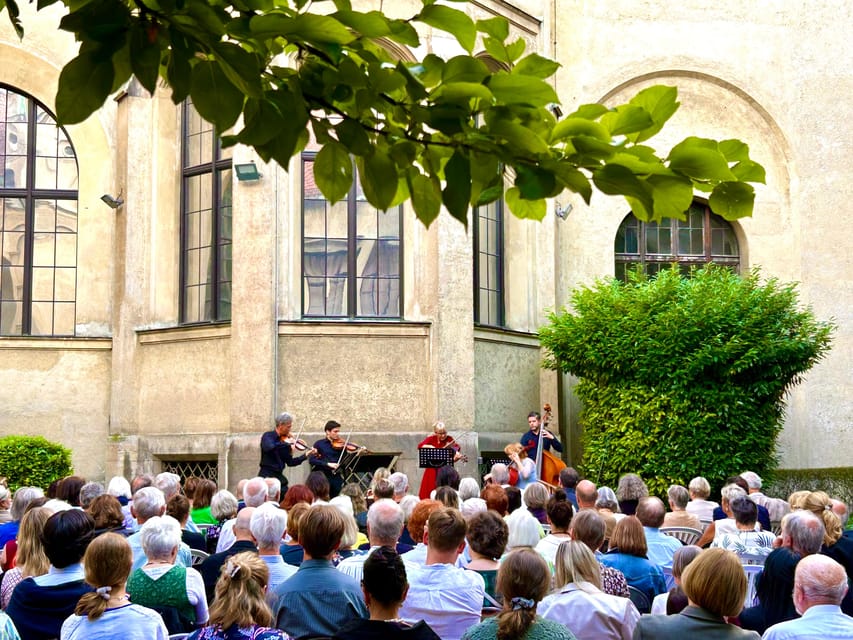
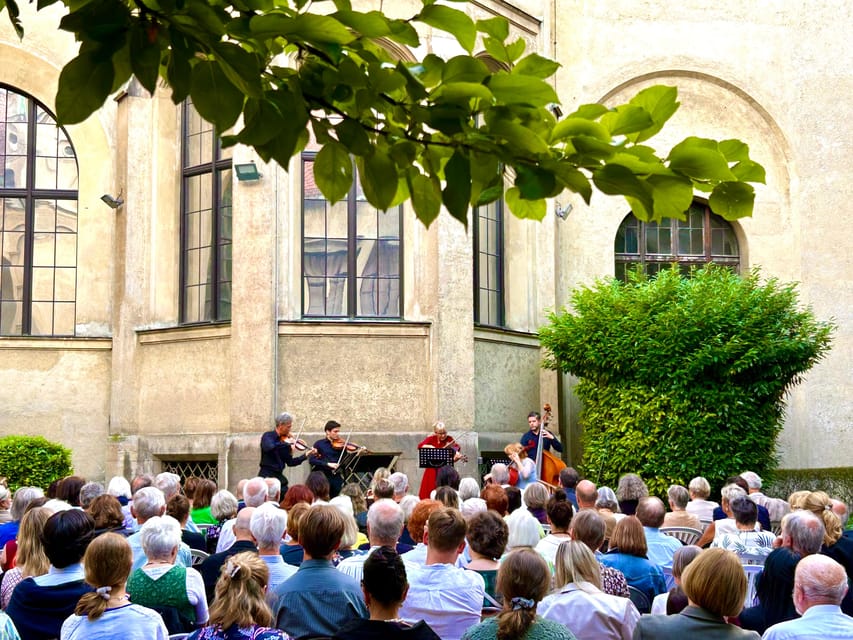
The concert is performed by the Residence Soloists, and the description makes it clear the style is designed to be approachable. You might hear a piano recital, an afternoon that highlights Baroque music, or familiar string sounds tied to recognizable names. The composers listed—Vivaldi, Mozart, Beethoven, and Albéniz—are practical choices because even if you only know a handful of pieces, your brain can latch onto melodies you’ve heard before.
That mix is a big part of the value. A one-hour concert can sometimes feel like a “sampling platter.” Here, the structure is meant to create a complete arc within that hour: enough variety to keep you awake, but within a classical framework that doesn’t bounce randomly across genres.
From a listening standpoint, you should treat the concert like an attentive listening session rather than background music. The musicians are positioned as the main event, and that aligns with the hall’s reputation for sound. If you like the idea of hearing strings clearly, or catching the details in piano writing, you’ll probably enjoy how the music travels in the room.
Mars-Venus Hall acoustics and unreserved seating
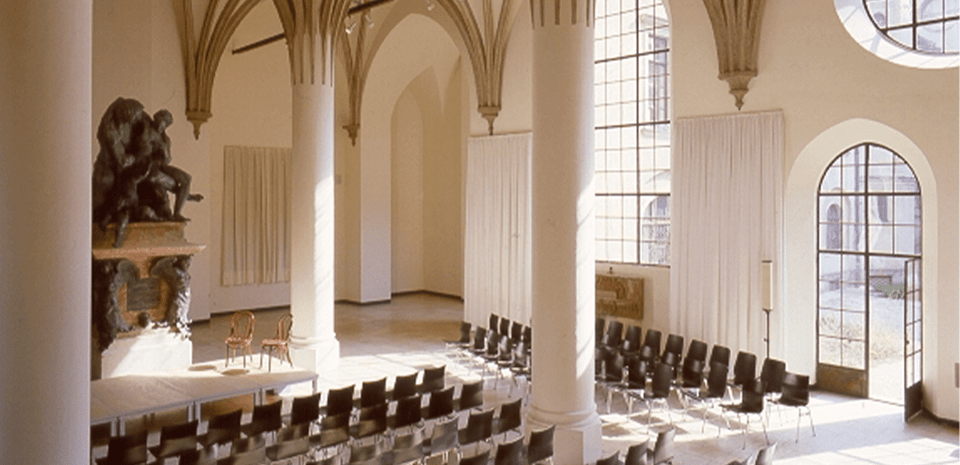
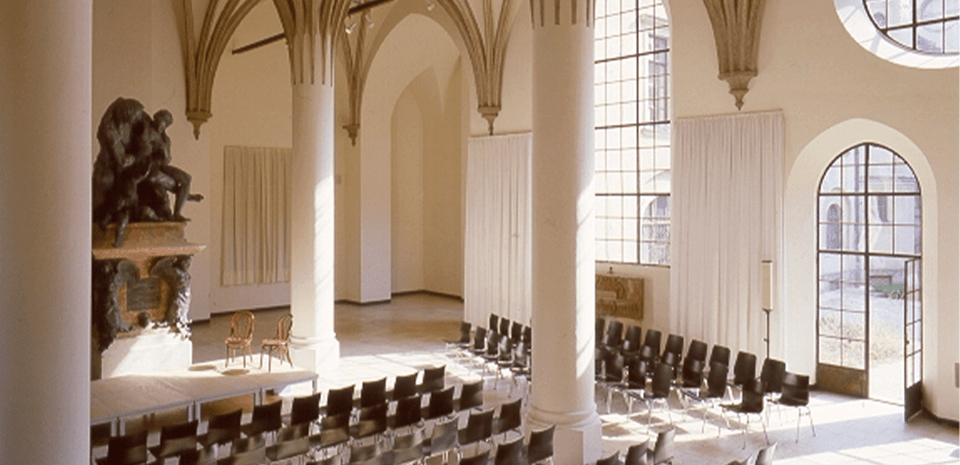
Mars-Venus Hall is the performance space, and the acoustics are singled out as superb. That matters because acoustic quality is one of those invisible factors that can make a good concert feel great—or make a great concert feel frustratingly dull. When a hall is known for sound clarity, it usually means you’ll get a more balanced experience: strings don’t blur, piano notes don’t get swallowed, and you can hear phrasing instead of just volume.
Now the practical part: seating is unreserved. That doesn’t mean you can’t find a seat. It means you should arrive early enough to choose what works for you. If you care about sightlines—especially for performers—don’t treat the 30-minute ticket window as the same thing as the best arrival time. The concert runs for one hour straight, so there’s also less room for adjusting once you’re settled.
Plan around the no-intermission reality. If you tend to get nervous about being stuck, do your bathroom timing before the music begins. You’ll be glad you did once the concert starts, because the whole point is that uninterrupted flow.
Getting museum time in: instruments, Nativity scenes, and European art

One of the best features of Klassik im Museum is that museum time is optional—but easy to fit in. You can visit the museum before the concert, and if you’re organized you can still make the day feel full rather than rushed.
What you’re looking at when you visit is worth centering. The museum’s collection includes precious historical musical instruments, which are a natural match for hearing live classical music. It also includes a world-famous Nativity scene collection, which can be fascinating even if your interest in art history is casual. Together, these collections help you see how music and religious storytelling were both part of daily culture in different eras.
You’ll also be able to follow European cultural history as a story, not just isolated artifacts. That’s important because it turns your listening from “music happening now” into “music connected to how people used to live and celebrate.” You don’t need to read every label to feel the connection, but having that context makes the concert more satisfying.
A practical note from the experience setup: you’re allowed to visit the museum before the concert, but your ticket handling changes if you want that pre-visit time. If you want museum access first, you’ll need to give your email address so the organizer can send your concert tickets in advance. The reason is straightforward: GetYourGuide codes aren’t accepted at the museum. So if you show up with only a code and no mailed tickets, you’ll hit a snag. Fix: send the email address they ask for, and keep the tickets you receive.
If you’re trying to squeeze in museum highlights only, keep it lean. Pick the instrument-related areas and the Nativity scene collection first. Then decide if you have energy for more European art and cultural history rooms after that.
If you need navigation help, search for Bayerisches Nationalmuseum on Google Maps; the venue is easy to locate from there (link is available in the listing details).
Price and value: what you’re really paying for
The price is listed as about $53 per person, and you may also see it shown as 45€ depending on how the currency displays at checkout. Either way, you’re paying for two things at once: a one-hour concert plus museum admission.
Here’s how I think about the value. A standalone museum ticket usually gets you entry. A standalone concert ticket gets you sound. This format gives you both, and it does it during a time window—Saturday afternoon—that’s convenient for people who want culture without planning a multi-day itinerary.
You’re also paying for a performance in a hall known for acoustics. That’s not a minor detail. Sound quality often determines whether a short concert leaves you feeling satisfied or underwhelmed. If the hall is truly as strong as described, the “one hour” length stops being a limitation and becomes a bonus: you get a focused event, then you can keep exploring the museum with fresh eyes.
One more value point: seating is unreserved. That can be a plus for groups of friends who just want to be in the same room rather than worry about seat numbers. It can be a minus if you’re picky about where you sit. If that’s you, arrive with a plan so you’re not stressed halfway through choosing a seat.
Finally, the booking setup includes flexibility options like free cancellation (up to 24 hours in advance) and a reserve-now, pay-later option. That’s worth something when your schedule is still in flux.






Who this fits best (and who might want a different plan)
Klassik im Museum is a smart match for people who like short, well-structured cultural experiences. You’ll likely enjoy it if you:
- want classical music without committing to a long evening
- like the idea of connecting what you hear to what you see in a major museum
- enjoy concerts featuring familiar composers like Vivaldi, Mozart, Beethoven, and Albéniz
- appreciate live performers and want a room where the acoustics are part of the deal
It’s also a solid choice if you’re traveling with someone who prefers “one main event plus extras.” You can make this a simple plan: arrive, pick up your tickets, take a quick museum circuit if time allows, then settle in for the concert.
The main group who might reconsider is anyone who needs frequent breaks during performances. Since there’s no intermission, you’ll want to plan restroom timing early and keep your expectations realistic about staying seated for the full hour.
Should you book Klassik im Museum?
Yes, you should book it if you want a high-quality classical concert that comes bundled with meaningful museum admission. The pairing works because the museum’s musical-instrument displays and Nativity scene collection add context you can feel, and the Mars-Venus Hall acoustics make the concert more than just another calendar item.
Book it especially if your schedule favors a Saturday afternoon plan and you like the idea of unreserved seating where you can choose a comfortable spot once you arrive. Skip it—or at least think twice—if you strongly dislike no-intermission formats or you need frequent time-outs during performances.
If you do book and you want museum time first, give the organizer your email address so you receive your tickets in advance. That one step keeps the whole day smooth and prevents any last-minute ticket-code headaches.
FAQ

How long is the concert?
The concert duration is 1 hour.
Is there an intermission during the concert?
No. The concert is described as running without intermission.
Does the ticket include museum admission?
Yes. The concert series includes the concert plus museum admission.
Where do I pick up my tickets, and when?
Tickets can be picked up at the box office on-site about 30 minutes before the concert begins, and they are issued in your name.
Is seating reserved?
No. Seating is unreserved.
Can I visit the museum before the concert?
Yes, you can visit before the concert. If you want to do that, you should provide your email address so the organizer can send you your tickets in advance.
Is the venue wheelchair accessible?
Yes. The experience is listed as wheelchair accessible.