REVIEW · MUNICH RESIDENZ
Munich Residenz: Private Tour with artists and historians
Book on GetYourGuide →Operated by Munich Art Tours · Bookable on GetYourGuide
Royal rooms, made human.
A private tour through the Munich Residenz turns the palace from a hallway of facts into a story you can follow. You’ll walk at a smart pace with an artist guide, hear how the Wittelsbach court shaped Munich, and get special attention paid to the art and wall design, not just the dates. Two standout things I really like are the way the guide explains what you’re seeing in the Green Gallery, and the calm, steady pacing that keeps a 2-hour visit from feeling like a sprint.
One possible drawback: you’re covering a huge palace, so even with 139 rooms, it’s still a curated highlights route. If you want to linger for your own photo-and-read marathon, you may feel slightly time-compressed—especially if you arrive hungry and spend too long at the first display.
In This Review
- Key highlights to look for
- Entering the Munich Residenz: 139 rooms, one clear story
- Green Gallery: paintings explained beyond the postcard version
- Wittelsbach life in Munich: where the story becomes personal
- Ludwig II’s garden mood—and the Wagner affair
- Oktoberfest traditions: the royal thread you can actually trace
- The exterior and the WWII story: what you should look for
- How long it takes, and how to make the most of 2–3 hours
- Price at $160 per person: when this feels like good value
- Who this private Residenz tour fits best
- Should you book this private tour?
- FAQ
- How long is the private Munich Residenz tour?
- Where do I meet the guide?
- What languages are available?
- Is the tour private?
- Is museum entry included?
- Does the tour run in bad weather?
- Are there any restrictions on luggage?
- Is it wheelchair accessible?
- Is it suitable for children?
- What are the cancellation terms?
Key highlights to look for
- Artist-guided perspective that connects rooms, power, and the visual details of palace art
- Green Gallery stop with explanations of the paintings and their technical background
- Ludwig II and Richard Wagner brought to life with real palace context
- Oktoberfest connections you can trace back to royal traditions tied to the residence
- A history-focused walk through Wittelsbach life—where and how they lived
- WWII-aware exterior viewpoints to understand what was nearly destroyed and what remains
Entering the Munich Residenz: 139 rooms, one clear story
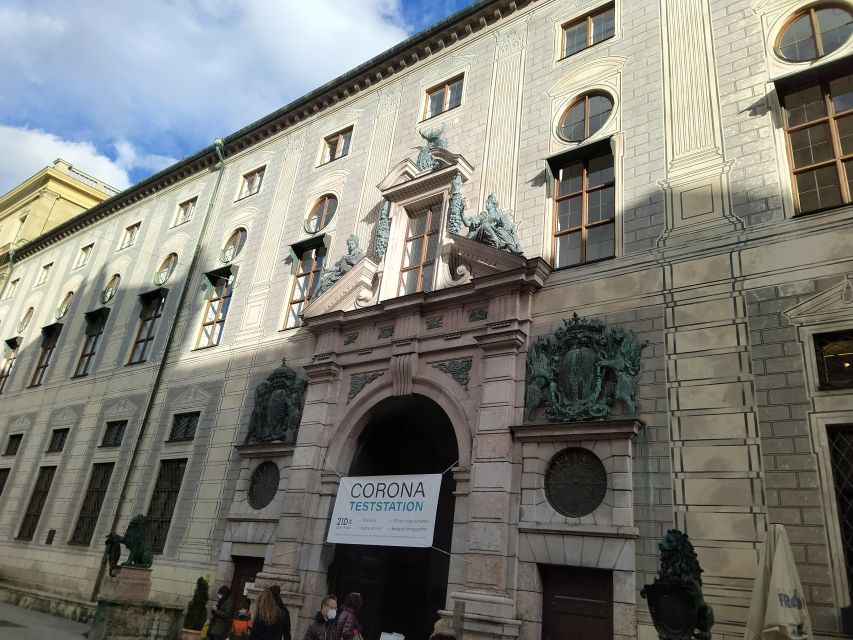
The Munich Residenz isn’t just a beautiful museum. It’s a working historical stage—where decisions were made, where the Wittelsbach rulers spent their time, and where Munich’s identity was shaped from the top down. That matters because a normal museum visit often separates art from history. Here, the palace layout helps you connect them.
The best part of doing it privately is the way you get a guided thread through all that space. You start right at the Munich Residenz (meet your guide in front), then you move room-to-room with your guide talking like they’re interpreting what the building is saying. The experience centers on the early years of the royal family, the Wittelsbachs: where they lived, how court life worked, and why certain rooms and decorations mattered.
And yes, the palace is huge. Hearing about 139 rooms can sound like overload, but a strong guide doesn’t throw everything at you. Instead, they help you notice the right things in the rooms you visit—so the place feels coherent, not chaotic. I like that approach because it makes you leave with mental “labels” for what you saw, not just a stack of names.
Green Gallery: paintings explained beyond the postcard version
If the Residenz were only about architecture, this tour might still be worthwhile. But the real magic is when the guide turns art into something you can actually understand while you’re standing in front of it.
A major highlight is the Green Gallery, where your guide presents key paintings and explains their technical background. That’s a small detail with big payoff. Instead of looking at wall art like it’s decorative wallpaper, you learn what makes the work special—how it’s constructed, what artistic choices you’re supposed to notice, and how the visual language fits the royal setting.
This is also where you start to understand why an artist guide changes everything. Someone trained to look carefully can point out the kinds of things most people ignore: how the room’s design supports the art, how certain elements guide your eye, and how the palace’s identity comes through in what’s hung on its walls.
In practical terms, it also gives you a break from pure history-talk. You’ll still hear about court events and rulers, but the art stop adds texture. When you finish the Green Gallery section, the whole palace feels more intentional—like every room is part of a larger idea about status, taste, and power.
Wittelsbach life in Munich: where the story becomes personal
The core of the tour focuses on the Wittelsbach rulers and their Munich roots. You’ll hear historical facts as you wander through the rooms and learn not only who was in charge, but how daily court life worked in this particular space.
The guide’s job here is not to recite a timeline. It’s to show you how the palace functioned as a home for rulers and their world. That includes the early years of the royal family—essential context if you want to understand why the residence looks and feels the way it does.
As you move through rooms, you’ll get “where-to-look” guidance: what the space suggests about hierarchy, how royal taste shows up in design, and why certain traditions connect back to how the court organized its life. For me, that’s the difference between seeing rooms and understanding rooms.
And if you like connections across cultures and myths, you might find extra threads woven in as well. One example mentioned in the experience is links between Bavarian and Greek history and mythology, which can make the palace feel less like a sealed-off royal era and more like a living conversation with European stories.
Ludwig II’s garden mood—and the Wagner affair
King Ludwig II is one of those historical figures who always seems to show up in Munich conversations. Here, you get a way to place him in physical reality, not just as a name on a plaque.
A key moment is a walk in the garden area tied to King Ludwig II. This isn’t just a pretty pause. It’s a reflective stop where the guide ties palace life and historical events to the spaces where Ludwig II could shape his image and experiences.
Then comes one of the most interesting story links on the tour: the affair between Ludwig II and Richard Wagner. The value of hearing it during a palace walk is that it stops being gossip or trivia. You see how a ruler’s interests and relationships helped define cultural life—and how that kind of patronage fits the identity of the residence itself.
This is the kind of moment that works particularly well if you’re the type who likes history with human scale. You’re not just learning that Wagner was important. You’re learning how a royal court environment made a relationship like this possible—and how it echoes through the rooms and traditions associated with the residence.
Oktoberfest traditions: the royal thread you can actually trace
A lot of people think of Oktoberfest as something that just evolved from beer culture over time. The tour takes a different angle: it helps you understand how Munich’s major traditions connect to the residence and royal routines.
So you’ll hear about Oktoberfest traditions and how they connect to the palace world. The payoff isn’t that you’ll suddenly become an Oktoberfest historian. It’s that you’ll walk away seeing how a big public celebration grew out of political and cultural patterns tied to the Wittelsbach court.
That’s a great reminder for anyone who only knows Munich through festivals and beer halls. The Residenz gives you the earlier context. You start to notice that celebrations, uniforms, ceremonies, and public identity don’t appear out of nowhere. They’re built—often by rulers who understand symbolism as a tool.
If Oktoberfest is on your trip radar (and it often is), this tour adds depth. It makes the festival feel less like a standalone event and more like part of a bigger Munich story with roots in court tradition.
The exterior and the WWII story: what you should look for
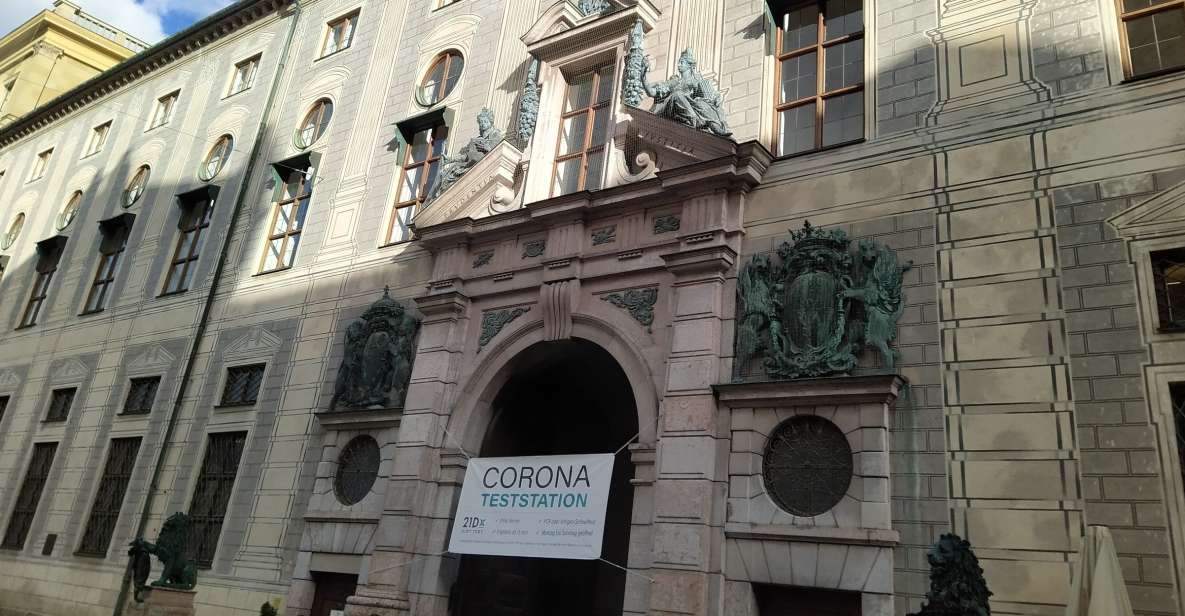
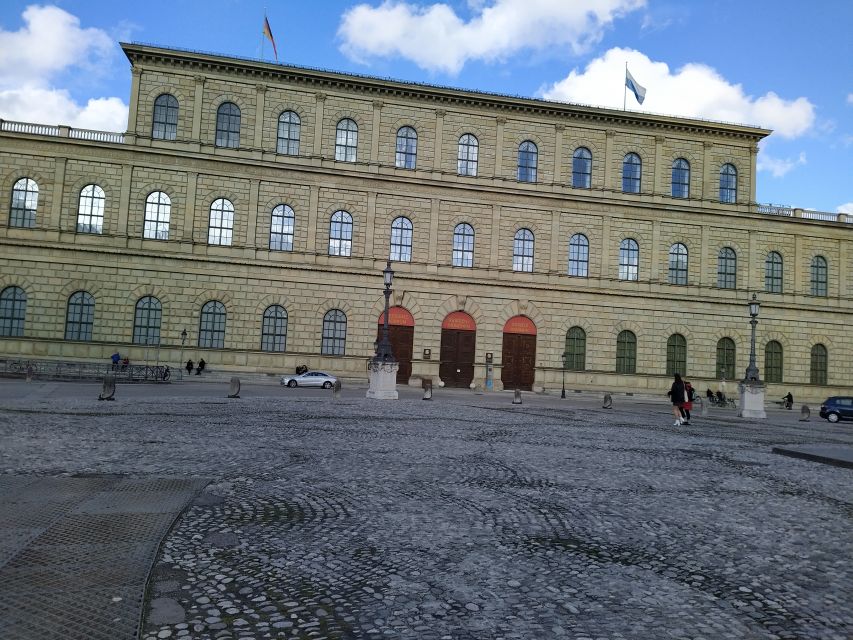
After the interior tour, you shift from rooms to the palace exterior. This is where the experience includes a sober but important layer: parts of the palace were nearly destroyed during WWII.
You’ll learn about the outside and how the building’s fate shaped what you can see now. This section matters because palaces often look timeless in photos, as if they were always going to be preserved. But history isn’t polite. Learning what happened helps you read the exterior with more respect and accuracy.
What I recommend: don’t treat this as a quick walk-by. Use the guide’s commentary to choose what to look for—changes in the way the palace reads, reminders of what survived, and the idea that restoration and memory are part of how historic buildings live today.
When the exterior story lands well, you leave feeling like the residence isn’t just a pretty place from the past. It’s a survivor. And that makes the whole tour more real.
How long it takes, and how to make the most of 2–3 hours
The time window is 2–3 hours, depending on starting times and how the tour moves that day. It’s a private group, so you’re not stuck waiting for strangers to find a photo angle. But it’s still a careful balance: the guide is covering a massive palace, so you’ll see a lot, yet you won’t cover every corner in obsessive detail.
This is where comfort choices matter. Bring comfortable shoes. You’ll do real walking inside and outdoors, and you’ll want to focus on the guide’s points instead of thinking about sore feet.
Also keep in mind what the tour doesn’t allow: no luggage or large bags. If you’ve been hauling a suitcase around Munich, plan ahead so you can keep your space free and move easily.
One more practical note: the tour runs rain or shine. That doesn’t mean you’ll be outside constantly, but it does mean you should dress for real weather and accept that part of the experience happens outdoors, especially during the exterior portion.
Price at $160 per person: when this feels like good value
At $160 per person, you’re not paying for a ticket and a generic audio guide. You’re paying for a private, live professional guide with an artist perspective, focused on art, traditions, and specific historical threads—like the Wittelsbach focus, Ludwig II, and the Wagner connection.
Here’s how I think about the value:
- You’re getting a curated route through a palace that would otherwise feel like a blur of rooms.
- You’re paying for interpretation. The Green Gallery art-technique explanations are the kind of detail you won’t get by wandering alone.
- You get the advantage of skipping the ticket line, which saves time you can spend looking, listening, and asking questions.
One important budgeting point: museum entry isn’t listed as part of what you pay for the tour itself. Since you’ll still be able to skip the ticket line, it usually suggests you’ll handle entry separately. Plan for that extra cost so there are no surprises at the door.
For who this price makes sense: if you love history and you like understanding how art works, this is a strong use of time. If you only want a quick look at famous rooms with minimal listening, you might not feel full value.
Who this private Residenz tour fits best
This experience is best for adults and older teens who enjoy art and political history and don’t mind walking for a few hours. It’s listed as not suitable for children under 10, so if you’re traveling as a family, you’ll want to match the tour length and content to your kids’ attention span.
It also works well for couples. Private pacing is a big deal inside a palace: you can hear the story without competing with a crowd, and the guide can shape the route to what you respond to—whether that’s painting technique, Ludwig II, or the Oktoberfest thread.
And if you care about mobility: it’s wheelchair accessible, which is rare for some older palaces that can be frustrating in practice. Still, since the tour covers many rooms and includes an exterior segment, you’ll do best by bringing your own patience and planning.
Should you book this private tour?
Book it if you want the Munich Residenz to feel like a story you understand, not a checklist of rooms. The combination of an artist-guide lens, the Green Gallery art explanations, and the way the tour links court life to Ludwig II, Richard Wagner, and even Oktoberfest makes it a smart choice for anyone who wants more than surface-level sightseeing.
Skip or reconsider if you’re traveling with small kids under 10, or if your dream day is mostly quiet wandering with no guided interpretation. In a huge palace, that can be hard to do with a structured route.
If your goal is to see the Residenz with context—and to leave knowing what mattered and why—this is a strong pick.
FAQ
How long is the private Munich Residenz tour?
The tour runs for 2 to 3 hours, depending on the starting time and how the visit is paced.
Where do I meet the guide?
Meet your guide in front of the Munich Residenz.
What languages are available?
The live guide offers tours in English and German.
Is the tour private?
Yes. It’s a private group tour.
Is museum entry included?
Museum entry is not listed under included items. Plan on paying for museum entry separately, while still benefiting from skip-the-line service.
Does the tour run in bad weather?
Yes. The tour takes place rain or shine.
Are there any restrictions on luggage?
You should not bring luggage or large bags.
Is it wheelchair accessible?
Yes. The tour is wheelchair accessible.
Is it suitable for children?
It’s not suitable for children under 10.
What are the cancellation terms?
You can cancel up to 24 hours in advance for a full refund, and you can often reserve with pay later for flexibility.